
Is Aquaphor Good for Diaper Rash? Zinc Oxide & Treatment Timing
This post contains affiliate links. As an Amazon Associate, we learn from qualifying purchases
Yes, Aquaphor is good for treating and preventing diaper rash. Its effectiveness comes from zinc oxide, which forms a water-repellent barrier to protect skin from moisture and irritants. The key is using the right product, 15% zinc oxide cream for prevention and mild cases, 40% zinc oxide paste for more troublesome rashes, and applying it liberally at every change.
That zinc oxide percentage isn’t just a marketing number. It’s the active ingredient concentration that determines how thick and protective the barrier is. A 15% cream handles everyday wetness; a 40% paste physically blocks severe irritation from prolonged contact with stool enzymes. Getting that match wrong is why a rash sometimes lingers despite diligent cream application.
What follows: a breakdown of the two main Aquaphor diaper products by their official drug labels, the 12-hour window when you should see improvement, the specific warning to stop after 7 days, and how it stacks up against other common barriers like petroleum jelly.
Key Takeaways
- Aquaphor’s diaper rash products are over-the-counter drugs with specific FDA-monograph language for treating and preventing rash, not just moisturizers.
- Match the zinc oxide strength to the rash severity: 15% cream for prevention/mild pinkness, 40% paste for angry, persistent red rashes.
- According to Kaiser Permanente’s drug guide, improvement should start within 12 hours; stop use and call a doctor if the rash lasts more than 7 days.
- For prevention, a thin layer of Aquaphor Baby Healing Ointment (a petrolatum-based barrier) at each change is often more effective than waiting for a rash to start.
- Never use an adult-oriented healing ointment as a substitute for a formulated diaper rash cream; they lack the active ingredient (zinc oxide) that treats the problem.
How Aquaphor Actually Works on Diaper Rash
Diaper rash is a chemical burn. It happens when a baby’s skin is exposed to moisture and the enzymes in urine and stool for too long. The skin’s natural barrier breaks down, leading to redness, irritation, and sometimes infection. A simple moisturizer can’t fix that.
Aquaphor‘s designated diaper rash products work because they contain zinc oxide. This powder doesn’t get absorbed into the skin. Instead, it sits on top, creating a water-repellent, physical barrier. Think of it as a shield. This shield does three things at once: it keeps new wetness from touching the inflamed skin, it soothes the existing irritation, and it allows the skin underneath to heal in a protected environment.
The science of diaper cream is straightforward: zinc oxide is insoluble in water. When mixed into a cream or paste base, it forms a occlusive layer that urine and stool cannot penetrate, giving the epidermis time to repair itself.
This is different from how a plain ointment like Vaseline works. Petroleum jelly is also an occlusive barrier, but it lacks any active, skin-protecting ingredient. It’s like putting plastic wrap over a wound, it locks moisture in or out, but doesn’t actively treat the inflammation. Zinc oxide is the treatment.
Where this goes sideways: Using the regular Aquaphor Healing Ointment (the one in the tub) for an active rash. That product is fantastic for preventing chafing or healing dry skin, but it contains no zinc oxide. For an active chemical burn, you need the active ingredient. This is the most common mistake parents make when they hear “Aquaphor is good for diaper rash.” They grab the wrong tube.
The Right Aquaphor Product for the Rash
Not all Aquaphor products labeled for baby are the same. The difference is the percentage of zinc oxide, and that percentage dictates the job.
| Product Name | Active Ingredient | Best For | What Happens If You Use It Wrong |
|---|---|---|---|
| Aquaphor Healing Diaper Rash Cream | Zinc Oxide 15% | Preventing rash, treating very mild pinkness. | On a severe rash, the barrier may be too thin to block persistent irritants, and the rash won’t improve. |
| Aquaphor Baby Diaper Rash Paste (Fast Relief) | Zinc Oxide 40% | Treating established, red, irritated diaper rash. | On clear skin, it’s overkill—thick, pasty, and harder to clean off without rough wiping. |
| Aquaphor Baby Healing Ointment | Petrolatum (41%) – No Zinc Oxide | Preventing rash, protecting against chafing, healing minor dry skin. | On an active rash, it smothers the skin without treating the inflammation, potentially trapping moisture against the rash. |
The 15% cream is your daily defender. Its texture is smoother, making it easy to apply a thin, even layer. The 40% paste is your heavy artillery. It’s thicker, whiter, and designed to stick in place through a couple of diaper changes to maintain that protective shield on already-angry skin.
You choose based on what you see. Pink skin and a desire to prevent a blowout? 15% cream. Beefy red, spotty rash that makes your baby fuss during changes? 40% paste.
Common mistake: Switching to a 40% paste at the first sign of pinkness. Start with the 15% cream. The paste is harder to remove completely, and aggressive wiping to get it off can further irritate skin that’s only mildly inflamed. Escalate only if the lighter cream isn’t holding the line after 24 hours.
How Do the Different Aquaphor Products Compare?
You have two main choices within the Aquaphor diaper line, and the choice matters more than brand loyalty.
Aquaphor Healing Diaper Rash Cream (15%) vs. Aquaphor Baby Diaper Rash Paste (40%)
The 15% cream is a treatment-strength preventative. The 40% paste is a maximum-strength treatment. There’s no “better” one, there’s only the right one for the current state of your baby’s bottom. The paste will always create a more substantial, longer-lasting barrier. The cream is for management; the paste is for intervention.
Aquaphor vs. Desitin
Both are zinc oxide barriers. Desitin often contains a higher baseline percentage (typically 40% in its Maximum Strength version) and may include additional skin protectants like cod liver oil. Some parents find Desitin’s formula to be slightly thicker and more tenacious on severe rashes. Aquaphor’s formulas are famously easy to wash off, which can be gentler on tender skin but may require more frequent reapplication. It’s a texture and tenacity preference.
Aquaphor vs. Vaseline (Petroleum Jelly)
This is the critical distinction. Vaseline is a pure occlusive. It’s a fantastic preventative barrier and is often recommended for locking in moisture after treating a rash with a zinc oxide cream. However, it has zero active ingredient. It will not treat an existing rash. Using Vaseline for diaper rash that’s already red is like putting a bandage on an infection without antiseptic.
The bottom line: For prevention, you can use a simple barrier like Vaseline or Aquaphor Healing Ointment. For treatment, you must use a product with zinc oxide. Aquaphor’s diaper creams give you that active ingredient in two targeted strengths.
When to Use Aquaphor (And When Not To)
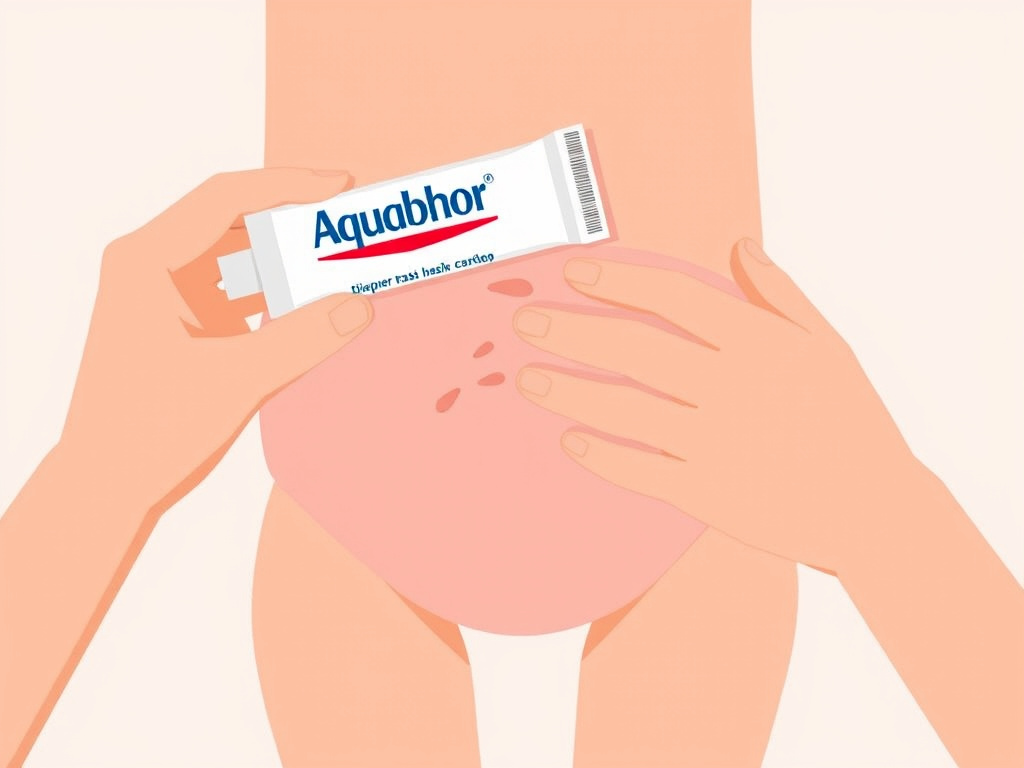 Timing is everything with diaper rash. Aquaphor’s official labeling, like the Aquaphor diaper rash paste FDA label, gives clear guardrails.
Use Aquaphor Diaper Rash Cream or Paste when:
- You see the first hint of pinkness or redness in the diaper area.
- Your baby has diarrhea or is on antibiotics, which are major rash causes.
- At bedtime or anytime a wet diaper might be on longer, to provide extended protection.
- As a daily preventative if your baby has sensitive skin prone to rashes.
Stop using it and call your pediatrician when:
- The rash shows no improvement within 12 hours of using the correct-strength product.
- The rash worsens, spreads beyond the diaper area, or develops blisters or pus.
- The rash lasts for more than 7 days. This is a non-negotiable stop-use point on the drug label.
- Your baby develops a fever alongside the rash.
The 7-day rule is crucial. A common diaper rash should be on its way to resolution within 2-3 days of proper care. If it’s hanging on for a week, it’s likely not a simple irritation rash. It could be a yeast infection (candidiasis) or a bacterial infection, both of which require prescription medication. Continuing to slap a zinc oxide barrier on a fungal rash is a waste of time and can make it worse.
Step-by-Step: How to Apply Aquaphor for Best Results
The proper application of a barrier cream is as important as the cream itself. A sloppy layer creates gaps where moisture gets through.
- Clean & Dry Thoroughly. Use a soft washcloth with warm water or a fragrance-free wipe. Gently pat, don’t rub, the area completely dry. Damp skin under cream traps moisture against the skin.
- Apply Liberally. The FDA monograph says “apply liberally.” This means a thick enough layer that you can still see a white cast from the zinc oxide. Don’t skimp.
- Cover All At-Risk Areas. Spread the cream over the entire diaper area, buttocks, genitals, skin folds, and upper thighs. Rashes often start in the folds.
- Reapply With Every Change. Don’t assume the last layer is still intact. Clean and reapply fresh cream every single diaper change, “especially at bedtime.”
- Use a Dedicated Diaper Cream Spatula. This keeps your fingers clean, prevents contaminating the tube, and lets you apply a more even, thick layer without getting it under your nails.
Skipping step 1 is the most frequent error. Applying cream to even slightly damp skin is like sealing water in a Ziploc bag with the rash. It macerates the skin, slowing healing and sometimes making the rash symptoms angrier.
What to Do If Aquaphor Isn’t Working
You used the 40% paste, applied it perfectly, changed diapers hourly, and the rash is still there on day three. Now what?
First, check your other variables. Are the diapers themselves scented or a new brand? Have you recently introduced a new food? Sometimes the irritant is so persistent that even a strong barrier can’t keep up. Switch to super-plain, fragrance-free everything, wipes, diapers, laundry detergent.
If the environment is clean and the rash persists, it’s likely time to consider that it’s not a standard irritation rash. The most common culprit is a yeast infection. These rashes are typically a deeper, beefier red with distinct satellite spots at the edges. They won’t respond to zinc oxide.
Where this goes sideways: Trying natural remedies like applying breast milk instead of seeking targeted treatment. A Mayo Clinic-cited study found a zinc oxide and cod liver oil cream was more effective than human breast milk for treating diaper rash. When a strong, formulated product isn’t working, it’s a signal to change tactics, not go weaker.
This is when you escalate. Stop the over-the-counter cream and call your doctor. They may prescribe an antifungal cream (like Nystatin) or a combination antifungal-steroid ointment. This is the definitive treatment for severe diaper rash. Trying three different zinc oxide creams for two weeks is less effective than one doctor visit.
Frequently Asked Questions
Can I use regular Aquaphor ointment for diaper rash?
You can use the regular Aquaphor Healing Ointment for preventing diaper rash as a moisture barrier. However, it contains no zinc oxide, so it will not treat an existing rash. For redness, you must use a designated diaper rash product with an active ingredient.
Is Aquaphor or Desitin better?
Both are effective. Desitin often has a higher zinc oxide percentage (40% standard) and may feel more tenacious. Aquaphor is famously easy to wash off, which some parents prefer for gentle cleaning. The effectiveness of Desitin and Aquaphor is comparable; choice often comes down to texture preference and how your baby’s skin reacts.
How long does it take for Aquaphor to clear diaper rash?
For a mild rash, you should see improvement within 12-24 hours of using the correct product. Most mild rashes clear up in 2-3 days with proper care. The official labeling advises stopping use if the rash lasts more than 7 days, as this indicates a need for medical evaluation.
Can Aquaphor make diaper rash worse?
If used on a rash caused by yeast or bacteria, yes. The barrier can trap the infection against the skin. It can also worsen a rash if applied to damp skin, as it seals in moisture. Used correctly on a simple irritant rash, it should not make it worse.
Should I use Aquaphor at every diaper change?
For treatment, yes, apply liberally at every change. For prevention, a thin layer of a barrier ointment like Aquaphor Baby Healing Ointment at each change is an excellent rash prevention strategy, especially if your baby is prone to rashes.
Before You Go
Aquaphor is good for diaper rash when you use the right product. Match the 15% cream for prevention and mild pinkness, and deploy the 40% paste for angry, red rashes. Remember the timeline: look for improvement in 12 hours, and stop after 7 days if there’s no progress, that’s your signal to call the doctor. Its real strength is in its clarity: the drug labels tell you exactly what it does and when to move on. For daily defense, a simple barrier works. For fighting a fire, you need the active ingredient. Aquaphor gives you both tools in one trusted line.
