
How to Apply Diaper Rash Cream Correctly: The Expert Guide
This post contains affiliate links. As an Amazon Associate, we learn from qualifying purchases
Apply diaper rash cream liberally to a clean, dry diaper area with every change, especially at bedtime. Use a thick, even layer that fully covers the skin, think frosting a cake, not dotting with paint. The official Health Canada monograph specifies this method for products containing zinc oxide in concentrations from 1-25% for creams and 25-40% for ointments.
That “liberally” instruction is the load-bearing word. A thin smear doesn’t create the moisture barrier that protects skin from urine and stool enzymes. Getting it wrong means the rash lingers, the baby stays uncomfortable, and you burn through tubes of cream without results.
What follows: the four non-negotiable steps, the zinc oxide percentages that actually matter, the one trick that keeps the diaper from sticking, and the exact timeline, seven days, that tells you when to stop treating at home and call the doctor.
Key Takeaways
- Apply a thick, visible layer of cream with every diaper change, covering all red or irritated skin completely.
- Zinc oxide creams work at concentrations between 1-25%; ointments are 25-40%. Higher percentages aren’t automatically better.
- If the previous layer is still clean and intact, you can add new cream on top instead of wiping it all off.
- A dab of petroleum jelly over the cream prevents the diaper from sticking and pulling the barrier off.
- If the rash doesn’t improve within 7 days, worsens, or keeps coming back, stop and consult a healthcare provider.
Why “Liberally” Is the Only Word That Matters
Most parents dab. They spot-treat the reddest patches with a pea-sized amount. That’s the first mistake. The point of a diaper rash cream isn’t just to soothe, it’s to seal.
A proper application creates a continuous, waterproof barrier between the skin and the irritants in urine and stool. A thin layer breaks down on contact, leaving microscopic gaps where moisture and enzymes seep through.
The official language from regulatory bodies is specific. The Health Canada Diaper Rash Products Monograph, which aligns with US FDA guidance, states the direction for use is to “apply liberally to a clean and dry diaper area as needed.” “Liberally” means enough to fully coat the skin without rubbing it in completely. You should still see the cream on the skin after the diaper is on.
This mechanical barrier is why ingredients like zinc oxide and petroleum jelly work. They’re occlusives. They don’t get absorbed to heal from within; they sit on top to protect from without. If you can’t see it, it’s not doing its job.
The Core 4-Step Application Method
Do this with every change, no shortcuts. The process takes less than a minute once it’s routine.
- Clean & Pat Dry. Use a soft cloth, cotton ball, or fragrance-free wipe with warm water. Gently blot or wipe front-to-back. Do not scrub. Scrubbing inflamed skin worsens the rash. Pat the area completely dry with a clean towel. Moisture trapped under the cream will macerate the skin, making things worse. This step is non-negotiable.
- Dispense a Generous Amount. Squeeze out a blob about the size of two quarters. For a widespread rash, use more. It’s cheaper to use a bit too much than to have a rash that won’t quit.
- Apply a Thick, Even Layer. Using a clean finger, spread the cream over every inch of skin that will be covered by the diaper. Cover all red, pink, or irritated skin, and extend slightly onto the surrounding healthy skin. Aim for the consistency of cake frosting, a smooth, opaque coat.
- Secure the Diaper. Gently fasten the diaper snugly but not tightly. A too-tight diaper creates friction that can break down the cream’s barrier and irritate skin further.
Where this goes sideways: Applying cream to damp skin. Water under the barrier turns the diaper area into a sealed, wet environment. The rash will worsen within 24 hours because the skin can’t breathe or dry out.
The “Clean Layer” Exception
Here’s a nuance most guides miss. You don’t always need to remove every trace of the old cream. If the previous application is still mostly clean, not soiled with stool, you can simply add a fresh layer on top. Complete removal can irritate sensitive skin. If you need to remove it, use a cotton ball with a bit of mineral oil to gently wipe the old cream away.
Decoding the Tube: Zinc Oxide Percentages & Ingredients
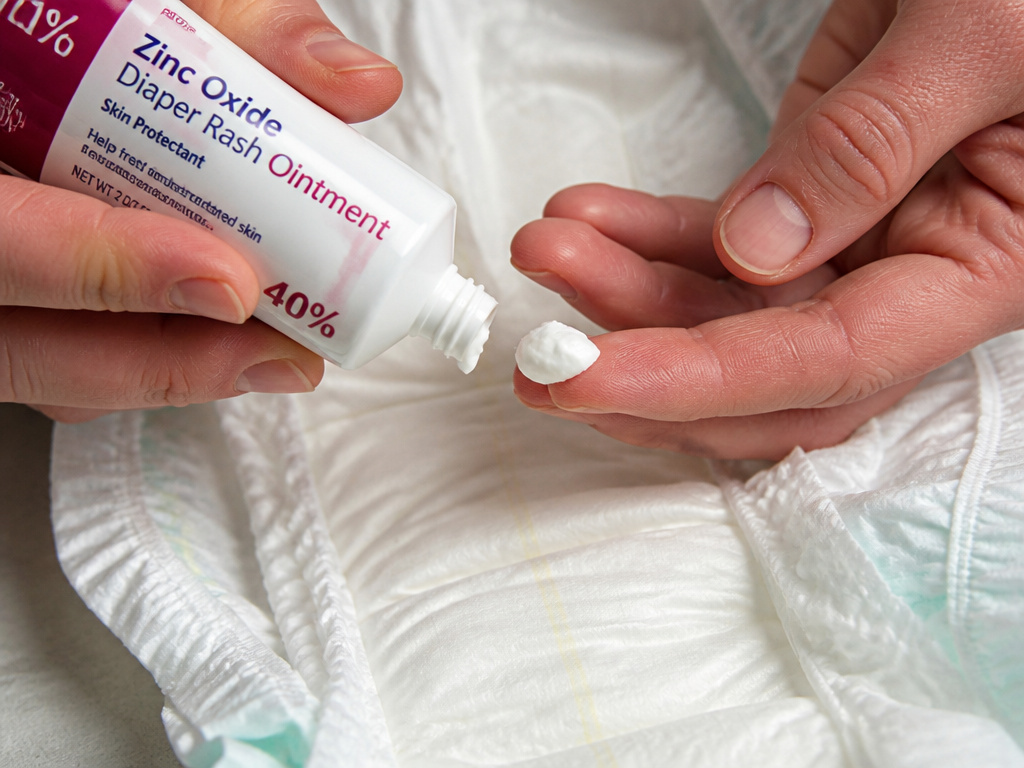
Not all creams are the same. The active ingredient does the heavy lifting, and its concentration tells you what you’re buying.
| Product Type | Typical Zinc Oxide Concentration | Best For | Texture & Use |
|---|---|---|---|
| Cream | 1% – 25% | Everyday prevention, mild to moderate redness. | Thick, spreadable paste. Forms a solid barrier. |
| Ointment | 25% – 40% | Severe rash, very dry or cracked skin, overnight. | Very thick, greasy, water-resistant. Harder to wash off. |
The StatPearls Diaper Dermatitis reference classifies zinc oxide as a topical emollient, noting its role is to improve skin barrier function and provide a physical shield. The percentage isn’t a potency score; it’s a texture and durability indicator. A 15% zinc oxide cream is often the sweet spot for daily use.
Common mistake: Reaching for the highest percentage for a mild rash. A 40% zinc oxide ointment is overkill for slight pinkness and can be so thick it prevents the skin from breathing normally, potentially trapping heat and moisture.
Other key ingredients:
- Petroleum Jelly (Petrolatum): A pure occlusive. It’s fantastic for prevention or as a top coat to prevent sticking. It has no active healing properties on its own.
- Dimethicone: A silicone-based barrier that feels less greasy. It protects but doesn’t have the slight astringent quality of zinc oxide.
- Lanolin: A natural emollient from sheep’s wool. Excellent for moisturizing but can be an allergen for some babies.
Your choice depends on the job. For treatment, a zinc oxide-based rash cream is your first line. For pure prevention after a bath, petroleum jelly works perfectly.
Pro Tips & Problem-Solving
The basics get you 80% of the way. These tactics solve the other 20% of real-world problems.
The Petroleum Jelly Trick
After applying your cream, add a tiny dab of petroleum jelly over the top, especially around the edges. This creates a slippery layer that stops the diaper from adhering to the cream. No more crying when you peel off a diaper that’s glued itself to their skin.
Dealing with a Non-Stop Rash
If you’re applying a quality cream perfectly but the rash persists or looks bumpy with red satellites, think fungal. Candida yeast loves the warm, moist diaper environment.
If a standard zinc oxide cream isn’t working after 2-3 days, try an antifungal cream like Lotrimin (clotrimazole). Apply it first, let it absorb for a minute, then layer your barrier cream on top.
This is where knowing if your cream is antifungal matters. Most standard barrier creams are not.
Storage Matters
Heat ruins cream. Store your tube or jar at room temperature, away from sunlight and humidity (not in the bathroom). Zinc oxide can separate in extreme heat, making it ineffective.
When to Call a Doctor: The 7-Day Rule
This is the most important guideline in this article, and it comes straight from authoritative medical sources.
If the rash does not improve within 7 days, becomes worse, or clears up but returns repeatedly within a few days, consult a healthcare practitioner.
This seven-day threshold isn’t a suggestion. It’s a diagnostic line. A simple irritant diaper dermatitis should show clear improvement with consistent, correct care within a week. If it doesn’t, it signals something else might be going on: a stubborn fungal infection, a bacterial issue like impetigo, eczema, or an allergic reaction.
Other red flags that need immediate attention:
- Blisters, open sores, or pus-filled bumps.
- Bleeding or excessive weeping.
- A rash that spreads beyond the diaper area to the abdomen or thighs.
- Fever accompanying the rash.
- Your baby is extremely fussy, lethargic, or won’t eat.
Don’t experiment past the week mark. Your pediatrician can diagnose the specific type of rash and prescribe the right treatment, whether it’s a stronger antifungal or a mild steroid cream. Following this healthcare provider treatment protocol prevents a minor issue from becoming a major infection.
Choosing the Right Cream for Your Baby
With a dozen options on the shelf, how do you pick? Match the product to your baby’s specific skin and the rash’s severity.
For most babies with normal skin and occasional pinkness, a mainstream zinc oxide cream like Desitin Daily Defense (13% zinc oxide) or Burt’s Bees Baby Diaper Rash Ointment (40% zinc oxide) is reliable. They’re widely available and effective for the basics.
For sensitive skin that reacts to fragrances or preservatives, seek out a minimalist formula. Vanicream Moisturizing Ointment is a good one, it’s just petrolatum, dimethicone, and polyethylene. No dyes, fragrance, or parabens.
For a severe, angry rash that needs maximum healing power, you want a high-zinc-oxide paste. Triple Paste (12.8% zinc oxide) or Bordeaux’s Butt Paste (16% zinc oxide) are workhorses. They stay on through multiple wipes, providing lasting protection.
Remember, the best diaper rash cream for babies is the one you use correctly and consistently. A thick layer of a basic cream beats a dab of the most expensive one every time.
Frequently Asked Questions
Can I use diaper rash cream at every change?
Yes. For an active rash, apply a thick layer with every single diaper change. For prevention, you can use a thinner layer or switch to plain petroleum jelly at changes when the skin is perfectly clear.
How do I get diaper rash cream off my baby’s skin?
If it’s time for a full clean, use mineral oil or plain petroleum jelly on a cotton ball. Gently wipe; the oil breaks down the cream’s barrier. Then wash with a mild cleanser. For daily changes, if the layer is clean, just add more on top.
Does diaper rash cream expire?
Yes, check the tube or jar for an expiration date. Expired cream can separate and lose effectiveness. A good rule of thumb is to replace any open tube after one year.
Is more zinc oxide always better?
No. Higher percentages (like 40% ointment) are thicker and more water-resistant, designed for severe rashes or overnight. For everyday prevention or mild rash, a 10-15% cream is often easier to apply and clean and provides a perfectly adequate barrier.
Can I use diaper rash cream with cloth diapers?
Be cautious. Many creams contain petroleum or zinc oxide, which can coat cloth diaper fibers and reduce absorbency, leading to leaks and repelling. Look for creams specifically labeled “cloth diaper safe,” which are often made with plant-based oils and butters. Always use a liner.
The Bottom Line
Applying diaper rash cream isn’t complicated, but it is specific. Clean skin, dry skin, a thick layer. The goal is a visible seal, not absorption. Trust the “liberally” instruction on the government database product details.
Stick to the seven-day rule. If a week of proper application doesn’t turn the tide, that’s your signal to get a professional opinion. Your most effective tool is consistency, a perfect barrier applied every single change, without fail, until the skin is healed.
