
Is Desitin Good for Diaper Rash? | The 40% Zinc Oxide Data
This post contains affiliate links. As an Amazon Associate, we learn from qualifying purchases
Is Desitin good for diaper rash? Yes, and the evidence is specific: its 40% zinc oxide paste is clinically proven to relieve diaper dermatitis within 12 to 24 hours, forming a physical barrier that seals out wetness and soothes irritated skin.
That clinical data point is the whole answer. Desitin works because zinc oxide isn’t a medicine, it’s a physical shield. The paste sits on top of the skin, blocking moisture and friction from a wet diaper from making contact. It doesn’t get absorbed. It just stays put.
What follows: a breakdown of the two formulas that matter, the study that proved the timeline, and the one mistake that makes any diaper cream useless.
Key Takeaways
- Desitin’s 40% zinc oxide paste is the strongest OTC option and is backed by a clinical trial showing significant rash relief within 12–24 hours.
- The 13% zinc oxide cream (Daily Defense) is for prevention and very mild irritation, not for treating an active, red rash.
- Zinc oxide works mechanically by forming a water-repellent barrier on the skin’s surface, it doesn’t medicate, it protects.
- Apply any cream or paste to bone-dry skin; putting it on damp skin traps moisture against the rash and makes it worse.
- Stop use and see a doctor if the rash worsens, lasts more than 7 days, or clears and recurs quickly, this could signal a yeast infection needing antifungal treatment.
What the Clinical Data Actually Says
Forget marketing claims. The question “is Desitin good for diaper rash?” has a published, peer-reviewed answer.
A 2005 randomized clinical trial (NCT00219466) evaluated Desitin Original and Desitin Creamy zinc oxide ointments in children with diaper rash. The study found both products provided statistically significant relief from diaper dermatitis after just 12 and 24 hours of treatment, based on severity scores assessed by both clinicians and parents.
That 24-hour relief window is the benchmark. It’s not an anecdote. The diaper rash clinical trial NCT00219466 was evaluator-blind and specifically measured the change in rash severity across five anatomic areas. No adverse events were reported.
The mechanism isn’t chemical. It’s physical. Zinc oxide is a fine, insoluble powder suspended in a petroleum or cream base. When you apply a thick layer, it creates a hydrophobic film over the skin. This film does two jobs: it repels urine and stool moisture, and it reduces friction from the diaper itself. The skin underneath gets a chance to heal in a dry, protected environment.
This is why generic “diaper cream” advice fails. A thin smear won’t build a continuous barrier. A dab of lotion absorbs. You need a paste that stays where you put it.
Zinc Oxide: The Workhorse Ingredient
All Desitin products contain zinc oxide, but the concentration dictates the job. Understanding this difference stops you from using the wrong tool.
The official DailyMed label for Desitin Maximum Strength lists the active ingredient as Zinc Oxide 40%. That means 400 milligrams in every gram of paste. It’s classified as an OTC skin protectant drug. The Health Canada monograph, which references U.S. FDA guidelines, states such products “temporarily help relieve minor skin irritation due to diaper rash” and “help protect from wetness that causes diaper rash.”
Lower concentrations, like the 13% zinc oxide in Desitin Daily Defense, are for maintenance. They offer light protection against chafing and wetness during normal diaper changes. They are not formulated to calm an existing, inflamed rash.
Think of it like sunscreen. A 13% formula is for a cloudy day. The 40% paste is for a long afternoon in direct sun. Using the weak cream on a bad rash is like using SPF 15 at the beach, you’ll still get burned.
Common mistake: Reaching for the Daily Defense tube when the skin is already red and angry. The 13% formula lacks the concentration to build a robust enough barrier against the intense moisture and acid from an active rash. The irritation continues underneath.
The 40% vs. 13% Choice: Which Desitin Is For You?
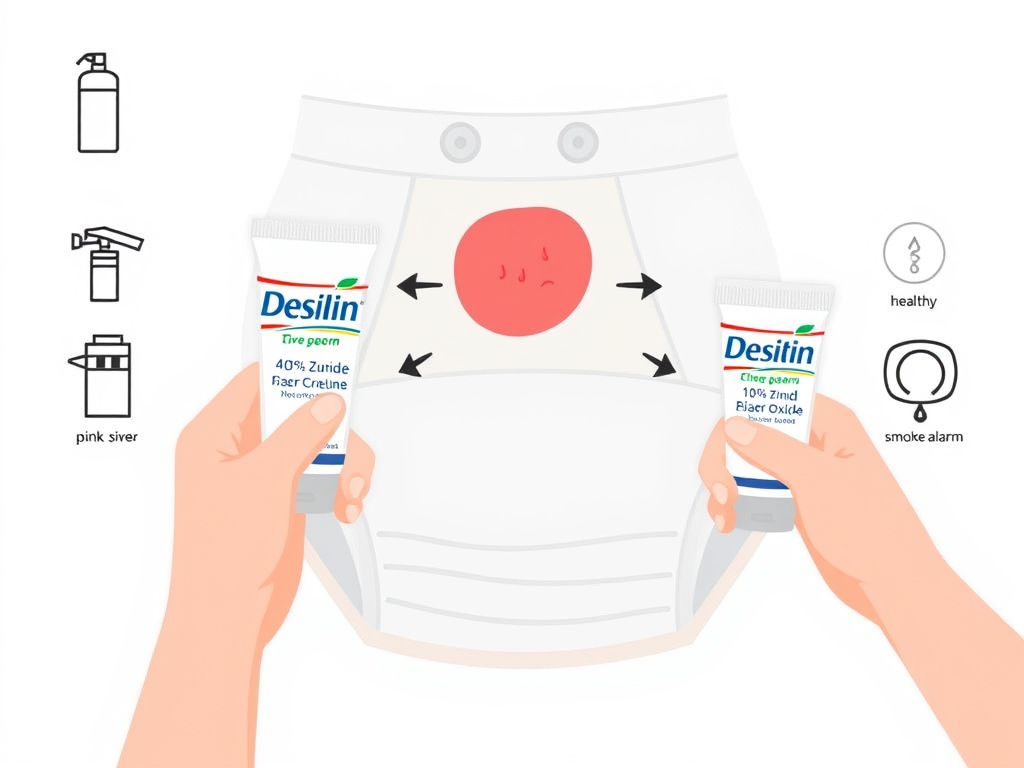
Your decision hinges on whether you’re treating or preventing. This table lays out the clear divide.
| Desitin Product | Zinc Oxide % | Best For | What Happens If You Use It Wrong |
|---|---|---|---|
| Maximum Strength Paste | 40% | Treating active, red, inflamed diaper rash. | Using it for daily prevention is overkill—it’s thicker, harder to wash off, and more expensive per use. |
| Daily Defense Cream | 13% | Preventing rash during normal changes; very mild pinkness. | Using it on a severe rash provides inadequate protection. The rash worsens over 24-48 hours. |
| Creamy Ointment | 10% | Mild protection; often used as a general moisturizing barrier. | On moderate rash, it may not adhere well through a heavy wet diaper, washing away. |
The paste is your fire extinguisher. The cream is your smoke alarm. Don’t confuse them.
For treating a confirmed yeast diaper rash (bright red, defined patches, possible satellite spots), neither is the primary solution. Yeast requires an antifungal like clotrimazole. A zinc oxide paste can still be used over the antifungal as a protective layer, but it won’t kill the fungus itself. This is a critical distinction many parents miss.
How to Apply Desitin So It Actually Works
The most effective cream in the world fails if applied wrong. The rule is non-negotiable: The skin must be completely dry.
Here is the sequence that makes the difference between healing and trapping moisture.
- Clean gently. Use a soft washcloth with warm water or a wipe labeled for sensitive skin. Pat, do not rub, the area clean. If a previous application of paste is still there, only clean the soiled top layer. Scrubbing off all the old paste re-injures healing skin.
- Dry thoroughly. Pat the area dry with a clean towel. Better yet, let your baby kick diaper-free for 5-10 minutes to air-dry completely. Dampness is the enemy.
- Apply a thick, even layer. Cover every bit of red or vulnerable skin. Don’t be shy. You should clearly see the white paste coating the skin. A pea-sized amount is for prevention; a tablespoon-sized glob is for treatment.
- Diaper as usual. The paste will stay put through the next change.
Skipping the drying step is the most common reason a good cream seems to do nothing. You’re sealing wetness onto the rash, creating a warm, moist environment that makes it worse. It’s like putting a bandage on a wet wound.
For a visual guide on technique, our article on how to apply diaper rash cream breaks it down step-by-step.
When Desitin Isn’t the Answer (And What to Use Instead)
Zinc oxide is a protectant, not a cure-all. Recognizing when a rash has moved beyond simple irritation saves you days of frustration.
Stop using Desitin and consult a pediatrician if: * The rash worsens after 2-3 days of diligent paste application. * It lasts more than 7 days without clear improvement. * It clears up but recurs immediately within a few days. * You see bright red patches with sharp edges, pustules, or satellite spots around the main rash.
These are hallmarks of a yeast diaper rash (Candida). Yeast thrives in the warm, moist diaper environment, and a physical barrier alone can’t stop it. You need an antifungal agent. Similarly, a severe bacterial rash or eczema requires different medications.
For these scenarios, a protective barrier cream still has a role, but as a secondary player. You would apply the prescribed antifungal or medicated cream first, let it absorb, then layer a zinc oxide paste like Desitin on top to protect the skin from further wetness. This is the “moisture-wicking base layer” strategy.
Where this goes sideways: Assuming all red bottoms are the same. A stubborn rash that bounces back after seeming to heal is almost always yeast. Continuing with only zinc oxide just prolongs the discomfort.
How Desitin Stacks Up Against Other Options
In the world of diaper rash solutions, choices boil down to three categories: petroleum-based ointments, zinc oxide pastes, and natural oils. Each has a lane.
Desitin (Zinc Oxide Paste) vs. Aquaphor (Petroleum Jelly Ointment)
Aquaphor is a superb moisturizer and a light barrier. It’s excellent for preventing chafing, healing minor dry patches, and protecting against drool. Its formulation is about 41% petroleum jelly, which occludes and moisturizes. However, for an active, weepy diaper rash, it lacks the drying, protective heft of a 40% zinc oxide paste. Water and stool can more easily penetrate its lighter barrier. Our deep dive on Aquaphor for diaper rash details this exact trade-off.
Desitin vs. Coconut Oil
Coconut oil has natural antimicrobial and moisturizing properties. It’s a popular natural diaper rash remedy for very mild prevention. The catch: it’s an oil, so it absorbs into the skin. It doesn’t leave a long-lasting, water-repellent film on the surface like zinc oxide does. In a heavily wet diaper, it can wash off quickly, leaving skin exposed. For a full breakdown of pros and cons, see our analysis of coconut oil for rash.
The PMC clinical review of barrier preparations supports this hierarchy. The meta-analysis found zinc oxide paste effective for managing diaper dermatitis, while noting that petroleum jelly alone showed no significant efficacy in reducing rash severity in the studies reviewed.
Frequently Asked Questions
Can I use Desitin at every diaper change?
For the 40% Maximum Strength paste, use it with every change only while actively treating a rash. Once the rash is gone, switch to the 13% Daily Defense cream for prevention or use it only when you expect prolonged wetness (like overnight). Using the thick paste constantly can make it difficult to thoroughly clean the skin.
How long does it take for Desitin to work on a bad rash?
Based on clinical data, you should see noticeable improvement within 12 to 24 hours. Significant clearing often takes 2 to 3 days of consistent, correct application. If you see no change after 72 hours, the rash may be fungal or bacterial.
Is Desitin safe for newborns?
Yes. Desitin products are approved for use on infants. The simple, topical barrier is safe. Just ensure you’re applying it correctly to clean, dry skin. For newborns with especially sensitive skin, some parents patch-test a small area first.
Why does Desitin stain diapers and clothes?
The zinc oxide paste itself is white, but the oils and petroleum in the base can leave yellowish stains on fabric. These stains are not harmful. To minimize staining, make sure you’re applying a thick enough layer so that it mostly stays on the skin, not the diaper. The stains usually wash out with standard laundry detergent.
Can I use diaper cream and powder together?
No. Do not mix talc- or cornstarch-based powders with ointments or pastes. They can clump into abrasive granules that increase friction and trap moisture against the skin, making the rash worse. Choose one barrier method.
What’s the difference between Desitin paste and cream?
The paste (Maximum Strength) is thicker, contains 40% zinc oxide, and is for treatment. The cream (Daily Defense) is smoother, contains 13% zinc oxide, and is for prevention. The cream spreads more easily, but the paste provides a more durable barrier.
Before You Go
Is Desitin good for diaper rash? The evidence says yes, emphatically, for the rash it’s designed to fight. Keep two tubes in your cabinet: the 40% Maximum Strength paste for when you see red, and the 13% Daily Defense cream for daily defense. Remember that zinc oxide is a shield, not a magic bullet. It needs a dry surface to stick to, and it can’t fight yeast or severe infection. Apply it thick, apply it on dry skin, and know when to call the doctor. That’s how you use a classic tool correctly.
