
How Diaper Rash Cream Works: Key Ingredients & Mechanism
This post contains affiliate links. As an Amazon Associate, we learn from qualifying purchases
Diaper rash cream works by creating a waterproof, breathable barrier between your baby’s skin and the moisture, enzymes, and friction inside a diaper. The active ingredients, typically zinc oxide or dimethicone, form a protective layer that seals out wetness and allows irritated skin to heal. For a rash already present, this barrier also helps soothe inflammation and prevent further damage from contact with urine and stool.
That barrier isn’t just a slick coating. It’s a specific physical shield. The cream’s viscosity, between 100,000 and 2,000,000 centipoise in some patented formulas, is what lets it cling to skin through diaper changes and minor friction without immediately wiping away.
What follows is a breakdown of that barrier science: the two main ingredient types and how they differ, the role of pH buffering that most parents never see, and the specific application rules that turn a good cream into an effective one. By the end, you’ll read any tube’s label and know exactly what job it’s designed to do.
Key Takeaways
- The primary job is barrier creation, not deep absorption. A thick layer of zinc oxide or dimethicone sits on top of the skin to seal out irritants.
- Zinc oxide (10% or 15%) is a particulate shield that reflects moisture; dimethicone (1%) is a silicone-based sealant that fills micro-grooves in the skin.
- Modern creams often include a pH buffering system (like citric acid and sodium citrate) to neutralize both acidic stool and alkaline urine residue on the skin.
- Official monographs from the FDA and Health Canada direct you to apply liberally and give a rash 7 days to improve before seeking medical advice.
- The cream is a tool, but frequent diaper changes and air exposure are non-negotiable supporting actions for it to work.
The Core Mechanism: Creating a Physical Barrier
Think of diaper rash cream as rain gear for your baby’s bottom. Its entire purpose is to intercept moisture and irritants before they reach the skin. This isn’t a medicinal treatment that gets absorbed to fight infection from within, it’s a topcoat.
The skin in the diaper area breaks down when it stays wet. Urine increases skin pH, and stool contains digestive enzymes like proteases and lipases that start digesting the skin’s outer layer. Friction from the diaper then rubs that damaged, macerated skin, causing the classic red, irritated diaper rash.
A 2023 systematic review in an NIH journal analyzed clinical trials on barrier preparations. It concluded that zinc oxide paste and certain creams significantly reduced the incidence of diaper dermatitis compared to placebo, validating the core barrier-protection model.
A cream forms a persistent, water-repellent layer. This layer performs two simultaneous jobs: it blocks new moisture from stool and urine from contacting the skin, and it prevents the wet diaper fabric from adhering to and chafing the already delicate area. The best diaper rash cream acts like a protective tile grout, filling the microscopic gaps in the skin’s surface.
Why “Barrier” Beats “Moisturizer” for This Job
Standard moisturizers are designed to be absorbed. They add hydration into the skin. In a wet diaper environment, that’s the opposite of what you need. Adding more water to skin that’s already oversaturated from urine exposure worsens maceration.
Barrier creams are formulated with high concentrations of water-repellent ingredients and a thick, often non-pourable consistency. They are meant to stay on top. When you see instructions to “apply liberally,” they are telling you to apply enough to create a continuous, visible coating. A thin, absorbed layer does nothing.
Active Ingredients: How Zinc Oxide and Dimethicone Actually Work
Not all barriers are built the same. The two most common active ingredients work through different physical mechanisms. Choosing between them often comes down to the type of rash you’re dealing with.
| Ingredient | Common Concentration | Mechanism of Action | Best For | Texture / Clean-Up |
|---|---|---|---|---|
| Zinc Oxide | 10% (preventive), 15% (treatment) | Particulate barrier. Microscopic particles reflect moisture and sit on the skin surface. | Moderate to severe diaper rash, especially with visible redness. | Thick, opaque paste. Can be stubborn to wipe off; often requires oil or a dedicated cleanser. |
| Dimethicone | 1% | Occlusive barrier. A silicone polymer fills skin grooves, creating a smooth, waterproof seal. | Daily prevention, mild irritation, or sensitive skin that reacts to other ingredients. | Lighter, spreadable cream. Washes off easily with soap and water. |
Zinc Oxide: The Reflective Shield
Zinc oxide is a fine, white powder suspended in the cream base. At concentrations of 10% or 15%, these particles don’t dissolve. They form a physical latticework on the skin. Think of it as laying down a layer of tiny, waterproof tiles.
This particulate layer is highly effective at reflecting moisture away. It also has mild astringent properties, which can help soothe weeping irritation. Because it’s so thick and tenacious, a zinc oxide cream like Desitin Maximum Strength is the go-to for treating an established, angry rash. It stays put.
Where this goes sideways: Applying zinc oxide cream over skin that isn’t completely dry. Trapping moisture under that formidable barrier guarantees maceration and can make a rash worse within a day.
Dimethicone: The Silicone Seal
Dimethicone is a silicone-based polymer. Instead of particles, it works by flowing into the microscopic cracks and crevices of the skin’s surface. It creates a flexible, transparent, and breathable seal.
This mechanism is less about building a wall and more about applying a perfect coat of waterproof varnish. It’s excellent for prevention because it doesn’t feel heavy, and it allows the skin to maintain some breathability. Products like A&D Ointment use dimethicone combined with a lower dose of zinc oxide for a dual-action approach. The official FDA drug labeling information for such creams specifies their role in protecting from wetness and chafing.
For a baby with sensitive skin or one who only needs a light protective layer during the day, a dimethicone-based cream is often the better choice. It’s also far easier to clean off during the next change.
The Hidden Role of pH Buffering
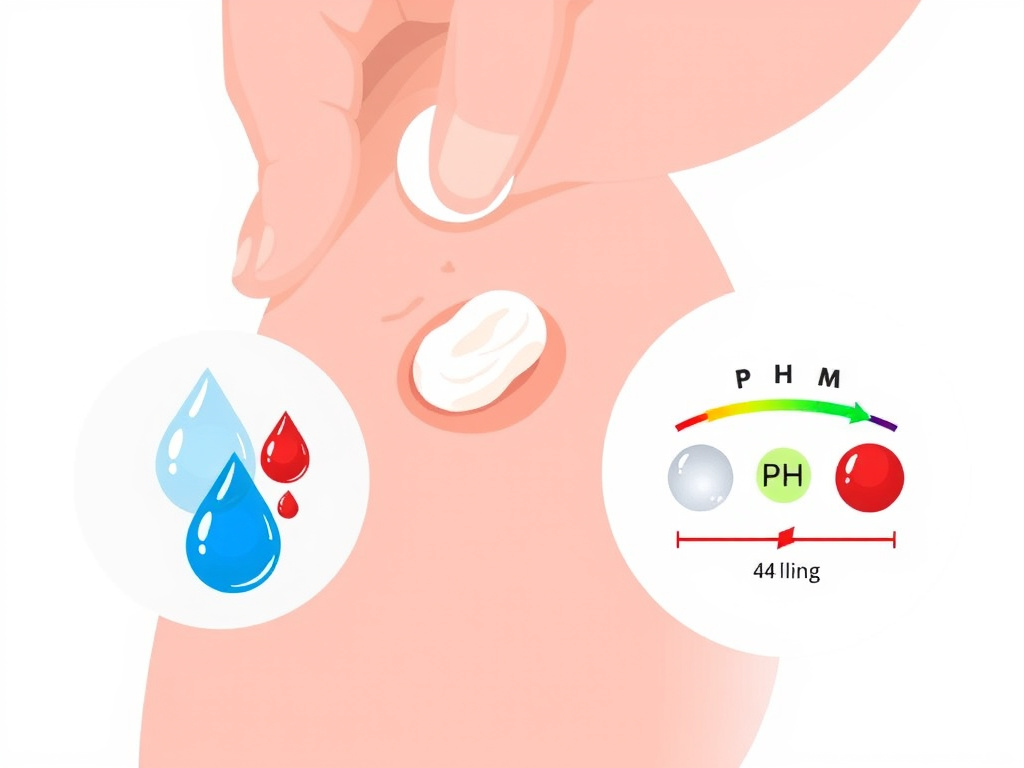
For decades, parents were told ammonia from urine was the main villain. Current science places more blame on fecal enzymes, which are active in an acidic environment. The reality is both are problems. Modern creams address this with chemistry.
Urine breaks down into ammonia, which is alkaline (high pH). Stool, particularly from formula-fed babies, is often acidic (low pH). Both extremes disrupt the skin’s natural acid mantle, its first line of defense.
A 1994 patent for a buffered diaper rash cream describes incorporating citric acid and sodium citrate to maintain a pH between 4.5 and 6.0. This system neutralizes both acidic and alkaline irritants on contact, bringing the skin’s surface back toward its natural, healthy state.
. Most tubs don’t advertise their pH level. But if you’re dealing with recurrent rash, especially one that looks like a burn, a buffered formula can be a game-changer. It means the cream is doing active chemistry on the skin’s surface, not just sitting there.
How to spot a buffered cream: Check the inactive ingredients list for “citric acid” and “sodium citrate.” Their presence indicates a formulated buffering system.
How to Apply Cream So the Barrier Works
The mechanism is useless if the application is wrong. This is where most preventative plans fail. The official step-by-step application process from health authorities is specific for a reason.
- Clean and Dry Completely. Use water and a soft cloth or a fragrance-free wipe. Pat dry, do not rub. Then, let the area air-dry for 30-60 seconds. Moisture is the enemy.
- Apply Liberally. This is the key directive from the FDA monograph. “Liberally” means a thick, even layer you can see. Cover all skin that touches the diaper.
- Reapply With Every Change. The barrier breaks down with moisture, friction, and time. Reapplication is not optional for treatment.
- Pair with Aeration. No cream can compensate for constant confinement. A study from Mauritius found babies aerated for less than one hour daily had twice the rate of rash. Diaper-free time is a co-treatment.
Before you start: Never use talcum powder with barrier cream. The combination can clump, cause abrasive friction, and poses an inhalation risk. Stick to cream alone.
This routine supports the cream’s physical science. A dry base lets it adhere. A thick layer ensures continuity. Frequent reapplication maintains the shield. Aeration reduces the sheer amount of barrier work required.
When to Use Cream vs. When to See a Doctor
Barrier creams are for irritant diaper dermatitis, the red, scaly rash caused by wetness and friction. They are not appropriate for all causes of diaper rash.
Use Cream For:
- Generalized redness in the diaper area.
- Mild, rough patches on the buttocks and thighs.
- Prevention during diarrhea or antibiotic use.
See a Doctor For (Cream Won’t Work):
- Yeast Infection: Bright red rash with sharp edges and satellite spots. Requires an antifungal diaper cream like clotrimazole.
- Bacterial Infection: Blisters, pus-filled sores, or honey-colored crusts. Needs antibiotic ointment.
- No Improvement in 7 Days: The FDA label rule is clear. If a rash doesn’t improve with proper barrier cream use within a week, the cause is likely something else.
The timeline matters. A peer-reviewed diaper dermatitis research paper notes that while barriers help, their efficacy varies. If you’re applying a thick layer of a 15% zinc oxide cream correctly and the rash persists or spreads, stop guessing. The cream has done its job diagnosing an insufficient response.
Choosing the Right Cream for Your Baby
With the mechanism understood, the choice simplifies. It’s about matching the ingredient and formulation to your baby’s specific skin and situation.
For daily prevention on clear or mildly sensitive skin, a dimethicone-based cream or a light zinc oxide (10%) formula is ideal. Look for a clean diaper cream if you prefer simple ingredient lists.
For treating active redness, a 15% zinc oxide paste is the default. It provides the strongest, most durable barrier. Brands like Desitin and Boudreaux’s Butt Paste are staples here.
For recurrent or stubborn rash, check for a buffered formula (citric acid/sodium citrate) and consider whether a yeast infection cream might be needed. When in doubt, the Mayo Clinic diaper rash treatment guide is a reliable authority for next steps.
The bottom line isn’t about finding a single “best” cream. It’s about having the right tool for the moment: a sealant for prevention, a fortress for treatment, and the wisdom to know when the tool itself is telling you to call for backup.
Frequently Asked Questions
Can I use too much diaper rash cream?
No, if you are following the “apply liberally” directive. The risk is using too little, which fails to create a continuous barrier. The only downside to a thick, proper layer is more cleanup effort.
How often should I reapply diaper rash cream?
Reapply a full, liberal layer with every single diaper change when treating a rash. For prevention, a fresh application at each change is still best, but a thorough layer at bedtime is the most critical.
What’s the difference between cream, ointment, and paste?
Ointments and pastes (like zinc oxide) are thicker, more occlusive, and better for treatment. Creams are lighter, often contain dimethicone or lower zinc oxide, and are easier to spread and wash off, making them good for prevention.
Is diaper rash cream safe for newborns?
Yes, barrier creams are safe from birth. In fact, applying a protective layer from the first days can help prevent common diaper rash as meconium and frequent newborn stools hit delicate skin. Always do a patch test first.
Before You Go
Diaper rash cream works on a simple, physical principle: interpose a waterproof layer between skin and irritant. The sophistication is in the details, the choice of zinc oxide particles versus a dimethicone seal, the hidden pH buffers, and the non-negotiable rule of a dry, thick application.
Use a light, dimethicone-based cream for newborns for early prevention. Switch to a heavy zinc oxide paste at the first sign of persistent redness. And always, always give the skin itself a fighting chance with air and frequent changes. The cream is your best tool, but it’s not a magic wand. It’s a shield, and even the best shield needs a strategy.
