
What Is Diaper Rash? The Data-Backed Reality for Parents
This post contains affiliate links. As an Amazon Associate, we learn from qualifying purchases
Diaper rash, clinically called diaper dermatitis, is an inflammatory skin condition affecting the buttocks, genitals, and thighs of infants and anyone in diapers. It’s primarily caused by prolonged skin contact with moisture, urine, and feces, which breaks down the skin barrier. Over half of babies experience it, with a study in Mauritius finding 79.7% of babies had at least one episode, peaking between 7 and 12 months of age.
That 79.The 7% figure is a signal that in environments with high humidity, like the 84% levels recorded in that study, the standard advice needs tightening. The rash is a complex condition.It’s a mechanical and biological process where wet skin, friction, and changing gut chemistry converge.
What follows: a breakdown of the four specific rash types, the exact mechanisms that cause skin breakdown, the demographic data that shows who’s most at risk, and the treatment steps backed by regulatory monographs and clinical guides. You’ll know what you’re seeing, why it’s happening, and how to stop it.
Key Takeaways
- Diaper rash peaks between 7 and 12 months old, a period linked to dietary changes and increased fecal enzyme activity.
- Humidity over 80% significantly increases rash risk by accelerating skin maceration; this is a critical factor in tropical climates and summer months.
- Candida albicans yeast causes a distinct rash with bright red skin and satellite pustules, requiring an antifungal cream, not just a barrier ointment.
- The US FDA monograph states effective diaper rash products “help protect from wetness that causes diaper rash” and should be applied liberally to clean, dry skin.
- For prevention, diaper-free “aeration time” of more than one hour per day is associated with lower rash rates, though many parents miss this step.
The 4 Main Types of Diaper Rash
All redness in the diaper area is not the same. Treating the wrong type with the wrong product wastes time and prolongs your baby’s discomfort. The correct diagnosis lives in the visual details.
Irritant contact dermatitis is the most common type, accounting for the majority of cases. It presents as redness, scaling, and sometimes mild swelling on the convex surfaces of the buttocks, thighs, and genitals, typically sparing the deeper skin folds. It results directly from prolonged exposure to urine, feces, and friction.
1. Irritant Dermatitis (The Most Common)
This is the classic rash caused by the diaper environment itself. The skin gets wet, softens (maceration), and becomes vulnerable. Friction from the diaper rubs it raw. Enzymes in stool, activated by the higher pH of urine, further digest the skin’s surface. You see flat, red, irritated patches where the diaper touches most, the rounded parts of the bottom and thighs. The creases where skin touches skin are often clear because they have less direct contact with the wet diaper.
2. Candidal (Yeast) Infection
This is a yeast diaper rash, often following or complicating a simple irritant rash. The fungus Candida albicans, which lives in the gut, thrives in warm, damp, damaged skin. It looks different. The redness is often a deeper, brighter red with a slightly shiny appearance. The key sign is satellite lesions, small, red, raised bumps or pustules that appear just outside the main border of the rash. It frequently spreads into the skin folds, which irritant dermatitis usually spares. A standard zinc oxide cream won’t cure this; it needs an antifungal like clotrimazole or nystatin.
3. Bacterial Infection
Less common but more severe. Bacteria like Staphylococcus or Streptococcus can invade broken skin. This may look like impetigo: honey-colored crusts over weepy sores, or large, fragile blisters. The skin can be fiery red, swollen, and warm. A bleeding diaper rash often signals a bacterial component or severe breakdown. This type requires medical attention and may need a prescription antibiotic ointment or even oral antibiotics.
4. Allergic or Contact Dermatitis
This is a reaction to something new touching the skin. The culprit could be fragrance in a new brand of diapers or wipes, an ingredient in a lotion, soap, or even the detergent used to wash cloth diapers. The rash appears where the product was applied and can be red, itchy, and bumpy. It often resolves quickly once the irritant is removed.
| Rash Type | Primary Cause | Key Visual Clues | Typical Treatment |
|---|---|---|---|
| Irritant Dermatitis | Moisture, friction, urine/feces contact | Red, scaly patches on convex surfaces; skin folds often spared | Frequent changes, barrier cream (zinc oxide/petrolatum) |
| Candidal (Yeast) | Fungal overgrowth (Candida albicans) | Bright red, shiny rash with satellite pustules; involves skin folds | Topical antifungal cream (clotrimazole, miconazole) |
| Bacterial | Bacterial infection (Staph, Strep) | Honey-colored crusts, blisters, fiery red swelling, possible bleeding | Medical evaluation; prescription topical or oral antibiotics |
| Allergic/Contact | Reaction to diaper, wipe, cream, or detergent | Red, itchy bumps localized to area of contact; follows new product use | Identify and remove allergen; may use mild hydrocortisone |
What Does Diaper Rash Look Like? Symptoms and Stages
The progression from mild to severe follows a predictable path. Recognizing the stage tells you how aggressive your response needs to be.
Mild Rash: The skin is pink or lightly red. It might feel slightly warm to the touch. There’s no open skin, just discoloration and maybe some slight dryness. This often comes and goes with a particularly long nap or a bout of loose stools.
Moderate Rash: The redness is more pronounced, a definite, solid red. The skin may be noticeably raised, feel rough or scaly, and look chapped. Your baby might fuss more during changes because the area is tender.
Severe Rash: The skin is a deep, angry red or even purplish. It is inflamed, swollen, and painful. Open sores, ulcers, or weeping areas may be present. Bleeding can occur from cracked skin. At this stage, a secondary yeast or bacterial infection is likely. The baby is often inconsolable during changes, and the rash may not improve with basic care after 2-3 days.
Where this goes sideways: Assuming all severe rashes are just “bad irritant rash.” A severe, bright red rash with bumps at the edges is almost certainly yeast. Treating it only with barrier cream lets the fungus grow for another 48 hours, deepening the infection and pain.
The Exact Causes and Mechanisms of Diaper Rash
The diaper area is a perfect storm for skin breakdown. Understanding the causes of diaper rash means looking at the chemistry and physics happening under the diaper.
Moisture and Maceration: Skin that stays wet absorbs water and swells, a process called maceration. This swollen, softened skin has a weakened outer layer. It loses its protective lipids. This makes it physically easier for irritants to penetrate and for friction to cause damage. High atmospheric humidity, like the 84% recorded in the Mauritius study, externally accelerates this maceration process before urine even touches the skin.
Fecal Enzymes and pH Shifts: This is the core chemical insult. Urine is typically acidic, but bacteria on the skin break down urea in urine into ammonia, which is alkaline. This raises the skin’s pH. At a higher pH, dormant enzymes in stool (proteases and lipases) become activated. These enzymes directly digest skin proteins and fats, breaking down the barrier. This is why diarrhea, which contains active digestive enzymes and is frequent, is a major risk factor.
Friction: Macerated skin is tender skin. The constant rubbing of a diaper, even a soft one, acts like sandpaper on a wet surface. It mechanically strips away the already compromised top layers.
Microbial Overgrowth: The warm, wet, nutrient-rich environment is ideal for microbes. Disrupted skin pH and a broken barrier allow normally present yeast (Candida) and bacteria to overgrow and invade, turning a simple irritation into an infection. This is a primary cause of yeast diaper rash.
Other Contributing Factors:
- Dietary Changes: Introduction of solid foods, especially cereals and acidic fruits, changes the composition and pH of stool, increasing irritancy. The peak incidence at 7-12 months aligns with this dietary transition.
- Antibiotics: These drugs can wipe out beneficial gut bacteria, allowing Candida yeast to proliferate and appear in the stool, seeding the diaper area.
- Sensitive Skin: Babies with eczema or other sensitive skin conditions have a naturally weaker skin barrier, making them more susceptible.
- Prolonged Contact: The single biggest controllable factor. A wet or soiled diaper left on too long extends the exposure time to all the above irritants.
Who Gets Diaper Rash? Prevalence and Risk Factors
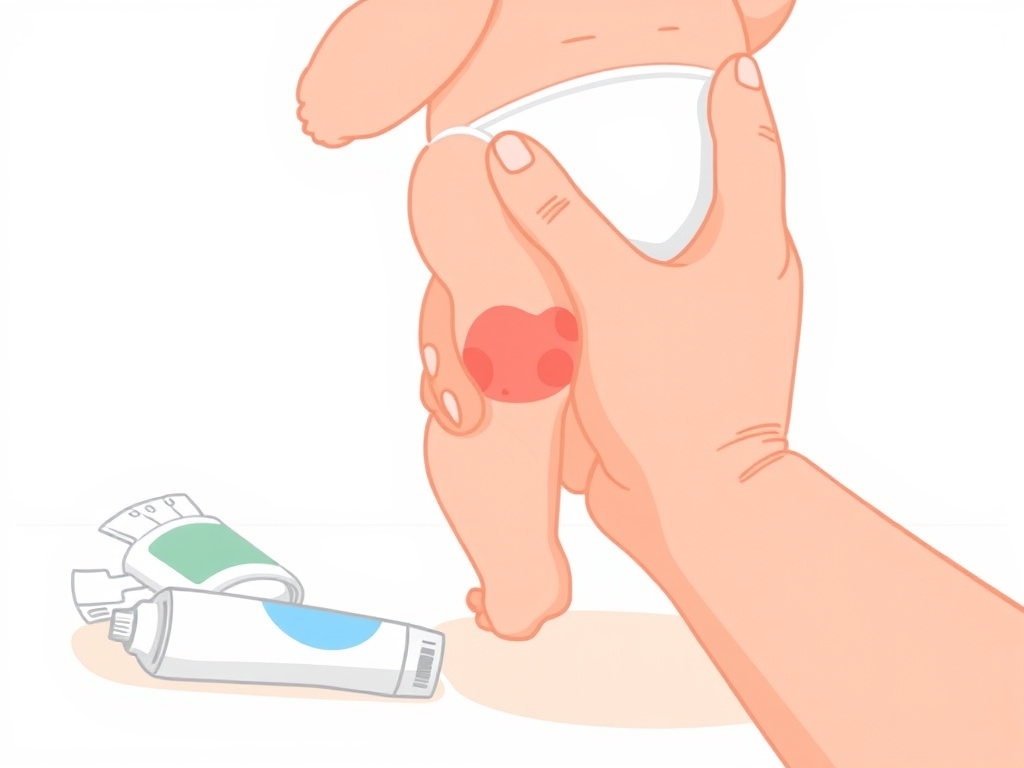 Almost every baby will have a bout of diaper rash. But the data shows clear patterns in who gets it more often and when.
The StatPearls NCBI book on diaper dermatitis states diaper rash occurs in about 50% of infants and accounts for 25% of skin-related visits in the first year. The peak incidence is between 9 and 12 months.
The Mauritius study provided sharper, climate-specific data: * 79.7% of 380 babies had at least one episode. * The highest prevalence was observed in babies aged 7 to 12 months. * Rash was significantly more common in summer (71.6%) than winter (5.6%), linked to high heat and 84% humidity. * Babies aerated for less than 1 hour per day had higher rates of rash. * Early cessation of breastfeeding (before 9 months) was associated with increased prevalence.
Common mistake: Changing diapers only when they’re obviously full. Urine alone, without feces, raises pH and causes maceration. A diaper can be wet enough to cause damage long before it feels heavy.
Key Risk Factors:
- Age (7-12 months): Linked to dietary changes, more active digestion, and increased mobility causing friction.
- Frequency of Stool: Frequent bowel movements or diarrhea drastically increase exposure time to active enzymes.
- Climate/Humidity: High ambient humidity pre-macerates skin, lowering its resistance.
- Inadequate Aeration Time: Skin needs uninterrupted air exposure to dry fully and restore its pH.
- Illness or Antibiotics: These disrupt normal gut and skin flora.
- Tight Diapers: Reduce airflow and increase friction.
How to Treat Diaper Rash: A Step-by-Step Approach
Treatment follows a clear hierarchy: remove irritants, protect skin, then treat infection if present. The Cleveland Clinic diaper rash overview confirms this protocol.
Step 1: Gentle, Thorough Cleansing
Use lukewarm water and a soft cloth or your hand. For messy changes, a fragrance-free, alcohol-free wipe is acceptable. If the rash is severe and painful, use a squirt bottle or peri-bottle to rinse without rubbing. Pat dry gently, never scrub. Let the area air-dry completely for 30-60 seconds before moving on.
Step 2: Apply a Barrier Cream or Ointment
This is non-negotiable. The cream acts as a shield. Use a thick layer of a product containing zinc oxide (like Desitin or Triple Paste) or petroleum jelly (like Vaseline or Aquaphor). “Liberally” means you should not see the skin color underneath. These products are designed to stay on; you don’t need to fully remove them at the next change, just wipe off the soiled top layer.
Step 3: Treat Infection If Present
- For suspected yeast infection: Use an over-the-counter antifungal cream (clotrimazole, miconazole) 2-3 times daily. Apply it first, let it absorb for a minute, then cover with your barrier cream. Treat for 7-10 days, continuing a few days after the rash seems gone.
- For severe, blistering, or bleeding diaper rash that might be bacterial: Stop home treatment and call your pediatrician. You may need a prescription antibiotic ointment like mupirocin.
Step 4: Maximize Air Exposure
Leave the diaper off as much as possible. Lay your baby on a towel or waterproof pad for 10-15 minutes after each change. This “aeration time” is proven effective.
Step 5: Consider a Diaper Change
If you suspect an allergic reaction, try switching to a fragrance-free, hypoallergenic diaper brand. For cloth diapers, ensure you’re using a fragrance-free detergent and rinsing thoroughly.
What most people get wrong: Switching creams constantly. Find one effective barrier cream and stick with it during a rash episode. Changing products repeatedly can further irritate sensitive skin and delay healing.
When to Call the Doctor:
- The rash is severe, bleeds, or has blisters/pustules.
- It doesn’t improve after 2-3 days of diligent home treatment.
- It spreads beyond the diaper area.
- Your baby has a fever.
- You suspect a yeast or bacterial infection and need a definitive diagnosis.
How to Prevent Diaper Rash
Prevention is simpler than treatment. It revolves around keeping the skin’s environment as neutral, dry, and protected as possible.
- Change Diapers Frequently: This is the cornerstone. Change wet or soiled diapers promptly, ideally every 2-3 hours, even at night. Don’t wait for a diaper to be bulging.
- Use a Barrier Cream Preventatively: At every change, especially if your baby is prone to rash, apply a thin layer of barrier cream. It’s easier to keep skin healthy than to heal it.
- Ensure Complete Drying: After washing, pat the area dry and allow a moment for air drying before closing up the fresh diaper.
- Prioritize Diaper-Free Time: Aim for at least 30-60 minutes of uncovered time daily. This is the single best way to reset the skin’s environment.
- Fasten Diapers Loosely: Allow for air circulation. A snug fit around the legs is needed to prevent leaks, but the waist should have room for a finger to slide in.
- Wash Cloth Diapers Carefully: Use hot water and a mild, fragrance-free detergent. Double-rinse to remove all soap residue, which can be an irritant.
- Be Mindful During Dietary Changes: When introducing new foods, do so one at a time and watch for any corresponding increase in skin irritation. This can help you prevent diaper rash linked to specific foods.
- Choose Products Wisely: Stick to fragrance-free, alcohol-free wipes, cleansers, and laundry detergents.
Bottom line: Consistency beats intensity. A simple, gentle routine performed diligently at every change is far more effective than aggressive treatments used sporadically.
Frequently Asked Questions
How long does diaper rash usually last?
Mild to moderate irritant diaper rash typically improves within 3 to 4 days with proper treatment (frequent changes, air time, thick barrier cream). A yeast or bacterial rash may take 7 to 10 days or longer to fully resolve, especially if it takes a few days to identify and start the correct medication.
Can diaper rash cause a fever?
Simple diaper rash does not cause a fever. However, if the rash becomes severely infected (cellulitis), a fever can develop. The presence of a fever with a diaper rash is a red flag to contact your pediatrician immediately, as it suggests a more serious systemic infection.
Is diaper rash painful or itchy for the baby?
Yes, it can be both. The raw, inflamed skin is often painful, especially when urine touches it or when it’s wiped. This diaper rash pain and discomfort is why babies often cry during changes when they have a rash. Yeast rashes can be particularly itchy, adding to the discomfort and fussiness.
Are cloth diapers or disposable diapers better for preventing rash?
High-quality disposable diapers with super-absorbent cores tend to keep skin drier than traditional cloth diapers, which can translate to lower rash rates. However, the most critical factor is not the type but the frequency of change. A frequently changed cloth diaper is better than a super-absorbent disposable left on too long. The best choice is the system that allows you to change the diaper most promptly and consistently.
When should I worry about diaper rash?
Consult your pediatrician if: the rash is severe (bright red, bleeding, blistered); it doesn’t start to improve after 48-72 hours of proper care; it spreads to the abdomen, back, or face; it’s accompanied by a fever; or your baby seems unusually lethargic or irritable. Also, see a doctor to identify yeast diaper rash if you see the telltale satellite lesions.
Can diaper rash make my baby fussy even when the diaper is clean?
Absolutely. The constant discomfort from rash can make a baby irritable, interfere with sleep, and reduce their overall comfort. A fussy baby can be a primary symptom of diaper rash pain, even between changes. Resolving the rash is the only way to relieve this underlying cause of crankiness.
Before You Go
Diaper rash is a near-universal experience, but it’s not a verdict on your care. It’s a skin reaction to a challenging environment. The goal is management. Focus on the fundamentals: change diapers with clockwork regularity, use a thick barrier cream as both prevention and treatment, and carve out air time daily.When a rash appears, identify its type. Is it simple redness or a yeast rash with satellites? Match your response. Keep a tube of antifungal cream on hand for the latter. Remember the data: humidity and age are powerful allies of rash. In summer or humid climates, double down on dryness. At 7-12 months, be extra vigilant. With this approach, you clear up episodes faster and prevent many from starting at all.
