
Can Diaper Rash Make Baby Fussy? The Answer & How to Soothe
This post contains affiliate links. As an Amazon Associate, we learn from qualifying purchases
Yes, diaper rash can absolutely make a baby fussy. The inflammation and skin breakdown cause a burning, stinging pain that worsens with every wet diaper change or touch. A fussy, crying baby is the most direct signal that the rash has moved beyond simple redness into a painful experience requiring immediate intervention.
That pain is the bridge between a visible rash and a distressed baby. The diaper area is sensitive, and when the skin’s protective barrier fails, urine and feces contact nerve endings directly. The result isn’t just discomfort, it’s acute soreness that disrupts sleep, feeding, and mood.
What follows breaks down exactly why the fussiness happens, how to match the level of crying to the rash’s severity, and a timed action plan to soothe your baby fast. We’ll also cover the one sign in the fussiness pattern that means you’re likely dealing with a yeast infection, not a standard irritant rash.
Key Takeaways
- Fussiness peaks during diaper changes and when the diaper is wet, as moisture reactivates the sting on broken skin.
- Moderate diaper rash (visible broken skin or small bumps) causes noticeable pain; severe rash (open sores, bleeding) causes intense, constant distress.
- A rash that improves with cream but the fussiness doesn’t stop may indicate a concurrent yeast infection needing antifungal treatment.
- Global research links longer overnight diaper use and fewer changes directly to higher rash severity and, by extension, more baby distress.
- The fastest path to a less fussy baby is a combination of air time, a thick barrier cream with zinc oxide, and changing diapers at least every 2 hours.
The Direct Link Between Rash and Fussiness
Diaper dermatitis is an inflammatory condition. The skin isn’t just red; it’s chemically irritated, often with a lowered pH and increased water loss that weakens its structure. This isn’t a theoretical irritation. A baby feels it as a persistent burn.
The perianal area shows the highest rash prevalence, followed by the skin folds. These are zones with constant friction and moisture exposure. When a baby fusses during a change, it’s often because wiping inflamed skin feels like scrubbing a scrape.
Where this goes sideways: Assuming fussiness is just “normal baby gas” or tiredness while a rash is present. The rash is the pain source. Ignoring that correlation delays treatment by 24-48 hours, in which time a mild rash can become moderate with broken skin.
How Rash Severity Dictates Fussiness Level
Not all rashes hurt the same. The degree of fussiness is a practical diagnostic tool.
| Rash Severity | Visual Signs | Typical Fussiness Pattern |
|---|---|---|
| Mild | Pink or red skin, no breaks. | Slight irritability, mainly during diaper changes. May sleep normally. |
| Moderate | Red skin with small bumps (papules) or minor skin breaks. | Noticeable crying during changes, possible fussing when diaper is wet, may have brief night wakings. |
| Severe | Bright red skin, open sores, bleeding, possible widespread bumps or pus. | Intense, constant crying or whimpering. Difficult to console, significant sleep disruption, may arch back in pain. |
A study of 1791 babies across three countries classified rash severity using a standardized scale. It found that even moderate or severe rash was relatively infrequent, occurring in just 1.3% of babies in China, 8.7% in the USA, and 14.9% in Germany in the 2-8 month age group. The key insight? In contexts with the lowest rash rates, caregivers changed diapers more frequently and used more prophylactic cream. Less rash means less pain, which means a less fussy baby.
The 5-Step Soothing Protocol for a Fussy Baby
When fussiness signals rash pain, a systematic response works better than guesswork. This protocol targets pain relief and barrier repair simultaneously.
- Clean Gently with Water. Use a soft cloth and lukewarm water. Avoid scented wipes, the alcohol and preservatives sting broken skin. Pat dry; never rub. Skipping this step leaves irritants on the skin, so the cream seals them in and the sting continues.
- Give Air Time. Lay your baby on a towel, diaper-free, for 10-15 minutes. Air exposure reduces moisture, cools the skin, and is an immediate pain reliever. This single step often reduces fussiness noticeably.
- Apply a Heavy-Duty Barrier Cream. Use a fingertip to spread a thick layer of a zinc oxide-based paste (like Desitin Maximum Strength or Aquaphor Baby Healing Ointment) over every pink area. It must be thick enough that you can’t see skin through it. A thin layer washes off with the first wet diaper.
- Use a Super-Absorbent Diaper. Put on a fresh, highly absorbent diaper. The goal is to wick moisture away from the skin instantly. Data from a controlled crossover trial showed super-absorbent diapers significantly reduced skin assessment scores in the pubic area compared to standard ones.
- Set a Timer for 2 Hours. Change the diaper again in two hours, even if it seems only lightly wet. Constant moisture is the enemy of healing.
Follow this cycle for 24 hours. You should see a reduction in both redness and fussiness. If the crying intensifies or the rash spreads, move to the next section.
When Fussiness Signals a Yeast Infection
Sometimes you follow all the steps and the rash improves, but the fussiness doesn’t. Or the fussiness seems disproportionate, extreme crying over a rash that looks only mildly red. This mismatch is your clue to think about yeast.
A Candida (yeast) diaper rash is a fungal infection that thrives in the warm, damp diaper environment. It often appears as a bright red, shiny rash with distinct satellite lesions, small red dots around the main rash borders. It causes intense itching and burning.
Common mistake: Treating a yeast rash with only a standard zinc oxide cream. Antifungal ingredients like clotrimazole or miconazole are required to kill the fungus. Using only a barrier cream on a yeast infection lets it grow, and the fussiness will continue for days.
If you suspect yeast, an over-the-counter antifungal cream like Lotrimin AF (clotrimazole) applied 2-3 times daily for up to 7 days is the standard course. Apply it first, let it absorb for a minute, then layer your barrier cream over it. The fussiness from yeast often improves within 48 hours of starting antifungal treatment. For help telling the difference, our guide on how to identify a yeast diaper rash breaks down the visual signs.
Proactive Habits to Prevent the Pain-Fuss Cycle
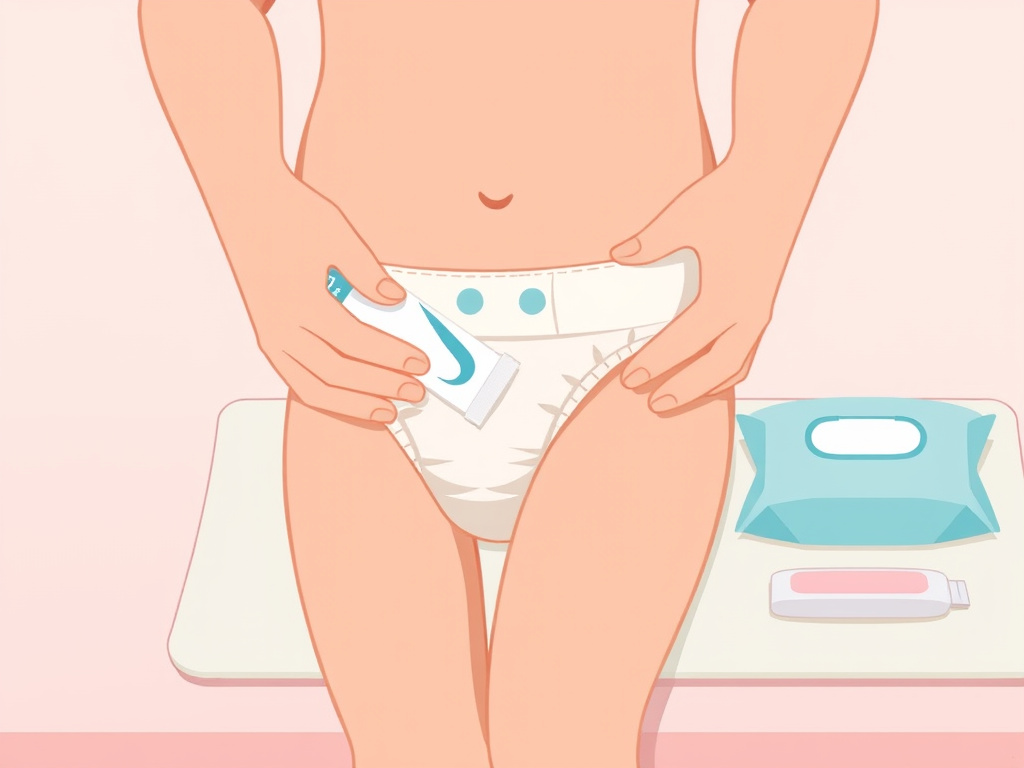 Stopping the next rash is the surest way to avoid future fussiness. The research is clear: caregiver habits are the biggest variable.
- Change Diapers Frequently. The cross-country study found the mean number of daily changes was 6.3 in China, 6.9 in Germany, and 7.9 in the USA. More changes correlate with lower rash severity. Aim for at least 6-8 changes per day.
- Shorten Overnight Wear. Chinese infants spent an average of 6 hours in the same overnight diaper, compared to 7.9 in the USA and 8.5 in Germany. Longer wear time means higher relative humidity (RH) against the skin, a direct cause of diaper rash. Use a highly absorbent overnight diaper and change it if you do a night feeding.
- Use a Barrier Cream Preventively. After every change, apply a thin layer of a simple protectant like petroleum jelly or a light zinc oxide cream. This creates a moisture barrier before irritation starts. It’s easier to prevent inflammation than to soothe it.
- Avoid Talcum Powder. Studies link talc use in the diaper area to a higher incidence of rash. The powder can clump with moisture, trap bacteria, and further irritate skin folds. Stick to creams and ointments.
- Consider Diet Switches. For older babies starting solids, acidic foods like tomatoes or citrus can make urine more irritating. If fussiness and rash appear together after a new food, consider a temporary pause.
Implementing even two of these habits can drastically reduce the frequency of painful rashes. For a full list of options, our review of the best home remedies for diaper rash includes both prevention and treatment.
Frequently Asked Questions
How long after treating diaper rash will my baby be less fussy?
With proper treatment, you should see a noticeable reduction in fussiness within 24 hours. The acute pain from moisture contact subsides quickly once a strong barrier is in place. Complete skin healing and the end of all discomfort may take 2-3 days for a moderate rash.
Can teething cause both diaper rash and fussiness?
Teething can cause loose stools due to excess swallowed saliva, and that acidic stool can irritate the skin and cause a rash. So yes, you can have a teething baby who is fussy from gum pain and from a resulting diaper rash. It’s important to treat the rash directly while managing teething discomfort. Our article on the link between teething and diaper rash explores this connection in detail.
Why is my baby fussier at night with a diaper rash?
Skin often feels itchier and more sensitive at night due to natural circadian rhythms and the lack of daytime distractions. A wet diaper after several hours of sleep also rehydrates the irritated area, causing a fresh sting. Ensure a thick application of barrier cream and a super-absorbent diaper before bed.
Should I give pain medication for diaper rash fussiness?
For a severe, painful rash causing significant distress, a weight-appropriate dose of infant acetaminophen can help manage pain and allow your baby to rest. However, medication treats the symptom, not the rash. It should be used in conjunction with, not as a replacement for, the aggressive topical treatment and frequent changes outlined above. Always consult your pediatrician first.
Does diaper rash itch?
Yes, the inflammation can cause itching, which contributes to fussiness and squirming. A baby can’t scratch, so they express the itch sensation through general irritability and difficulty settling. This is another reason why soothing an itchy diaper rash quickly is important for comfort.
Before You Go
Diaper rash fussiness is a clear distress signal. The crying is directly tied to the sting of inflammation on broken skin. Listen to it.
Act fast with air time, a thick zinc oxide paste, and clockwork diaper changes. Watch for the fussiness that doesn’t fit, the kind that lingers after the rash looks better, as it may point to yeast. And build your daily routine around prevention: more changes, shorter overnight wear, and a dab of barrier cream every time. A comfortable baby is a quieter, happier baby. Your calm response to their pain makes all the difference.
