
Diaper Rash from Teething: How They’re Connected and Why
This post contains affiliate links. As an Amazon Associate, we learn from qualifying purchases
Teething does not directly cause diaper rash. The connection is indirect: increased saliva production during teething can lead to more frequent, acidic stools, which irritate the skin. The primary causes of diaper rash remain prolonged moisture, friction, and irritation from urine and stool.
That’s the short, clinical answer. But if you’re holding a fussy baby with a red bottom and a new tooth coming in, that answer feels incomplete. You’re seeing a pattern, and you’re right to connect the dots, even if the dots aren’t a straight line.
What follows is a breakdown of that indirect link, the science behind why some babies get hit harder, and the specific care habits from a global study that cut diaper rash rates by more than half. We’ll also cover when a simple rash might signal something else entirely.
Key Takeaways
- Teething is an indirect contributor, not a direct cause. The real culprit is the change in stool from swallowed saliva.
- Irritant Diaper Dermatitis (IDD) from wetness causes 41.7% of diaper rashes, but one-third of rashes are conditions merely worsened by the diaper.
- A 2019 study of 300 infants found that rashes appearing with skin lesions elsewhere on the body were a significant indicator of a systemic condition.
- Chinese infants had the lowest diaper rash rates globally, linked to more frequent overnight changes and robust post-stool cleaning routines.
- A yeast (Candida) rash looks different: beefy red with satellite dots, often starting in deep creases, and it needs an antifungal cream, not just barrier cream.
The Teething-to-Rash Connection Explained
Teething prompts a surge in saliva. Babies swallow that extra drool, which enters the digestive tract. This influx can alter the gut’s fluid balance, sometimes leading to looser, more frequent, and more acidic stools.
The gastrointestinal tract’s pH can shift with increased saliva volume, creating stool that is more irritating to delicate perianal skin than normal bowel movements.
That’s the mechanism. The tooth isn’t causing the rash; the changed stool is. It’s a second-order effect. If your baby is teething and has normal stools, you likely won’t see a rash. If they have loose, acidic stools from any cause, a new food, a virus, or teething, the risk for diaper rash spikes.
This is why timing often lines up. A study published in Pediatric Dermatology between 2016 and 2019 classified rashes in the diaper area into three groups. The most common, making up 41.7% of cases, was Irritant Diaper Dermatitis (IDD), the direct result of moisture and friction. Another 33.67% were rashes exacerbated by the diaper environment but not directly caused by it. Teething-related stool changes would fall into this second bucket: an existing skin sensitivity gets lit up by a new irritant.
Where this goes sideways: Assuming it’s “just a teething rash” and delaying a diaper change. Acidic stool acts faster than urine. Leaving a baby in a soiled diaper for even a short period can trigger a noticeable flare-up.
What Actually Causes Diaper Rash? (The Usual Suspects)
To manage a teething-linked rash, you must first handle the universal causes of diaper rash. The diaper environment is a perfect storm for skin trouble.
| Primary Cause | How It Happens | Result on Skin |
|---|---|---|
| Prolonged Moisture | Urine and stool raise skin pH, breaking down protective barriers. | Skin maceration – it looks soggy, wrinkled, and is ultra-sensitive. |
| Friction | Diaper material rubs against softened, wet skin. | Chafing, redness, and small abrasions that invite infection. |
| Chemical Irritants | Residue from detergents, wipes, or even components of the diaper itself. | Allergic contact dermatitis: red, itchy patches matching the diaper’s shape. |
| Infection | Warm, moist, high-pH environment allows yeast (Candida) or bacteria to overgrow. | Yeast rash is bright red with satellite lesions; bacterial impetigo has honey-colored crust. |
The Nemours KidsHealth diaper rash guide notes that introducing new foods, a common parallel to teething age, can change stool frequency and composition, directly impacting rash likelihood. It’s a multifactorial problem. Teething might load the gun, but these other factors pull the trigger.
The goal of diaper rash prevention is to disrupt this cycle. It’s not about finding a single culprit, but managing the diaper environment proactively.
Evidence from a Global Diaper Rash Study
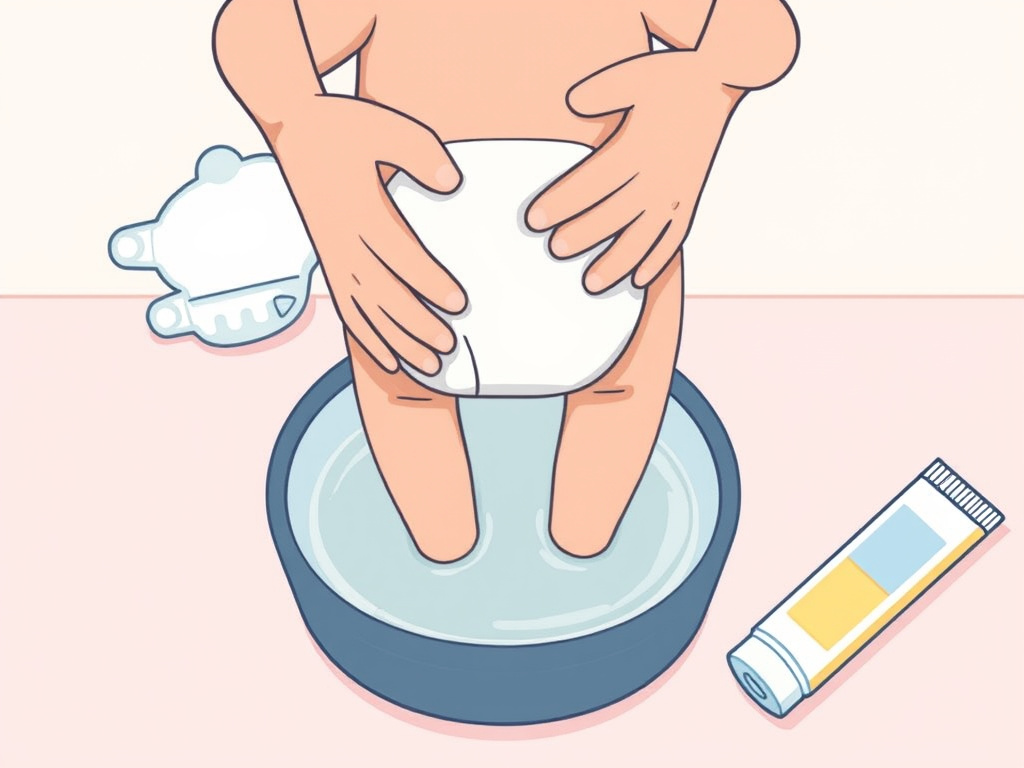
A cross-sectional study published in Pediatric Dermatology compared 1,791 infants across China, the USA, and Germany. The findings are a masterclass in how caregiver behavior directly shapes outcomes.
Chinese infants had the lowest prevalence and severity of diaper rash. The USA was intermediate. Germany had the highest rates. When researchers controlled for age (looking only at babies 2-8 months), the geographical pattern held: severe rash affected 1.3% of babies in China, 8.7% in the USA, and 14.9% in Germany.
The part nobody mentions: It wasn’t about diaper brand or genetics. It came down to three measurable caregiver habits that created a drier, less irritated skin environment.
The study linked the lower rash rates in China to concrete, actionable practices: 1. Shorter Overnight Diaper Time: Chinese infants spent an average of 6 hours in the same overnight diaper, compared to 7.9 in the USA and 8.5 in Germany. 2. Higher Use of Prophylactic Creams: Caregivers in China were most likely to use a protective diaper rash cream at every change as a preventive measure. 3. Robust Post-Stool Cleaning: The common practice involved cleaning the baby’s bottom thoroughly with water in a basin or sink after a bowel movement, not just using wipes.
These habits led to measurable skin differences: lower skin pH, lower transepidermal water loss (TEWL), and decreased relative humidity inside the diaper. The environment was simply less hostile.
TL;DR: Frequency and thoroughness beat everything else. Changing a diaper promptly, especially after a stool, and using a moisture barrier preemptively are the two most powerful moves you can make.
How to Treat and Prevent a Teething-Linked Rash
The treatment protocol doesn’t change because teething is involved. You address the skin’s condition. The prevention strategy, however, gets a slight tweak in vigilance.
Step 1: Clean Gently and Dry Thoroughly
Use warm water and a soft cloth or fragrance-free wipes. Pat dry, don’t rub. Let the area air-dry completely for 30 seconds if you can. This is non-negotiable. Damp skin under cream traps moisture.
Step 2: Apply a Heavy-Duty Barrier Cream
Smear on a thick layer of a zinc oxide or petroleum jelly-based ointment. “Thick” means like cake icing, you should still see a white layer after smoothing it. This creates the physical barrier that stool and moisture can’t penetrate. For a bad diaper rash, a cream with a high percentage of zinc oxide (like 40%) is the first-line defense.
Step 3: Increase Diaper-Free Time
Let your baby kick on a waterproof mat or towel for 10-15 minutes several times a day. Air circulation is healing.
Step 4: Change Diapers Preemptively
During teething bouts, check the diaper every 1-2 hours. Don’t wait for the indicator line. Assume stools may be more frequent and more irritating.
If the rash is bright red, has raised bumps, or satellite dots around the edges, suspect yeast. That requires an over-the-counter antifungal cream (like clotrimazole) applied under your barrier cream. See a pediatrician if it doesn’t improve in 2-3 days.
When a Diaper Rash Isn’t Just a Rash
Most rashes are IDD. But the 2019 PMC systemic diaper rash study offers a critical warning for parents. In their cohort of 300 patients, 24.67% had rashes that were present regardless of diaper use, meaning the diaper wasn’t a factor.
The study found a statistically significant link: the simultaneous presence of skin lesions at other sites (like the scalp, elbows, or behind the ears) was a strong indicator that the diaper rash might be a manifestation of a systemic condition, such as psoriasis, eczema, or even a sign of nutritional deficiency.
Common mistake: Treating every red bottom as a simple moisture rash. A rash that doesn’t respond to 3-4 days of impeccable care, or one that appears with other unexplained skin changes, warrants a pediatrician’s look.
This doesn’t mean panic. It means observation. Is the rash also on the cheeks? Are there dry, scaly patches elsewhere? That context changes the conversation with your doctor from “diaper rash” to “skin condition that happens to be in the diaper area.”
Frequently Asked Questions
How long does a teething-related diaper rash last?
With proper treatment, frequent changes, thorough drying, and a thick barrier cream, most irritant rashes improve within 2 to 3 days. If it persists longer, consider a yeast infection or another cause.
Can I use teething gels on the diaper rash?
Absolutely not. Teething gels are for gums only. Applying them to broken, inflamed skin in the diaper area can cause further irritation or a harmful systemic reaction if absorbed.
Are cloth diapers better during teething?
They can be, if laundered properly. Cloth diapers are often more breathable and free of fragrance, which is good for sensitive skin. However, they require immediate changing after soiling, as they lack the chemical absorbency of disposables to pull moisture away from the skin. The key is keeping skin dry, regardless of diaper type.
Why does my baby seem fussier from the rash than from teething?
diaper rash causes discomfort with every movement, wipe, and urine contact. Teething pain is intermittent. A raw, sore bottom is a constant, localized irritation that can significantly disrupt sleep and mood, making a baby seem fussier overall.
What’s the best cream for this type of rash?
Start with a simple, high-zinc oxide paste (like Desitin Maximum Strength or Boudreaux’s Butt Paste). The protective barrier of zinc oxide is what does the work. Save medicated or specialty creams for specific diagnoses from your doctor.
Before You Go
Teething and diaper rash often travel together, but one doesn’t cause the other. The link is the digestive change that teething can trigger. Your game plan is straightforward: double down on dryness and barrier protection during teething bouts.
Remember the data from the global study. The most effective tactics are mundane, change diapers a little more often, especially at night, and don’t be shy with the diaper cream. Apply it thickly and at every change as a preventive shield. Watch for a rash that looks different or sticks around, as it could be a sign to look beyond the diaper.
When in doubt, your pediatrician is the best resource. They can distinguish a simple irritant rash from something that needs a different approach, giving you and your baby a clearer path back to comfort.
