
The Guide to Potty Training a Stubborn Toddler Successfully
This post contains affiliate links. As an Amazon Associate, we learn from qualifying purchases
To potty train a stubborn toddler, you match three things: a child’s developmental readiness, a method that overrides their resistance, and a commitment to a short, intensive block of time. The most effective approach is an evidence-based, intensive method like the 3-day protocol, which removes diapers, uses a dense schedule of bathroom visits, and relies on immediate, high-value reinforcement for success while implementing consequence-free practice for accidents.
That “stubborn” label often masks a specific barrier, maybe a need for routine, a sensory issue, or a communication gap. The CDC found toileting resistance is nearly six times more common in children with autism spectrum disorder than in typically developing peers. Your job is to engineer an environment where using the potty becomes the easiest, most rewarding path.
What follows breaks the process into four actionable layers. First, we’ll define true readiness beyond age. Next, we’ll walk through the mechanics of the intensive 3-day method. Then, we’ll cover the specialized tools and tweaks that prevent power struggles. Finally, we’ll tackle the scenarios where standard advice collapses and what to do instead.
Key Takeaways
- True readiness hinges on developmental markers, not just age. Look for the ability to stay dry for 1–2 hours, follow a simple direction, and communicate basic needs.
- The intensive 3-day method works by removing the diaper safety net and creating a high-density learning environment with scheduled sits every 15–60 minutes.
- Standard rewards like sticker charts fail for many “stubborn” toddlers because the reward is too delayed or abstract. Shift to an immediate, tangible reinforcer available only for potty success.
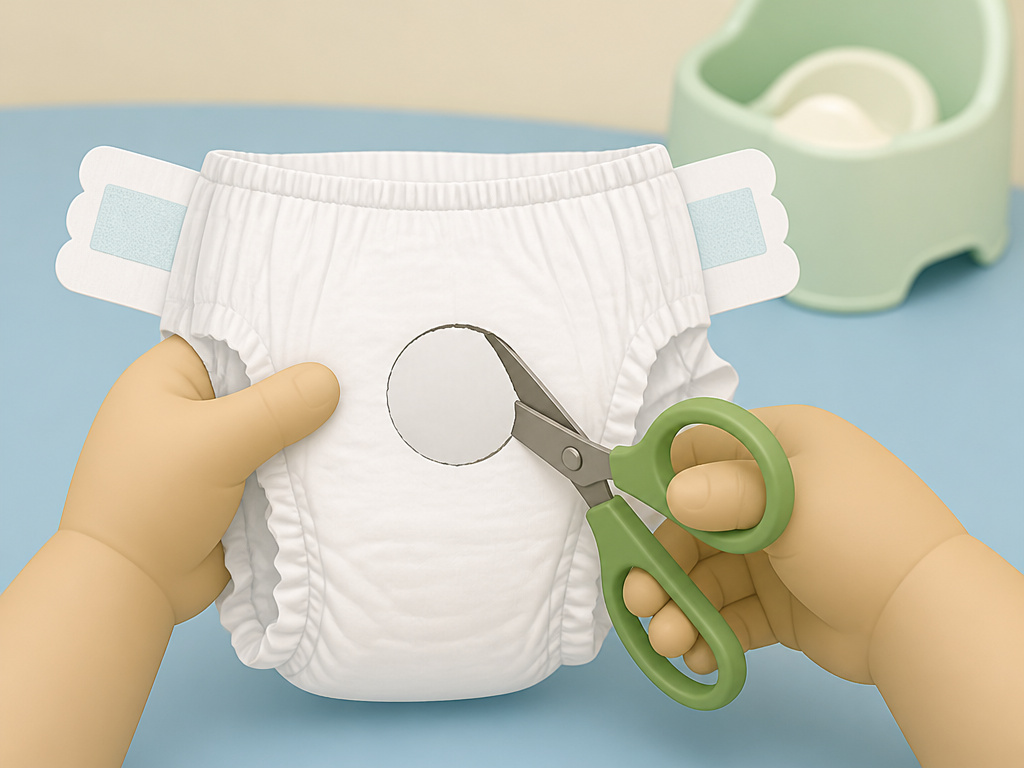
- For a child terrified of the toilet, start by rewarding elimination in the bathroom while clothed. For a child who holds urine, use a stimulus-fading procedure by cutting a 1-inch hole in their diaper.
- Consistency across all caregivers is non-negotiable. One weekend of mixed signals can undo a week of progress.
Readiness Isn’t About Age. It’s About These 4 Signals.
Forget the “most kids are ready by three” line. For a toddler who digs in their heels, you need concrete, observable signs that their body and brain can handle the task. Chronological age is a poor predictor. The Kennedy Krieger Institute guide states readiness is better judged by a developmental age of 18–24 months or a chronological age of 4 years if no medical issues are present.
Check for these four signals before you declare war. Missing one is why many first attempts fail.
- Physical Capacity: Can they stay dry for a solid 1 to 2 hours during the day? This shows bladder maturity. Are bowel movements predictable and formed? Constipation or irregularity makes training nearly impossible.
- Communication & Comprehension: Can they follow a one-step direction like “sit down” or “bring the cup”? Do they have any way to signal need, a word, a sign, grabbing their pants? If not, you’re asking them to solve a puzzle they can’t name.
- Motor Skills: Can they walk to the bathroom reliably and pull simple clothing up and down? Elastic waistbands are mandatory. Zippers, buttons, and overalls become adversaries.
- Your Readiness: This is the most overlooked signal. The intensive methods that work require a 3-day block where you can be home, focused, and mentally prepared for mess. Starting without this commitment sets up a drawn-out battle of attrition.
Where this goes sideways: Starting because of social pressure or a daycare deadline when the child shows 1 or 0 of the signals above. The result is a months-long cycle of frustration, shame, and reinforced resistance that’s harder to break later.
The 3-Day Intensive Method (And When to Skip It)
This is the boot camp approach. It’s not gentle, but for a child stuck in a pattern of refusal, it often provides the rapid, clear feedback loop they need. The core principle is eliminating the diaper’s convenience while massively increasing opportunities for success.
Before you start: Clear your schedule for a long weekend. Gather supplies: a potty chair or seat insert, a footstool, at least 10 pairs of underwear, cleaning supplies, and a high-value reward (think small candies, a special drink, or minutes with a coveted toy).
The Protocol:
- Transition to Underwear. After a final diaper change in the morning, switch to underwear. No Pull-Ups except during naps/night. The immediate physical sensation of wetness is a crucial teacher.
- Implement a Dense Schedule. Set a timer. For day one, take them to the potty every 15 to 30 minutes. Yes, it’s relentless. This frequency, noted in the Behavior Analysis in Practice journal article as a key modification for persistent accidents, prevents them from ever having a full enough bladder to have an accident between scheduled visits. It creates repeated, low-pressure practice.
- The 5-Minute Sit. For each scheduled visit, have them sit for 3-5 minutes. Use a visual timer. Read a book, sing songs, keep it neutral. The goal is sitting compliance, not necessarily producing.
- Immediate, High-Octane Reinforcement. The millisecond urine or stool hits the potty, celebrate. Give the special reward right there in the bathroom. The reward must be exclusive to this act.
- Neutral, Procedural Response to Accidents. No scolding, no drama. Say, “Pee goes in the potty.” Have them help clean up (a natural consequence), then walk them through 3-5 quick “positive practice” sits: guide them to the potty, sit for 3 seconds, get up, repeat. It’s boring, not punitive.
| Day | Sit Interval | Goal | Common Hurdle |
|---|---|---|---|
| 1 | Every 15–30 min | Establish the routine; get 1-2 successful voids in the potty. | Protest, refusal to sit, tantrums during practice. |
| 2 | Every 30–45 min | Increase self-initiation; child starts recognizing the urge. | Testing boundaries; more accidents as interval stretches. |
| 3 | Every 45–60 min | Solidify independence; child begins to self-initiate most trips. | Over-confidence leading to missed cues. |
This method is a sledgehammer. It’s not for the faint of heart or for children with high anxiety or sensory aversions to the toilet itself. If the mere sight of the bathroom triggers panic, you need a different, slower ramp-up.
Equipment That Actually Cuts the Fight
The right gear removes physical barriers. The wrong gear creates them.
Potty Chair vs. Toilet Insert: This choice is about control and posture. A standalone potty chair is often superior for the stubborn trainee. It’s less intimidating, they can get on/off independently, and it allows for the optimal posture: feet flat, knees higher than hips. This position relaxes the pelvic floor for complete emptying. The best potty chairs are simple, stable, and easy to clean.
If you use the big toilet, a potty seat is non-negotiable. Fear of falling is real. Pair it with a sturdy footstool tall enough that their knees break above their hips. Never let their feet dangle.
Clothing: This is tactical. For the intensive 3-day block, let them go bottomless at home. No barriers. When you must go out or need clothes, use loose-fitting pants with an elastic waist. Avoid overalls, belts, and complicated snaps.
Visual Schedules: A stubborn child often thrives on predictability. A simple picture strip (pants down -> sit on potty -> pee/poop -> wipe -> flush -> wash hands -> reward) removes the verbal nagging. They can see what’s next. You can make a potty training chart that integrates this schedule with reward tracking.
When Sticker Charts and M&Ms Don’t Work
Here’s the quiet part most guides won’t say: standard reward systems fail about a third of the time. Your child might be indifferent to stickers. They might not connect a later treat with an act that happened 10 minutes ago. The CDC report on toileting resistance links resistance to factors like low social motivation, the very drive to “please” that makes sticker charts effective.
If you’ve tried charts and candy with no progress, your reinforcement system is broken. Fix it with these rules.
- Immediacy is Everything. The reward must be delivered within 2 seconds of the successful void. Not after wiping, not after flushing. This tight pairing is what builds the neural connection.
- Exclusivity is Key. The reward must be a “potty-only” item. If they get fruit snacks at snack time, fruit snacks are a worthless potty reward. Find something they love but never get otherwise.
- Think Outside the Chart. For a child obsessed with trains, the reward is 90 seconds of watching a specific train video on your phone, right there on the bathroom floor. For a child motivated by control, the reward is pressing the flush button. Match the reward to the child’s obsessions, not to what worked for their cousin.
The part nobody mentions: The most powerful reward is often escape from the boring potty sit. A successful void means they get to leave the bathroom immediately and return to play. For some kids, that’s motivation enough, make sure you honor it.
Advanced Tweaks for Specific Standoffs
Sometimes, the standard intensive method hits a wall. These are specialized procedures drawn from clinical research. Pick the one that matches your child’s specific blockade.
For the Child Who Holds It Forever (Excessive Urine Retention):
They dance, cross their legs, and hold for hours, only to have an accident the moment you’re not looking. This pattern can persist even with rewards. The solution is stimulus fading.
- Let them wear a diaper, but cut a 1-inch hole in the front.
- Have them sit on the potty while wearing the modified diaper. The hole aligns over the potty.
- The sensation of peeing is similar (diaper against skin), but the result is different (urine goes through the hole into the potty).
- After a week of success with the hole, gradually make the hole larger until the diaper is essentially just a waistband, then remove it.
For the Child Paralyzed by Fear (Toilet Anxiety):
If they scream at the sight of the toilet, you cannot force sits. You must rebuild the association from zero. The goal is not “pee in potty.” The first goal is “have a bowel movement in the bathroom.”
- Reward them for simply entering the bathroom while clothed.
- Then, reward them for having a bowel movement in their pull-up while standing in the bathroom.
- Gradually shape the behavior closer to the toilet over days or weeks. This removes the performance pressure entirely.
For the Child Who Just Doesn’t Care (Low Social Motivation):
This is where you get creative and slightly absurd. One case study in the Maine AAP guide involved a boy who only wanted to pee on a bush outside like his brother. The parents put a potted plant next to the toilet. He peed on the plant. They gradually moved the plant, then replaced it with the potty. Find the bizarre hook that matters to them.
Navigating the Most Common Pitfalls
You will face these. Knowing the script in advance keeps you from reacting emotionally.
Pitfall 1: Regressing after a successful start.
This is almost always caused by inconsistency. A grandparent puts them in a pull-up for convenience. You get busy and skip scheduled sits. The solution is not to blame the child. Recommit to the protocol for 48 hours. Often, they snap back quickly.
Pitfall 2: Poop refusal (withholding).
This is frequently medical. Hard stools hurt, so they avoid the sensation. Before addressing behavior, rule out constipation with a pediatrician. Ensure a diet high in “P” fruits (prunes, pears, peaches) and water. For the behavioral component, try the “Sneaky Poop” externalization game: draw a villain called Sneaky Poop on a chart. Frame it as the child and the parent teaming up to “beat Sneaky Poop into the potty.”
Pitfall 3: Power struggles over sitting.
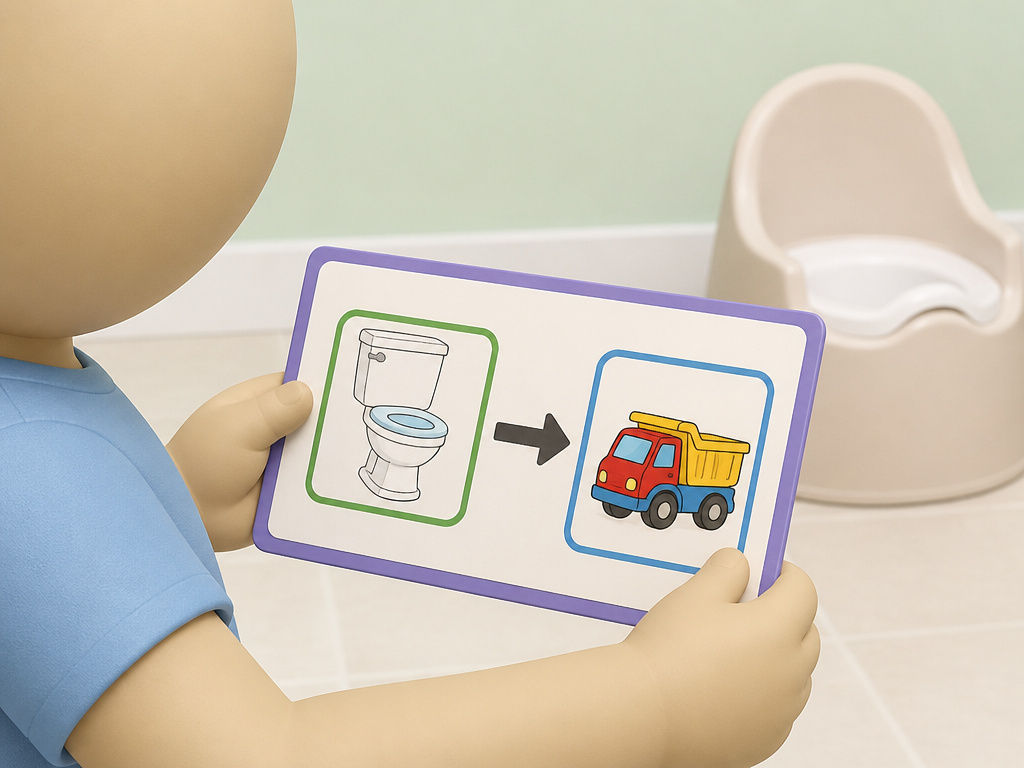
You say “potty time,” they say “NO!” and run. This is where the first-then visual is vital. Show a card: “First potty (picture of toilet), then play (picture of toy).” Make it a non-negotiable, calm directive, not a question. If they refuse, calmly guide them through the positive practice routine. The message: refusing just leads to more boring bathroom trips.
If you want to potty train quickly, this intensive framework is the most reliable path. If your child’s resistance is rooted in deep anxiety or a diagnosed delay, a slower, foundational potty training approach guided by the Kennedy Krieger Institute toilet training guide may be a better fit. The key is diagnosing the “why” behind the no.
Frequently Asked Questions
My toddler will pee on the potty but absolutely refuses to poop. What now?
This is the most common split. First, ensure they are not constipated, hard stools make passing painful, so they withhold. If it’s behavioral, it’s often about control and the vulnerability of the act. Try moving the potty to a more private corner. Use the “Sneaky Poop” externalization tactic to remove shame. For some, a strategies for pooping on the potty involves letting them watch a favorite video only while they sit and try to poop, creating a positive, distracting association.
How often should I actually take my toddler to the potty during training?
For the first 1-2 days of an intensive method, every 15-30 minutes. This prevents accidents and creates repetition. As they succeed, gradually stretch the interval to 45, then 60, then 90 minutes. Let their success and dryness data guide you. A generic potty schedule is less useful than one tailored to your child’s unique pattern.
Are Pull-Ups helpful or a hindrance for a stubborn toddler?
For daytime training, they are usually a hindrance. They feel too much like a diaper, absorb wetness completely, and remove the natural consequence of feeling uncomfortable. Use them only for naps, nighttime, and unavoidable car trips where an accident would be a true disaster. If you do use them, have a clear plan for transitioning from Pull-Ups back to underwear as soon as possible.
What if my child is physically ready but just doesn’t seem to care about rewards?
You haven’t found the right reward yet. For a child with low social motivation, the reward must be intensely personal and immediate. It might be access to a sensory activity (playing with water), a special object they carry, or simply immediate escape back to their preferred activity. Drop the sticker chart. Find the one thing that makes their eyes light up and make it contingent on potty success.
Should I use a potty chair or a seat on the big toilet?
Start with a standalone potty chair for most stubborn toddlers. The independence and security it offers are worth the later transition. They can get on and off by themselves, which builds ownership. Place it in the main living area initially for easy access. You can later move it to the bathroom, then transition to a toddler toilet seat on the big toilet with a step stool.
The Bottom Line
Potty training a stubborn toddler is a structured skill-teaching operation. The win comes from swapping frustration for forensic observation: Is this a can’t issue or a won’t issue?Your tools are a ruthless schedule, impeccable timing on rewards, and the grit to stay consistent through the mess.
Pick a method, the intensive 3-day potty training block or a slower scheduled approach, and see it through for a full week before you judge it. Name the real reward. Cut the hole in the diaper if you need to. The goal is a child who learned they can master a hard thing, even when they didn’t want to.
