
Newborn Diaper Size Guide: Cord-Cutout Details & P1-P3 Specs
This post contains affiliate links. As an Amazon Associate, we learn from qualifying purchases
The correct diaper size for a newborn is based on weight, not age. Most full-term newborns start in size N (Newborn), designed for babies up to 10 pounds. For babies under 6 pounds, preemie sizes (Pampers P1, P2, P3) provide a necessary, snug fit. A proper fit seals at the legs and waist without leaving red marks, and diapers like Huggies Little Snugglers Newborn include a front cutout to protect the healing umbilical cord.
That weight-first rule is the only one that holds across every brand. The number on the box is a suggestion, but the red lines on your baby’s skin or the leak down their back are the final answer.
What follows is the breakdown you won’t get from the box: the official preemie size specs hospitals use, why that cord cutout is non-negotiable for the first few weeks, and the simple three-point check that tells you a diaper is wrong before you ever fasten a tab. We’ll also name the specific models that get these details right.
Key Takeaways
- Newborn (Size N) diapers fit babies up to 10 pounds, but most babies move to Size 1 within 2–4 weeks. Have a small pack of Size 1 ready from day one.
- Preemie sizing is granular. Pampers Professional lists three preemie sizes: P3 (<1.8 lbs), P2 (<4 lbs), and P1 (<6 lbs). A generic “preemie” label isn’t specific enough.
- The umbilical cord cutout on diapers like Huggies Little Snugglers Newborn is a functional design, not a marketing feature. It protects the sensitive stump from friction and moisture.
- Brands do not agree on weight ranges for the same numbered size. A baby who is 12 pounds might be in Size 2 for one brand but still in Size 1 for another, always check the specific brand’s chart.
- A diaper is too small if it leaves deep red marks on the thighs or waist. It is too big if you can fit more than two fingers sideways under the waistband after fastening.
The Newborn (N) vs. Preemie Split
The first decision isn’t between brands. It’s between two categories that state programs like Tennessee’s TennCare list separately: “Newborn” and “Preemie-Newborn.” Getting this wrong means leaks, discomfort, and wasted diapers.
According to Pampers Professional hospital guides, their preemie line includes three precise sizes: P3 for infants under 1.8 lbs, P2 for those under 4 lbs, and P1 for babies under 6 lbs. These are not just smaller Newborn diapers; they are proportioned for very low birth weight.
For full-term newborns (6–10 lbs), start with Size N.
This is the default. A Pampers Swaddlers size N diaper is rated for babies under 10 pounds (under 4.5 kg). A Huggies Little Snugglers Newborn holds the same upper limit. This size typically lasts 2 to 4 weeks, but a larger baby may need Size 1 immediately.
The key feature here is the umbilical cord notch. That cutout on the front waistband of the Huggies Little Snugglers Newborn and the contoured front on Pampers Swaddlers serves a clear purpose. It keeps the diaper’s edge and any moisture away from the healing stump, which can take up to three weeks to fall off. Rubbing against a straight diaper edge invites irritation.
For preemies or small babies (under 6 lbs), you need preemie sizes.
If your baby is under six pounds, a standard Newborn diaper will gap at the legs. That gap is a direct channel for leaks. This is where the professional sizing matters.
| Pampers Preemie Size | Weight Limit | Diapers per Case (Professional) |
|---|---|---|
| P3 | < 1.8 lbs (<800g) | 256 |
| P2 | < 4 lbs (<1800g) | 256 |
| P1 | < 6 lbs (<2700g) | 240 |
These sizes exist because fit at this scale is about containment and skin protection, not just absorption. The Tennessee diaper benefit FAQ lists them as a distinct category for a reason, they are medically relevant supplies.
Where this goes sideways: Using a Size N diaper on a 5-pound baby. The leg cuffs won’t seal, and you’ll have a leak with every other wet diaper. The fix is a P1 preemie size, which has a narrower crotch width and smaller overall circumference.
If you’re unsure, buy one small package of newborn and one of preemie (P1). The hospital will usually start with the correct professional size, and you can match what they use.
How Brand Sizing Throws a Wrench in Your Plans
You cannot trust that a “Size 2” is a Size 2. The European Chemicals Agency notes that diaper fit guides “may vary from one brand to another.” This isn’t a minor discrepancy, it changes which box you should buy.
A quick comparison shows the problem. A baby at 12 pounds is at the heart of a sizing overlap.
| Brand | Size 1 Weight Range | Size 2 Weight Range |
|---|---|---|
| Pampers | 8–14 lbs | 12–18 lbs |
| Seventh Generation | 8–14 lbs | 12–18 lbs |
| European Example (per ECHA) | 2–5 kg (4.4–11 lbs) | 3–6 kg (6.6–13.2 lbs) |
Notice the shift? A 12-pound baby is at the top of Pampers Size 1 but the very bottom of their Size 2. That same baby might be squarely in Size 2 for a European brand with a 6.6–13.2 pound range. This is why understanding how diaper sizes work across labels is your only defense against buying the wrong box.
The takeaway is simple: Always check the weight range on the brand’s own chart, not your memory from another brand. Your baby’s weight is the constant; the size number is the variable.
The 3-Step Fit Check (Red Marks, Gaps, and the Two-Finger Rule)
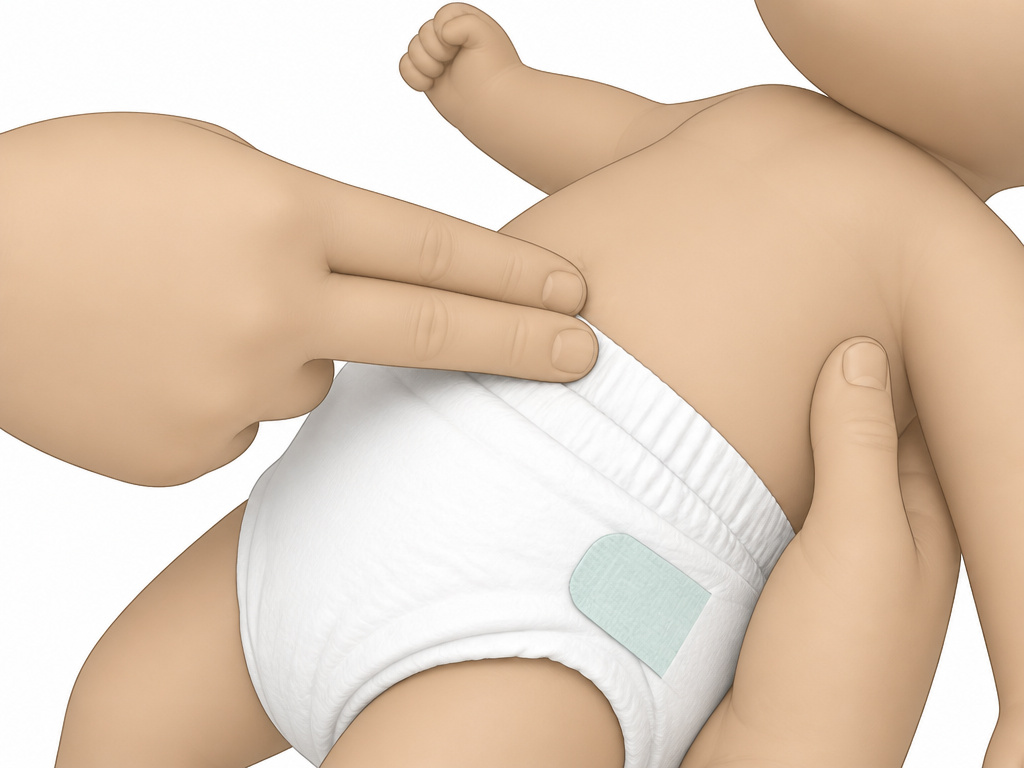
Weight charts get you in the ballpark. The physical fit tells you if you’re in the right seat. A proper fit prevents the majority of diaper blowouts and skin irritation.
Here’s what to look for during and after a change:
- The Leg Cuff Seal. After fastening, run a finger under the elastic around the leg. It should be snug against the skin with no gaps. A visible gap means the diaper is too large and will leak. The elastic should not be digging into the thigh.
- The Waistband Test. Fasten the tabs so the waistband is smooth. You should be able to slip two fingers sideways between the waistband and your baby’s belly. One finger means it’s too tight. Three fingers means it’s too loose. This is the core of ensuring a good diaper fit.
- The Post-Wear Inspection. When you remove the diaper, check for deep red lines on the thighs, hips, or waist. Light pink indentations that fade in a minute are normal from elastic. Deep, angry red marks that linger are the clearest sign the diaper is too small. This is a primary indicator a diaper no longer fits.
Common mistake: Fastening the waist too loosely to avoid red marks. A loose waistband shifts, causing friction on the skin and guaranteeing a back-leak blowout. Snug is secure; tight is painful.
If you pass these three checks, the diaper fits. If you fail one, size up or down accordingly. This check takes ten seconds and saves you from a mountain of laundry.
What to Buy: Specific Diapers That Get Newborn Fit Right
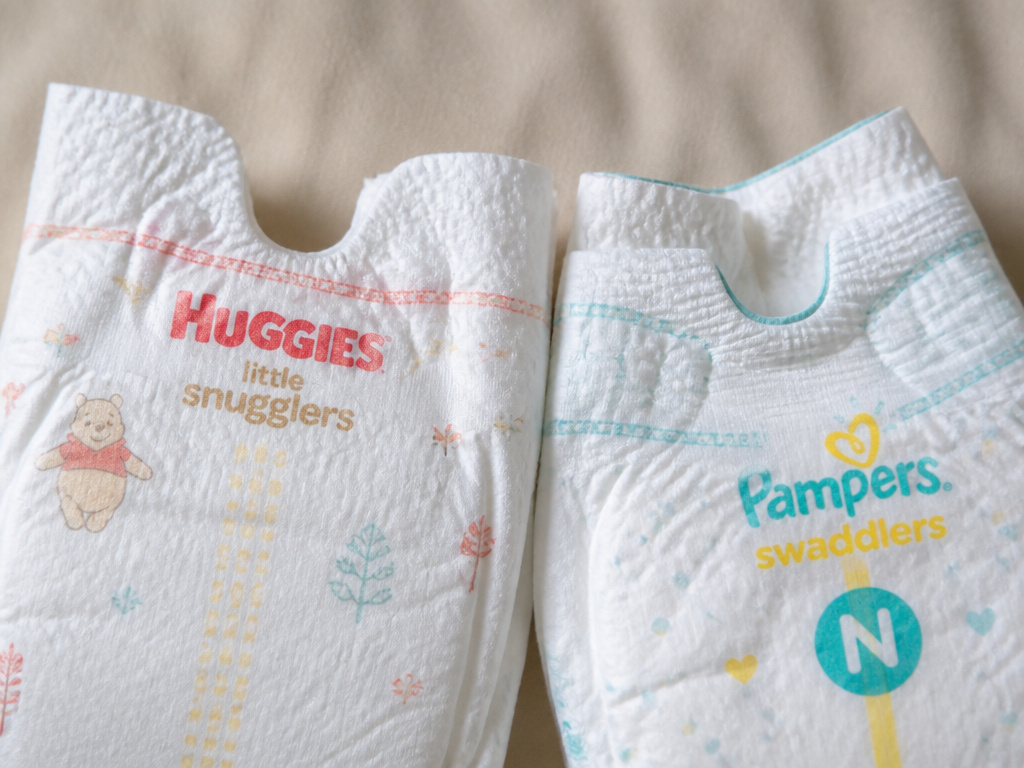
With the rules established, here are the specific products that execute them well. These are the models where the design details match the promises.
For the first few weeks: Huggies Little Snugglers Newborn.
The umbilical cord cutout is the standout feature. It’s a dedicated space that keeps the diaper material off the stump. The liner is soft, and the wetness indicator is a clear line that turns blue, no guesswork for new parents. This is a top contender when you’re looking for the best size 1 diapers to transition into as well.
For sensitive skin or if you prefer a different cut: Pampers Swaddlers Size N.
The Absorb Away Liner is designed to pull moisture into the core. The full waistband is contoured rather than notched, which some parents find provides a more secure fit around the belly. Clinical studies cited by Pampers show their system can help maintain healthier skin pH. If rash is a concern, these or dedicated diapers for sensitive skin are the move.
For a natural materials focus: Seventh Generation Newborn Free & Clear.
These are a reliable choice if you want a diaper processed without chlorine bleaching and free of lotions or fragrances. Their fit is straightforward and true to their size chart. They are a leading option if you’re comparing recommended organic diaper brands.
For overnight during the newborn phase: Don’t overthink it.
Newborns wake to feed so often that “overnight” is a meaningless stretch. A highly absorbent daytime diaper changed frequently is sufficient. Save the specialized newborn overnight diapers for when your baby starts sleeping longer stretches after the first month or two.
Your default pick for a standard full-term newborn should be the Huggies Little Snugglers Newborn or Pampers Swaddlers N. Have a small pack of Size 1 in the same brand ready to go. You will need it sooner than you think.
Stocking Up Without Wasting Money
Newborns use 8–12 diapers a day. That math is terrifying when you’re staring at a warehouse club box. The trick is to buy for the first two weeks, not the first two months.
- Start with 2–3 packs of Newborn (N) size. This is roughly 140-200 diapers. It’s enough to get through the initial period without committing to a colossal box they may outgrow in three weeks.
- Buy 1 pack of Size 1 immediately. Have it on the shelf. When the newborn size starts to get snug, you can switch without a panic run to the store. This makes the most common diaper size transition seamless.
- For preemies, follow the hospital’s lead. Buy the size they are using (P1, P2, etc.) in small quantities. Preemie growth can be rapid and unpredictable; a large stockpile of P1 diapers becomes useless if they size up in a week.
The part nobody mentions: Gifting. If friends ask what you need, tell them Size 1 or 2 diapers, or gift cards. You will be inundated with Newborn size. The larger sizes are what you’ll truly need in bulk later on.
Resist the bulk-buy urge for the smallest sizes. Flexibility is cheaper than a closet full of outgrown diapers.
Frequently Asked Questions
Can a newborn wear Size 1 diapers?
Yes, and some should. If your baby is born weighing over 8 pounds, they are already at the minimum weight for most brands’ Size 1. A larger newborn will be more comfortable and leak-free in Size 1 from the start. The “Newborn” label is a guideline, not a mandate.
How long do babies wear newborn diapers?
Most wear them for 2–4 weeks. It’s a very short stage. Babies grow quickly, and the move to Size 1 often happens before the first-month milestone. This is why you shouldn’t stock a huge inventory of the smallest size.
What is the difference between newborn and preemie diapers?
Preemie diapers are designed for lower birth weights (under 6 lbs) with smaller overall dimensions, narrower crotch, smaller circumference. Newborn diapers (Size N) are for babies 6–10 lbs. A preemie diaper on a 9-pound baby will be too small; a newborn diaper on a 5-pound baby will be too big and leak.
How do I know if the diaper is the wrong size?
Check for the three failure signs: persistent leaks (especially up the back), deep red marks on the skin after removal, and an inability to get a snug seal at the legs without gaps. These are the direct signals to size up or down, and they are more reliable than the weight chart alone for preventing diaper leaks.
Are expensive diapers better for newborns?
Not necessarily “better,” but different. Premium lines like Pampers Swaddlers and Huggies Little Snugglers invest in features like cord cutouts, wetness indicators, and liners designed to pull moisture away. For a newborn’s sensitive and frequently changed skin, these features can be worth it. Once your baby is older and less sensitive, you can confidently experiment with other brands.
Before You Go
Newborn diaper sizing boils down to three anchors: weight, fit, and feature. Start with your baby’s weight to choose between preemie (P1/P2/P3) or newborn (N). Use the two-finger waistband test and a leg-cuff check to confirm the fit. And don’t ignore design details, the umbilical cord cutout on a Huggies Little Snugglers Newborn is there for a real, functional reason.
Buy small packs at first. Have the next size ready. And remember that the number on the box is a suggestion, but your baby’s skin and your laundry pile are the final judges.
