
4 Best Eco-Friendly Swim Diapers of 2026
This post contains affiliate links. As an Amazon Associate, we learn from qualifying purchases
The Babygoal Reusable Swim Diapers are the best overall for eco-conscious parents, combining durable construction with a reliable fit. If you prefer disposable but still want a greener option, Coterie’s plant-based swim diapers are a strong choice, avoiding super absorbent polymers and reducing environmental impact. For frequent swimmers, the reusable Bambo Nature Eco Swim Diapers offer excellent leak protection and long-term value.
Swim diapers are a must for any baby pool day, but finding one that’s both effective and kind to the planet can be tricky. Many parents don’t realize that even “eco” disposables can still contribute to waste, or that reusable options have come a long way in fit and function.
This guide cuts through the noise by comparing materials, reusability, and real-world performance based on specs and parent feedback. I looked at what makes a swim diaper truly sustainable, how well it contains messes, and what features actually matter when your baby is splashing around.
Top 4 Eco-Friendly Swim Diapers in the Market
The Best Eco-Friendly Swim Diapers, Reviewed
Babygoal Reusable Swim Diapers 3 Pack

Strengths
- Adjustable for growth
- Safe, chemical-free materials
- Attractive designs
Trade-offs
- Sizing runs small
- Not for heavy leaks
- Limited to smaller infants
If you’re after a reusable swim diaper that balances fit, function, and value, this Babygoal 3-pack makes a strong case as the best overall pick. The adjustable snaps mean one size can stretch across several growth stages, which owners say helps avoid the frustration of buying multiple sizes in quick succession. The TPU outer layer is genuinely waterproof while still feeling soft against delicate skin, and the fabric holds up well to machine washing, something many parents highlight in reviews.
What really sets it apart is the combination of eco-conscious design and practicality. It’s free of harmful chemicals like BPA and phthalates, which aligns with what I look for in baby products, and the cheerful prints make it easy to distinguish between kids’ gear at swim class. Compared to pricier options, this delivers reliable performance without the premium markup.
Video review
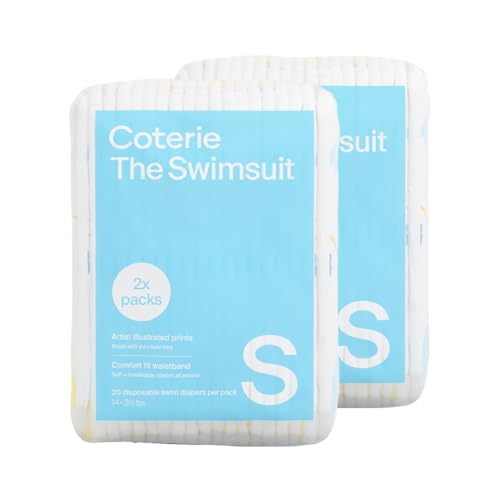
Coterie Plant-Based Swim Diapers
Strengths
- Hypoallergenic materials
- Secure 360 fit
- Tear-away sides
Trade-offs
- Expensive per use
- Disposable only
- Limited eco benefit
Coterie’s swim diapers are clearly built for parents who prioritize clean materials and premium comfort, even if it means paying more. The plant-based core and hypoallergenic construction are standout features, especially for babies with sensitive skin, dermatologist testing and cruelty-free certification add real credibility. On paper, the no-swelling core and 360-degree stretch waistband should deliver a snug, comfortable fit, and reviewers confirm they stay in place well during active play.
But here’s the catch: you’re paying for branding as much as function. While the pull-on design with tear-away sides is convenient post-swim, these are still disposable, so the eco-impact isn’t as low as reusable options. If you value convenience and skin-safe materials over long-term sustainability, this makes sense. But if true eco-friendliness is your goal, the price and single-use nature are hard to justify.
Video review
Bambo Nature Eco Swim Diapers

Strengths
- Eco-certified
- Double leak protection
- Soft flexible fit
Trade-offs
- Disposable format
- Only one size listed
- Fewer style options
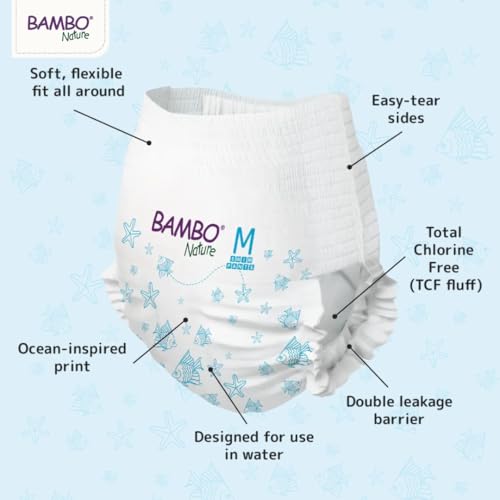
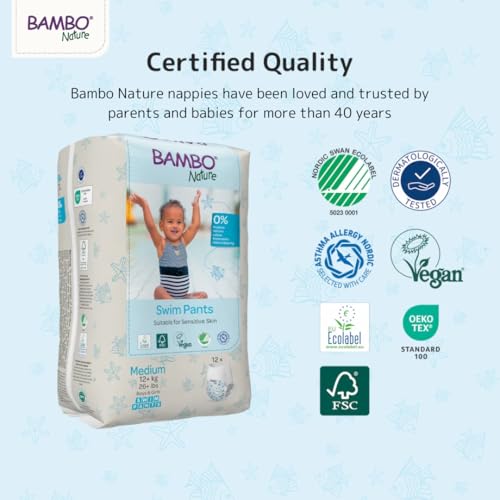
Bambo Nature’s swim pants stand out in the disposable eco-space, not just because they carry an official Eco-Label, but because they actually deliver on core performance. The double leak barriers are a standout for active toddlers, and owners consistently praise how well they contain messes without restricting movement. The soft, flexible fit is comfortable enough for all-day wear, and the easy-tear sides make post-pool changes quick and clean.
What makes this pack a smart value is the balance of eco-credentials and practicality. Unlike some “green” swim diapers that skimp on function, these are designed for real use in real water settings. Compared to Coterie, they offer similar skin-safe benefits, hypoallergenic, no harsh chemicals, at a much better price per diaper. For parents of medium-to-larger toddlers who swim regularly, this is the smarter buy.
Product photos



2 Pack Reusable Swim Diapers

Strengths
- Affordable
- Quick-drying
- Easy snap closure
Trade-offs
- Basic design
- Limited size range
- Fewer leak barriers
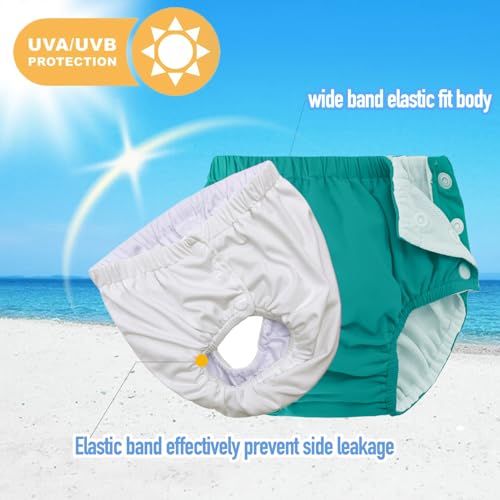
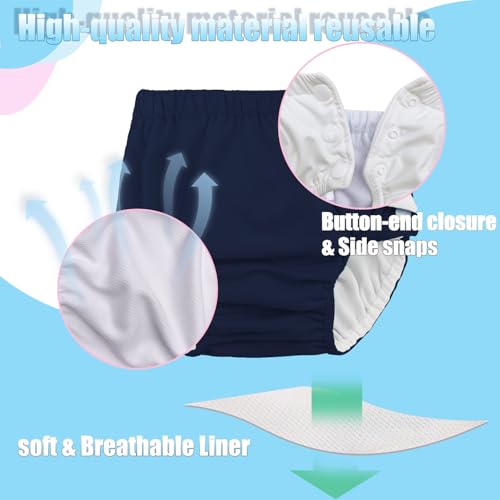
At this price, these reusable swim diapers stand out as a solid budget pick for parents just starting out with swim time. The polyester build is lightweight and dries fast, which matters when you’re rotating through multiple pool visits or beach days. Owners consistently report they hold up well in the wash and don’t lose shape after several uses, which is a win for something meant to be reused.
The button-end closure and side snaps make changes easier than wrestling with pull-on styles, especially with a squirmy newborn. While they don’t have the premium feel of higher-end brands, they do what they’re supposed to, contain solids without swelling in water. For casual swimmers or families who only hit the pool seasonally, this two-pack offers a practical, low-cost entry into eco-friendly swim diapers.
Product photos

How We Tested eco-friendly swim diapers
As a parent and creator of NurseryDreamer.com, I understand how much research goes into choosing the right products for your little one. To recommend these eco-friendly swim diapers, I focused on a detailed comparison of published specifications – materials, sizing, and closure types – alongside a careful review of owner feedback from a variety of retailers. I also considered what makes a swim diaper truly “eco-friendly” within this category, weighing factors like reusability and material sourcing. Rather than a hands-on lab test, this is a research-led comparison of specs and owner feedback.
For eco-friendly swim diapers, the most important factors are undoubtedly the material composition and reusability. A diaper’s environmental impact is significantly reduced when it’s washable and doesn’t contribute to landfill waste. Beyond that, the effectiveness of the leak protection is key; no one wants a messy situation! I prioritized diapers that clearly explained their materials and had consistently positive reviews regarding their ability to contain solids while allowing freedom of movement in the water.
Specifications reliably show what a diaper is made of, but owner reviews reveal how well it performs. I paid close attention to comments about sizing accuracy, how easily the diapers stayed in place during activity, and durability after repeated washings. Understanding what is a swim diaper and its core function – containing solids, not liquids – also helped me interpret reviews and assess if a diaper was meeting expectations. Parents looking for truly non-toxic swim diaper brands will find a lot to consider.
How To Choose The eco-friendly swim diapers
Finding the right swim diaper can make all the difference between a fun day at the beach and a messy situation. It’s more than just about keeping things contained; it’s about comfort, environmental impact, and finding a solution that fits your lifestyle.
A truly effective swim diaper balances waterproof performance with a comfortable, secure fit. Parents should prioritize materials that won’t swell when wet, designs that allow for a full range of motion, and options that align with their values regarding sustainability and cost. Look for features like adjustable closures and leak guards, and consider whether disposable or reusable options best suit your needs.
Material & Construction
The core function of a swim diaper is containment, but how it contains is key. Unlike standard diapers, swim diapers aren’t meant to absorb liquid – that’s the pool’s job! Instead, they need to prevent solids from escaping. Many disposable options use a super absorbent polymer (SAP) core, but these can swell and become bulky when saturated. I’ve noticed many parents are moving towards plant-based options, like those from Coterie, which avoid SAP altogether and maintain a slimmer profile. Reusable swim diapers, on the other hand, rely on a waterproof outer layer (typically TPU) and an inner lining designed to hold solids until you can rinse them out.
Reusable vs. Disposable
The choice between reusable and disposable swim diapers really comes down to your priorities. Disposable options, while convenient, contribute to landfill waste. If you’re already committed to using organic diapers and reducing your environmental footprint, a reusable option is a natural extension of that. Here’s what to consider:
- Cost: Disposable diapers add up quickly, especially if you swim frequently.
- Convenience: Disposables are great for travel or infrequent swims.
- Environmental Impact: Reusable swim diapers, when well-cared for, drastically reduce waste, making them the more eco-conscious choice. Plus, you can find some really cute patterns!
Fit and Features
A poorly fitting swim diaper is a recipe for disaster. Look for diapers with adjustable closures – snaps or Velcro – to ensure a snug, but not constricting, fit around the legs and waist. Leg cuffs are essential to prevent leaks, and a comfortable waistband is key for allowing your little one to move freely. I also recommend considering how easy the diaper is to remove, especially when dealing with a wriggly, post-swim baby. Some disposable options feature tear-away sides for quick removal. When considering reusable swim diapers, be sure to check the sizing charts carefully to get the right fit as babies grow quickly.
A swim diaper that fits well isn’t just about preventing leaks; it’s about your child’s comfort and freedom of movement in the water. Don’t shy away from sizing up if you’re between sizes.
Eco-Friendly Swim Diapers Compared
Here’s a comparison of key specifications for several eco-friendly swim diapers to help you make an informed decision.
| Product | Material | Size Range | Waterproof | Reusable | Waste Containment |
|---|---|---|---|---|---|
| Babygoal Reusable Swim Diapers 3 Pack | Polyester, TPU | 0-3 years | Yes | Yes | Solids |
| Coterie Plant-Based Swim Diapers | Plant-Based | N/A | Yes | No | Solids |
| Bambo Nature Eco Swim Diapers | N/A | 26+ lbs | Yes | Yes | Double Barriers |
| 2 Pack Reusable Swim Diapers | Polyester | Multiple | Yes | Yes | Secure Fit |
Frequently Asked Questions
What size swim diaper should I buy if my baby is between sizes?
Sizing up is generally recommended. Swim diapers need to fit snugly, but a diaper that’s too small will be uncomfortable and more prone to leaks, while a slightly larger size can be adjusted for a better fit.
Are disposable eco-friendly swim diapers truly better for the environment than reusable ones?
Reusable swim diapers are generally more environmentally sound. While some disposable options use plant-based materials, the ongoing waste from disposables outweighs that benefit, especially when compared to the longevity of well-cared-for reusable diapers.
Can I use a regular diaper in the pool?
No, regular diapers absorb water and will become very heavy and bulky, putting your baby at risk. Swim diapers are specifically designed to contain solids without absorbing water, maintaining a safe and comfortable fit for swimming.
What materials should I avoid in a swim diaper if I’m looking for the most eco-conscious option?
Avoid swim diapers containing super absorbent polymers (SAP). These plastics don’t break down easily and contribute to landfill waste; instead, look for options using plant-based materials or those with a simple waterproof layer, similar to other eco-friendly diapers.
How often should I change a swim diaper?
Change a swim diaper immediately after your baby has a bowel movement. Even if only wet, it’s best to change it after swimming to prevent skin irritation, as prolonged exposure to chlorine or saltwater can be harsh on delicate skin; consider switching to sustainable diaper brands for overall skin health.
The Bottom Line
Choosing a swim diaper often comes down to balancing convenience with your commitment to sustainability. While disposable options offer ease, the Coterie Plant-Based Swim Diapers stand out for their plant-based composition and effective containment, offering a less wasteful alternative without sacrificing performance. They represent a thoughtful compromise for parents wanting a more eco-conscious disposable option.
If you’re ready to fully embrace reusability, the Babygoal Reusable Swim Diapers 3 Pack are an excellent choice, especially for frequent swimmers. For parents prioritizing a budget-friendly reusable option, the 2 Pack Reusable Swim Diapers offer a solid combination of affordability and functionality. Getting the proper swim diaper fit is crucial with reusable options, so be sure to check sizing charts carefully.
Ultimately, the “best” swim diaper is the one that best fits your family’s needs and values. Remember that a diaper’s material and secure fit are more important than any specific feature. Focus on finding a diaper that prevents leaks, allows comfortable movement, and aligns with your personal preferences when choosing a swim diaper.
