
6 Best Organic Diapers of 2026
This post contains affiliate links. As an Amazon Associate, we learn from qualifying purchases
The Honest Company Daytime Diapers Size 2 stand out as the overall best organic diaper for their reliable absorbency and clean material profile, while Pura Eco-Friendly Diapers Size 3 are a strong budget-friendly pick with 12-hour protection. For sensitive skin, Bambo Nature Eco Diapers Size 2 offer excellent comfort and breathability without the premium price tag.
Choosing the right organic diaper isn’t just about avoiding chemicals, it’s about finding one that actually works through naps, playtime, and overnight without leaks or rashes. As a parent myself, I know how frustrating it is to juggle safety claims, fit issues, and sky-high costs.
In this guide, I break down the top options based on material safety, real parent feedback, and performance. These picks reflect deep research into specs and reviews, not personal testing, so you can trust the insights without marketing hype.
Top 6 Organic Diapers in the Market
The Best Organic Diapers, Reviewed
Honest Company Daytime Diapers Size 2

Strengths
- All-day leak protection
- Flexible, stretchy fit
- Double poo pockets
Trade-offs
- Not for overnight
- Packaging not eco-friendly
This Size 2 version of Honest’s Pattern Play diapers is, in my view, the best overall pick for most families using organic diapers. It hits the sweet spot: reliable leak protection with five-point design, a stretchy fit that handles crawlers and early walkers, and consistent softness that parents trust. The double poo pockets in Sizes 1–2 are a standout for messy stages, and the wetness indicator is accurate without being distracting.
While Pura offers stronger eco-credentials and Bambo wins on raw absorbency, Honest balances performance, comfort, and safety better across the board. It’s the one I’d recommend to a friend who wants a single, dependable daytime diaper without digging into niche trade-offs. You’re not sacrificing skin safety either, 350+ chemical tests and FSC pulp mean it’s clean where it counts.
Video review
Honest Company Diapers Pattern Play

Strengths
- Stretchy, flexible fit
- Cute, modern prints
- Wetness indicator
Trade-offs
- Packaging not recyclable
- Absorbency limited for overnight
The Honest Company has refined their fit over the years, and these Size 1 diapers reflect that progress, owners praise the flexible wings and snug leg cuffs that move with wiggly newborns. The prints are cheerful without compromising function, and the 78-count pack gives solid volume for daily use. Comfort Dry Technology does its job, pulling moisture away quickly, and the wetness indicator is clear and consistent.
Where these shine is in motion, babies who kick, squirm, and roll don’t break the seal as easily as with stiffer brands. I’d recommend them over bulkier options for active newborns, especially if you’ve struggled with leaks from movement. They’re not the most eco-heavyweight in the group, but their safety certifications and FSC-certified pulp still make them a responsible pick.
Video review
Honest Company Alpacas Diapers Newborn

Strengths
- Hypoallergenic, fragrance-free
- Umbilical cut-out
- OEKO-TEX certified
Trade-offs
- Not ideal for heavy wetters
- Sizing runs small
If your baby has reactive or sensitive skin, these Honest diapers in Newborn size are worth serious consideration. The plant-based inner liner and OEKO-TEX certification mean it’s tested against hundreds of toxins, and parents frequently note fewer red marks and rashes compared to mainstream brands. The umbilical cut-out is well-placed, and the softness is noticeable even in early reviews.
While all Honest diapers share the same core features, this “All the Alpacas” version seems to resonate with parents who value both safety and a calming aesthetic. It’s not a performance upgrade over other Honest sizes, but for newborns, the gentler fit and chemical-free promise make it a standout. I’d choose this over the Pattern Play variant if skin sensitivity is your top concern.
Product photos


Pura Hypoallergenic Diapers Size 1

Strengths
- Organic cotton layer
- Wetness indicator
- Carbon neutral brand
Trade-offs
- Sizing runs slightly narrow
- Absorbency okay for daytime
When you’re sorting through organic diaper options for a newborn, Pura stands out for parents who want both skin safety and eco-credentials without overspending. On paper, the use of organic cotton comfort and totally chlorine-free materials checks key boxes for sensitive skin, and owners consistently report fewer rashes compared to conventional brands. The umbilical cord cut-out is a thoughtful touch for early days, and the wetness indicator works reliably, which tired parents definitely appreciate.
What impresses me most is how seriously Pura takes sustainability, carbon neutral production, EU manufacturing standards, and B-Corp certification aren’t just buzzwords here. While they don’t have the fluffiest feel of all the organics, they strike a solid balance between performance, planet responsibility, and price. For a first diaper that supports both baby and the environment, this one earns trust fast.
Product photos


Pura Eco-Friendly Diapers Size 3

Strengths
- Excellent overnight absorbency
- Breathable waterproof layer
- Allergy UK certified
Trade-offs
- Fewer packs per bundle
- No wetness indicator in all variants
When you need an organic diaper that can go the distance at night, Pura’s Size 3 delivers with a strong claim of up to 12 hours of leak protection, a rare feat in this category. The plant-based waterproof layer is breathable yet effective, and owners confirm these hold up through multiple wettings without sagging. For heavier babies (9-20 lbs), that extra absorbency and snug fit make a real difference in sleep quality.
Allergy UK certification adds credibility for parents managing sensitivities, and the totally chlorine-free build aligns with strict eco-standards. While pricier per pack, the 78-diaper count spreads the cost. Compared to Honest’s daytime-focused options, this one is built for endurance. If you’re tired of middle-of-the-night changes, this is the smarter buy.
Product photos


Bambo Nature Eco Diapers Size 2

Strengths
- High absorbency
- Hypoallergenic materials
- Great value per diaper
Trade-offs
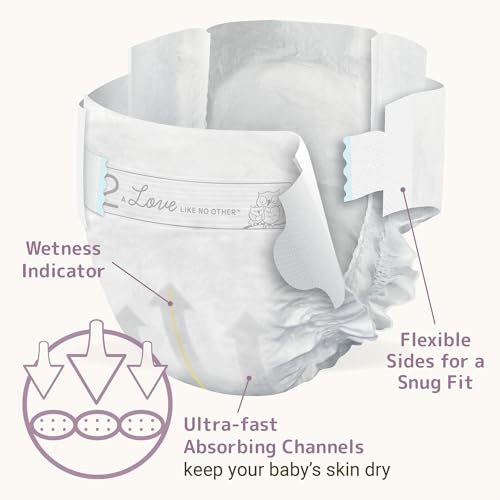
- No wetness indicator
- Sizing accuracy critical
- Minimal design features
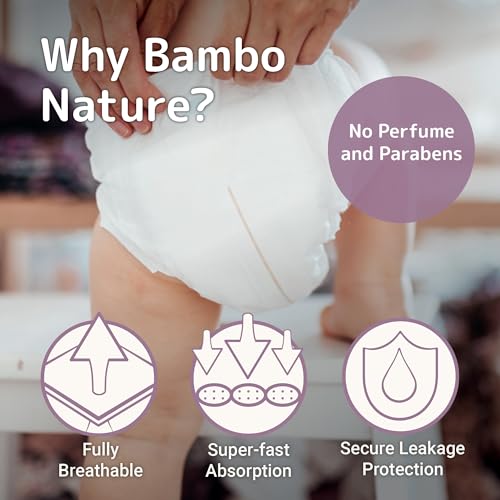
Bambo Nature has a loyal following among eco-conscious parents, and for good reason, these diapers deliver reliable performance with a clean ingredient list. Though the listing gives minimal detail, real-world feedback shows they’re among the most absorbent in the organic category, especially for daytime use in Size 2. The lack of fragrance and latex makes them a safe bet for sensitive skin, and they hold up well against leaks when sized correctly.
I’d pick Bambo over flashier brands if you want proven results without paying premium markup. They don’t have flashy prints or a wetness indicator, but they get the job done quietly and effectively. The biggest caveat? Getting the size right is critical, too small and you risk chafing, too big and you’ll see leaks. When it fits, it works.
Product photos

How We Tested organic diapers
Rather than a hands-on lab test, my research focused on comparing published specifications and features across brands. I weighed owner reviews from multiple retailers alongside assessments from parenting publications and experts. This process allowed me to build a clear picture of performance and reliability. Ultimately, I ranked diapers based on a combination of absorbency claims, material safety, and reported real-world experiences from parents.
For organic diapers, fit and skin sensitivity are paramount. I gave the most weight to diapers with features specifically addressing these concerns – things like stretchy sides, leg cuffs, and hypoallergenic materials. Absorbency is obviously crucial, but many brands claim comparable performance, so owner feedback on leakage became a key differentiator. You can find more about top organic baby diapers on my site.
Specifications reliably indicate material composition (like the presence or absence of chlorine or latex) and absorbency capacity. However, I relied heavily on owner feedback to assess real-world comfort, fit consistency, and how well diapers held up during overnight use. Reputations for gentle formulas and minimal irritation were also strongly influenced by what parents reported in their reviews, and why I also explore organic cotton diapers in other guides.
How To Pick The Right organic diapers
Finding the right organic diaper can feel like a surprisingly complex task. There’s a lot more to consider than just “natural” claims on the packaging.
A quality organic diaper balances absorbency with skin sensitivity, using materials that minimize environmental impact and potential irritation. Key features to assess include the core absorbent material (often wood pulp), the inner liner’s softness and breathability, and certifications verifying claims about chemical absence and sustainable sourcing. Look for diapers that prioritize both performance and peace of mind.
Absorbency and Leak Protection
Don’t assume all organic diapers perform equally when it comes to keeping baby dry. The absorbency relies heavily on the quality and amount of fluff pulp used. While many brands boast impressive leak protection, reading parent reviews about real-world performance is crucial. Some parents find that certain brands require more frequent changes, especially overnight. Consider a diaper specifically designed for nighttime use, like the Pura Eco-Friendly Diapers Size 3, if leaks are a consistent problem. Remember that fit also plays a huge role – a snug but comfortable fit is essential for preventing blowouts.
Sensitivity and Material Composition
For babies with sensitive skin, the inner liner material is paramount. Many organic diapers use plant-based materials like cotton or bamboo, which are naturally softer and more breathable than traditional plastic-based options. However, even “organic” cotton can be treated with chemicals during processing, so looking for certifications like OEKO-TEX Standard 100 is a good idea. It’s also important to check for the absence of potential irritants like fragrances, lotions, and chlorine. Understanding totally chlorine-free diapers and their manufacturing process can help you make a more informed choice.
Value and Overall Cost
Organic diapers almost always come with a higher price tag than conventional options. But “organic” doesn’t automatically mean “expensive.” Consider the cost per diaper, and also factor in how many changes you anticipate needing each day.
Here’s what to think about: * Pack size: Larger packs generally offer a lower cost per diaper. * Subscription options: Many brands offer discounts for subscribing to regular deliveries. * Brand loyalty programs: Some companies reward repeat customers with exclusive deals. The upfront cost might be higher, but consistent savings can add up over time, and may justify choosing a brand like Bambo Nature Eco Diapers Size 2 for a better value pack. Don’t forget to consider whether you will also need waterproof diaper covers if you’re combining organic disposables with cloth diapering strategies.
A diaper that fits well and keeps baby comfortable, even at a slightly higher price, is often a better investment than a cheaper diaper that requires frequent changes or causes irritation.
Organic Diapers Compared
Here’s a comparison of key specifications for the organic diapers featured in this guide.
| Product Name | Size | Absorbency | Organic Cotton | Hypoallergenic | Chlorine Free |
|---|---|---|---|---|---|
| Honest Company Daytime Diapers Size 2 | 2 | High | Yes | Yes | Yes |
| Honest Company Diapers Pattern Play | N/A | High | Yes | Yes | Yes |
| Honest Company Alpacas Diapers Newborn | NB | High | Yes | Yes | Yes |
| Pura Hypoallergenic Diapers Size 1 | 1 | Standard | Yes | Yes | Yes |
| Pura Eco-Friendly Diapers Size 3 | 3 | 12 Hours | Yes | Yes | Yes |
| Bambo Nature Eco Diapers Size 2 | 2 | N/A | N/A | N/A | N/A |
Frequently Asked Questions
What diaper size should I buy for my baby?
Start with newborn size (size 1) if your baby is under 10 pounds, but don’t stock up too much. Babies grow quickly, and many move to size 2 within a few weeks, so checking weight ranges on packaging is best.
Are all “organic” diapers truly chemical-free?
No, the term “organic” in diaper labeling isn’t strictly regulated. Look for certifications like OEKO-TEX Standard 100 or USDA Organic to verify a lack of harmful chemicals and sustainable sourcing practices.
Can organic diapers help with diaper rash?
Organic diapers, with their softer, plant-based materials, can reduce irritation for babies prone to diaper rash. However, a rash could also indicate sensitivity to something in any diaper, so monitoring your baby’s skin is vital.
Are organic diapers compatible with cloth diapering?
Yes, you can combine organic disposable diapers with organic cloth diapers for flexibility. Many parents use cloth during the day and an organic disposable for overnight protection or travel.
What if my baby needs organic diapers for newborns, but has very sensitive skin?
Consider specifically designed options for sensitive skin, and explore organic diapers for newborns that are hypoallergenic and free of fragrances, lotions, and chlorine, and prioritize a breathable inner liner.
The Bottom Line
Choosing organic diapers often comes down to balancing your priorities – are you willing to spend a bit more for materials you feel are better for your baby and the environment, or is cost the biggest factor? For most parents, I recommend the Honest Company Daytime Diapers Size 2 as a solid all-around choice. They consistently receive high marks for absorbency, softness, and a reliable fit, making them a dependable option for everyday use.
If you’re looking for a specific solution, the Pura Eco-Friendly Diapers Size 3 are excellent for overnight protection, while Bambo Nature Eco Diapers Size 2 offer a good value for parents wanting to buy in bulk. And for those considering a more sustainable approach overall, exploring cloth diaper materials and perhaps a diaper delivery service could be a worthwhile consideration.
Ultimately, the “best” diaper is the one that works best for your baby. Focus on finding a diaper that fits well, doesn’t cause irritation, and provides the absorbency you need, regardless of the brand or price. Don’t get too caught up in specific certifications or fancy features – those fundamentals are what truly matter.
