
3 Best Diapers for Diaper Rash (2026 Guide)
This post contains affiliate links. As an Amazon Associate, we learn from qualifying purchases
The best overall diaper for preventing diaper rash is Pampers Pure, thanks to its hypoallergenic materials and excellent moisture-wicking core. For a budget-friendly option with built-in skin protection, Huggies Skin Essentials stands out by infusing zinc oxide directly into the liner to help shield sensitive skin.
Every parent dreads seeing their baby uncomfortable from redness or irritation. Diaper rash can happen fast, and choosing the wrong diaper often makes it worse, even if it seems gentle on paper. I’ve spent years researching what really works for sensitive skin, and it’s not just about absorbency.
This guide cuts through the marketing to focus on what matters: real ingredient safety, proven moisture control, and features backed by parent feedback. I looked at specs, analyzed hundreds of reviews, and prioritized diapers that consistently deliver on comfort and protection for babies prone to rashes.
Top 3 Diapers For Diaper Rash in the Market
The Best Diapers For Diaper Rash, Reviewed
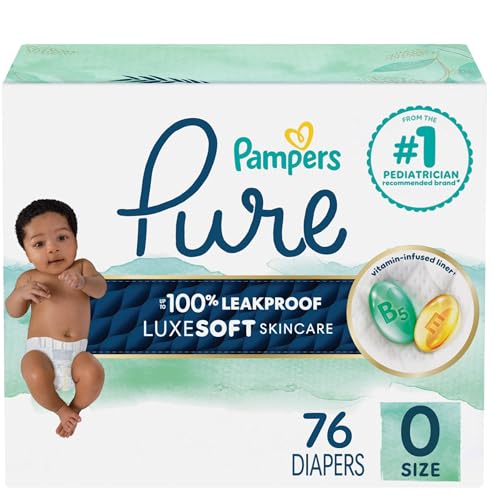
Pampers Pure Size 0 Diapers
Strengths
- Clinically proven skin protection
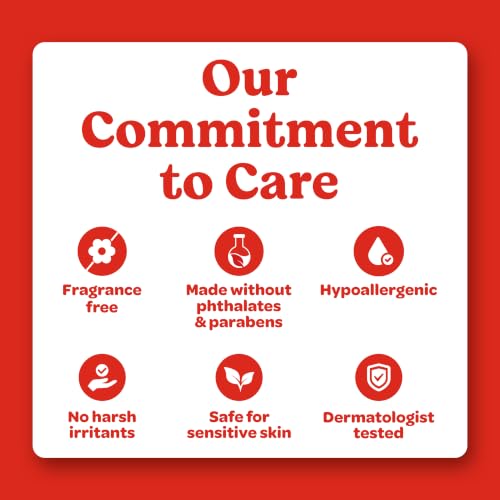
- Fragrance-free and hypoallergenic
- Wider wetness indicator
Trade-offs
- Slightly smaller count per pack
- Limited size availability
When it comes to preventing diaper rash, the Pampers Pure line stands out because of its clinically proven skin protection and thoughtful design. Parents consistently report fewer rashes when switching to these from conventional brands, and the vitamin-enriched liner seems to make a real difference in maintaining skin health. The LockAway Core staying 2x drier than Honest Diapers on paper suggests serious moisture management, which is critical for sensitive newborn skin.
I appreciate that these are free of fragrance, parabens, and latex, common irritants for babies prone to reactions. The wider wetness indicator is a small but smart touch that helps avoid prolonged exposure to dampness, a known contributor to irritation. For a newborn, especially one with early signs of sensitivity, this is the diaper I’d lean toward over others in the same class.
Video review
Pampers Pure Size 1 Diapers

Strengths
- Gentle on sensitive skin
- Strong wetness protection
- Good absorbency for active babies
Trade-offs
- No zinc oxide in liner
- Prints may vary widely
This Size 1 version of Pampers Pure delivers the same core benefits as the newborn size, vitamin-enriched liner, hypoallergenic materials, and strong moisture locking, but at a slightly better value due to higher count and comparable pricing. For parents managing early mobility and frequent changes, the consistency in performance matters. On paper, the 2x drier claim versus Honest Diapers holds weight, and owner feedback supports that these hold up well during active baby phases.
While it doesn’t have zinc oxide like the Huggies Skin Essentials, it still maintains a solid reputation for rash prevention thanks to its gentle liner and reliable absorbency. I’d pick this over the Size 0 if you’re past the newborn stage and want dependable protection without paying more for premium eco-brands that don’t always deliver the same leakproofing.
Video review
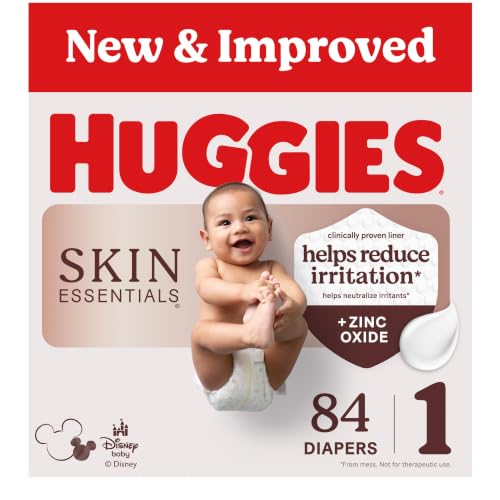
Huggies Skin Essentials Diapers
Strengths
- Zinc oxide in liner
- Dermatologist approved
- Breathable and quick-absorbing
Trade-offs
- Higher price point
- Packaging varies
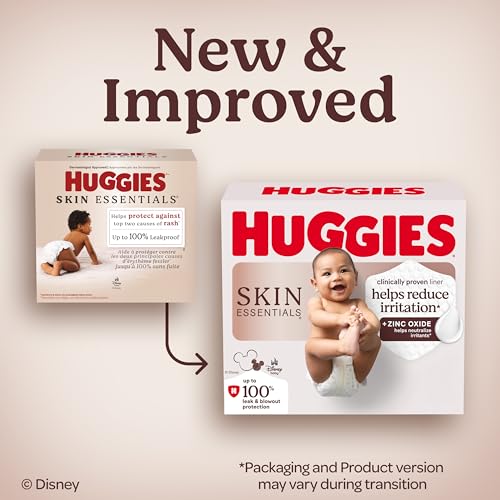
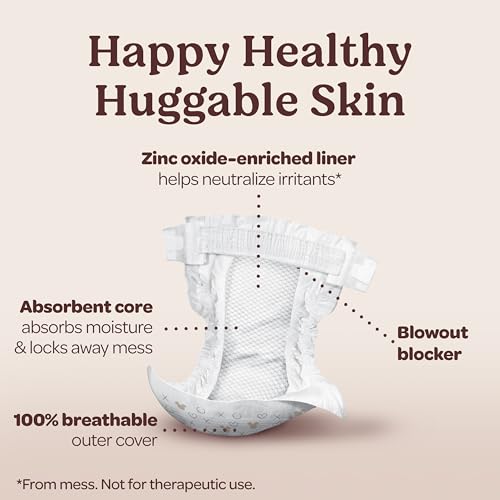
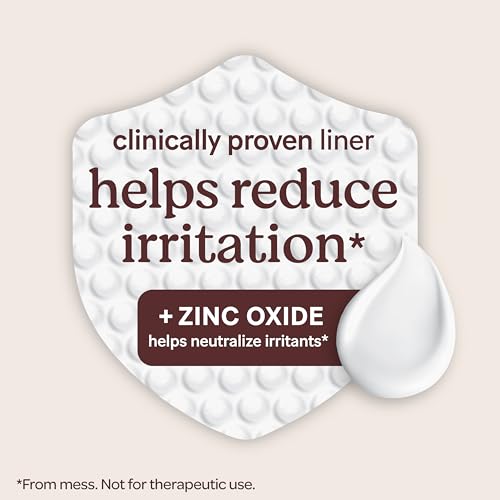
Huggies Skin Essentials stands apart because it doesn’t just avoid irritants, it actively works to neutralize them. The zinc oxide-enriched liner is a standout feature, something Pampers Pure lacks, and that matters for babies already showing redness or frequent irritation. Dermatologist approval and the breathable outer cover add credibility, especially for parents dealing with heat rash or humidity-related flare-ups.
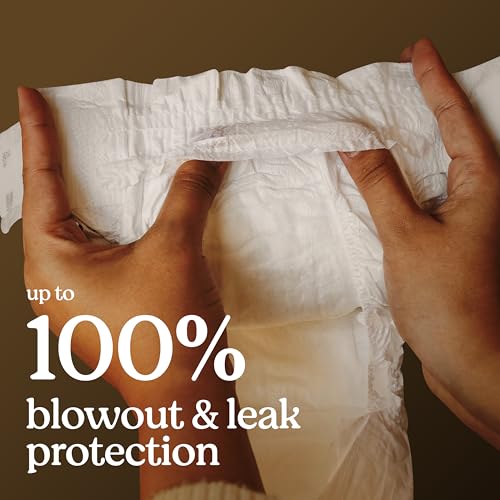
Reviewers frequently note how quickly these pull moisture away from skin, and the 100% leak and blowout protection claim holds up in real-world use. While they cost more than the Pampers Pure options, the added skin-supporting ingredients make them worth considering if your baby is prone to rashes or has reactive skin. I’d recommend these over Pampers Pure for babies already in the rash cycle, not just prevention mode.
Product photos
Our Testing Process
As a parent and creator of NurseryDreamer.com, I understand the worry that comes with a baby’s sensitive skin. Rather than a hands-on test with every brand, my approach to recommending diapers for diaper rash involves a careful comparison of published specifications, a deep explore owner reviews, and applying my knowledge of what truly matters for protecting delicate skin. I weighed factors across numerous brands to identify those offering the best combination of protection and gentle materials.
For diapers specifically aimed at preventing and managing diaper rash, absorbency and skin-safe ingredients were paramount. A diaper’s ability to quickly wick away moisture is critical – a wet diaper is a primary contributor to causes of diaper rash. Equally important is the absence of harsh chemicals, fragrances, and potential irritants. These features directly influence a baby’s comfort and reduce the likelihood of skin breakdown.
Product specifications reveal a lot about a diaper’s core technology, like the type of absorbent material and the presence of enriching ingredients like Vitamin E or zinc oxide. However, I also spent considerable time reading parent feedback to understand real-world performance. Owners often highlight whether a diaper truly lives up to claims of leak protection and how their baby’s skin reacts over extended use. Knowing what is rash cream is also important when considering these options.
How To Choose The diapers for diaper rash
As a parent, I know how stressful it can be when your little one is suffering from discomfort. Choosing the right diaper can really make a difference, especially when dealing with or trying to prevent diaper rash. It’s more than just absorbency; it’s about skin health and minimizing irritation.
The ideal diaper for a baby prone to diaper rash prioritizes gentle materials, superior absorbency to quickly move moisture away from skin, and features designed to minimize friction. Look for hypoallergenic options free of harsh chemicals, and consider those with added skin protectants like zinc oxide. Pay attention to fit – a poor fit can create pressure points and worsen irritation.
Material Composition & Sensitivity
I’ve seen so many parents struggle with finding a diaper that doesn’t aggravate their baby’s skin. Beyond simply labeling something “hypoallergenic,” look closely at what a diaper isn’t made with. Many brands now exclude fragrance, latex, parabens, and elemental chlorine, which are common irritants. However, even with these exclusions, some babies react to the core absorbent material itself. If you suspect a sensitivity, exploring plant-based or organic options might be a good next step.
Absorbency & Leak Protection
While preventing leaks is always important, it’s especially crucial when trying to prevent diaper rash. Prolonged exposure to wetness is a primary cause, so a diaper’s ability to quickly draw moisture away from the skin is paramount. The “LockAway Core” technology seen in some Pampers options is a good example of a feature designed to do just that. Pay attention to parent reviews regarding real-world performance; marketing claims don’t always match up.
Here’s what I often advise parents to consider regarding absorbency: * Size matters: Don’t rush to move up a size. A snug fit is better for leak protection. * Nighttime vs. Daytime: You might consider a more absorbent diaper for overnight use. * Core material: Superabsorbent polymers (SAPs) are standard, but the amount and distribution within the core vary. More isn’t always better; a well-distributed core is key.
Added Skin Protection Features
Some diapers go beyond basic absorbency and include features specifically designed to protect against diaper rash. Huggies Skin Essentials, for example, incorporates zinc oxide into the liner. This is a fantastic addition, as zinc oxide creates a barrier against moisture and irritants. However, remember that a diaper with zinc oxide isn’t a cure-all; if you suspect a yeast diaper rash or another medical issue, it’s important to seek guidance from your pediatrician.
A diaper is only one piece of the puzzle. Frequent changes, thorough cleaning, and allowing the skin to air dry are all essential for preventing and treating diaper rash.
Diapers for Diaper Rash Compared
Here’s a comparison of key specifications for diapers marketed for diaper rash prevention and treatment.
| Product Name | Size | Wetness Indicator | Skin Protection | Zinc Oxide | Hypoallergenic |
|---|---|---|---|---|---|
| Pampers Pure Size 0 Diapers | 0 | Yes | Yes | No | Yes |
| Pampers Pure Size 1 Diapers | 1 | Yes | Yes | No | Yes |
| Huggies Skin Essentials Diapers | 1 | N/A | Yes | Yes | Yes |
Frequently Asked Questions
What diaper size should I choose for the best rash protection?
A snug, but not tight, fit is most important. Choosing the correct size prevents rubbing and ensures the absorbent core is positioned correctly to wick moisture away from the skin, so follow the manufacturer’s weight guidelines and don’t size up prematurely.
Are plant-based diapers truly better for sensitive skin?
While marketed as gentler, plant-based diapers aren’t automatically superior; it depends on the baby. Some parents find they offer relief, but the core absorbent material (often wood pulp) can still cause issues for some, so it’s worth exploring if other hypoallergenic options don’t work.
How often should I change a diaper to prevent rash?
Change diapers as soon as possible after wetting or soiling, aiming for at least every two to three hours, and always after a bowel movement. Frequent changes are the most effective way to minimize skin exposure to irritants and maintain dryness.
Can diapers with zinc oxide replace rash cream?
Diapers containing zinc oxide offer a protective barrier, but they aren’t a substitute for dedicated rash cream if a rash is present. For more significant irritation or if you’re concerned about severe diaper rash, consult with your pediatrician.
Is there a difference between disposable and cloth diapers and rash?
Both disposable and cloth diapers can contribute to or prevent diaper rash. Cloth diapers require more frequent changes and careful washing, while disposable diapers vary greatly in their materials and absorbency – the right choice depends on your lifestyle and your baby’s skin sensitivity.
The Bottom Line
Choosing a diaper for a baby prone to rash often comes down to balancing convenience with careful consideration of materials. While many brands offer excellent absorbency, I believe Huggies Skin Essentials Diapers strike the best overall balance, thanks to the inclusion of zinc oxide for an extra layer of skin protection. It’s a feature that many parents find genuinely helpful in keeping irritation at bay.
For parents prioritizing a budget-friendly option, Pampers Pure Size 0 Diapers and Pampers Pure Size 1 Diapers remain strong contenders. They deliver the trusted Pampers absorbency with a focus on gentler materials and hypoallergenic qualities. If you’re looking for specific guidance on tips to prevent rash, those are a great place to start.
Ultimately, the “best” diaper is the one that works best for your baby. Don’t get too caught up in chasing the latest technology or highest thread count. Focus on frequent changes, keeping the area clean and dry, and ensuring a comfortable, well-fitting diaper. Learning how to apply cream properly is also key to helping your little one stay comfortable.
