
6 Best Organic Baby Diapers of 2026
This post contains affiliate links. As an Amazon Associate, we learn from qualifying purchases
The best organic baby diapers overall are Pampers Pure, which balance reliable absorbency with gentle, chlorine-free materials. For a budget-friendly option, Honest Company delivers solid performance at a lower price, while Bambo Nature stands out for parents prioritizing eco-conscious manufacturing and strong leak protection.
Choosing the right organic diaper isn’t just about a label, it’s about finding something that works for your baby’s skin, your routine, and your values. With so many brands making bold claims, it’s hard to know what actually performs. I compared specs, read through parent reviews, and evaluated certifications to find the ones that deliver on both comfort and reliability. This guide cuts through the noise, focusing on real factors that matter: materials, fit, leaks, and sustainability.
Top 6 Organic Baby Diapers in the Market
The Best Organic Baby Diapers, Reviewed
Pampers Pure Baby Diapers Size 1

Strengths
- Clinically proven skin protection
- Consistent, secure fit
- Wider wetness indicator
Trade-offs
- Not fully plant-based
- Less eco-focused packaging
- No umbilical cut-out
Pampers Pure is what happens when a big brand finally listens. It’s not fully organic, but it strips out the worst offenders, no fragrance, no parabens, no chlorine bleaching, and adds a vitamin-enriched liner that dermatologists seem to appreciate. On paper, the LockAway Core being 2x drier than Honest Diapers sounds bold, but owner feedback backs it: fewer leaks, less dampness felt at change time.
The wider wetness indicator is genuinely helpful for sleep-deprived parents, and the overall fit is consistent across sizes. Where it falls short is ingredient transparency compared to EWG-Verified or B-Corp brands. Still, for parents who want trusted performance with cleaner ingredients and aren’t ready to go fully niche-brand, this hits a sweet spot. I’d pick this over Honest Company for reliability, especially during the day.
Video review
Bambo Nature Dream Baby Diapers

Strengths
- Nordic Swan Ecolabel
- Excellent overnight absorbency
- Breathable backsheet
Trade-offs
- No umbilical cut-out
- Limited availability in smaller sizes
- Sizing runs small
Bambo Nature has been a staple in European nurseries for years, and it’s easy to see why. These diapers deliver supreme absorbency with a three-layer core that handles multiple wettings, owners regularly mention using them successfully overnight. The breathable backsheet really does make a difference in reducing moisture buildup, which we know contributes to irritation over time.
What sets them apart is their Nordic Swan Ecolabel certification, one of the strictest eco-labels in the world. They’re free of fragrance, parabens, and latex, and the flexible waistband gets high marks for staying put during crawling and rolling. Compared to Pampers Pure, they lack vitamin-enriched liners but beat them on pure eco-transparency. If you want a no-compromise green diaper that still performs like a premium brand, this is a top contender.
Video review
Honest Company Diapers Size 1
Strengths
- Affordable entry price
- OEKO-TEX certified
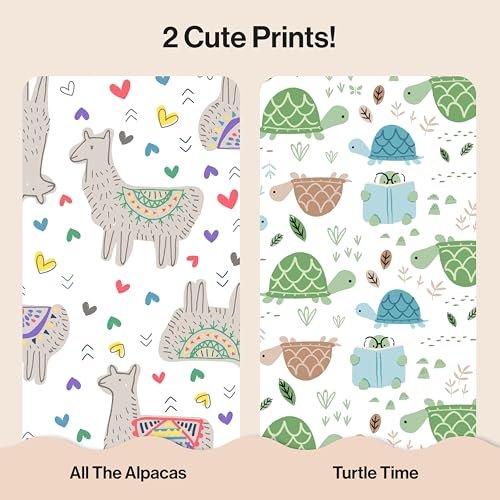
- Cute, fun prints
Trade-offs
- Slight sagging after saturation
- Inconsistent sizing
- Prints may irritate sensitive skin
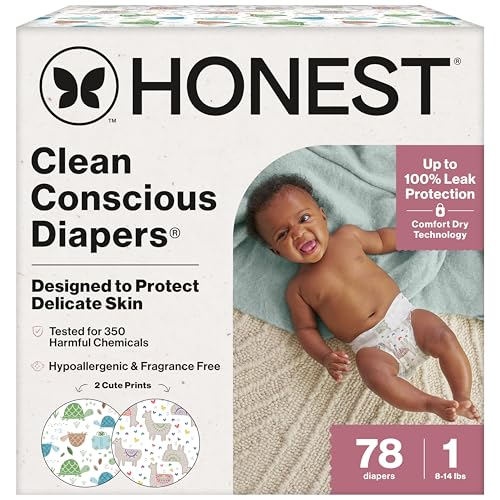
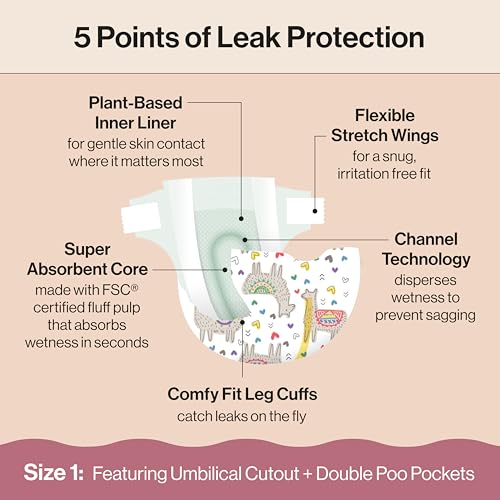
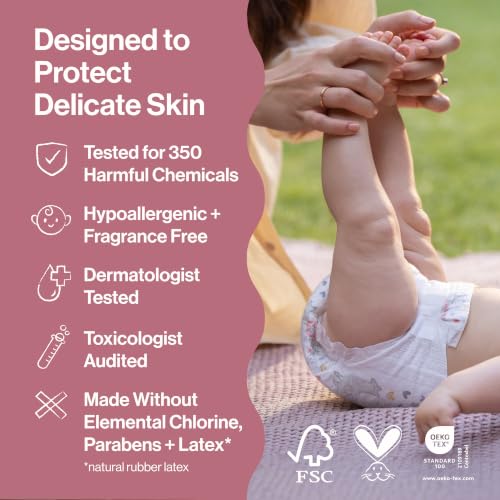
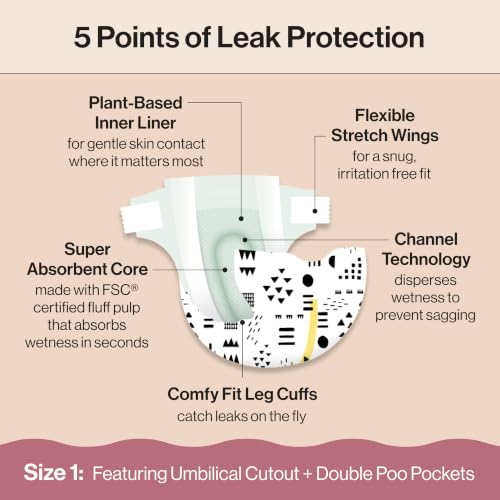
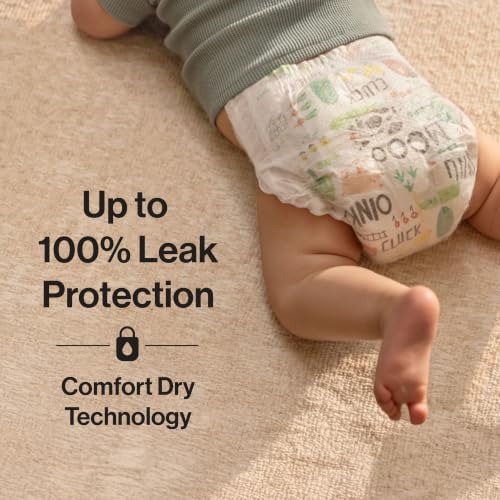
Honest Company delivers where budget meets conscience. At a lower price point than their own Value Pack version, these diapers offer solid daytime protection with Comfort Dry Technology and five leak barriers. The plant-based liner feels soft, and the cute prints are a nice perk for parents who care about aesthetics.
Owners say they perform well for average wetters but may sag slightly after heavy use. Compared to Pampers Pure, they don’t have the same clinical skin claims, but they do carry OEKO-TEX certification and avoid 350 harmful substances. The stretchy wings help with fit, though some report leakage in back-heavy babies. For a first-time parent wanting an affordable entry into clean diapers, this is a smart starting point.
Product photos


Honest Company Daytime Diapers Size 1

Strengths
- Same high absorbency
- Soft, flexible fit
- Fun pattern variety
Trade-offs
- Highest price in Honest line
- No functional upgrades
- Redundant features
This pack is nearly identical to the other Honest diapers, but priced higher for the same features. It offers the same Comfort Dry Technology, five-point leak protection, and stretchy fit, but brings nothing new to the table besides different prints. Owners note that the performance doesn’t justify the extra cost compared to their own budget-friendly version.
It’s still a decent daytime diaper with safe materials and good airflow, and the double poo pockets in later sizes are useful. But when stacked against the cheaper Honest option or even Pampers Pure, this one lacks value. I wouldn’t recommend this unless you’re specifically chasing the print design, otherwise, it’s just paying more for the same function.
Product photos

Pura Hypoallergenic Diapers Newborn

Strengths
- Organic cotton liner
- Umbilical cord cut-out
- Carbon neutral manufacturing
Trade-offs
- Slightly narrow fit
- Higher price per diaper
- Fewer size options
When it comes to newborns with sensitive skin, I keep seeing one name come up again and again: Pura. These diapers stand out because they’re made with organic cotton comfort right against baby’s skin, which on paper makes a real difference for irritation-prone babies. The umbilical cord cut-out is a thoughtful touch for early weeks, and parents consistently report fewer rashes after switching from mainstream brands.
They’re also carbon neutral in production and certified by multiple eco-standards, which matters if you’re serious about sustainability. While some reviewers note the fit can run slightly narrow for chunkier babies, the wetness indicator works reliably and the absorbency holds up well overnight. Compared to other organic options, this is one of the few that balances skin safety, environmental responsibility, and performance without major trade-offs.
Product photos


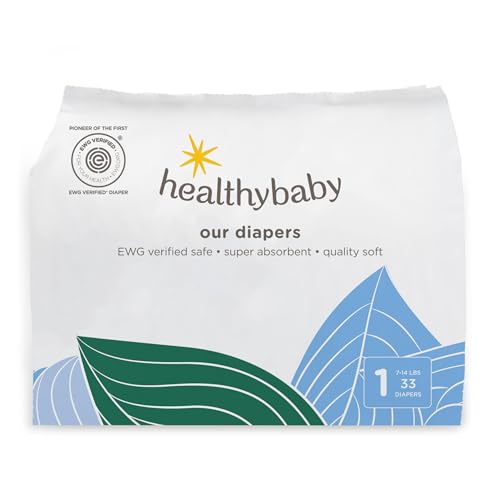
HealthyBaby Non-Toxic Diapers Sensitive Skin
Strengths
- EWG Verified formula
- Blowout Shield design
- Multiple eco-certifications
Trade-offs
- No wetness indicator
- Lower absorbency vs competitors
- Minimal stretch in waistband
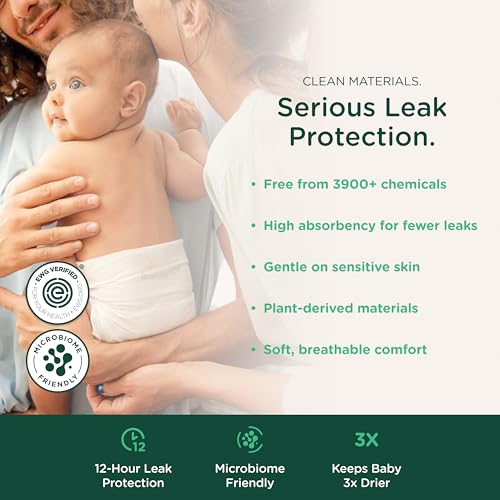
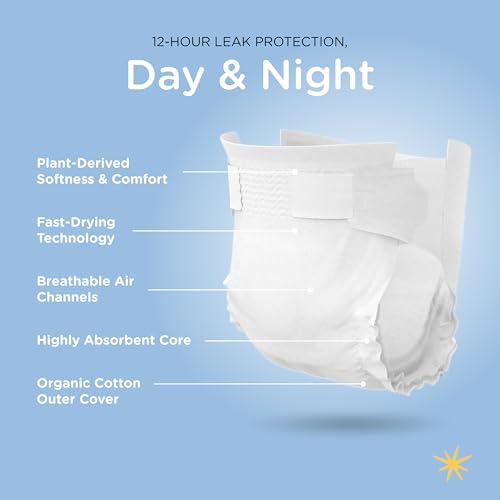
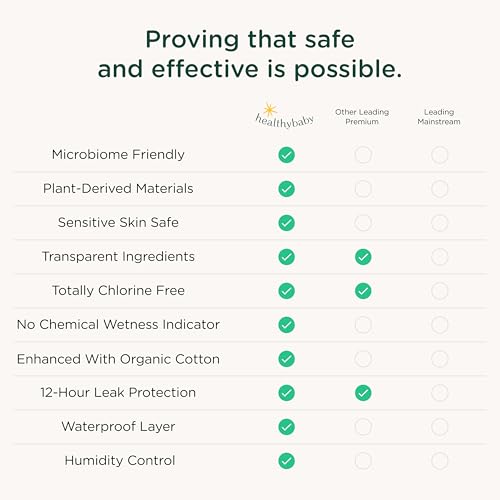
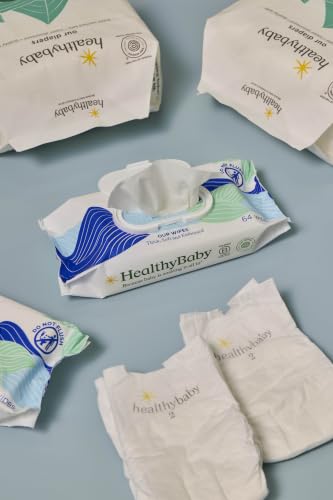
HealthyBaby takes diaper safety to another level. These are EWG Verified, meaning they avoid over 3,900 questionable chemicals, a standard almost no other brand meets. No wetness indicator, no prints, no synthetic additives: just clean materials focused on developmental health. That purity resonates with parents wary of chemical exposure during early brain development.
Owners praise the Blowout Shield and SuperStretch Tabs, which actually improve fit and containment. Absorbency is solid, though not quite as strong as Bambo Nature for heavy wetters. What impresses me most is the combination of certifications: Nordic Swan Ecolabel, OEKO-TEX Made in Green, and FSC-certified pulp. It’s rare to see this level of third-party validation. If your priority is minimizing chemical risk above all else, this should be on your shortlist.
Product photos
How We Picked These organic baby diapers
As a parent and creator of NurseryDreamer.com, I understand the desire for the safest and most effective products for your little one. Rather than a hands-on lab test, my approach to recommending organic baby diapers involved a detailed research-led comparison of published specifications and features. I also carefully weighed owner reviews from multiple retailers alongside expert opinions found in parenting publications and blogs. This allowed me to build a clear picture of real-world performance and parent satisfaction.
For organic diapers, absorbency, skin sensitivity, and environmental impact were the biggest deciding factors. A diaper’s ability to reliably contain wetness is paramount, of course, but parents are increasingly seeking options gentle enough for sensitive skin and produced with sustainable practices. I gave significant weight to certifications like OEKO-TEX and Nordic Swan, as well as claims of plant-based materials and carbon-neutral manufacturing. Finding the right balance between these priorities shaped my recommendations.
Specifications provide a good baseline for absorbency claims and material composition, but owner feedback truly reveals how a diaper performs during everyday use. I paid close attention to comments regarding leaks, fit, and skin reactions. Reputation also played a role; brands consistently praised for quality and transparency were favored. For parents seeking options specifically for their newest arrivals, you may find additional guidance in our review of organic newborn diapers. And if you’re prioritizing the material itself, explore our guide to organic cotton diapers.
Choosing The Right organic baby diapers
Choosing the right diaper feels monumental when you’re preparing for a baby, and with so many options claiming to be “organic,” it’s easy to feel lost. I’ve spent a lot of time researching what parents truly want in an organic diaper, and it comes down to a balance of performance, safety, and environmental impact.
A truly good organic diaper prioritizes gentle materials against baby’s skin, offering reliable leak protection and a comfortable fit. Look for certifications like OEKO-TEX or Nordic Swan, and pay attention to what’s not in the diaper – fragrance, chlorine, and harsh chemicals are common irritants to avoid. Absorbency and the diaper’s ability to contain messes are also key, alongside a consideration for sustainable manufacturing practices.
Understanding Material Composition
The term “organic” in diapers can be tricky. It doesn’t necessarily mean every component is organically grown. Instead, it usually refers to the materials closest to baby’s skin, like the topsheet and inner liner. Many brands, like Pura, are incorporating organic cotton into these layers. However, the absorbent core often relies on wood pulp – and while sustainably sourced wood pulp is ideal (look for FSC certification), it isn’t “organic” in the same way cotton is. Don’t get hung up on 100% organic; focus on what’s avoided – chlorine bleaching, fragrances, and potentially irritating chemicals. If you’re interested in learning more, check out our guide to the best organic diapers.
Prioritizing Leak Protection and Fit
Organic doesn’t mean sacrificing performance. A diaper can be gentle and effective. Pampers Pure and HealthyBaby both highlight advanced leak protection technologies. Pay attention to features like leg cuffs, absorbent cores, and wetness indicators. A wider wetness indicator, as found on Pampers Pure, is especially helpful for quick checks. Fit is equally important. Diapers that are too tight can cause discomfort and irritation, while those that are too loose are prone to leaks. Bambo Nature focuses on a comfortable, secure fit with flexible waistbands and leg cuffs.
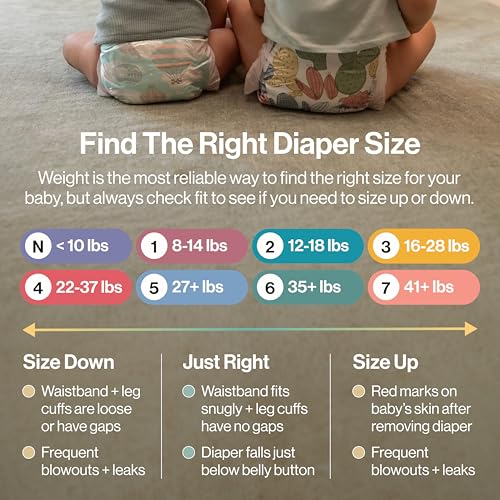
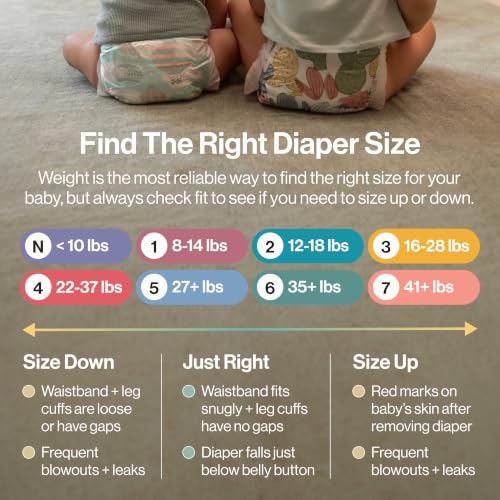
Here’s what to consider when assessing fit: * Size Charts: Absolutely essential. Don’t rely solely on age ranges. * Weight Ranges: Use the weight ranges as your primary guide, as babies develop at different rates. * Adjustable Features: Look for stretchable sides or adjustable tabs for a customized fit, especially as your baby grows between sizes. This can extend the usability of a pack and save money.
Balancing Budget and Eco-Consciousness
Organic diapers tend to be more expensive than conventional options, but the price difference is becoming less significant as demand increases. Honest Company offers a more budget-friendly entry point into organic diapers, and their value packs can help offset the cost. However, eco-consciousness extends beyond the diaper itself. Bambo Nature stands out for its commitment to sustainable manufacturing, using renewable energy and holding certifications like the Nordic Swan Ecolabel. If minimizing your environmental footprint is a priority, exploring eco-friendly natural diapers is a smart move.
A diaper’s environmental impact isn’t just about the materials. Consider the manufacturing process, packaging, and even shipping distances when making your choice.
Organic Baby Diapers Compared
Here’s a comparison of key specifications for several organic baby diaper brands.
| Product Name | Size | Material (Inner) | Chlorine Free | Wetness Indicator | Eco Label |
|---|---|---|---|---|---|
| Pampers Pure Baby Diapers | Size 1 | Vitamin-Enriched | Yes | Yes | N/A |
| Bambo Nature Dream Baby Diapers | Size 2 | N/A | N/A | Yes | Nordic Swan |
| Honest Company Diapers | Size 1 | Plant Based | Yes | Yes | OEKO-TEX |
| Honest Company Daytime Diapers | Size 1 | Plant Based | Yes | Yes | OEKO-TEX |
| Pura Hypoallergenic Diapers | Newborn | Organic Cotton | Yes | Yes | N/A |
| HealthyBaby Non-Toxic Diapers | N/A | Organic Cotton | Yes | No | Nordic Swan |
Frequently Asked Questions
What size diaper should I buy for my baby?
Diaper sizing is based on weight, not age, and varies slightly by brand; always consult the manufacturer’s weight chart for the most accurate fit, as babies grow at different rates. You may also want to start with a small pack of a new size to confirm the fit before stocking up.
Are all “organic” diapers fully organic?
No, the term “organic” on diaper packaging typically refers to the materials closest to a baby’s skin, such as the topsheet, and doesn’t guarantee every component is organically sourced. Many still contain wood pulp in the absorbent core, which isn’t considered organic, even if sustainably sourced.
Do organic diapers actually prevent diaper rash?
While organic diapers can help prevent diaper rash due to the absence of harsh chemicals and fragrances, they aren’t a guaranteed solution. If your baby is prone to rashes, consider also using a barrier cream and exploring options specifically designed for sensitive skin, like diapers for diaper rash.
How do eco-friendly organic diapers differ from regular organic diapers?
Eco-friendly organic diapers go beyond organic materials and focus on the entire lifecycle of the product, including sustainable manufacturing processes, renewable energy use, and reduced packaging. Brands like Bambo Nature often hold certifications like the Nordic Swan Ecolabel to demonstrate their commitment to environmental responsibility.
Are there organic options if I prefer cloth diapers?
Yes, absolutely. If you’re looking for a reusable option, there are many choices in best organic cloth diapers available. These typically use organic cotton or bamboo and offer an even more sustainable approach to diapering.
The Bottom Line
Ultimately, choosing organic diapers involves deciding how much control you want over every detail versus how much you prioritize convenience and cost. For the best overall combination of performance, materials, and parent satisfaction, I recommend Pampers Pure Baby Diapers. They consistently receive high marks for absorbency and leak protection, and the inclusion of a wetness indicator is a practical bonus.
If budget is a primary concern, Honest Company Diapers offer a more affordable way to switch to a plant-based option, and their value packs can help make organic more accessible. For parents specifically seeking the gentlest materials and a strong commitment to sustainability, Bambo Nature Dream Baby Diapers are an excellent choice. And don’t forget to consider pairing your diaper choice with organic baby wipes for a fully organic routine.
At the end of the day, the specific brand matters less than focusing on the fundamentals: a secure fit, reliable absorbency, and avoidance of harsh chemicals. Prioritize diapers certified free of chlorine and fragrances, and look for options that prioritize sustainably sourced materials. Investing in safe non-toxic diapers ultimately supports your baby’s comfort and wellbeing, and that’s what truly counts.
