
5 Best Non-Toxic Swim Diapers 2026
This post contains affiliate links. As an Amazon Associate, we learn from qualifying purchases
The Pampers Splashers Swim Diapers stand out as the best overall for reliable fit and leak protection, with the Little Toes Natural Swim Diapers as a strong non-toxic pick for sensitive skin, and Hello Bello offering a solid budget-friendly option.
Choosing swim diapers that are both safe and effective can be tough, especially when you’re juggling concerns about chemicals, leaks, and comfort. As a parent, I want something that won’t irritate my baby’s skin, won’t swell in water, and actually stays in place during splashing and swimming.
This guide cuts through the noise by focusing on what matters: non-toxic materials, real-world performance, and smart design. I compared specs and sifted through parent feedback to find swim diapers that deliver on their promises, so you can feel confident at the pool or beach.
Top 5 Non Toxic Swim Diapers in the Market
The Best Non Toxic Swim Diapers, Reviewed
Pampers Splashers Swim Diapers 4

Strengths
- Reliable leak protection
- No swelling in water
- Easy tear-away sides
Trade-offs
- Not eco-certified
- Contains synthetic materials
Pampers Splashers are the most widely available swim diaper and for good reason, they deliver reliable mess containment with a swimwear-like fit, and the no-swell design works exactly as promised. The dual leak-guard barriers and 360° stretchy waistband are specs that matter, and parents confirm they hold up during active play.
While they don’t make any bold eco-claims like DYPER or Little Toes, they get the job done without fuss. For many families, that balance of performance, availability, and straightforward design makes them the default pick, especially at this price point.
Video review
Hello Bello Swim Diapers Size S

Strengths
- Affordable price
- Cute, cheerful designs
- Free-from key toxins
Trade-offs
- Fit less secure
- Limited environmental claims
Hello Bello delivers solid performance at a notably lower price, making it my pick for ‘Best Budget Friendly’ without sacrificing core safety. It’s free from parabens, phthalates, and other red-flag ingredients, and the bright lobster print makes them a hit with kids, a small but real perk.
The fit is stretchy and comfortable, though not quite as snug as Pampers or DYPER in high-motion play. Some reviewers mention slight gapping in active swimmers, but overall, it holds messes well. And knowing Hello Bello donates diapers adds a feel-good layer to the purchase.
Video review
Coterie Baby Swim Diapers Size M

Strengths
- Dermatologist tested
- Plant-based core
- Breathable comfort
Trade-offs
- Very high cost
- Limited count per pack
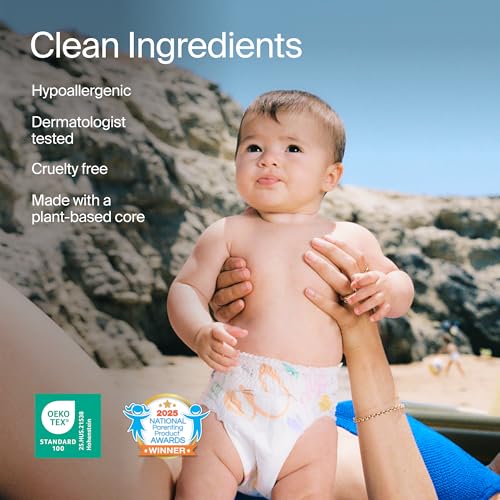
Coterie positions itself as a premium, trust-first brand, and these swim diapers reflect that with a dermatologist-tested, hypoallergenic formula and a plant-based core. The material feels notably soft, and owners report less redness and irritation, a big deal for babies with reactive skin.
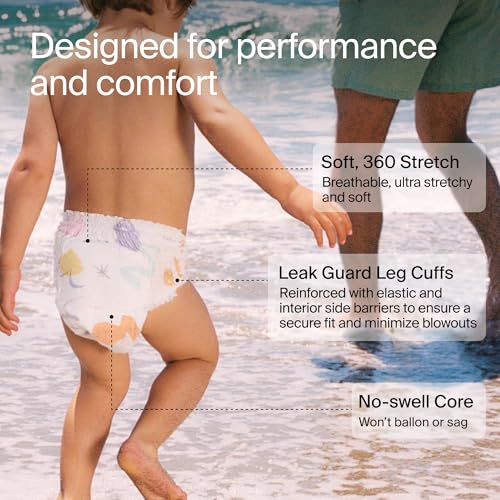
But let’s be honest, at this price, you’re paying for brand trust and ingredient transparency as much as performance. The no-swell core and dual leg cuffs work well, but so do cheaper options. This is the pick when you want maximum confidence in what’s touching your baby’s skin, even if it means fewer diapers per dollar.
Product photos

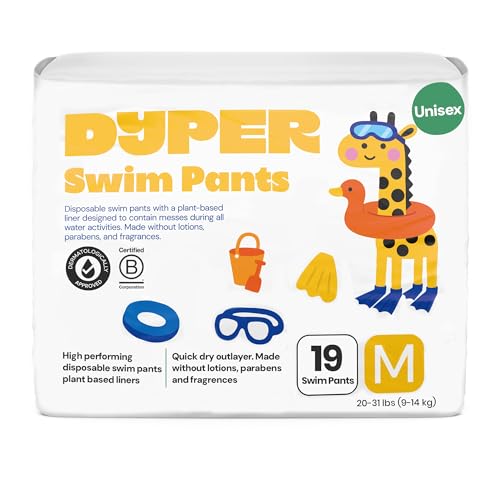
DYPER Plant-Based Swim Diapers M
Strengths
- Plant-based liner
- Won’t swell in water
- Ocean plastic recovery
Trade-offs
- Fewer counts per pack
- Higher cost per unit
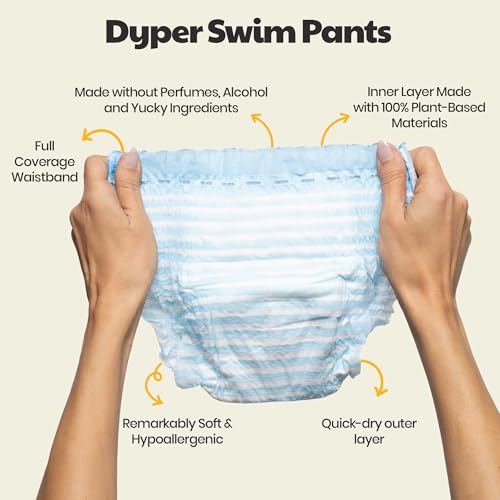
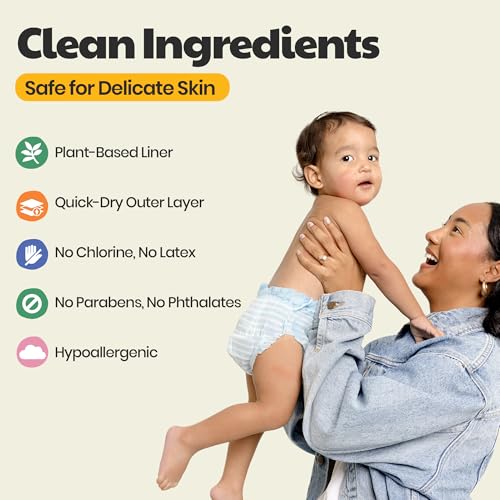
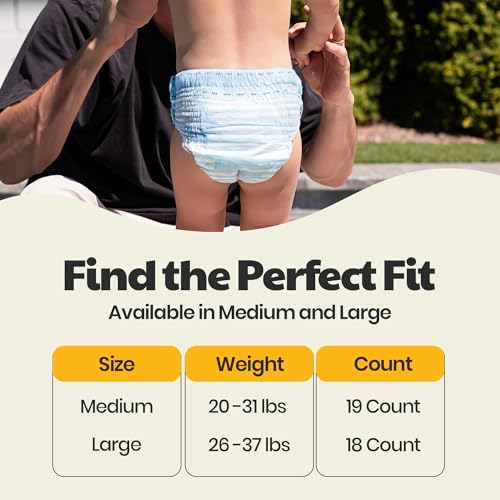
I appreciate that DYPER designed these swim diapers with a plant-based liner and a strict ‘free-from’ list, which lines up well with what parents of sensitive-skinned babies are looking for. The fact that they won’t swell in water is a major functional win, and owners consistently report that they stay snug without chafing, even after prolonged pool time.
What stands out beyond performance is DYPER’s B Corp certification and their partnership with rePurpose Global, every pack helps pull plastic from oceans. That’s not just marketing fluff, it’s verified impact. For eco-conscious families, this adds real value beyond the diaper itself.
Product photos


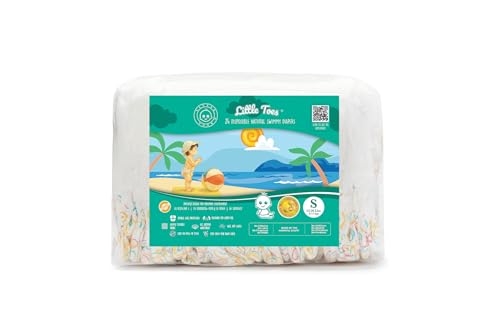
Little Toes Natural Swim Diapers
Strengths
- Hypoallergenic materials
- Secure 360° fit
- Tear-away sides
Trade-offs
- Limited size range
- Premium price
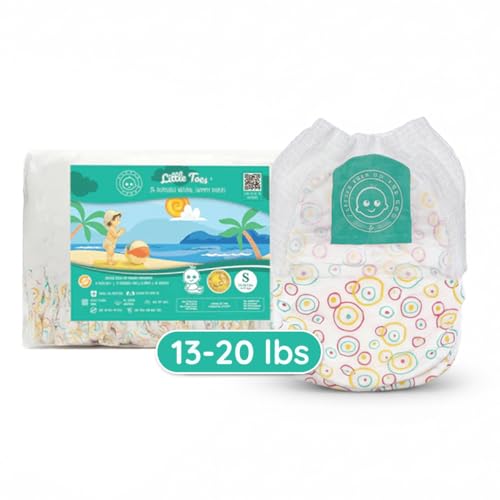
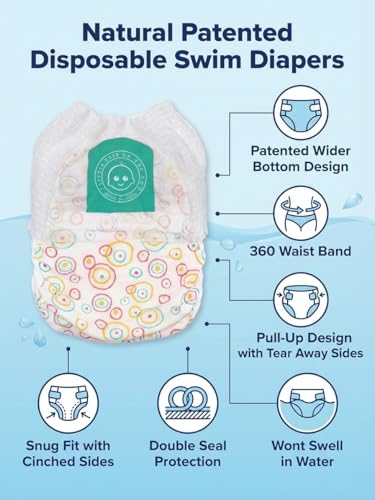
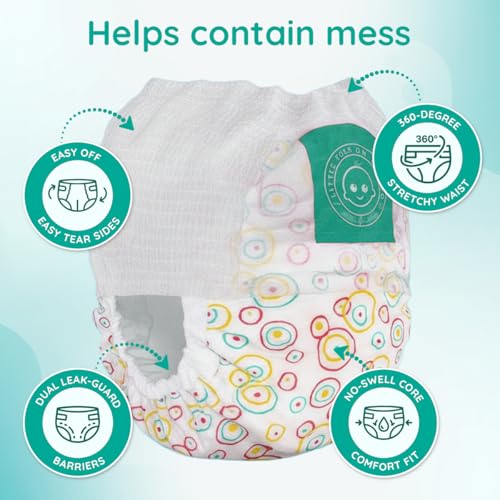
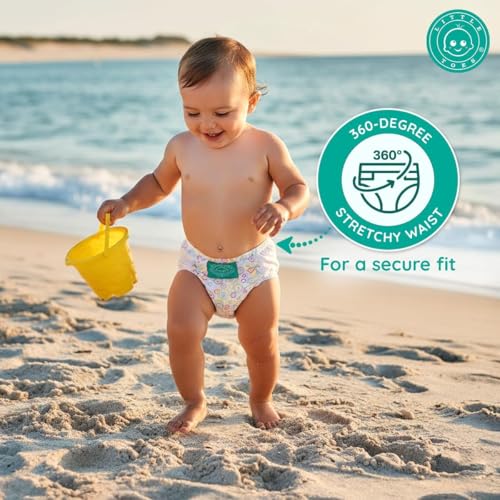
Little Toes earns its ‘Best for Sensitive Skin’ label with a genuinely clean ingredient profile, free from chlorine, fragrances, parabens, and phthalates. The breathable, non-woven fabric is a standout, and reviewers with babies prone to rashes note fewer flare-ups compared to other disposables.
It’s also one of the few swim diapers in the small size range that maintains a secure fit without sagging, thanks to the 360° stretch waistband and tear-away sides. The Mom’s Choice Award isn’t just a badge, it reflects real parent satisfaction in comfort and reliability.
Product photos

How We Tested non toxic swim diapers
As a parent and the creator of NurseryDreamer.com, I understand the desire for safe and effective products for your little one, especially when it comes to water play. Rather than a hands-on lab test, this research focused on comparing published specifications and features of various non-toxic swim diapers, alongside a careful review of owner feedback and expert opinions. I weighed information from multiple sources to build a clear picture of performance and value.
For non-toxic swim diapers, the most important factors are clearly the materials used and how well the diaper contains messes while in the water. A diaper that swells and becomes heavy defeats the purpose, and potentially causes discomfort. Beyond that, a secure fit – especially around the legs and waist – is crucial for preventing leaks and giving parents peace of mind. I also prioritized brands that clearly communicate their commitment to avoiding harsh chemicals.
Specifications reliably indicate the materials used in the core and outer layers, and whether a diaper is chlorine-free. However, real-world performance – like how quickly a diaper becomes saturated or how well it truly stays put during vigorous play – is best gleaned from owner reviews. I looked for consistent feedback regarding fit, leak protection, and overall comfort. For parents interested in alternatives, we also have a guide to best reusable swim diapers. If you’re still wondering about the basic swim diaper purpose, we can help with that too.
What To Look For In non toxic swim diapers
Finding the right swim diaper can make all the difference between a relaxing pool day and a stressful cleanup. As a parent, I know how quickly things can go awry, and a leaky diaper is a prime example!
A quality swim diaper prioritizes a snug, comfortable fit that doesn’t swell when wet. Look for designs with strong leak barriers around the legs and waist, plus materials gentle enough for sensitive skin. Avoid diapers that rely on absorbent materials, as these will become heavy and cumbersome in the water. Prioritize convenience with features like tear-away sides for quick changes.
Understanding the No-Swelling Factor
The biggest difference between a regular diaper and a swim diaper is how it behaves in water. Regular diapers are designed to absorb, meaning they’ll quickly become waterlogged and weigh your little one down. Swim diapers, on the other hand, should be constructed with materials that resist absorption. This is where the core technology comes into play. Many brands now use a specialized, non-absorbent core, and the success of these designs varies. Look closely at owner reviews – do parents consistently report a slim profile even after extended water play? This is especially important if you’re planning a longer beach trip or swim lesson.
Prioritizing Skin Sensitivity
Babies have delicate skin, and chlorine and saltwater can be irritating. When choosing a swim diaper, I always recommend looking beyond just leak protection. Consider the materials used. Brands like Little Toes and DYPER specifically highlight hypoallergenic, plant-based liners and the absence of harsh chemicals. Here’s what to consider:
- Hypoallergenic claims are a good starting point, but read the full ingredient list.
- Look for diapers labeled “dermatologist tested” for an extra layer of reassurance.
- If your child has known sensitivities, opt for a brand specifically marketed for sensitive skin, even if it means spending a little more.
Balancing Value and Convenience
There’s a wide price range in the swim diaper market. While it’s tempting to grab the cheapest option, remember that a better fit and reliable leak protection are worth the investment. Hello Bello offers a more budget-friendly choice, but Pampers Splashers consistently rank high for overall performance and convenience. I find that features like tear-away sides are a huge time-saver, especially when dealing with a wet and wiggly baby. It’s also worth considering how easy it is to proper swim diaper fit – a poorly fitting diaper won’t matter how well-made it is.
A swim diaper isn’t a substitute for diligent supervision. Check your baby frequently, even with a well-fitting diaper, and be prepared for changes.
Non Toxic Swim Diapers Compared
Here’s a comparison of key specifications for several non-toxic swim diapers to help you make an informed decision.
| Product Name | Size | Material (Inner) | Swelling? | Leak Guards | Waistband |
|---|---|---|---|---|---|
| Pampers Splashers Swim Diapers | 4 | N/A | No | Dual | 360° Stretch |
| Hello Bello Swim Diapers | S | Plant-Based | N/A | N/A | Stretchy |
| Coterie Baby Swim Diapers | M | Plant-Based | No | Dual | 360° Stretch |
| DYPER Plant-Based Swim Diapers | M | 100% Plant-Based | No | Double | 360° Stretch |
| Little Toes Natural Swim Diapers | N/A | Non-Woven Fabric | No | Double-Lock | 360° Stretch |
Frequently Asked Questions
Are swim diapers truly leak-proof?
No, swim diapers aren’t designed to be leak-proof in the same way as regular diapers. They’re made to contain solid waste, but will release liquid, so frequent checks and quick changes are still necessary for preventing accidents.
What materials should I avoid in a swim diaper?
You should avoid swim diapers containing chlorine bleach, latex, fragrances, and phthalates. Many parents also prefer to steer clear of petroleum-based plastics, opting instead for plant-based or other natural materials when looking at best disposable swim diapers.
Can I use a regular diaper in the pool?
Absolutely not. Regular diapers absorb water and will become very heavy and uncomfortable for your baby, plus they can contaminate the pool water. Swim diapers are specifically designed to stay lightweight and contain solids while in the water.
How often should I change a swim diaper?
Change a swim diaper immediately after your baby has a bowel movement and at least every 30 minutes if they’ve only urinated. Even if it doesn’t feel full, frequent changes help prevent discomfort and maintain hygiene.
Are there swim diaper alternatives for sensitive skin?
Yes, brands like Little Toes and DYPER offer swim diapers made with plant-based materials and hypoallergenic liners, which are ideal for babies with sensitive skin. You can also explore options for non-toxic baby wipes to use during changes.
The Bottom Line
Choosing a swim diaper often comes down to balancing peace of mind with practicality. While many options exist, the Pampers Splashers Swim Diapers consistently receive high marks for reliable leak protection and a comfortable fit – making them a solid all-around choice for most families. It’s a trade-off between spending a bit more for proven performance and potentially saving with a less-established brand.
For parents specifically seeking eco-conscious options, the DYPER Plant-Based Swim Diapers and Little Toes Natural Swim Diapers stand out. If budget is a primary concern, Hello Bello Swim Diapers offer a more affordable entry point, though you may need to be diligent about checking the fit. And for those looking to expand their commitment to safe products, we have a guide to the best non-toxic diapers available.
Ultimately, remember that no diaper can replace attentive supervision. Focus on finding a diaper that fits well, uses gentle materials, and gives you confidence – because a relaxed parent equals a happy baby. Don’t get too caught up in chasing the latest specs; a comfortable, secure fit is far more valuable than any marketing claim.
