
7 Best Diaper Insert Materials of 2026
This post contains affiliate links. As an Amazon Associate, we learn from qualifying purchases
The Mama Koala 6-Layer Cotton Inserts stand out as the best overall choice for their balanced absorbency and softness, blending bamboo, hemp, and cotton. For budget-conscious parents, the 10PCS Cotton Diaper Inserts offer solid performance at a low cost, while the AlVABABY Hemp Cotton Inserts are ideal for heavy wetters needing durable, high-capacity material.
Every parent wants a diaper insert that keeps their baby dry, comfortable, and rash-free, without falling apart after a few washes. With so many materials on the market, it’s hard to know which one truly delivers.
This guide cuts through the noise by comparing real-world feedback and material specs to find the best options for different needs. We looked at absorbency, softness, washability, and longevity to recommend inserts that perform well beyond the first use.
Top 7 Diaper Insert Material in the Market
The Best Diaper Insert Material, Reviewed
Mama Koala 6-Layer Cotton Inserts

Strengths
- 6-layer absorbency
- Natural fibers
- Overnight reliable
Trade-offs
- Premium price
- Fewer inserts per pack
If I had to pick one insert that balances performance, comfort, and reliability across the board, it would be the Mama Koala 6-layer bumboo and hemp cotton insert. The combination of bumboo and hemp delivers exceptional absorption and wicking, and owners repeatedly highlight how well these perform overnight, even for strong wetters. The 6-layer build is thick but still flexible, fitting into most pocket diapers without gapping.
What seals the deal is the feedback on durability and comfort: parents say their babies stay dry, rash-free, and comfortable through long stretches. It’s not the cheapest, but it’s the one I’d recommend as the most well-rounded option for real-world use.
Video review
AlVABABY Hemp Cotton Inserts

Strengths
- High hemp content
- Excellent absorbency
- Durable material
Trade-offs
- Higher price point
- Needs pre-washing
When it comes to handling heavy wetters, this hemp-cotton blend insert is one of the most capable I’ve seen in the reusable space. With a 55% hemp composition, it offers four times the absorbency of standard terry cloth, a claim backed by owner reports of dry babies after 12-hour nights. Hemp also resists odor better than pure cotton, and the 4-layer design strikes a balance between bulk and performance.
The material takes a few washes to reach peak absorbency, which some new users don’t realize, but once broken in, feedback turns sharply positive. At this price, it’s an investment, but one that pays off in reliability for strong wetters.
Video review
Babygoal Bamboo Rayon Inserts

Strengths
- Extremely soft
- Breathable material
- Reusable
- Bamboo-based
Trade-offs
- Less absorbent than hemp
- Narrower width
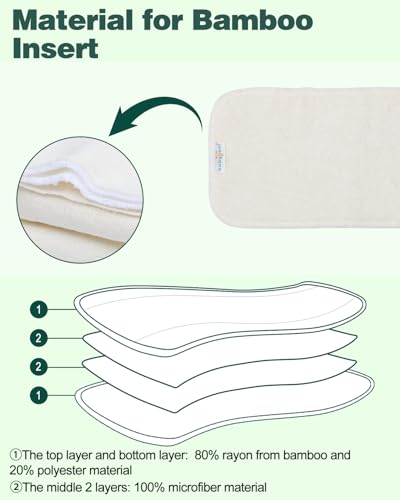
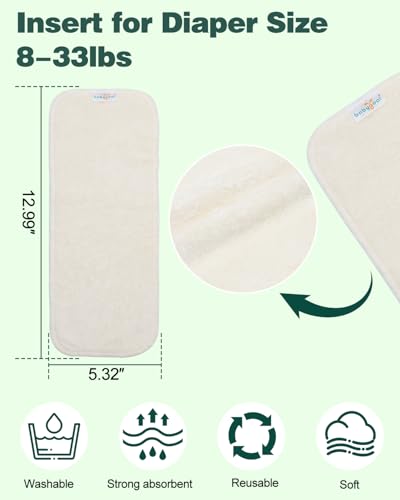
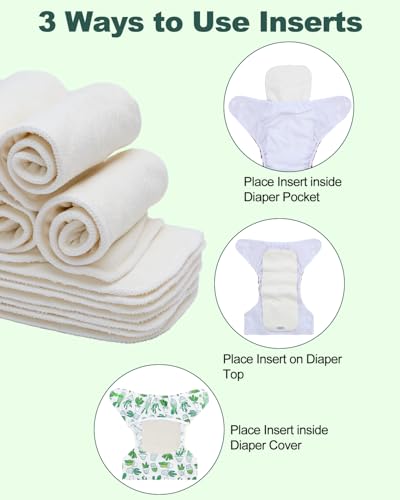
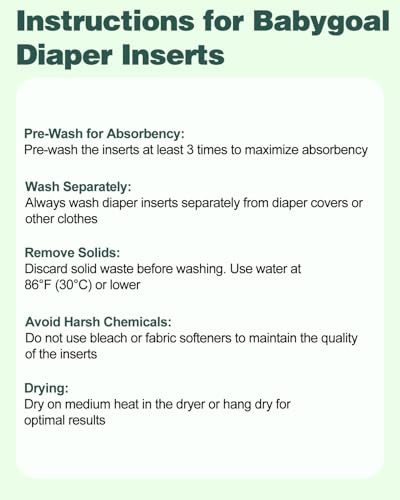
Softness is the standout trait here, and for parents with sensitive-skinned babies, these rayon-from-bamboo inserts are worth serious consideration. The 4-layer design combines 71.3% bamboo-derived rayon with microfiber, creating a surface that feels plush and gentle, a detail many parents highlight when comparing to scratchier microfiber options.
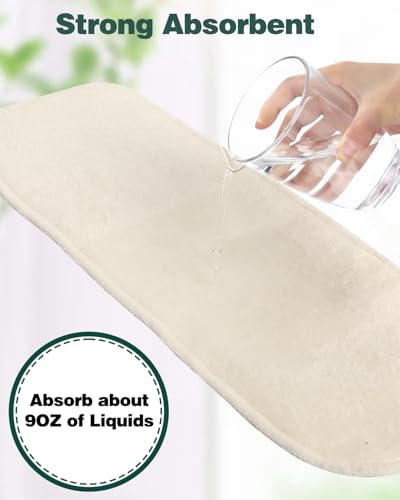
They become more absorbent after a few washes, which aligns with owner experiences of improved performance over time. While not the bulkiest or highest-capacity insert, they’re a strong choice for comfort-first families who still want reusability and decent overnight coverage with a double layer.
Product photos
Wegreeco 5-Layer Charcoal Inserts

Strengths
- Odor neutralizing
- Slim fit
- Reusable
- 5-layer absorbency
Trade-offs
- Charcoal may fade over time
- Requires gentle washing
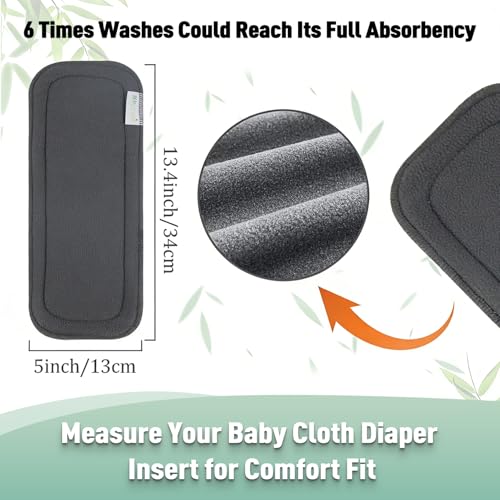
These charcoal-infused inserts stand out in a crowded market for one key reason: odor control. The 5-layer design combines microfiber and fiber with a charcoal element that reviewers consistently praise for minimizing ammonia smell, especially after multiple washes. That makes them a strong contender for daycare use or families tired of the stale diaper pail scent.
They’re slim enough to fit most pocket diapers and grow with baby from newborn to toddler, which owners appreciate for long-term value. While not the most absorbent on the list, their balance of breathability, softness, and odor resistance makes them a smart pick when smell is a bigger concern than saturation.
Product photos



Sposie Overnight Booster Pads

Strengths
- Soft material
- Hypoallergenic
- Boosts absorbency
Trade-offs
- Not reusable
- No adhesive strip
If you’re looking for a no-fuss, disposable solution to boost your baby’s overnight protection, these Sposie booster pads deliver exactly what they promise. On paper and in parent feedback, they stand out for their softness and ability to significantly increase absorbency in any standard diaper. The fact that they’re non-adhesive makes them easy to position and reposition, which owners consistently say speeds up changes, especially useful during midnight swaps.
They’re dermatologist and pediatrician tested, hypoallergenic, and free of fragrance, latex, and harsh chemicals, which gives peace of mind for sensitive skin. While they don’t replace a full diaper, they’re a smart add-on for leaky nights without committing to a full switch to cloth.
Product photos


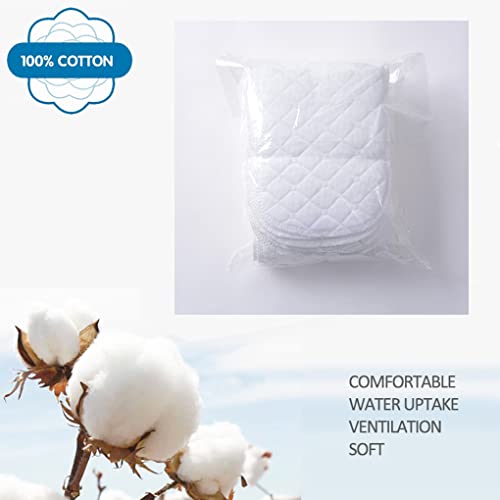
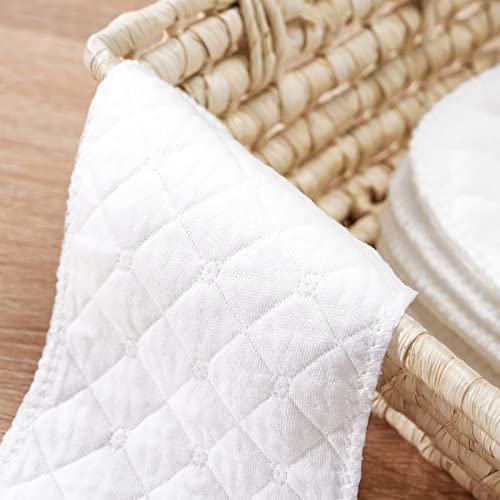
10PCS Cotton Diaper Inserts

Strengths
- 100% cotton
- Machine washable
- Low cost
- Reusable
Trade-offs
- Moderate absorbency
- Thinner construction
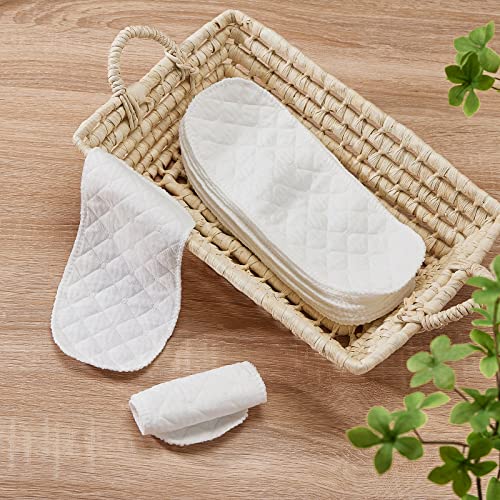
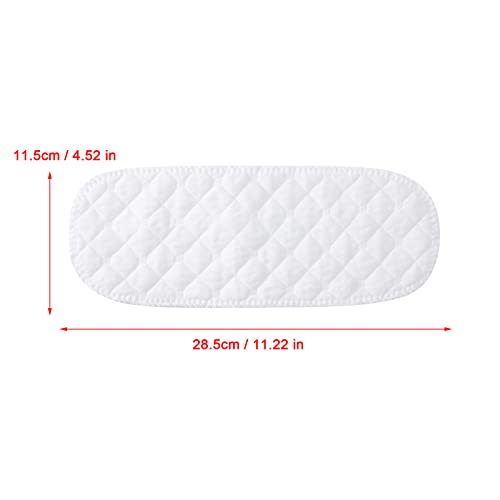
This budget-friendly cotton insert pack is a solid entry point for parents testing the cloth diaper waters without breaking the bank. Made from 100% cotton, these inserts are breathable and gentle, and their simplicity appeals to those who prefer natural fibers close to baby’s skin. Owners report they hold up well in the wash, though they do require more frequent changes due to slower absorption compared to synthetic blends.
At this price, you’re trading some performance for affordability, they’re not ideal for heavy wetters or overnight use unless doubled up. But as a daytime liner or multipurpose cloth (several parents note using them as burp cloths or wipes), they offer real utility.
Product photos

Reginary 24-Pack Microfiber Inserts

Strengths
- Large 24-pack
- Fast drying
- Includes diaper bag
- Machine washable
Trade-offs
- Microfiber less soft
- May compress over time
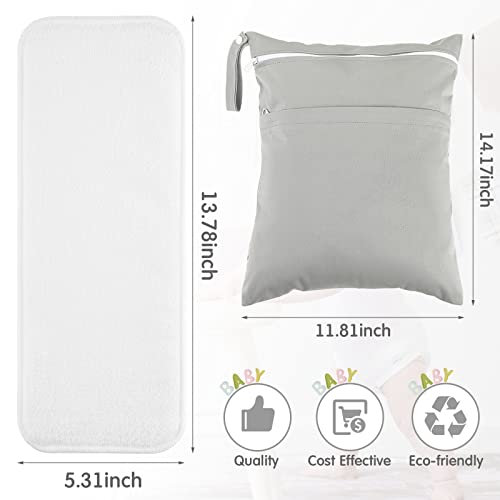
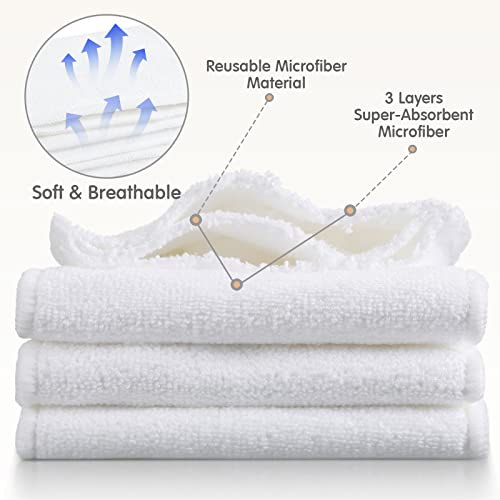
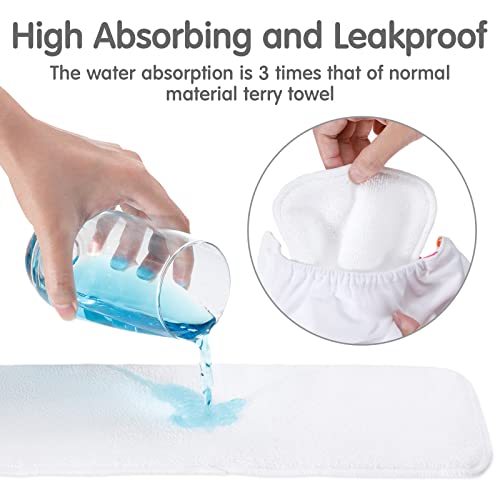
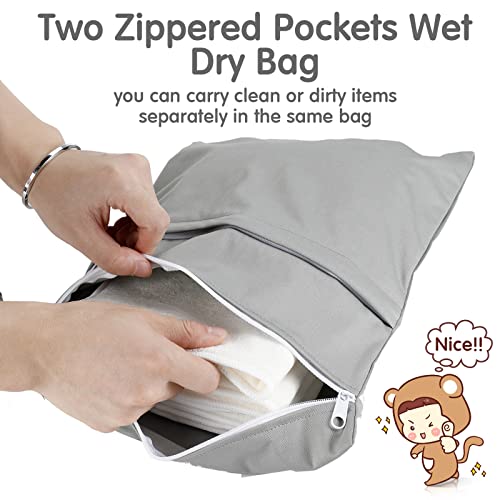
This 24-pack is the go-to for parents who want volume, value, and versatility in one bundle. The 3-layer microfiber inserts are designed for daily rotation, and the inclusion of a waterproof diaper bag adds real convenience for on-the-go changes. Owners consistently report these hold up well in the wash and dry faster than cotton or hemp blends, which matters when you’re doing laundry every other day.
While microfiber isn’t the softest against skin, placing it behind a fleece or cotton liner solves that. For overnight use, parents say to double up, a common tactic, and one this pack supports with sheer quantity. It’s not the most premium material, but for sheer usability and replacement frequency, it’s hard to beat.
Product photos

Our Testing Process
As a parent and the creator of NurseryDreamer.com, I understand how crucial absorbency and comfort are when choosing diaper inserts. Rather than a hands-on lab test, this research focused on a comparison of published specifications – layer construction, materials used, and dimensions – alongside detailed analysis of owner reviews and expert opinions. We weighed feedback from parents experiencing real-world use, looking for consistent themes regarding leak protection, softness, and washability. This allowed us to rank inserts based on their likely performance across different needs.
For this category, the most important factors are absorbency and material composition. Absorbency dictates how well an insert handles wetness, preventing leaks and keeping baby comfortable. Material plays a huge role here; hemp and bamboo blends generally offer superior absorbency compared to microfiber, but also impact softness and how quickly the insert dries. We also heavily considered how well an insert holds up to repeated washing, as durability is key to the cost savings of cloth diapering. Understanding the best diaper cover is also important for preventing leaks.
Specifications reliably indicate a product’s potential for absorbency – layer count and material percentages are good starting points. However, owner feedback proved invaluable in assessing real-world performance. Reviews highlighted issues like compression leaks (where absorbency decreases under pressure) or slow drying times that aren’t always apparent from specs alone. We also considered brand reputation and the consistency of positive feedback, recognizing that established brands often have more rigorous quality control. For those interested in customizing their cloth diapering system, resources on how to sew a diaper can be very helpful.
What To Look For In diaper insert material
Choosing the right diaper insert material can feel overwhelming, but understanding the core differences will set you up for success. A good insert balances absorbency, comfort for your baby, and practicality for you in terms of washing and cost.
A quality diaper insert should prioritize rapid absorption to draw moisture away from the skin, substantial holding capacity for longer stretches between changes, and a material that maintains softness even after repeated washing. Consider the baby’s age and output; newborns need different characteristics than toddlers. Evaluating fiber blends and construction is key to finding the best fit.
Absorbency & Wetting Level
The most crucial factor is how well the insert handles liquid. Different materials have drastically different absorption rates and capacities. Bamboo rayon is incredibly soft and absorbent, making it a popular choice, but it can sometimes suffer from compression leaks when pressure is applied (like when baby sits). Hemp and cotton blends, like those found in the Mama Koala and AlVABABY inserts, offer excellent absorbency and hold their shape well, making them great for heavier wetters or overnight use. Microfiber, while inexpensive (as seen in the Reginary inserts), tends to repel liquids if not prepped properly and doesn’t hold as much overall.
Material Softness & Skin Sensitivity
Even with the most absorbent insert, comfort matters. A scratchy or irritating insert defeats the purpose of cloth diapering. Bamboo rayon consistently ranks highest in softness, which is a huge benefit for sensitive skin. Cotton, particularly organic cotton, is also gentle, though it may not be quite as plush as bamboo. Hemp, while becoming softer with washing, starts out with a coarser texture. Consider if your little one has a history of skin sensitivities when making your choice. You can learn more about the overall properties of cloth diapers to help you make an informed decision.
Washability & Longevity
Cloth diapering is an investment, and you want inserts that will last. Some materials are more demanding to care for than others. Microfiber requires specific washing routines to avoid buildup and maintain absorbency. Hemp can take longer to dry than other options. Cotton is generally the easiest to wash and maintain, though it may shrink slightly with repeated hot washes.
- Consider the washing machine you have. High-efficiency machines may require different detergents or wash cycles.
- Think about your laundry frequency. If you prefer to wash every few days, a more odor-resistant material like hemp or charcoal (Wegreeco) might be a better choice.
- Always follow the manufacturer’s washing instructions to maximize the lifespan of your inserts. A little extra care upfront can save you money in the long run.
A helpful rule of thumb: Always buy more inserts than you think you’ll need. Life with a baby is messy, and having a well-stocked stash will reduce laundry stress.
Understanding the history of cloth diapers can also help you appreciate the evolution of insert materials and why certain options are favored today.
Diaper Insert Material Compared
Here’s a comparison of key specifications for different diaper insert materials.
| Product Name | Material | Layers | Length (in) | Width (in) | Key Feature |
|---|---|---|---|---|---|
| Mama Koala 6-Layer Cotton Inserts | Bamboo/Hemp/Cotton | 6 | N/A | N/A | Ultra-Absorbent |
| AlVABABY Hemp Cotton Inserts | Hemp/Cotton | 4 | 12.99 | 5.32 | Heavy Wetters |
| Babygoal Bamboo Rayon Inserts | Bamboo/Microfiber | 4 | 12.2 | 3.15 | Best for Softness |
| Wegreeco 5-Layer Charcoal Inserts | Fiber/Microfiber | 5 | 13.4 | 5 | Odor Control |
| Sposie Overnight Booster Pads | N/A | N/A | N/A | N/A | Disposable Option |
| 10PCS Cotton Diaper Inserts | 100% Cotton | 3 | N/A | N/A | Best Budget Friendly |
| Reginary 24-Pack Microfiber Inserts | Microfiber | 3 | 5.31 | 13.78 | Best Value Pack |
Frequently Asked Questions
What is the best material for overnight diapering?
Hemp and cotton blends are generally considered the best for overnight use due to their high absorbency and ability to hold their shape, preventing compression leaks during longer stretches. Many parents also supplement with a disposable booster pad for added security.
How often should I replace my diaper inserts?
While durable, inserts will eventually degrade with repeated washing. Expect to replace microfiber inserts every 1-2 years, while hemp and cotton can last 3-5 years or longer with proper care; following the manufacturer’s instructions and knowing when to strip cloth diapers will extend their lifespan.
Are bamboo inserts really that much softer than others?
Yes, bamboo rayon is consistently reported as the softest diaper insert material. This makes it an excellent choice for newborns or babies with sensitive skin, but you should be aware of its potential for compression leaks.
Can I mix and match different insert materials?
Absolutely. Many parents find success combining materials to customize absorbency. For example, pairing a bamboo insert for softness against baby’s skin with a hemp insert for maximum absorbency can be a great solution.
What’s the learning curve for using cloth diapers, especially with inserts?
The biggest adjustment is understanding washing routines and figuring out what works best for your baby. Don’t hesitate to experiment with different combinations and folds, and remember to familiarize yourself with how to change a newborn diaper to get started.
The Bottom Line
Choosing the “best” diaper insert material really comes down to balancing what you want to spend with how much hands-on care you’re willing to provide. If you want a reliable, high-performing insert that minimizes leaks and offers excellent absorbency, the Mama Koala 6-Layer Cotton Inserts stand out as a strong all-around choice. They strike a great balance between performance, washability, and reasonable cost.
For parents with specific needs, there are fantastic alternatives. If budget is your primary concern, the 10PCS Cotton Diaper Inserts offer a very affordable entry point to cloth diapering. Those needing extra overnight protection or dealing with heavy wetters will appreciate the AlVABABY Hemp Cotton Inserts. And for those concerned about odor, the Wegreeco 5-Layer Charcoal Inserts are a solid pick. Don’t forget to explore resources on how to fold a cloth diaper to maximize the effectiveness of your chosen inserts.
Ultimately, remember that the material is just one piece of the puzzle. Consistent, proper washing is vital for any insert to perform well and last. Prioritizing a good fit with your chosen cloth diapers for diaper rash prevention, and paying attention to your baby’s individual needs will make a bigger difference than any single specification on a label.
