
How Antibiotics Like Amoxicillin Can Cause Diaper Rash in Babies
This post contains affiliate links. As an Amazon Associate, we learn from qualifying purchases
Yes, antibiotics can cause diaper rash. The mechanism is disruption of the infant’s gastrointestinal flora, which allows yeast like Candida albicans to overgrow and infect the skin. Clindamycin carries a noted risk for diarrhea and candidiasis. Amoxicillin, while generally safer, shows reported cases of infant rash and diarrhea in studies. The rash typically appears within a few days of the mother starting a course of systemic antibiotics while breastfeeding.
This connection is not a guess. It’s documented in primary government medical resources that track drug safety during lactation. The risk isn’t about the antibiotic touching the skin; it’s about the drug passing into breast milk, altering the baby’s internal environment, and creating the perfect conditions for a diaper rash to bloom from the inside out.
What follows is a breakdown of the two antibiotics with the clearest data, the physical timeline of how this happens, and the specific steps you can take to treat the rash and protect your baby’s microbiome if antibiotics are medically necessary.
Key Takeaways
- Clindamycin has a documented side effect profile that includes infant diarrhea and candidiasis (thrush, diaper rash) when taken by a breastfeeding parent.
- Amoxicillin is considered acceptable during lactation, but studies still report a low incidence of rash and diarrhea in exposed infants.
- The rash is typically a secondary yeast infection because antibiotics wipe out protective bacteria, allowing Candida to overgrow in the gut and migrate to the skin.
- Probiotics have strong evidence for reducing antibiotic-associated diarrhea, cutting the relative risk nearly in half according to a 2020 review.
- Topical antibiotic creams for the skin are a different risk and can directly cause contact dermatitis or fungal overgrowth if misused on an existing diaper rash.
How Antibiotics Trigger Diaper Rash (The Mechanism)
A diaper rash from antibiotics isn’t a direct allergic reaction to the drug on the skin. It’s a chain reaction that starts in the gut. Your baby has a delicate ecosystem of bacteria and yeast in their intestines. Broad-spectrum antibiotics, which pass into breast milk in small amounts, are designed to kill bacteria.
They don’t discriminate between harmful pathogens and the beneficial Lactobacillus and Bifidobacterium strains that keep yeast in check.
Where this goes sideways: Killing off protective gut bacteria removes the competition. Candida albicans, a yeast normally present in small amounts, seizes the opportunity and proliferates. This overgrowth leads to diarrhea. The yeast-laden stool then comes into constant contact with the warm, moist skin under the diaper, causing a yeast diaper rash characterized by beefy-red skin with satellite pustules.
This is why the rash often appears a few days into a course of antibiotics. It takes time for the microbial balance to shift, for the yeast to multiply, and for the skin to become irritated. The diaper rash causes here are internal first, external second.
Clindamycin: The Higher-Risk Profile
The data on clindamycin is explicit. The U.S. National Library of Medicine’s LactMed entry on clindamycin states it “has the potential to cause adverse effects on the breastfed infant’s gastrointestinal flora.” It directly lists “diarrhea, candidiasis (thrush, diaper rash)” as effects to monitor for.
This isn’t theoretical. The entry cites a case report of a 5-day-old infant developing bloody stools possibly linked to maternal clindamycin use. While bloody stools are rare, the pathway for a common yeast rash is clearly established. If your healthcare provider prescribes clindamycin while you’re breastfeeding, discussing this known side effect is a reasonable part of the conversation.
Amoxicillin: Lower Risk, But Not Zero
Amoxicillin is one of the most common antibiotics prescribed. Its LactMed entry on amoxicillin calls it “acceptable in nursing mothers,” noting the levels in milk are low. However, it does not give it a completely free pass.
The same entry reports that “rash and disruption of the infant’s gastrointestinal flora, resulting in diarrhea or thrush, have been reported.” It references a prospective study where 2 out of 40 exposed infants developed diarrhea and 1 developed a rash. Another study found adverse reactions in 8.3% of amoxicillin-exposed infants. The risk is lower than with clindamycin, but it exists. This is a crucial piece of information for parents troubleshooting a sudden, severe diaper rash that coincides with a parental infection.
| Antibiotic | Risk Level per LactMed | Reported Infant Side Effects | Typical Onset Timeline |
|---|---|---|---|
| Clindamycin | Higher potential for GI flora effects | Diarrhea, candidiasis (thrush, diaper rash) | Within 3-7 days of maternal dose |
| Amoxicillin | Generally acceptable, low levels in milk | Occasional rash, diarrhea, thrush | Variable, often within a week |
Topical Antibiotic Creams: A Different Kind of Problem
This is a critical distinction. Applying a topical antibiotic ointment like bacitracin or neomycin directly to your baby’s diaper area is a different story with its own risks.
Common mistake: Using a topical antibiotic cream on a raw, irritated diaper rash. These creams are designed for minor cuts and scrapes, not for large areas of compromised skin. They can cause contact dermatitis—an allergic skin reaction—making the redness and irritation worse. Even worse, if the rash is already fungal, antibiotics will do nothing to kill the yeast and may further disrupt the skin’s surface bacteria, allowing the fungus to spread.
Bacterial skin infections under the diaper are the second most common infectious cause of diaper rash, after fungal infections. But these usually require a specific diagnosis. Using a random antibiotic cream from your cabinet is a guess, and it’s often a wrong one that delays proper healing.
What to Do If You Suspect Antibiotic-Linked Rash
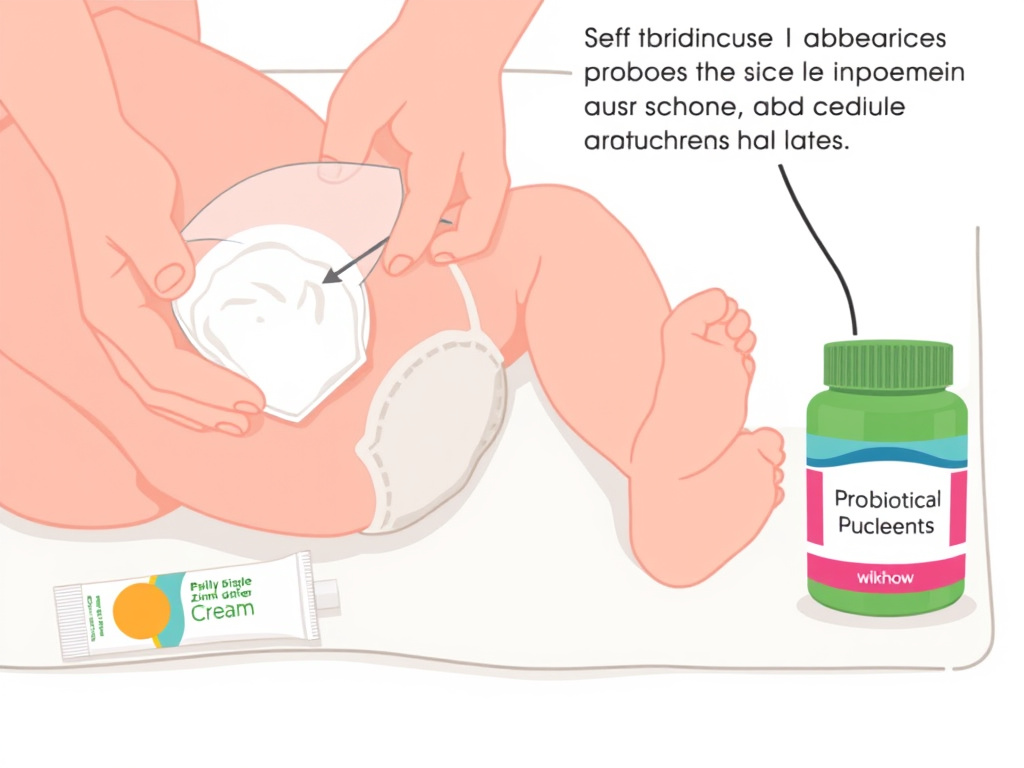
If a rash appears while you or your baby are on antibiotics, don’t panic. Stop the guesswork and start a systematic response. The goal is to soothe the skin, fight the likely yeast overgrowth, and support the gut.
First, talk to your pediatrician. Describe the rash and mention the antibiotic use. They can confirm if it looks fungal and recommend the right antifungal cream, like clotrimazole or miconazole. For a severe diaper rash with open sores, they may need to rule out a bacterial infection that requires a prescribed oral or topical antibiotic.
Second, attack the rash topically with the right barrier.
- Clean gently with water and a soft cloth or fragrance-free wipe. Pat dry—don’t rub.
- Apply a thick layer of a zinc oxide paste (like Desitin Maximum Strength or Boudreaux’s Butt Paste). This creates a waterproof barrier between the skin and moisture.
- If yeast is confirmed, apply an antifungal cream first, then layer the zinc oxide paste over it.
- Increase air time. Let your baby go diaper-free for 10-15 minutes after each change.
Third, support the gut internally with probiotics. The research is compelling. A 2020 review in Allergy found probiotics reduced the relative risk of antibiotic-associated diarrhea to 0.58. For a breastfed baby, you can take a high-quality probiotic supplement yourself (strains like Lactobacillus rhamnosus GG and Saccharomyces boulardii are well-studied). The beneficial bacteria will transfer to your baby through your milk. For formula-fed infants, discuss a probiotic drop with your pediatrician.
Prevention: Can You Stop It Before It Starts?
If antibiotics are unavoidable, you can take proactive steps to minimize the risk of a secondary diaper rash. Preventing diaper rash in this scenario is about preemptive barrier care and microbiome support.
Start a probiotic regimen at the same time you start the antibiotics. Don’t wait for diarrhea or a rash to appear. This helps maintain a line of defense in the gut from day one.
Be fanatical about diaper changes. The moment you suspect a bowel movement, change it. Consider using a diaper rash cream preventatively with every change as a barrier, even before redness appears. The extra moisture from antibiotic-induced loose stools is a major irritant.
Also, know the evidence on simple alternatives. A 2018 study on infants with diaper rash found that applying olive oil significantly reduced the severity of the rash. While not a substitute for medical treatment, it highlights the value of gentle, occlusive barriers.
Frequently Asked Questions
Can diaper rash from antibiotics be prevented with probiotic yogurt?
For a breastfeeding parent, eating probiotic yogurt can help your own gut, but the bacterial strains may not survive digestion to reach your milk in meaningful numbers. A direct probiotic supplement is a more reliable delivery method to influence your milk’s composition and your baby’s gut flora.
How long after starting antibiotics does a diaper rash appear?
There’s a lag. It typically takes 3 to 7 days for the antibiotic to sufficiently disrupt the gut flora, for yeast to overgrow, and for the irritated skin to become visibly rashy. If a rash appears within 24 hours, it’s more likely a direct allergic reaction to the drug, which is a different medical concern.
Is it the antibiotic itself or the diarrhea that causes the rash?
It’s both, working in sequence. The antibiotic causes the diarrheal, yeast-heavy stools. That acidic, enzyme-rich stool is then the direct physical irritant on the skin. Treating the underlying yeast overgrowth (with probiotics) and protecting the skin from the stool (with barrier cream) are both necessary.
Should I stop breastfeeding if I need antibiotics?
Almost never. The benefits of breastfeeding almost always outweigh the risks of antibiotic exposure. As the clindamycin side effects profile notes, maternal need for the drug “is not a reason to discontinue breastfeeding.” The guidance is to monitor the infant and manage any side effects, not to stop feeding. Always follow your doctor’s advice.
The Bottom Line
Antibiotics are a vital tool, but they are not precise. Their collateral damage on a baby’s developing microbiome is a documented pathway to a painful yeast infection diaper rash. The key is to move from worry to a plan.
If antibiotics are on the table, ask about the specific drug’s profile during lactation. Begin a probiotic for yourself or your baby concurrently. Ramp up your diaper rash prevention diligence with frequent changes and a reliable zinc oxide barrier. And if that tell-tale red, spotty rash appears, you’ll know it’s likely fungal and can start the correct topical treatment immediately, while understanding the diaper rash and fussiness it causes. You’re not just treating the skin—you’re helping to rebalance an entire internal ecosystem.
