
How to Reward Potty Training: Proven Methods That Work
This post contains affiliate links. As an Amazon Associate, we learn from qualifying purchases
Reward potty training by following three specific rules: keep the reward immediate, small, and exclusive to the act of trying. A sticker for the attempt, a hand stamp, or a single piece of a preferred snack delivered right after sitting on the potty builds the neurological connection between action and positive outcome. The Washington State OSPI guidelines note that toileting may take up to 24 months, so a system you can sustain matters more than a grand prize.
The gap between a bribe and a genuine reinforcer is about timing and intent. A bribe is offered to stop a behavior. A reward follows a desired action to cement it. Getting this sequence wrong is why so many sticker charts end up ignored on the wall after two weeks.
What follows is a breakdown of the evidence, the mechanics of reinforcement, and the specific exit strategy that prevents your child’s motivation from collapsing when the M&Ms run out.
Key Takeaways
- Rewards work best at the very beginning of training to build a positive association, not as a long-term strategy.
- Never use food, especially sweets, as a primary reward, it can create long-term negative relationships with eating and shift focus from bodily awareness to the treat.
- The most effective rewards are immediate, small, and exclusive to potty use (e.g., a special sticker, a hand stamp, 5 minutes of extra play).
- Have a phased exit plan from day one, gradually replacing the tangible reward with verbal praise and intrinsic pride to avoid regression.
- For children with developmental differences or an IEP, consult the school team; methods like the URMC’s Rapid Toilet Training (RTT) or moisture-sensitive shorts may be more effective than standard reward charts.
What Does the Research Actually Say About Rewards?
The medical literature is clear on one point: there is little level-1 evidence proving any single potty training method is best. A peer-reviewed toilet training study in PMC notes that while operant conditioning, using positive and negative reinforcement, is a component of many methods, the long-term data on outcomes is thin.
Operant conditioning is a component of other training methods; however, this specific approach is based on both positive and negative reinforcement. Dryness is rewarded with affection, toys or candy, and accidents are dealt with through punishment or lack of positive attention.
This creates the framework experts use. The reinforcement must be consistent and the response to accidents neutral. The OSPI guidelines for schools stress a “neutral and accepting attitude about accidents” paired with positive reinforcement. The goal is a safe environment for learning, not a performance review with treats.
The debate among practitioners is real. Some commercial guides, like The Potty School, advocate for rewards used correctly, early and simply. Others, like Rebecca Mottram, argue for a reward-free approach based on timing and pattern recognition. Your job is not to find the universal truth but to identify which philosophy matches your child’s wiring.
The 3 Rules of a Functional Reward System
If you choose to use rewards, treat them like a precision tool. A hammer works for nails but will shatter glass. These three rules are the guardrails.
First, the reward must be immediate. The neurological link between action and consequence is strongest within seconds. A sticker given right after the potty sit, even if nothing happens, reinforces the habit of going. A promise of a toy at the end of the week is too abstract for a toddler’s brain to connect.
Second, keep it small and exclusive. The reward should be something the child can only get through potty-related effort. A special stamp, a unique sticker from a sheet used for nothing else, or two minutes of blowing bubbles with you. If they get the same treat for eating broccoli or cleaning up, the potty’s special signal gets lost.
Third, reward the attempt, not just the result. This is the part most families skip. Celebrating the act of sitting and trying teaches that the routine itself is valuable. It reduces performance anxiety. If the reward only comes for a successful pee, a child who is nervous or simply doesn’t need to go feels like a failure.
| Rule | What It Looks Like | What Happens If You Skip It |
|---|---|---|
| Immediate Delivery | Handing a sticker the moment child stands up from potty. | The child doesn’t connect the reward with the action. Motivation stays external and vague. |
| Small & Exclusive | A special “potty stamp” on the hand, not given at any other time. | The reward loses its unique value. It becomes background noise, not a motivator. |
| Reward the Attempt | Cheering and a sticker for sitting and trying, even dry. | Child becomes stressed about “producing.” Accidents increase due to performance pressure. |
This system is lightweight by design. You are building a bridge, not a monument. The making a potty training chart can be a visual aid for this, but the chart itself isn’t the reward. The immediate, exclusive token is.
The Case Against Food as a Reward
Using sweets as a potty training incentive is a tradition, but it’s a flawed one. The argument against it isn’t about morality; it’s about behavioral psychology and fostering a healthy relationship with food.
Food rewards, especially candy, place sweets on a pedestal. They become a scarce, high-value commodity earned through good behavior. This teaches a child to eat for external reward, not internal hunger. It can undermine intuitive eating abilities they are born with.
Common mistake: Using M&Ms or fruit snacks as the primary potty prize. It links emotional success to sugar consumption and makes the treat the focus, not the skill of listening to their body.
The negative shift is subtle. A child starts thinking about the Skittle they will get, not about the feeling of a full bladder. The goal becomes the candy, not the independence. When you eventually stop the candy, and you must, the motivation for using the potty can vanish because it was never internally rooted.
If you feel a tangible reward is necessary, pivot to non-food items. A sticker chart, a chance to add a block to a growing tower, or five minutes of extra playtime with you. These creative potty training strategies can make potty training fun without introducing food as a bargaining chip.
How to Phase Out Rewards Without Causing Regression
This is where most well-intentioned plans fall apart. The rewards work, the child is going, and then you’re stuck. You can’t give stickers forever. The exit strategy is not an afterthought; it is the core of the plan.
Start thinning the schedule gradually. If you reward every successful trip, move to every other one. Then reward once a day, perhaps after the first morning potty. Then shift to intermittent surprise rewards. Throughout this thinning, increase the volume and specificity of your verbal praise.
Narrate the transition. “You’re getting so good at this that soon you’ll be a potty expert and won’t even need the sticker! You’ll just feel proud of yourself.” This frames it as an upgrade, not a loss.
The warmth and connection should be the last thing to go, actually, they never go. The goal is to move from external prize (sticker) to social reinforcement (your praise) to intrinsic satisfaction (the child’s own pride). The physical reward was just the training wheels.
For children who are particularly reward-driven, a clear potty training chart can help visualize this phase-out. Mark the days when a sticker is earned, and leave days blank with a big star for “I did it all by myself!”
When Standard Rewards Don’t Work: IEPs, Autism, and Alternative Methods
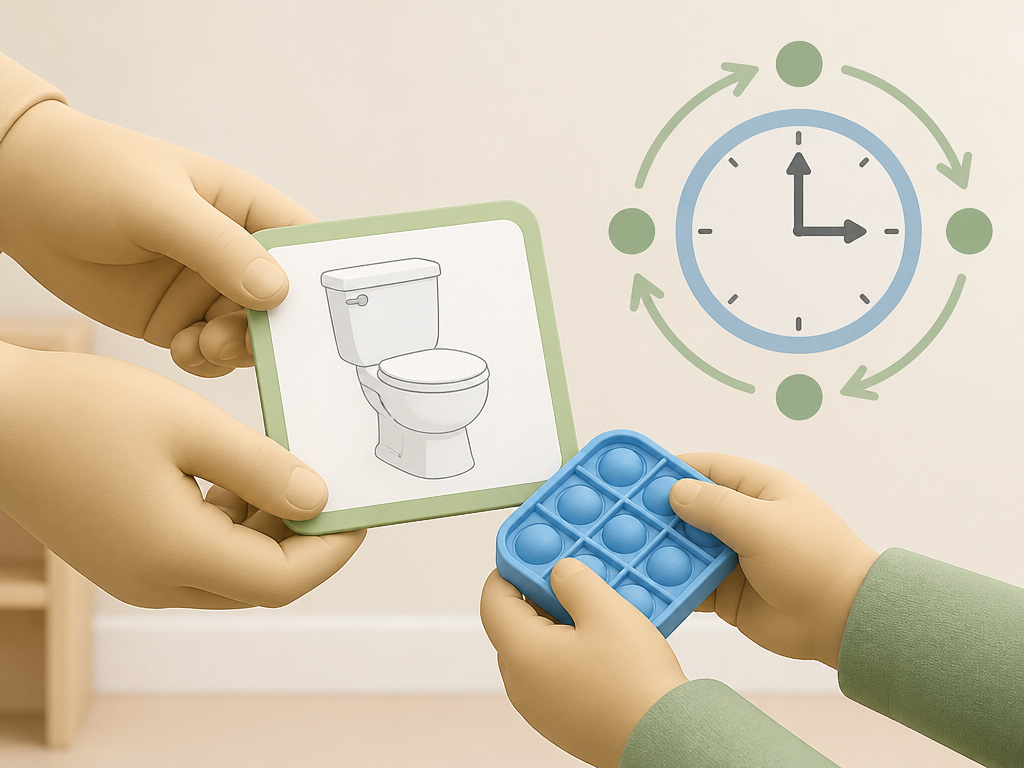
For some children, a standard sticker chart is like trying to unlock a door with the wrong key. Neurodiverse children, those with developmental disabilities, or kids with sensory processing differences often need a fundamentally different approach.
The URMC developmental disabilities resource is explicit: the most researched method for these children is the Rapid Method of Toilet Training (RTT). This involves scheduled sits at regular intervals after increased fluids, with immediate reinforcement for success. It’s structured, repetitive, and bypasses the need for the child to initiate or always recognize the urge.
Perhaps the most well researched method of toilet training for individuals with a developmental disability, including autism, is the Rapid Method of Toilet Training (RTT). This method focuses on giving the child a preferred beverage and then sitting him/her on the toilet at regular intervals until he/she successfully urinates in the toilet.
Another tool mentioned in the research is moisture-sensitive shorts that beep when wet, providing an immediate, external cue to go to the toilet. This can be a game-changer for a child who doesn’t feel or recognize the sensation of urination.
If your child has an Individualized Education Program (IEP), the toileting plan is not a DIY project. The OSPI guidelines state the IEP team leads the effort. This means a formal, documented plan created by professionals, possibly incorporating RTT, visual schedules, or chaining methods, that school staff will follow. Your role is to collaborate, not to surprise them with a home sticker chart.
For a stubborn toddler or a child facing potty training challenges, the answer is rarely a bigger prize. It usually means the underlying process is misaligned. A 3-day method might work for some, but for others, the pressure is counterproductive.
Building Intrinsic Motivation: The Real Goal
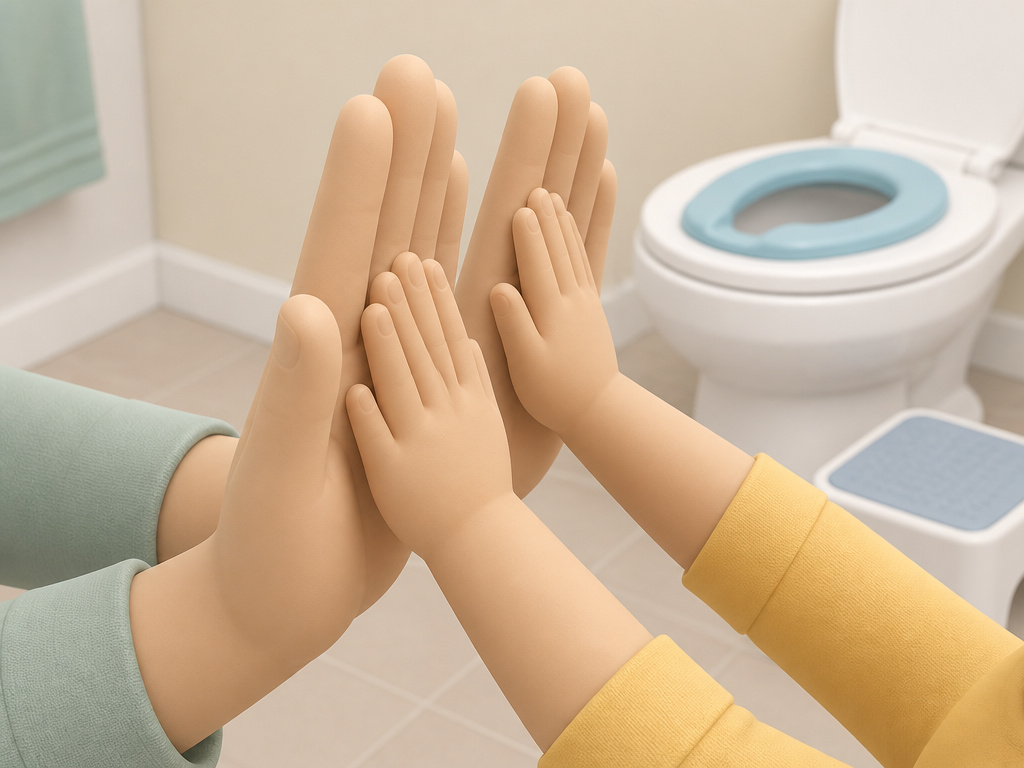
The endgame of potty training isn’t a diaper-free child. It’s a child who understands their body, feels capable, and takes pride in their own competence. Rewards are a shortcut to jump-start the process, but the long-term fuel must come from within.
Focus on the environment and the relationship. Ensure the bathroom is comfortable, a stable step stool, a small seat reducer, warm lighting. Model calm behavior. Use consistent, predictable timing for potty sits, especially after meals or waking.
Your confidence is the most powerful tool. If you approach accidents with a neutral “Oops, let’s clean up and try again later,” you teach resilience. If you radiate anxiety about mess, the child feels the weight of that expectation.
Sometimes, the best reward is simply your full, positive attention. A dance party in the bathroom after a successful try, a silly song, or a big hug. These social rewards don’t create dependency; they strengthen connection. They are the bridge you build while the sticker chart gets phased out.
Whether you’re figuring out how to start potty training a 2-year-old boy or navigating potty training a preschooler, the principle holds. Support the skill, celebrate the effort, and keep your eyes on the real prize: their growing independence.
Frequently Asked Questions
Do you have to use rewards to potty train?
No. Many children train successfully without any tangible rewards. A clear routine, a supportive environment, and your confident guidance are often enough. Rewards are a tactical choice for lowering initial resistance, not a requirement.
What are the best non-food rewards for potty training?
Small, immediate, and exclusive items or experiences work best. Think stickers, hand stamps, temporary tattoos, a special dance with a parent, adding a block to a tower, or five minutes of extra story time. The key is that the child associates it directly with the potty attempt.
My child only goes when there’s a reward. How do I stop?
Gradually thin the reward schedule. Move from every time to every other time, then to once a day, then to random surprise rewards. Amplify your verbal praise and celebration as you decrease the tangible prize. This transition takes a few weeks of consistency.
When should I stop using potty training rewards?
Begin phasing out rewards when your child starts showing internal motivation, going to the potty without being prompted, telling you they need to go, or expressing pride in their accomplishment. That’s the signal that the external reward has done its job.
Are rewards bad for children with autism?
Not necessarily, but the type of reward and the training method may differ. Evidence-based approaches like the Rapid Toilet Training (RTT) method use immediate, consistent reinforcement. A standard sticker chart may be less effective. Always consult with your child’s therapy or school team for an individualized plan.
Before You Go
Rewarding potty training is a short-term tactic, not a long-term strategy. Its only job is to build a positive initial association between the potty and a good feeling. The real work, and the real success, comes from the consistent routine you keep and the confidence you nurture.
Choose rewards that are sustainable for you and meaningful for your child, then plan their obsolescence from the start. Whether your path involves a simple chart or a structured IEP plan, keep the atmosphere light and the focus on progress, not perfection. The goal is a child who feels capable, not a parent who feels relieved.
