
How to Poop in a Diaper | The Specimen Collection Method
This post contains affiliate links. As an Amazon Associate, we learn from qualifying purchases
For medical specimen collection, you intentionally poop in a diaper by first lining it with plastic wrap to prevent absorption, then collecting about ¼ teaspoon of feces from a concentrated portion with a sterile tool, avoiding any urine contamination. This protocol preserves sample integrity for laboratory analysis.
This method is a clinical procedure documented by pediatric research institutions for when a stool sample from an infant is medically necessary and a diaper is the only viable collection vessel. The specifics, the plastic barrier, the tiny volume, the urine rule, exist because lab equipment is sensitive to contaminants and absorbent materials.
What follows: a breakdown of the exact clinical steps, the science behind why diaper absorption ruins samples, and what happens if you skip the lining. This also covers the stark difference between this controlled process and the reality of infant digestion and diaper performance that parents manage every day.
Key Takeaways
- The only legitimate reason to intentionally poop in a diaper is for clinical stool specimen collection, following a strict medical protocol.
- Lining the diaper with plastic wrap is non-negotiable; the super-absorbent polymer inside will otherwise soak up liquid and skew test results.
- Collect only ¼ teaspoon of feces from a concentrated area, avoiding any portion mixed with urine, which invalidates the sample.
- This clinical process is completely separate from managing everyday infant bowel movements, which relies on a diaper’s engineered absorbency and timely changes.
- Forced bowel movements for non-medical reasons are unnecessary and can disrupt a child’s natural digestive rhythm.
The Clinical Method for Sample Collection
This is a lab technique. When a pediatrician needs a fecal sample from an infant who isn’t toilet-trained, the diaper becomes the collection site.But a standard diaper is designed to destroy the very sample you’re trying to capture.
The Clinical Stool Collection Protocol: Line the inside of the diaper with plastic wrap to keep the stool sample from being absorbed. Collect about ¼ teaspoon of feces using a sterile spatula from a concentrated portion, avoiding scraping the diaper. Do not collect a sample that has stool mixed with urine. Store the specimen at -20°C for less than two weeks or -80°C for longer. (Paraphrased from the Baylor College of Medicine diaper specimen guide.)
The core task is defeating the diaper’s primary function. The super-absorbent polymer (SAP), usually sodium polyacrylate, in the absorbent core can hold over 300 times its weight in water. It turns liquid into gel instantly. For a lab testing for enzymes, blood, parasites, or specific bacteria, that absorption alters concentration and can trap the target organisms, rendering the sample useless.
Where this goes sideways: Skipping the plastic wrap. You place the child on the lined diaper, wait for the bowel movement, and immediately transfer the specimen to a sterile container. If the stool touches the diaper’s inner lining, the SAP begins pulling moisture. What reaches the lab is a dehydrated, contaminated mess that can’t be cultured properly.
Step-by-Step: From Lining to Lab
Follow this sequence precisely. Each step exists because a previous sample failed.
- Line the Diaper. Cut a sheet of plastic wrap large enough to cover the entire inner absorbent surface of a clean diaper. Smooth it into place. This barrier is your only defense against the SAP.
- Position the Child. Put the lined diaper on the child as you normally would. The plastic may feel strange, but it shouldn’t cause discomfort. You are now waiting for a natural bowel movement.
- Collect the Sample Immediately. The moment the child poops, remove the diaper. Using a sterile spatula or spoon (often provided by the lab), scoop approximately ¼ teaspoon of feces from the most concentrated area. Do not dig or scrape the plastic or diaper.
- Avoid Urine at All Costs. If the diaper also contains urine, do not collect the sample. Urine chemically alters stool pH and dilutes markers, making many tests inaccurate. Discard and wait for the next bowel movement.
- Transfer and Label. Place the sample in the designated sterile container, seal it, and label it with the required information (name, date, time of collection).
- Refrigerate or Freeze. Follow your specific lab instructions. Generally, samples for certain tests must be frozen within a very short timeframe to preserve bacterial viability.
The ¼ teaspoon volume is the minimum amount needed for most standard pediatric stool assays to perform all necessary cultures and microscopic examinations. More is not better; it risks overwhelming preservatives or requiring larger storage vials.
Why the Rules Are So Specific
Labs work with tiny margins of error. A diaper isn’t a sterile container; it’s a complex, engineered product. The industry’s own EDANA diaper testing guidelines detail how variables like the saline solution used in absorbency tests (0.9% NaCl at 25°C) must be controlled to get reproducible results. Your child’s stool is far less standardized.
| Contaminant | Effect on Stool Sample | Consequence |
|---|---|---|
| Urine | Alters pH, dilutes enzymes and blood markers. | Can mask infections like C. Difficile or falsely suggest malabsorption. |
| Super-Absorbent Polymer (SAP) | Rapidly pulls water and electrolytes from stool. | Dehydrates sample, kills delicate parasites and bacteria, concentrates solids unnaturally. |
| Diaper Lotion (Petrolatum) | Mixes with stool fats. | Interferes with tests for fecal fat content, a key marker for cystic fibrosis or celiac disease. |
| Bacteria from Skin/Environment | Introduces non-gastrointestinal flora. | Can overgrow cultures, hiding the pathogenic bacteria you’re looking for. |
The ban on urine-contaminated samples is absolute. The Baylor College of Medicine diaper specimen guide states it plainly. This is why the protocol depends on timing and a bit of luck, you can’t control when a child urinates. If the sample is mixed, you start over. The cost of running an invalid test is higher than the cost of waiting.
This clinical precision highlights the opposite intent of everyday diaper design. A great diaper aims to pull moisture away instantly to keep skin dry. For a sample, you need that moisture to stay put.
How Diapers Actually Handle Poop (The Everyday Reality)
For parents, the question is about containment and comfort. A baby’s digestive system is immature, and bowel movements are frequent, soft, and unpredictable.The diaper’s job is to manage this passively.
A disposable diaper uses a layered system: 1. Top Sheet: A soft, non-woven layer that feels dry against the skin, allowing liquid to pass through. 2. Acquisition-Distribution Layer (ADL): Channels the mess quickly away from the surface. 3. Absorbent Core: The main event. Contains fluff pulp and sodium polyacrylate SAP granules that lock away moisture. 4. Back Sheet: A waterproof plastic or breathable film that prevents leaks.
When poop is particularly liquid, the SAP gels it up. For solid or semi-solid poop, the containment is more physical, it simply sits in the diaper until the diaper change. This is where the real parental skill resides: recognizing the signs, having a station ready, and cleaning up efficiently to prevent diaper rash.
Common mistake: Assuming a diaper can “handle” a bowel movement for an extended period. Even the best diaper’s primary function is temporary containment, not long-term storage. Feces contains bacteria and enzymes that begin irritating skin within minutes.
The rhythm is set by the child, not a protocol. You don’t “make” them poop. You observe cues, change them promptly, and clean the area thoroughly, a process covered in our guide on changing a diaper. This stands in complete contrast to the single, deliberate event required for medical sampling.
What You Should Never Do
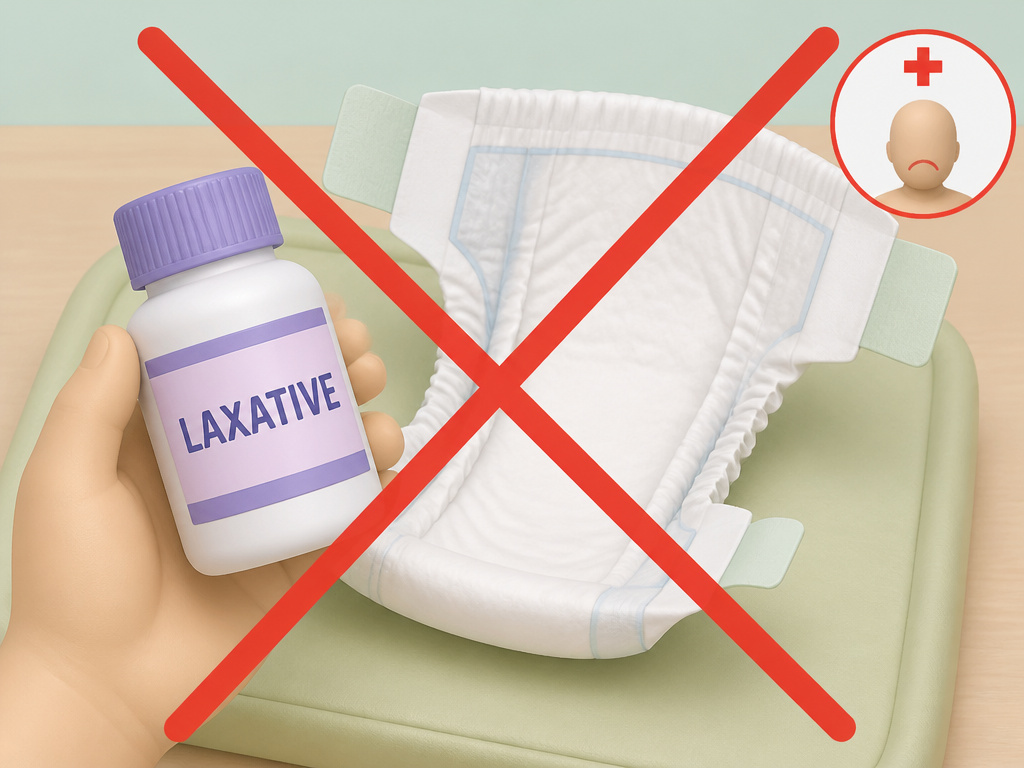
The clinical method has a clear, ethical purpose. Outside of that context, trying to force or control a bowel movement into a diaper is unnecessary and can be harmful.
- Do not use suppositories or laxatives without explicit pediatrician instruction. A child’s digestive system is delicate. Inducing diarrhea for convenience or to “get it over with” leads to dehydration, electrolyte imbalance, and skin breakdown.
- Do not “schedule” poops by manipulating diet extensively outside of normal pediatric advice. While diet affects stool, the goal is healthy, comfortable digestion, not parental convenience.
- Do not let the clinical procedure create anxiety. The plastic wrap and sterile collection are for a rare, specific medical need. They have no place in daily life. Your daily focus is on responsive hygiene, not sample purity.
The diaper changing process is reactive. You provide the clean vessel and manage the aftermath. The idea of actively wanting a child to poop in a diaper, outside of a doctor’s order, misunderstands both infant physiology and the purpose of the product.
Frequently Asked Questions
Can you train a baby to poop in a diaper on command?
No. Infants lack the neuromuscular control for voluntary bowel movements. Their digestion is governed by the gastrocolic reflex, the urge to poop often comes during or shortly after feeding. You can learn their patterns, but you cannot command the event.
Why do some cloth diaper advocates say their babies poop less often?
This is often anecdotal and not rigorously proven. The theory is that a cloth diaper lacks the extreme dryness of SAP, so the child feels the wetness sooner and develops awareness. However, frequency is overwhelmingly determined by diet, age, and individual gut flora, not diaper type. The properties of cloth diapers are different, but they don’t rewire basic infant physiology.
Is it bad if my baby poops right after a diaper change?
It’s frustrating, but it’s normal. It’s often a result of the position change and stimulation of the area during cleaning triggering a reflex. Keep a spare diaper and wipes within arm’s reach. This is a universal parenting experience, not a problem with your diaper changing technique.
How does a Diaper Genie handle poopy diapers?
Diaper Genie uses a long, continuous plastic sleeve that you twist between diapers to seal odors in. It contains the smell effectively, but solid poop should be dumped into the toilet first when possible (as recommended on most disposable diaper packaging). The pail itself needs regular cleaning a diaper pail** to prevent residual odor buildup.
Do pediatricians ever recommend the plastic wrap method for parents?
Only in the specific scenario where they are providing a sample collection kit and explicit instructions for a needed test. It is not a general recommendation for managing poop. For everyday concerns about stool frequency or consistency, they will give guidance on diet and hydration, not collection techniques.
Before You Go
The phrase “how to poop in a diaper” points to two separate worlds. In the clinical world, it’s a precise, barrier-lined procedure focused on preserving a tiny sample for a machine to read. In the real world of parenting, it’s about responding to an innate bodily function with a product designed to absorb and contain.
Remember the divide. Use the plastic-wrap method only if a pediatrician hands you a specimen kit. For everything else, your tools are a reliable diaper, gentle wipes, a good barrier cream, and a well-practiced routine for washing soiled diapers or disposal. The goal is managing the result with care, keeping your child comfortable, and knowing that this phase, like all others, is temporary.
