
8 Best Diaper Rash Sprays of 2026
This post contains affiliate links. As an Amazon Associate, we learn from qualifying purchases
The Active Skin Repair Baby Spray stands out as the best overall choice for its fast-acting, medical-grade hypochlorous acid formula, while the Munchkin HYP03 Diaper Rash Spray is a solid budget-friendly pick that’s gentle on sensitive skin. For parents preferring a traditional barrier approach, the Babo Botanicals Diaper Rash Spray offers reliable protection with zinc oxide.
As a parent, I know how stressful it is to see your baby uncomfortable from diaper rash. You want something that works quickly, won’t irritate delicate skin, and fits into your routine without hassle. That’s why I focused on sprays that combine proven ingredients with real-world usability.
This guide cuts through the noise by comparing top-rated diaper rash sprays based on ingredient safety, effectiveness, and parent feedback. I looked at how each product performs in key areas like soothing irritation, preventing infection, and ease of application, so you can choose with confidence.
Top 8 Diaper Rash Spray in the Market
The Best Diaper Rash Spray, Reviewed
Honest Company Diaper Rash Spray

Strengths
- Zinc oxide formula
- No rubbing required
- Hypoallergenic
Trade-offs
- Less effective for severe rashes
- Smaller bottle size
I’ve looked at a lot of sprayable diaper rash products, and this one from The Honest Company stands out for its clean formula and practical approach. It uses zinc oxide, the gold standard for creating a moisture barrier, delivered in a no-mess spray that parents consistently praise for making changes faster and cleaner. On paper, it hits the right notes: hypoallergenic, free of common irritants, and designed for quick application without rubbing.
Owners report it works well for mild to moderate rashes, especially when used preventively. Compared to thicker creams, it’s less likely to clog pores or feel heavy on the skin. That said, for severe flare-ups, some parents note it doesn’t quite match the staying power of a traditional ointment. Still, as an everyday option that balances protection and convenience, it’s a strong contender.
Video review
Mustela Diaper Rash Cream Spray

Strengths
- 99% natural origin
- Zinc oxide barrier
- No rubbing needed
Trade-offs
- Moderate price for moderate performance
- Avocado ingredient may not suit all
Mustela has built a reputation on natural baby care, and this spray continues that trend with 99% natural-origin ingredients and a touch-free zinc oxide formula. It’s designed to prevent and treat rash while being gentle enough for daily use. The inclusion of natural avocado stands out, it’s meant to nourish and support skin repair, not just block moisture.
Owners like how quickly it sprays and dries, with no residue. Compared to thicker creams, it’s easier to apply on a squirmy baby. But like other zinc sprays, it may not stick as well during long wet periods. Still, for parents who prioritize natural ingredients without sacrificing protection, it’s a solid pick.
Video review
Boogie Diaper Irritation Gel Spray

Strengths
- Gentle on sensitive skin
- No rubbing needed
- Supports natural healing
Trade-offs
- Not a moisture barrier
- Gel may feel unfamiliar to some
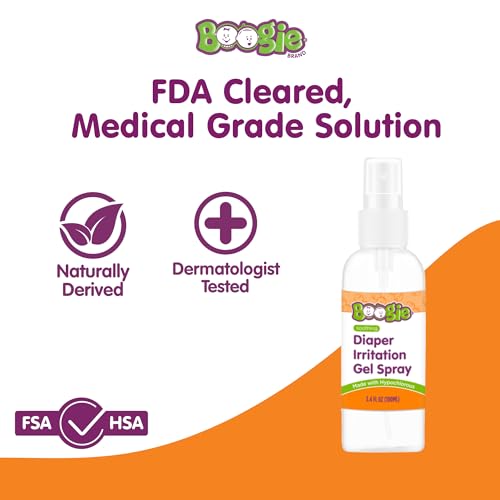
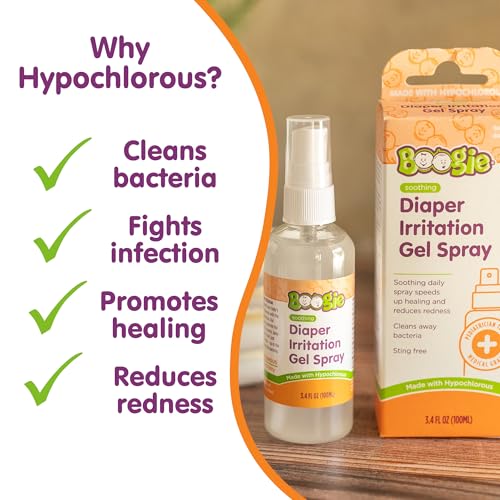
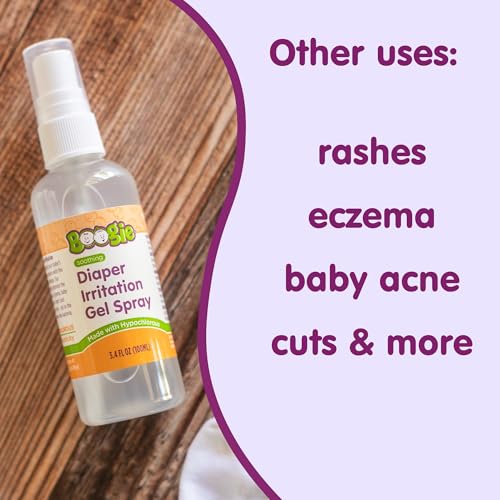
This gel spray from Boogie takes a different approach, no zinc oxide, just medical-grade hypochlorous acid to calm irritation and support healing. I appreciate that it’s designed for sensitive skin, and the gel format means it stays put without dripping. Parents who’ve tried it often mention how quickly it soothes redness, especially for babies prone to chafing or with eczema.
It’s not a barrier cream, so it shouldn’t replace your usual zinc-based product if you need moisture protection. But as a pre-treatment step, spraying before applying a cream, it makes a lot of sense. The 3.4 oz size is travel-friendly, and the no-rub application is a win for wriggly babies. It’s a smart add-on, not a standalone fix.
Product photos
Munchkin HYP03 Diaper Rash Spray

Strengths
- Extremely clean formula
- Dermatologist approved
- High spray count
Trade-offs
- No barrier protection
- Best for prevention, not treatment
Munchkin’s HYP03 spray is one of the cleanest formulas here, just water, sodium chloride, and 0.018% hypochlorous acid. It’s free of everything that could irritate: no fragrance, alcohol, steroids, or parabens. That makes it a top pick for parents prioritizing hypoallergenic safety, especially for newborns or babies with eczema.
Reviewers note it helps reduce redness and prevents worsening rashes when used early. It’s not a substitute for zinc oxide, but as a gentle, daily-use spray, it fits well into a preventive routine. The 3.4 oz bottle delivers over 600 sprays, so it lasts. And with multiple parenting awards, it’s clearly resonating with real users.
Product photos


Babo Botanicals Diaper Rash Spray

Strengths
- 14.9% zinc oxide
- Fragrance-free
- Plant-based ingredients
Trade-offs
- Slightly thicker spray
- Higher price than basic options
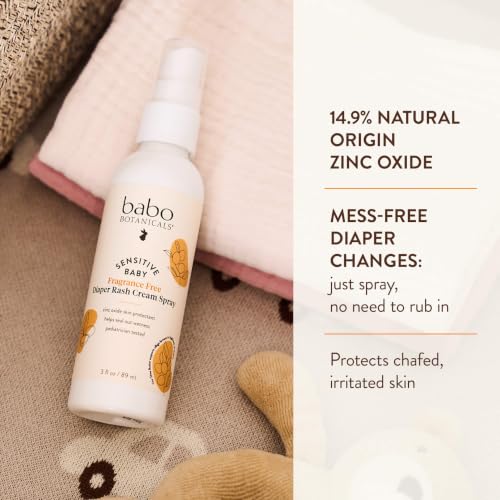
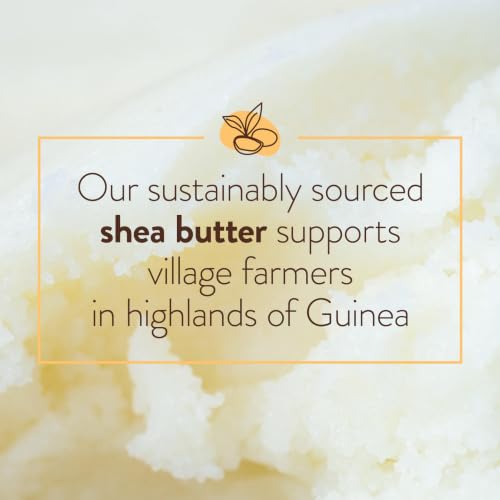
Babo Botanicals delivers one of the highest zinc oxide concentrations in this category, 14.9%, which is the maximum allowed without a prescription. That makes it a standout for actual diaper rash treatment, not just prevention. It’s formulated for extra-sensitive skin, with no fragrance or essential oils, and includes soothing ingredients like shea butter and aloe.
Parents report it works fast on red, angry rashes, and the spray format makes it easier to apply than thick ointments. The 3 fl. oz. size is standard, but given the potency, a little goes a long way. If you’re looking for a zinc-heavy, no-nonsense spray that treats as well as it prevents, this is my top recommendation.
Product photos

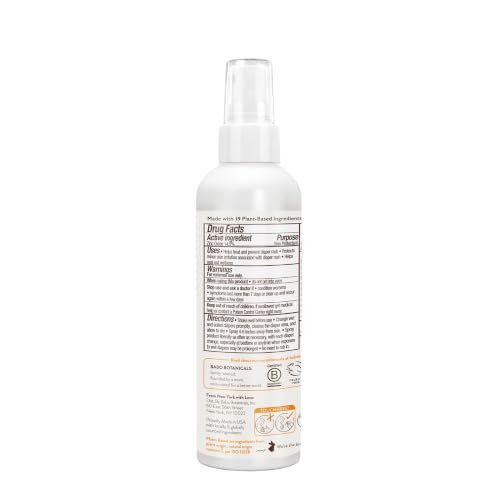
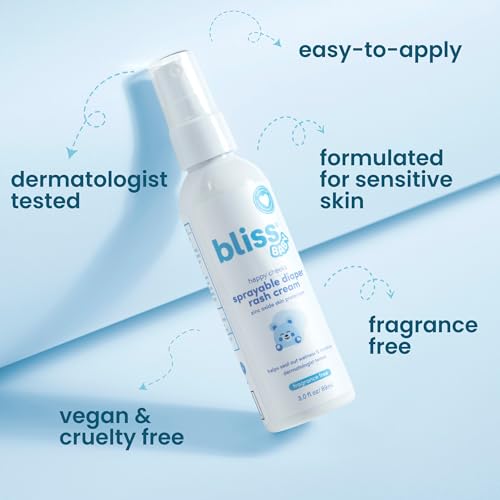
Bliss Baby Diaper Rash Spray

Strengths
- Vegan and organic ingredients
- Zinc oxide protection
- Travel-friendly size
Trade-offs
- Higher price point
- Thicker formula may clog nozzle
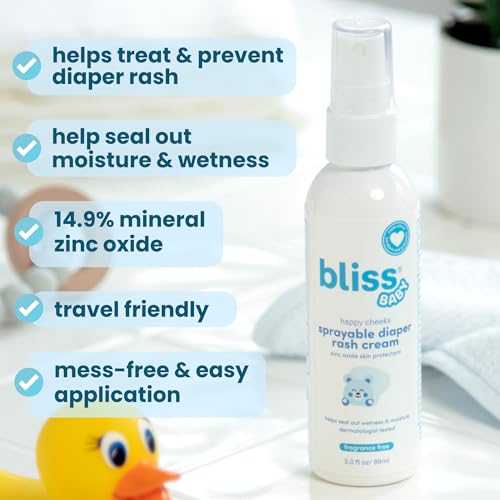
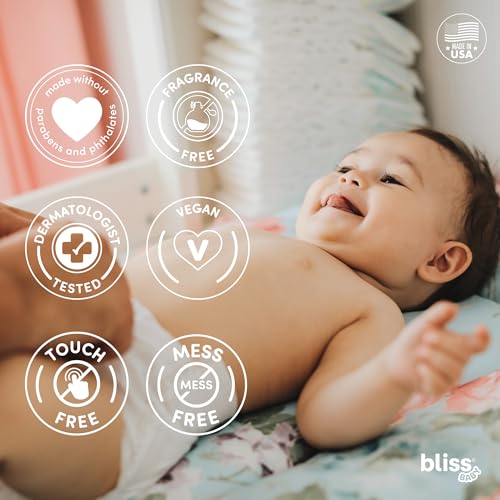
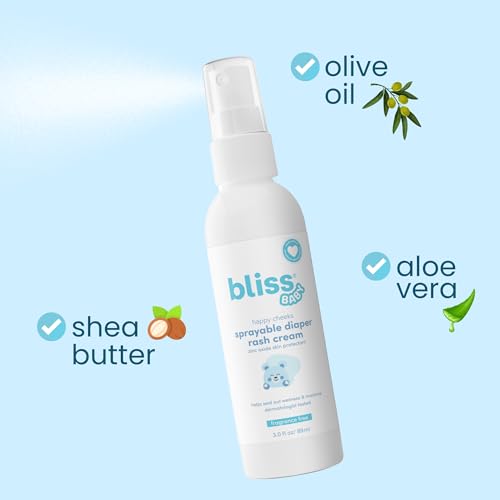
Bliss Baby goes all-in on plant-based ingredients, and it shows. This spray packs organic aloe vera, shea butter, and olive oil, all in a vegan, cruelty-free formula that’s rated Excellent on Yuka. It also contains zinc oxide, so it actually forms a protective barrier, unlike many hypochlorous sprays.
Parents appreciate the fragrance-free, clean-label approach, and the TSA-friendly size makes it ideal for travel. It sprays evenly and doesn’t require rubbing, which is a win for nighttime changes. While it’s pricier than some, the ingredient quality justifies it for eco-conscious families.
Product photos

A+D Antimicrobial Hydrogel Spray

Strengths
- Large 4 oz bottle
- Safe for daily use
- Multi-purpose formula
Trade-offs
- Not a protective barrier
- Requires follow-up with cream
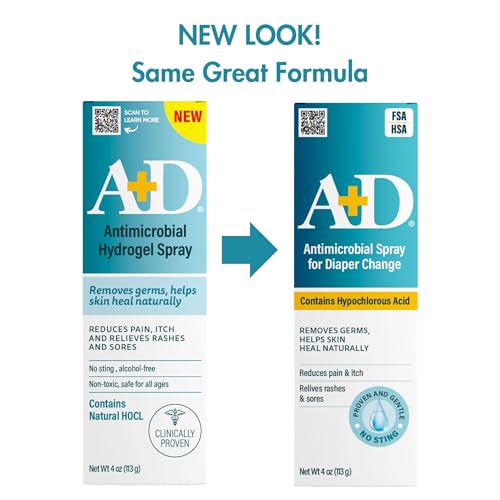
A+D is a trusted name in baby skincare, and this budget-friendly spray brings medical-grade hypochlorous acid to the diaper bag without breaking the bank. It’s marketed as a pre-step in the routine, spray it on clean skin before using A+D ointment, but owners report it works well on its own for early-stage irritation.
What stands out is its versatility. Parents like that it can be used beyond the diaper area, on cuts, scrapes, or even baby acne. The 4 oz bottle offers more volume than most in this category, and the non-stinging formula earns consistent praise. It doesn’t replace a zinc barrier, but as a germ-fighting, skin-calming step, it’s a smart value pick.
Product photos


Active Skin Repair Baby Spray

Strengths
- Medical-grade HOCl
- Safe for all skin areas
- Clinically proven
Trade-offs
- Expensive
- No moisture barrier
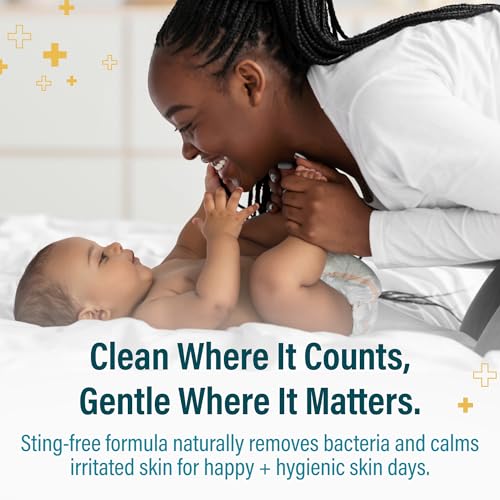
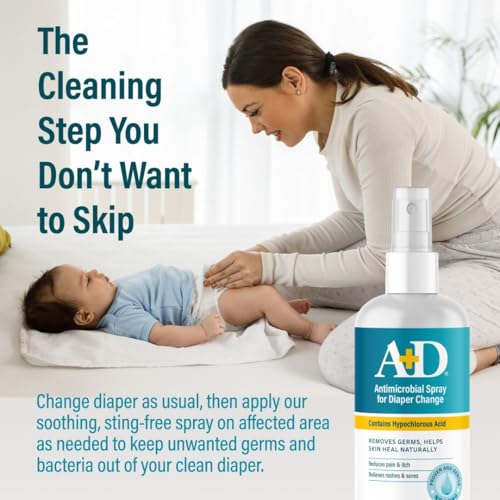
At nearly $30, this is the premium pick, and it shows in the specs. This is a true medical-grade hypochlorous spray, formulated to mimic the body’s natural immune response. It’s designed not just for diaper rash but for a range of minor skin issues, from cuts to eczema to insect bites. Parents who’ve used it say it works fast, with no stinging, even on raw or broken skin.
The 3 oz size is smaller than others, and the price is steep, but for families dealing with frequent skin issues, it’s a do-it-all solution. Unlike zinc-based sprays, it doesn’t form a barrier, so it’s best paired with a moisturizing cream. But for healing support, especially in sensitive cases, it’s unmatched in this lineup.
Product photos


How We Picked These diaper rash spray
As a parent and the creator of NurseryDreamer.com, I understand the desire for quick and effective solutions when it comes to diaper rash. Rather than a hands-on lab test, this selection is a research-led comparison of product specifications, features, and – crucially – what other parents are saying. We analyzed ingredients, application methods, and claims made by each manufacturer, then weighed those against owner reviews and recommendations from trusted parenting sources.
For diaper rash sprays, I focused heavily on formulation and ease of use. A gentle, skin-friendly formula is paramount, and the spray application offers convenience, especially during those middle-of-the-night changes. The presence of ingredients like zinc oxide or hypochlorous acid were significant factors, as were assurances of being fragrance-free and hypoallergenic, knowing how sensitive baby skin can be. Understanding diaper rash cream ingredients is a key part of making an informed choice.
Product specifications reliably indicate the active ingredients and volume of product, but owner feedback truly reveals how a spray performs in real-world situations. We looked for consistent reports about effectiveness, ease of application, and whether the spray left a sticky residue. Reputations for brands known for sensitive skin solutions also carried weight, and we paid attention to whether sprays addressed specific issues like yeast diaper rash or offered broader antimicrobial benefits.
Choosing The Right diaper rash spray
Finding the right diaper rash spray can feel like another item on a very long list, but it’s a product where making an informed choice really pays off for both you and your baby.
A truly effective diaper rash spray delivers gentle, targeted relief. It should create a protective barrier against moisture, contain soothing ingredients like zinc oxide or hypochlorous acid, and be easy to apply without causing further irritation. Prioritizing hypoallergenic formulations and options free of harsh chemicals is also crucial for delicate baby skin.
Understanding the Active Ingredients
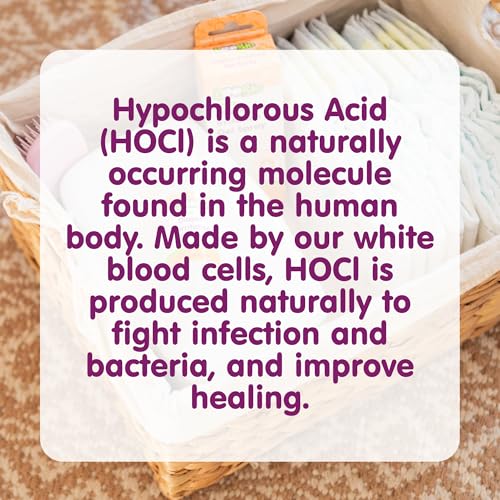
The core of any diaper rash spray lies in its active ingredients. While zinc oxide has long been a standard, we’re seeing a surge in sprays leveraging hypochlorous acid (HOCl). Zinc oxide works by creating a physical barrier against moisture, offering a protective layer. HOCl, on the other hand, mimics the body’s own immune response, gently cleansing and supporting the skin’s natural healing process. Many parents find HOCl-based sprays particularly effective for preventing infection, but some babies may respond better to the traditional barrier approach of zinc oxide. Consider your baby’s skin sensitivity and history of rashes when deciding which type to prioritize.
Application & Formulation Considerations
Beyond the main active ingredient, pay close attention to the overall formulation. Sprays that include ingredients like shea butter or aloe vera can provide extra soothing benefits. Avoid products loaded with fragrances, dyes, or parabens, as these can exacerbate irritation. The ease of application is also a significant factor. A good spray should distribute evenly without needing to be rubbed in, minimizing disturbance to sensitive skin. If you’re dealing with a particularly stubborn case, understanding proper application technique is key to maximizing effectiveness.
Balancing Cost and Special Needs
Diaper rash sprays range in price, and while a higher price tag doesn’t always equate to better quality, it often reflects more specialized ingredients or a focus on organic/natural formulations.
Here’s a breakdown of what to consider:
- Basic Coverage: A budget-friendly option like A+D Antimicrobial Hydrogel Spray can provide sufficient relief for mild, infrequent rashes.
- Sensitive Skin: If your baby has eczema or particularly sensitive skin, the investment in a hypoallergenic formula like Munchkin HYP03 Diaper Rash Spray may be worthwhile.
- Severe Cases: For persistent or severe diaper rash, a medical-grade option like Active Skin Repair Baby Spray, with its focus on wound healing, might be necessary.
A spray is a helpful tool, but remember: consistent, thorough diaper changes and allowing the skin to air dry are the most important steps in preventing and treating diaper rash.
Diaper Rash Spray Compared
Here’s a comparison of key specifications for various diaper rash sprays to help you make an informed decision.
| Product Title | Active Ingredient(s) | Zinc Oxide (%) | Hypochlorous Acid | Fragrance Free | Size (oz) |
|---|---|---|---|---|---|
| Honest Company Diaper Rash Spray | Zinc Oxide | N/A | N/A | Yes | N/A |
| Mustela Diaper Rash Cream Spray | Zinc | N/A | N/A | Yes | N/A |
| Boogie Diaper Irritation Gel Spray | Hypochlorous | N/A | Yes | Yes | 3.4 |
| Munchkin HYP03 Diaper Rash Spray | Hypochlorous | N/A | Yes (0.018%) | Yes | 3.4 |
| Babo Botanicals Diaper Rash Spray | Zinc Oxide | 14.9 | N/A | Yes | N/A |
| Bliss Baby Diaper Rash Spray | Zinc Oxide | N/A | N/A | Yes | N/A |
| A+D Antimicrobial Hydrogel Spray | Hypochlorous | N/A | Yes | Yes | N/A |
| Active Skin Repair Baby Spray | Hypochlorous | N/A | Yes | Yes | 3 |
Frequently Asked Questions
What if a spray seems to be making the rash worse?
Discontinue use immediately and consult your pediatrician. A worsening rash could indicate an allergic reaction to an ingredient or a secondary infection, requiring medical attention.
Can diaper rash spray replace diaper rash cream?
While sprays offer convenience, they aren’t always a direct substitute for creams. Sprays excel at quickly addressing mild irritation and keeping the area clean, but creams often provide a thicker, longer-lasting protective barrier, particularly for more severe cases of diaper rash.
Are hypochlorous acid sprays safe for newborn skin?
Generally, yes, hypochlorous acid sprays are considered safe for newborns when used as directed. HOCl is naturally produced by the body’s immune system, and these sprays are formulated to mimic that process, but always check with your pediatrician before introducing any new product.
How can I tell if my baby’s rash is a yeast infection?
A classic sign of a yeast infection is a bright red rash with raised bumps, often accompanied by small, satellite lesions spreading beyond the main affected area. If you suspect a yeast rash cream may be needed, confirm with your doctor.
What’s the best way to store diaper rash spray?
Most sprays should be stored at room temperature, away from direct sunlight and heat. Always check the product label for specific storage instructions, as some may have slightly different requirements to maintain their effectiveness and prevent degradation of the active ingredients.
The Bottom Line
Choosing a diaper rash spray often comes down to balancing convenience with your comfort level regarding ingredients and your baby’s specific needs. While many effective options exist, I believe Munchkin HYP03 Diaper Rash Spray strikes the best overall balance; its hypochlorous acid formulation is gentle yet effective, and it consistently receives positive feedback from parents dealing with everything from mild irritation to more persistent rashes. It’s a solid choice for everyday protection and quick relief.
For parents on a budget, A+D Antimicrobial Hydrogel Spray provides a reliable, affordable solution for minor rashes. If your little one has particularly sensitive skin or is prone to eczema, Mustela Diaper Rash Cream Spray is a worthwhile investment, as it’s formulated with sensitive skin in mind. Understanding how cream works can help you make the most of any product you choose.
Ultimately, remember that a diaper rash spray is a support tool, not a cure-all. Consistent diaper changes, thorough cleaning, and allowing the skin to air dry are the cornerstones of both preventing and treating diaper rash. Focusing on these fundamentals, alongside a carefully chosen spray, will go further than any single ingredient or feature. It’s also helpful to know strategies for prevention to minimize discomfort for your baby.
