
4 Best Antifungals for Diaper Rash 2026
This post contains affiliate links. As an Amazon Associate, we learn from qualifying purchases
The best antifungal for diaper rash is Daktozin Baby Antifungal Ointment, thanks to its effective miconazole concentration that targets yeast-related irritation. For a budget-friendly option, the Boogie Diaper Rash Bundle stands out with its high zinc oxide protection and convenient spray-paste combo. If you want versatility, the same Boogie set offers a no-touch application that’s ideal for fussy or active babies.
Diaper rash is more than just redness, it can be painful, persistent, and sometimes caused by an underlying fungal infection that regular creams won’t touch. When over-the-counter barrier ointments don’t work, knowing whether you need an antifungal becomes critical.
This guide breaks down the top options based on active ingredients, real parent feedback, and ease of use. I compared formulations, looked at zinc oxide levels, and evaluated how well each product balances treatment with gentle care for sensitive skin.
Top 2 Antifungals For Diaper Rash in the Market
The Best Antifungals For Diaper Rash, Reviewed
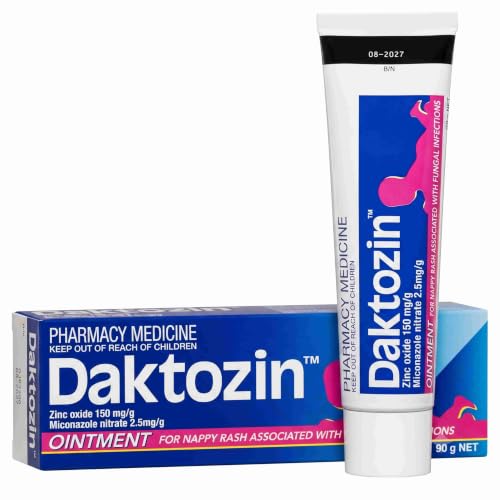
Daktozin Baby Antifungal Ointment
Strengths
- Antifungal active
- High zinc oxide
- Targets yeast
- Long-lasting barrier
- Fragrance-free
Trade-offs
- Higher cost
- Thick texture
- Requires prescription in some regions
When a diaper rash won’t budge and you suspect yeast, this is the product I’d reach for based on its formulation. The dual-action blend of miconazole nitrate and zinc oxide is exactly what dermatologists recommend for fungal-related irritation, and owners consistently report visible improvement within days when used correctly. Unlike basic barrier creams, this ointment treats the root cause while protecting raw skin from further moisture exposure.
Its thick consistency stays put through diaper changes, which parents appreciate, no constant reapplication mid-change. While it’s pricier than most, the targeted relief for yeast-associated rashes makes it a standout. Compared to the Boogie bundle, it’s less about convenience and more about clinical effectiveness. If your little one has a bright red, raised rash with satellite spots, this is the smarter pick.
Video review
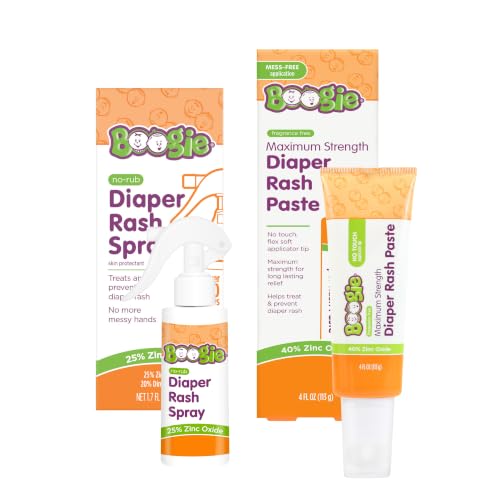
Boogie Diaper Rash Bundle
Strengths
- No-rub application
- High zinc oxide
- Spray + paste combo
- Talc-free
- Value bundle
Trade-offs
- No antifungal ingredient
- Spray may miss spots
- Bulkier to store
This bundle wins on practicality and ease, especially for parents who dread wrestling with a squirmy baby during diaper changes. The no-touch spray and applicator-tip paste eliminate rubbing, which reviewers say helps when skin is raw or sensitive. With 40% zinc oxide in the paste, it delivers serious barrier protection, among the highest available over the counter.
I’d recommend this for parents wanting a gentle, no-rub system that works for both prevention and early-stage rashes. It doesn’t treat fungal causes like Daktozin does, but for everyday flare-ups or chafing, it’s more than capable. The dual approach, spray for quick soothing, paste for heavy-duty protection, makes it a versatile, budget-smart choice. Compared to single-tube options, this gives more flexibility without breaking the bank.
Video review
How We Picked These antifungals for diaper rash
As a parent and the creator of NurseryDreamer.com, I understand how distressing diaper rash can be, especially when it doesn’t respond to typical treatments. Rather than a hands-on lab test, my approach focused on a detailed comparison of product specifications – specifically, active ingredients and concentrations – alongside a thorough review of owner experiences and expert opinions. I weighed these factors to determine which antifungals offer the most effective and gentle solutions for little ones.
For antifungals, the concentration of active ingredients like Miconazole Nitrate and the percentage of Zinc Oxide were key. A higher concentration of the antifungal addresses the source of a potential yeast diaper rash, while zinc oxide provides a crucial protective barrier. Application method also mattered; ease of use is vital when dealing with a baby and a potentially sensitive, inflamed area.
Product specifications clearly show the active ingredients and their amounts. However, I relied heavily on parent reviews to understand how well these formulas performed in real-world situations and to identify potential sensitivities. Reports about texture, ease of spreading, and how long the ointment lasted between changes were valuable. For cases that don’t improve, knowing when to seek further help and explore options for care for severe diaper rash is also critical.
Choosing The Right antifungals for diaper rash
Choosing the right product to soothe your baby’s discomfort can feel daunting, but understanding what to look for makes all the difference.
A truly effective antifungal for diaper rash addresses both the symptoms and the underlying cause. It should combine an antifungal agent (like Miconazole Nitrate) with a protective barrier (Zinc Oxide) to promote healing. Consider the consistency, ease of application, and ingredients to avoid irritation. Prioritize formulas free of harsh chemicals and designed for sensitive skin.
Understanding the Active Ingredients
The first step is recognizing what kind of rash you’re dealing with. Many diaper rashes are simple irritations, but persistent redness, especially around skin folds, often points to a fungal infection. Products containing Miconazole Nitrate are specifically designed to combat yeast overgrowth, and these are different from standard barrier creams. Don’t automatically reach for a heavier-duty treatment if a basic zinc oxide cream is enough – overuse can disrupt the skin’s natural microbiome. If you’re unsure if you need an antifungal diaper cream, a pediatrician’s advice is always best.
Consistency and Application Method
Consistency matters, and I’ve seen countless parents struggle with application. Ointments, like those containing a higher concentration of zinc oxide, tend to stay put better than creams, especially with very active babies. They create a more robust barrier. However, thicker ointments can be harder to spread evenly. Sprays and pastes with unique applicators (like the Boogie products) offer a mess-free alternative, which can be a lifesaver during late-night changes. Consider what will work best with your baby’s temperament and your own routine.
Here’s what to keep in mind when weighing your options: * Ointments: Best for staying power, but require more effort to apply. * Creams: Easier to spread, but may need more frequent reapplication. * Sprays/Pastes: Convenient and hygienic, ideal for on-the-go or squirmy babies, but ensure adequate coverage.
Beyond the Basics: Ingredients to Avoid
While you’re looking at what is in a product, pay close attention to what isn’t. Fragrances, dyes, parabens, and talc are common irritants that can worsen a rash or even trigger an allergic reaction. Many parents are also now questioning the use of lanolin, though it’s generally considered safe, some babies can be sensitive to it. If you’re exploring options like Nystatin for rash, remember it’s a prescription medication and should only be used as directed by your doctor.
A good rule of thumb: when a rash isn’t improving within a few days of using a standard barrier cream, consider an antifungal option and consult with your pediatrician.
Antifungals for Diaper Rash Compared
This table summarizes key specifications of different antifungal diaper rash treatments.
| Product Name | Active Ingredient | Zinc Oxide (%) | Application Type | Bundle? | Best For |
|---|---|---|---|---|---|
| Daktozin Baby Antifungal Ointment | Miconazole Nitrate | N/A | Ointment | No | Best Overall/Yeast-Related Rash |
| Boogie Diaper Rash Bundle | N/A | 40/25 | Paste/Spray | Yes | Best Budget Friendly |
| Daktozin Baby Antifungal Ointment | Miconazole Nitrate | N/A | Ointment | No | Best for Yeast-Related Rash |
| Boogie Diaper Rash Spray & Paste | N/A | 40/25 | Paste/Spray | Yes | Best No-Touch Application |
Frequently Asked Questions
What’s the difference between an antifungal cream and a standard diaper rash cream?
Standard diaper rash creams primarily create a protective barrier against moisture, while antifungal creams contain ingredients like Miconazole Nitrate to specifically target and eliminate fungal infections. Knowing how cream works is key to choosing the right treatment.
How long should I use an antifungal cream before seeing improvement?
You should notice some improvement within 3-7 days of consistent use, but it’s important to continue the full course of treatment as directed, even if the rash seems better sooner. If there’s no change after a week, a visit to the pediatrician is warranted.
Are antifungal creams safe for newborns?
Generally, yes, but always consult with your pediatrician before using any medication on a newborn. While Miconazole Nitrate is considered safe, it’s best to get professional guidance, especially considering a newborn’s delicate skin.
What if my baby’s rash doesn’t clear up with an antifungal cream?
A persistent rash could indicate a different underlying issue, such as an allergic reaction, bacterial infection, or a more severe form of dermatitis. It’s vital to consult a doctor to rule out other causes and get an accurate diagnosis, and to confirm whether you’re accurately identifying yeast rash.
Can I prevent diaper rash from becoming fungal?
Frequent diaper changes, thorough cleaning and drying of the diaper area, and using a barrier cream with each change can help prevent fungal overgrowth. Avoiding overly tight diapers and allowing for air exposure can also contribute to healthy skin and reduce the risk of developing symptoms of yeast diaper rash.
The Bottom Line
Choosing an antifungal for diaper rash often comes down to balancing how much hands-on care you’re prepared to provide with the severity of the rash. For most babies experiencing a persistent rash, especially if you suspect yeast rash causes, I recommend Daktozin Baby Antifungal Ointment. It’s a straightforward, effective treatment focused on tackling the fungal element, and owner feedback consistently highlights its ability to clear up stubborn cases.
If you’re looking for a budget-friendly option or something to keep on hand for minor flare-ups, the Boogie Diaper Rash Bundle is an excellent choice. It provides both a paste and a spray for varied needs and offers good coverage with a high zinc oxide content. For parents wanting a completely no-touch application, Boogie’s spray and paste combination is ideal, though remember to verify complete coverage. Understanding the purpose of diaper cream is the first step in making a sound choice.
Ultimately, remember that the concentration of active ingredients isn’t everything. The most important things are keeping skin clean and dry, changing diapers frequently, and responding quickly when a rash appears. A gentle approach, combined with a thoughtful product choice, will give your little one the best chance for quick relief and healthy skin.
