
6 Best Cloth Diaper Inserts of 2026
This post contains affiliate links. As an Amazon Associate, we learn from qualifying purchases
The ALVABABY 4-Layer Inserts are our top pick for their reliable absorbency and sturdy construction, making them a solid everyday choice. For a budget-friendly option, the Babygoal 3-Layer Microfiber Inserts deliver decent performance without breaking the bank. If you’re after something softer and more eco-friendly, the Babygoal 4-Layer Bamboo Inserts offer a great balance of comfort and absorbency.
Choosing the right cloth diaper insert shouldn’t mean guessing what will actually keep your baby dry. With so many materials and layer counts out there, it’s easy to end up with leaks or bulky fits. In this guide, I break down what really matters, absorbency, fit, and durability, based on specs, real parent feedback, and my deep explore what works in real life. These picks reflect the best balance of performance and value for different needs.
Top 6 Cloth Diaper Inserts in the Market
The Best Cloth Diaper Inserts, Reviewed
ALVABABY 12PCS 4-Layer Inserts

Strengths
- Good absorbency for daily use
- Soft suede top layer
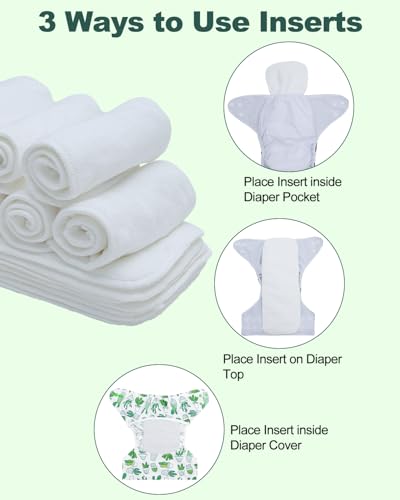
- Fits most pocket diapers
Trade-offs
- Not ideal for overnight
- Less effective for heavy wetters
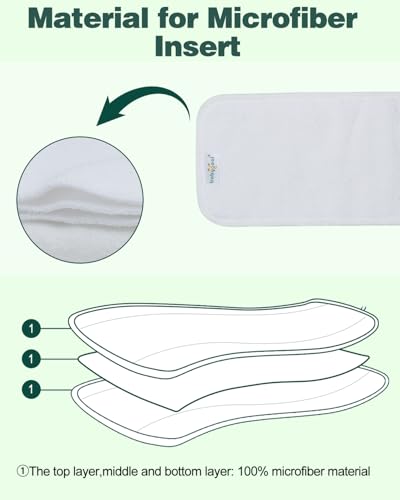
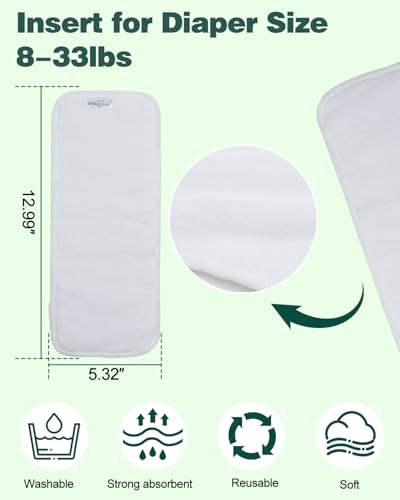
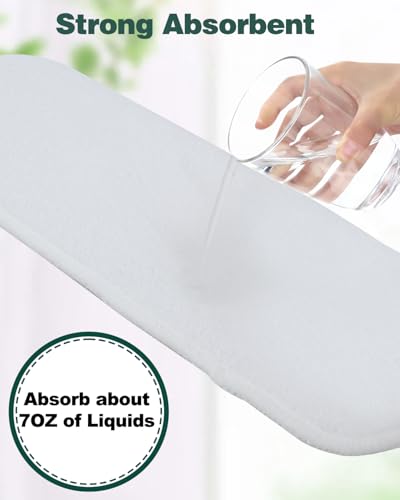
I like that these inserts strike a solid balance between absorbency and softness, especially with the 2-layer microfiber core wrapped in fiber and suede cloth. On paper, the 4-layer design makes sense for moderate wetters, and owners consistently report they hold up well over multiple washes without thinning. The size is generous enough to fit most one-size diapers, which helps reduce gapping.
Still, while they’re marketed as lasting from newborn to toddler, I’d say they work better once baby hits at least 10 pounds. For heavy wetters, reviewers note you’ll need to double up, which isn’t always ideal. Compared to hemp blends, these dry faster but don’t hold quite as much volume.
Video review
Babygoal 4-Layer Bamboo Inserts

Strengths
- Extremely soft on delicate skin
- Improves with washing
- Good for rash-prone babies
Trade-offs
- Moderate absorbency
- Takes longer to dry
With 71% rayon from bamboo, these inserts are among the softest in the lineup, and that matters if your baby has sensitive skin or a history of rashes. Owners with eczema-prone babies often single these out for being gentle yet still absorbent. The inner microfiber speeds up wicking, and since bamboo fibers improve with each wash, these get better over time.
That said, while they’re great for comfort, they’re not the strongest performers overnight. You’ll likely need two per diaper for heavy wetting, and because bamboo takes longer to dry, managing a full rotation requires planning. But for daytime sensitivity, they’re hard to beat.
Video review
Babygoal 3-Layer Microfiber Inserts

Strengths
- Very affordable
- Fast drying
- Easy to replace
Trade-offs
- Low absorbency for overnight
- Can feel rough over time
At this price point, these 3-layer microfiber inserts deliver exactly what you’d expect: basic, functional absorbency without frills. They’re best used as day-time liners or spares when you’re caught short. Owners praise how quickly they dry and how affordable replacements are, making them ideal for building stash size without overspending.
But let’s be honest, microfiber alone just doesn’t cut it for heavy wetters or overnight. Some users report compression leaks after a few months, and they don’t feel as plush against skin. Still, for occasional use or budget-first setups, they make sense as part of a broader system.
Product photos
Mama Koala 6-Layer Cotton Inserts

Strengths
- Excellent overnight performance
- Hemp-cotton blend holds large volumes
- Durable through many washes
Trade-offs
- Slower drying time
- Higher price per insert
The 6-layer bumboo and hemp cotton combo here is serious business when it comes to holding liquid. This is one of the few inserts where owners actually say they’ve gone 10+ hours overnight without a leak, especially helpful if your baby sleeps long stretches. Hemp’s natural density gives it an edge over microfiber, and it doesn’t compress as easily over time.
I’d pick this over lighter options if you’re tired of changing mid-sleep. It’s pricier than average, but you’re paying for materials that last. That said, it takes longer to dry than bamboo-rayon blends, so families in humid climates might find rotation tricky unless they buy extras.
Product photos



Mama Koala 5-Layer Bumboo Inserts

Strengths
- Snap adjustment for growth
- Great for boosting absorbency
- Breathable, skin-friendly fabric
Trade-offs
- Narrower fit may leave gaps
- Booster sold separately
What sets this insert apart is the snap system, it lets you adjust the thickness and length so it fits snugly as your child grows. The 5 layers of bumboo provide strong absorption, and when paired with their optional hemp booster, it becomes a real contender for toddlers who flood other inserts by morning. Reviewers with active sleepers say this combo cuts down on leaks significantly.
I appreciate how thoughtful the design is: snaps prevent shifting, and the fabric stays soft even after repeated washing. Still, the narrow width compared to full-size inserts means it doesn’t cover as much surface area in larger diapers, which could be a gap risk for some.
Product photos


Reginary 24-Pack Microfiber Inserts

Strengths
- High quantity for rotation
- Includes useful wet bag
- Quick-drying material
Trade-offs
- Average absorbency
- Basic microfiber texture
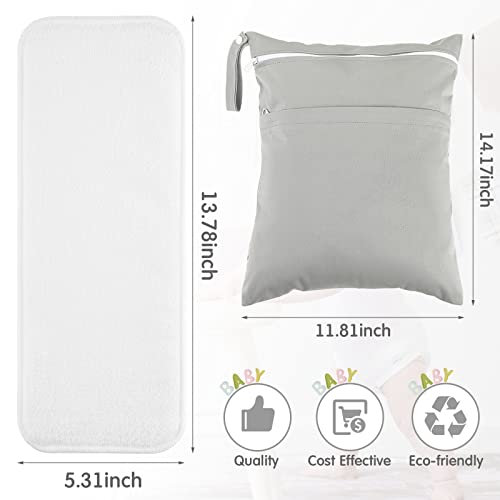
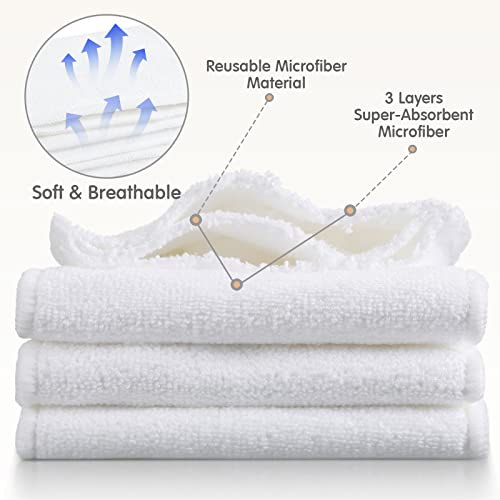
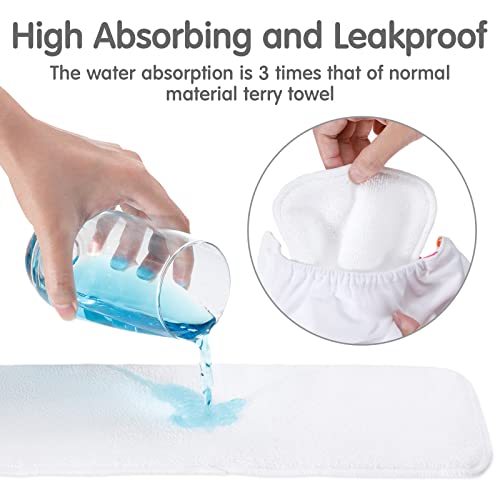
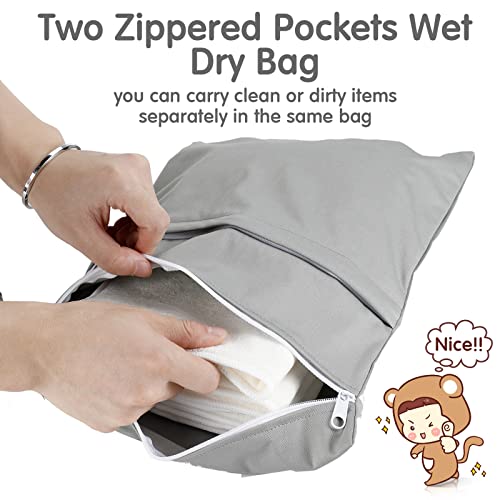
Getting 24 inserts plus a waterproof bag changes the game for laundry logistics. If you hate doing cloth diapers every other day, this set lets you go a full week without rewashing. The microfiber dries fast and handles daily wear well, and the included bag is actually useful, not just filler. For new parents overwhelmed by frequency, this kind of volume reduces stress.
But again, we’re dealing with basic microfiber, fine for average wetters, but not magic. Like other thin inserts, they require doubling at night, and they won’t feel as soft as bamboo or hemp. Still, for sheer quantity and convenience, this pack offers unmatched practicality.
Product photos

How We Chose These cloth diaper inserts
As the creator of NurseryDreamer.com, I know parents want reliable information when building their baby essentials. Rather than a hands-on lab test, this research focused on comparing published specifications and features across numerous brands. I weighed owner reviews from major retailers alongside expert opinions found in parenting publications, and applied my experience with the nuances of cloth diapering to rank these inserts. My goal was to identify options offering the best balance of absorbency, comfort, and value.
For cloth diaper inserts, absorbency and material softness are paramount. A highly absorbent insert prevents leaks and keeps baby comfortable, while a gentle material minimizes the risk of irritation – especially important given how frequently these inserts come into contact with delicate skin. Durability also played a key role; inserts that hold up well to repeated washing cloth diapers offer long-term value.
Specifications reliably indicate insert size and layer construction, helping to predict absorbency potential. However, I placed significant weight on owner feedback regarding real-world performance, particularly concerning leaks and how well the inserts held up after multiple washes. Reports of skin sensitivities also influenced my assessment, leading me to prioritize materials known for their gentleness and to suggest a cloth-safe rash cream as a preventative measure.
How To Choose The cloth diaper inserts
Finding the right cloth diaper insert can feel a bit like decoding a secret language. There are so many materials, layers, and sizes – it’s easy to get lost! But with a little knowledge, you can build a system that keeps your baby comfortable and dry.
A quality cloth diaper insert balances absorbency, material softness, and ease of care. Consider the baby’s age and output (is your little one a heavy wetter?) when selecting materials like microfiber, bamboo, hemp, or cotton. Look for inserts that maintain their shape after multiple washes and won’t cause compression ridges on delicate skin.
Absorbency & Material
The core of any insert is its ability to hold liquid. Microfiber is the most affordable and quickest-drying, but it can sometimes cause compression (leaving indentations on skin) and isn’t ideal for newborns. Bamboo is wonderfully soft and absorbent, but tends to hold onto moisture longer, meaning a slightly slower drying time. Hemp is a champion absorber, especially for nighttime, but requires more washes to reach peak absorbency. Cotton is a good all-arounder, offering decent absorbency and a relatively low cost. It’s often blended with other materials to maximize performance.
Layer Count & Size
More layers generally mean more absorbency, but also a bulkier insert. A 3-4 layer insert is usually sufficient for daytime use, while 5-6 layers are better for naps and overnight. The size of the insert needs to fit comfortably inside your chosen cloth diaper – whether it’s a pocket diaper, all-in-one, or a fitted diaper. Don’t automatically assume larger is better; an oversized insert can bunch up and lead to leaks.
Here’s a quick guide to consider:
- Newborns: Smaller, thinner inserts (3-4 layers) work well.
- Babies 6-18 months: A standard size insert (around 12-14 inches long, 4-5 layers) will likely be your go-to.
- Toddlers & Heavy Wetters: Longer, thicker inserts (5-6 layers, or even a combination of inserts) are essential, and you might want to explore boosters.
Wash & Care Considerations
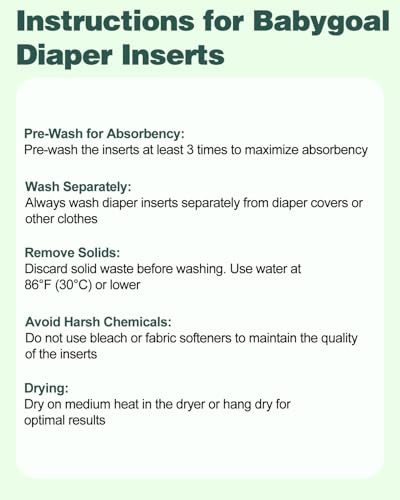
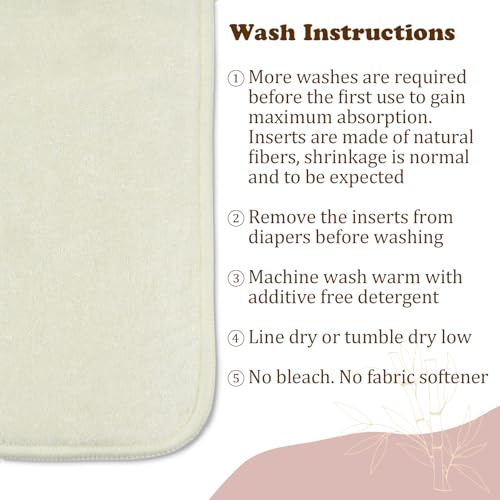
Cloth diaper inserts require regular washing, so choose materials that can withstand frequent laundering. Microfiber and bamboo are relatively easy to care for, but require specific washing instructions to avoid buildup. Hemp and cotton can be more durable but may take longer to dry. To maintain absorbency and prevent odors, avoid fabric softeners and bleach. Proper washing routines are vital for preventing rash and cloth diapers and extending the life of your inserts.
Never use heat on microfiber inserts. High temperatures can damage the fibers, reducing their absorbency and shortening their lifespan.
Finally, don’t forget to consider the diaper cover you’ll be using. A good waterproof cover, like the ones we review in our guide to best cloth diaper covers, is crucial for preventing leaks and keeping everything contained.
Cloth Diaper Inserts Compared
Here’s a comparison of key specifications for various cloth diaper inserts to help you choose the right option.
| Product Name | Layers | Material | Length (in) | Width (in) | Weight Capacity (lbs) | Pack Size |
|---|---|---|---|---|---|---|
| ALVABABY 12PCS 4-Layer Inserts | 4 | Fiber/Microfiber | 12.99 | 5.32 | 8.8 – 33 | 12 |
| Babygoal 4-Layer Bamboo Inserts | 4 | Bamboo/Microfiber | 12.2 | 3.15 | 8 – 33 | 12 |
| Babygoal 3-Layer Microfiber Inserts | 3 | Microfiber | 12.2 | 3.15 | 8 – 33 | 12 |
| Mama Koala 6-Layer Cotton Inserts | 6 | Bamboo/Hemp/Cotton | N/A | N/A | N/A | N/A |
| Mama Koala 5-Layer Bumboo Inserts | 5 | Bumboo | N/A | N/A | N/A | N/A |
| Reginary 24-Pack Microfiber Inserts | 3 | Microfiber | 13.78 | 5.31 | N/A | 24 |
Frequently Asked Questions
What insert material is best for overnight use?
Hemp is generally considered the best material for overnight use due to its high absorbency; it can hold a significant amount of liquid, reducing the risk of leaks during longer stretches. While it needs several washes to reach peak absorbency, the extra protection is often worth it.
How many inserts do I realistically need for a full-time cloth diapering setup?
You’ll likely need between 24-36 inserts for full-time cloth diapering. This allows for enough inserts to cover diaper changes throughout the day and provides a buffer while you’re doing laundry, but the exact number depends on your washing frequency and baby’s output.
Can I use a microfiber insert directly against my baby’s skin?
No, microfiber isn’t recommended for direct contact with skin. It can be drying and cause compression ridges. Always pair it with a stay-dry layer, like fleece or suedecloth, or use it inside a pocket diaper.
What if my inserts start to smell even after washing?
A lingering smell usually indicates detergent buildup. Try stripping your inserts with a dedicated cloth diaper safe detergent and hot water. You can find more information about maintaining cloth diaper properties on our site.
Are there different ways to arrange inserts inside a diaper cover?
Yes, there are several diaper folding techniques you can use to customize absorbency and fit. Experiment with folding methods like the origami fold or simply layering inserts to find what works best for your baby and diaper style.
The Bottom Line
Choosing cloth diaper inserts often comes down to balancing upfront cost with the convenience of quick drying times, or prioritizing ultimate absorbency even if it means a slightly more involved wash routine. Overall, the ALVABABY 12PCS 4-Layer Inserts strike an excellent balance for most families, offering good absorbency at a very reasonable price point and fitting nicely into a wide range of diaper styles. They represent the sweet spot between performance and practicality for everyday use.
For specific needs, there are clear winners. Parents on a tighter budget will appreciate the Babygoal 3-Layer Microfiber Inserts, while those wanting maximum absorbency for overnight use should look to the Mama Koala 6-Layer Cotton Inserts. And if you’re looking for something exceptionally soft and gentle, the Babygoal 4-Layer Bamboo Inserts are a wonderful choice – just remember they will require a bit longer to dry. Understanding the diaper stripping process can help maintain the absorbency of any insert over time.
Ultimately, the “best” insert isn’t about a single feature or material. It’s about finding a system that works for you and your baby. Focus on materials that feel gentle against your baby’s skin, prioritize a reliable fit within your chosen diaper covers (learn more about what is a diaper cover), and establish a consistent wash routine. Those fundamentals matter far more than any individual specification.
