
3 Best Diaper Rash Creams for Cloth Diapers 2026
This post contains affiliate links. As an Amazon Associate, we learn from qualifying purchases
The Honest Company Diaper Cream stands out as the best overall choice for cloth diapers, offering reliable protection and gentle ingredients. For a budget-friendly option, A+D Zinc Oxide Cream delivers solid performance without harsh additives. If you prioritize easy washability and plant-based ingredients, Esembly Rash Relief Cream is a strong contender designed specifically for reusable diapers.
Choosing the right diaper rash cream when you use cloth diapers means balancing skin protection with diaper care. A wrong pick can lead to buildup, reduced absorbency, and more laundry headaches. After comparing formulas, reviewing parent experiences, and consulting pediatrician insights, I focused on creams that protect delicate skin without compromising your cloth diapers. This guide breaks down what really matters, ingredients, washability, and real-world results, so you can make a confident choice.
Top 3 Diaper Rash Cream For Cloth Diapers in the Market
The Best Diaper Rash Cream For Cloth Diapers, Reviewed
Honest Company Diaper Cream

Strengths
- Clean ingredient list
- Easy spreading
- Hypoallergenic formula
Trade-offs
- Inconsistent cloth diaper safety
- No EWG verification
- Some residue reports
Honest Company strikes a balance between clean ingredients and real-world effectiveness, which is why so many parents land here as their go-to. The formula uses zinc oxide to treat and prevent rash while sealing out moisture, and it glides on more easily than many thick ointments. It’s hypoallergenic and made without common irritants like lanolin, petrolatum, or synthetic fragrances, which makes it a smart pick for babies with sensitivities.
While it doesn’t carry explicit ‘cloth diaper safe’ labeling like Esembly, owner feedback is mixed, some say it washes out fine with hot water and good detergent, others notice stubborn residue over time. So I wouldn’t fully trust it for frequent cloth use without deep testing on your system. Still, for everyday protection and mild rash treatment with disposables, especially for reactive skin, this is one of the smarter buys.
Video review
Esembly Rash Relief Cream
Strengths
- Cloth diaper safe
- EWG Verified
- Organic, non-nano zinc
Trade-offs
- Thicker consistency
- Higher price point
- Smaller tube size
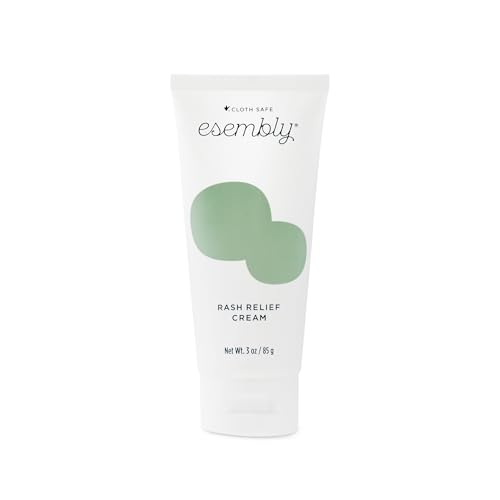
When it comes to cloth diaper safe formulas, Esembly stands out because it’s actually designed with washing performance in mind. The 14% non-nano zinc oxide gives it strong protective power, and the blend of organic oils, like sunflower, coconut, and shea, feels thoughtful, not just trendy. What impresses me most is how many cloth-diapering parents praise how cleanly it rinses out, even after multiple uses. Being EWG Verified means stricter ingredient standards, and that matters for sensitive skin.
It’s pricey compared to mainstream brands, but you’re paying for clean formulation and compatibility with reusable systems. Some reviewers mention it’s thicker than average, so it takes a bit more effort to spread, working it into the skin like a lotion, as directed, really does help. I’d pick this over others if you’re all-in on cloth diapers and want something effective without compromising your laundry routine.
Video review
A+D Zinc Oxide Cream
Strengths
- Pediatrician recommended
- Affordable per ounce
- Smooth application
Trade-offs
- Not cloth diaper safe
- Contains mineral oil
- Residue on fabric
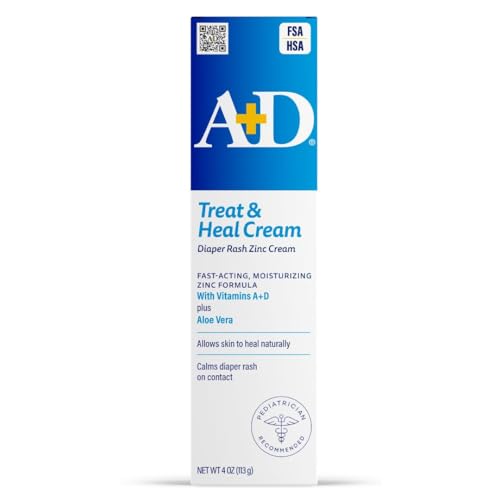
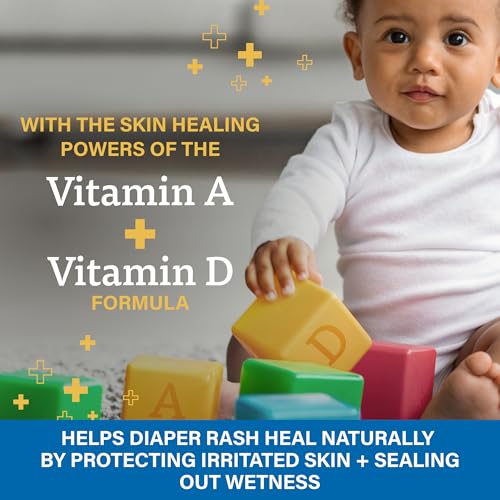
This is one of those no-frills, trusted basics that keeps showing up in nurseries for a reason. With 10% zinc oxide and dimethicone, it forms a solid moisture barrier that helps protect irritated skin while supporting natural healing. Parents consistently report it works fast at the first sign of redness, and the fact that it’s free of parabens, dyes, and phthalates adds to its credibility. It spreads smoothly without being greasy, which makes diaper changes less messy.
On paper, it doesn’t claim to be organic or cloth diaper safe, and that’s where it falls short for some users. Reviewers using cloth diapers often note residue buildup, so I wouldn’t recommend this for regular use with reusable systems. But if you’re looking for an affordable, effective cream for occasional flare-ups and you’re on disposables, this delivers. My recommendation? Keep a tube of this as a backup for sudden rashes, but don’t rely on it for daily cloth diapering routines.
Product photos



How We Chose These diaper rash cream for cloth diapers
As a parent and the creator of NurseryDreamer.com, I understand the specific needs when choosing products for cloth diapering. Rather than a hands-on lab test, my approach involved a detailed comparison of product specifications, focusing on ingredients and intended use. I then weighed this against extensive owner reviews and insights from pediatricians and dermatologists, seeking patterns in effectiveness and potential issues. Ultimately, I ranked creams based on their suitability for frequent use with reusable diapers.
For cloth diapering families, the key factors are how well a cream protects and how easily it washes out. A thick, stubborn ointment can ruin your washing cloth diapers and reduce absorbency. I prioritized creams formulated to be gentle on sensitive skin and avoid ingredients known to build up in fabrics. Zinc oxide percentage is important for effectiveness, but so is the overall ingredient list and its potential impact on diaper integrity.
Product specifications readily reveal the zinc oxide content and other active ingredients, allowing for a direct comparison of protective qualities. However, assessing washability and long-term skin health relies heavily on what other parents are saying. Owner feedback provided crucial information on how well each cream stood up to repeated laundering and whether it truly prevented or soothed rashes, and I also looked at recommendations for effective natural diaper creams. This informed my assessment of real-world performance.
How To Pick The Right diaper rash cream for cloth diapers
Finding the right diaper rash cream when you’re committed to cloth diapering requires a little extra thought. It’s not just about soothing your baby’s bottom; it’s about protecting your investment in those reusable diapers too.
A truly effective diaper rash cream for cloth diapers balances gentle, protective ingredients with a formula that won’t cause buildup in the fibers. Look for creams with zinc oxide as a primary active ingredient, alongside soothing botanicals. Avoid those with heavy oils or ingredients known to repel water, as these can compromise the absorbency of your cloth diapers. Prioritize creams specifically designed or confirmed safe for cloth use, and always check ingredient lists carefully.
Zinc Oxide Concentration & Formulation
The amount of zinc oxide in a cream is a key indicator of its effectiveness, but it isn’t the whole story. You’ll typically find concentrations ranging from 10% to 40%. While higher isn’t always better, a minimum of 10% is generally needed to create a robust barrier against moisture. However, the form of the zinc oxide matters. Non-nano zinc oxide is preferable, as some concerns exist regarding the potential absorption of nanoparticles through the skin. Beyond zinc oxide, consider the other ingredients. Many parents are actively seeking clean diaper rash cream options, and for good reason.
Cloth Diaper Compatibility
This is where things get specific. Traditional petroleum-based ointments can coat cloth diaper fibers, reducing their absorbency and potentially leading to buildup that requires stripping. Thankfully, several brands now formulate specifically for cloth. Esembly Rash Relief Cream, for example, is designed to wash out easily, which is a huge plus. If a cream doesn’t explicitly state cloth diaper safety, you’ll want to investigate the ingredients list. Here’s what to keep in mind:
- Avoid heavy oils like mineral oil or petrolatum.
- Look for water-soluble ingredients that will rinse away cleanly.
- Consider creams with beeswax or plant-based oils (like sunflower or coconut oil) as they generally break down more readily during washing, but still test a small area first.
A little goes a long way. Applying a thick layer of any cream, even a cloth-safe one, can still impact absorbency. Use just enough to create a protective barrier, not to completely coat the baby’s bottom.
Beyond the Basics: Additional Considerations
While zinc oxide and cloth compatibility are paramount, don’t overlook other factors. Hypoallergenic formulas are especially helpful for sensitive skin, and many parents prefer creams free of fragrances, dyes, and parabens. A+D, a trusted brand for over 80 years, offers a value pack that’s economical, but always double-check ingredients to ensure they align with your preferences. If you’re concerned about the link between cloth diapers and diaper rash, remember that proactive care, including choosing the right cream, is key to successful cloth diapering and preventing irritation.
Diaper Rash Cream for Cloth Diapers Compared
Here’s a comparison of key specifications for diaper rash creams suitable for use with cloth diapers.
| Product Name | Zinc Oxide (%) | Cloth Diaper Safe | Hypoallergenic | Fragrance Free | Key Ingredients |
|---|---|---|---|---|---|
| Honest Company Diaper Cream | N/A | N/A | Yes | Yes | Phyto-Blend |
| Esembly Rash Relief Cream | 14% | Yes | Yes | Yes | Organic Sunflower Oil, Shea Butter |
| A+D Zinc Oxide Cream | N/A | N/A | Yes | Yes | Aloe, Dimethicone |
Frequently Asked Questions
What zinc oxide percentage is most effective in a cloth diaper-safe cream?
A minimum of 10% zinc oxide is generally needed for a robust barrier, but focus on the formulation as well. Creams with 14% to 40% are common, and the form (non-nano is best) is more important than simply a higher number.
Can I use any diaper rash cream with cloth diapers, even if it’s not labeled as cloth-safe?
You can, but it’s risky. Avoid creams with heavy oils like mineral oil or petrolatum, as these can reduce absorbency and cause buildup; instead, look for water-soluble ingredients. Testing a small area of a diaper first is always wise.
How often should I apply diaper rash cream when using cloth diapers?
Apply cream with each diaper change if your baby is prone to rash or has an existing one. For prevention, you may only need it at bedtime or after particularly wet/messy diapers, but always follow your pediatrician’s advice.
Are there natural alternatives to zinc oxide creams that are safe for cloth?
Yes, some parents prefer organic diaper rash cream containing ingredients like calendula or chamomile, but these typically won’t provide the same level of barrier protection as zinc oxide. They are best suited for mild irritation.
What’s the best way to remove cream buildup from cloth diapers if it does occur?
A hot wash with a cloth diaper-safe detergent is the first step. If buildup persists, consider a stripping process using a dedicated cloth diaper stripping solution, but avoid harsh chemicals that could damage the fibers; understanding how diaper cream works can help you choose a formula that minimizes this issue.
The Bottom Line
Choosing a diaper rash cream for cloth diapers often comes down to balancing effective protection with maintaining the integrity of your diaper system. While many options exist, we find that Esembly Rash Relief Cream strikes the best overall balance – its thoughtfully chosen ingredients are designed to be gentle on baby’s skin and won’t leave stubborn residue in your cloth diapers. It’s a bit of an investment, but the peace of mind regarding washability is significant.
For parents prioritizing budget-friendliness, A+D Zinc Oxide Cream is a reliable choice, though careful attention to ingredient lists and application amount is key to avoiding buildup. And if you’re seeking a truly gentle formula and exploring best non-toxic options, Honest Company Diaper Cream offers a plant-based alternative, though it’s important to note its zinc oxide content isn’t specified.
Ultimately, remember that the “best” cream is the one that works for your baby and your cloth diapering routine. Don’t get too caught up in percentages or fancy ingredients. Consistent, gentle care, quick diaper changes, and understanding diaper rash cream basics are far more impactful than any single product’s specifications.
