
5 Best Diaper Rash Creams for 2026
This post contains affiliate links. As an Amazon Associate, we learn from qualifying purchases
The best clean diaper rash cream overall is Babo Botanicals Sensitive Cream, thanks to its high 25% zinc oxide concentration and EWG Verified formula. For a budget-friendly option that still delivers, Badger Baby Diaper Rash Cream stands out with its simple, effective ingredient list. If you’re looking for a multi-use balm without zinc, Clean + Kind Organic Tallow Cream is a strong choice.
Choosing the right clean diaper rash cream shouldn’t mean guessing what’s safe or effective. With so many products claiming to be “natural” or “gentle,” it’s hard to know which ones actually work without exposing your baby to irritants.
This guide cuts through the noise by comparing real parent feedback, ingredient transparency, and key specs like zinc oxide levels. I looked at what makes a cream truly protective and soothing, so you can pick one that fits your baby’s needs and your values.
Top 5 Clean Diaper Rash Cream in the Market
The Best Clean Diaper Rash Cream, Reviewed
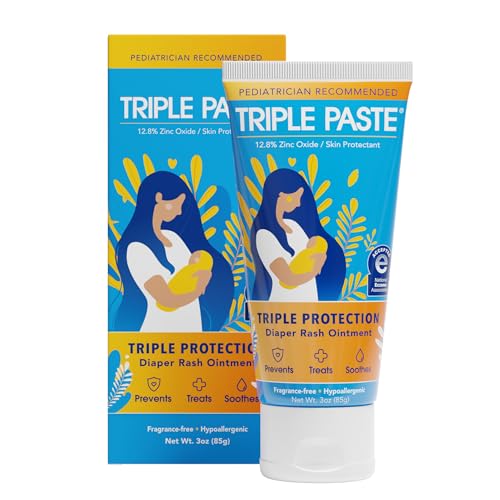
Triple Paste Diaper Rash Cream
Strengths
- High zinc concentration
- Fragrance-free
- Pediatrician-recommended
- Non-nano particles
- Prevents future rashes
Trade-offs
- Thick texture takes effort to spread
- Packaging varies
- Not fully natural
I’ve looked at a lot of diaper rash creams, and Triple Paste stands out for parents who want strong protection without harsh ingredients. With 12.8% non-nano zinc oxide, it delivers solid medicated coverage that treats existing rashes and blocks moisture before it causes irritation. The formula includes oat extract and beeswax, which reviewers consistently say help calm redness quickly, and the fact that it’s pediatrician-recommended adds real weight for cautious parents.
What impresses me most is how many parents report it working on stubborn rashes where other creams failed, especially overnight. It’s thick, so it stays put during messy changes, and the absence of fragrance, parabens, and phthalates makes it safe for daily use. Compared to lighter options like Badger, this one leans more medicinal, but that’s exactly what some situations call for.
Video review
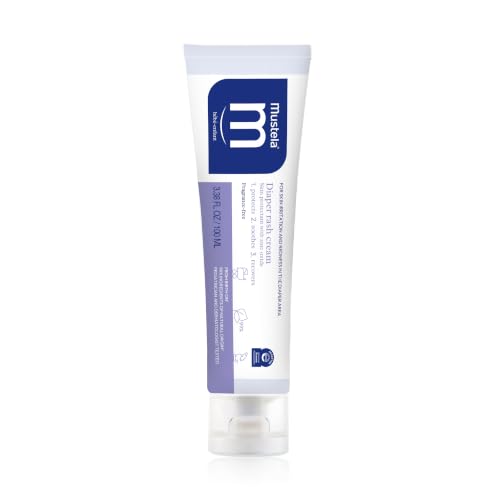
Mustela Baby Diaper Rash Cream 123
Strengths
- Multi-action formula
- Avocado oil enrichment
- Larger size
- Clinically tested
- Fragrance-free
Trade-offs
- Contains preservatives
- Higher price point
- Not fully organic
Mustela’s 123 cream tries to do everything, prevent, soothe, and repair, and pulls it off better than most multi-action formulas. With 98% naturally derived ingredients, including avocado oil and zinc oxide, it balances medical efficacy with nourishing care. The larger 3.8 oz size helps too, since you’ll likely use it at every change as recommended.
Reviewers note it spreads easier than thicker ointments like Triple Paste, yet still forms a reliable protective layer. It’s not quite as stripped-down as Badger, but it avoids common irritants while adding skin-repairing components. In this class, combining prevention and restoration in one product is rare, and Mustela pulls it off without compromising safety.
Video review
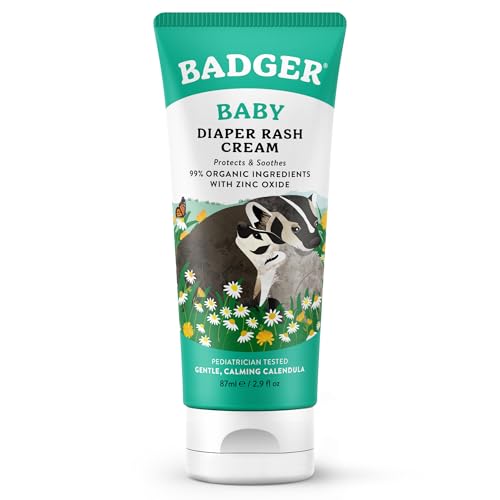
Badger Baby Diaper Rash Cream
Strengths
- Only 4 ingredients
- Organic oils
- Fragrance-free
- Simple formulation
- Gentle for newborns
Trade-offs
- Smaller tube
- Less moisturizing
- Minimal rash repair power
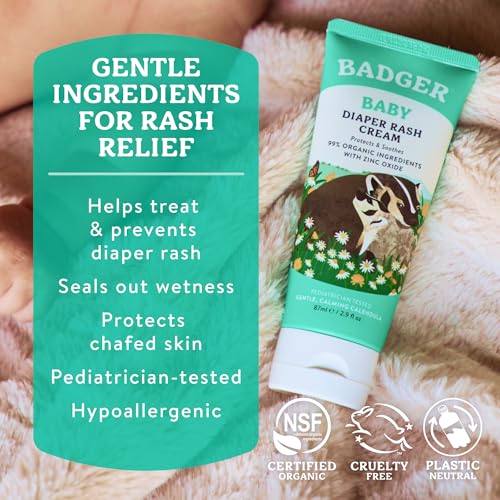
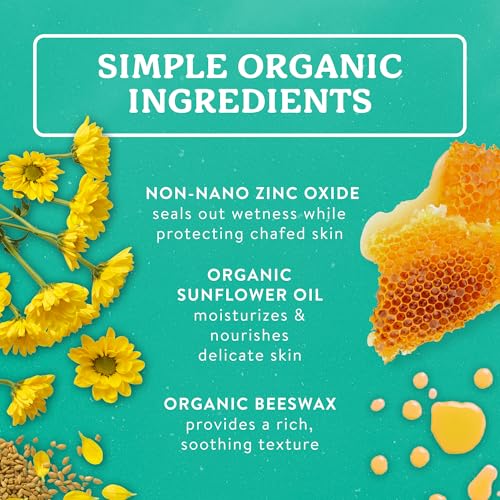
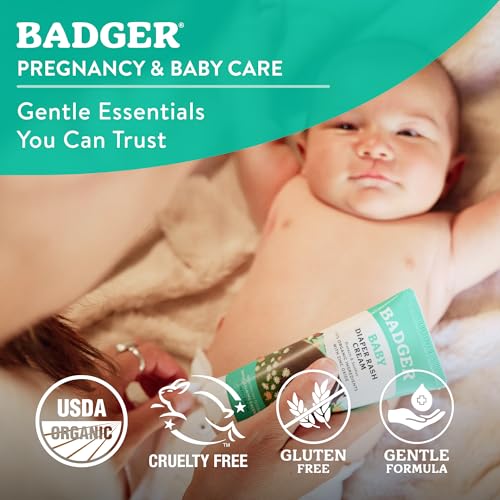
If you’re simplifying your baby’s skincare routine, Badger’s minimalist approach is refreshing. This cream uses just four ingredients, zinc oxide, organic sunflower oil, organic beeswax, and vitamin E, making it one of the cleanest formulas available. On paper, it’s ideal for ultra-sensitive skin, and owners consistently praise its gentleness, especially for newborns reacting to stronger products.
It doesn’t have added botanicals or moisturizers like some others, so it won’t heal cracked skin as aggressively as Mustela or Babo. But for prevention and mild irritation, its no-frills barrier function works well. I’d pick this over flashier options if ingredient transparency is your top priority, it’s a smart baseline choice when you’re unsure what’s causing sensitivity.
Product photos


Clean + Kind Organic Tallow Diaper Cream

Strengths
- Zinc-free alternative
- Multi-use balm
- Grass-fed tallow
- Moisture-absorbing base
- Made in USA
Trade-offs
- No zinc oxide
- Animal-derived ingredient
- Unfamiliar texture
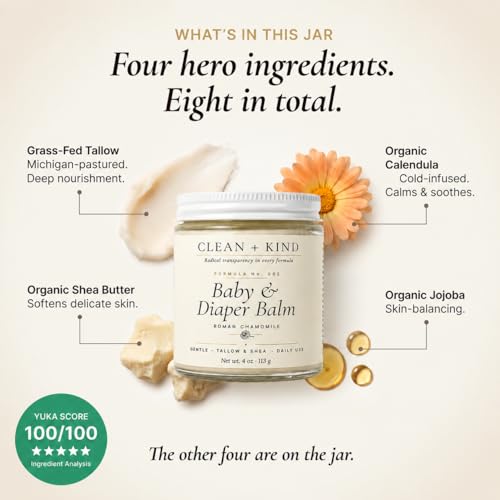
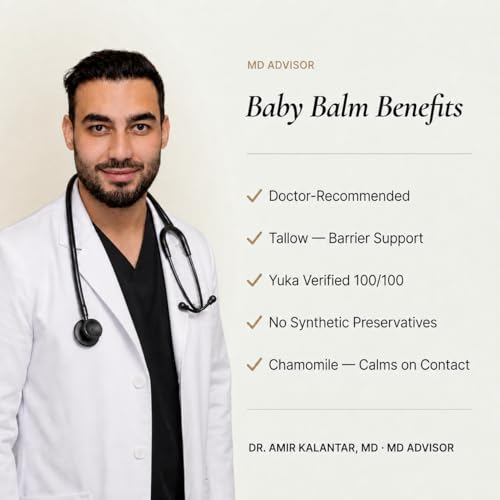
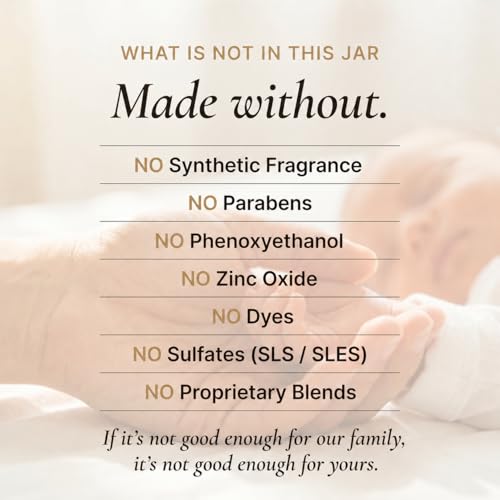
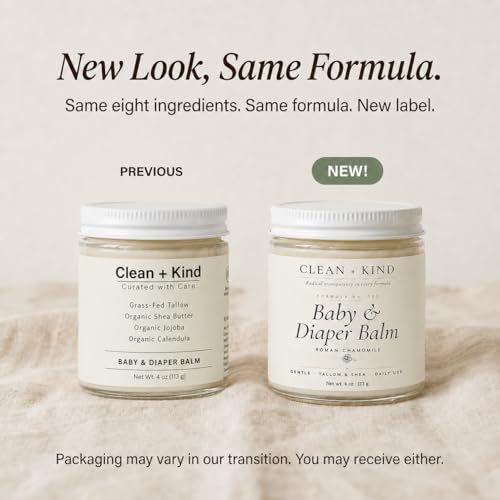
This one breaks the mold, no zinc, no petroleum, just animal tallow and plant oils. Clean + Kind relies on grass-fed tallow and calendula-infused oil to mimic the skin’s natural lipid barrier, which sounds niche but has passionate owner support. Many users say it works wonders for eczema-prone skin and cradle cap, not just rashes.
It’s not a traditional zinc-based shield, so don’t expect instant moisture blocking during active rashes. But as a healing balm, it excels. The 4 oz jar offers good value, and the fact that it doubles for cheeks, scalp, and hands makes it versatile. Among natural balms, this is one of the few with full ingredient transparency and U.S. production.
Product photos

Babo Botanicals Sensitive Diaper Cream

Strengths
- EWG Verified
- High zinc oxide
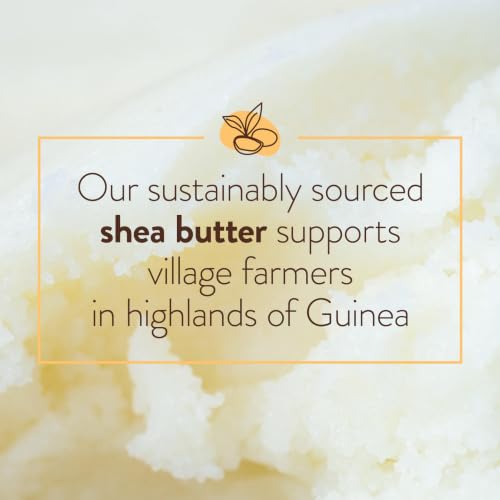
- Shea and cocoa butter
- Vegan formula
- Calendula infused
Trade-offs
- Very thick application
- Can pill during changes
- More expensive
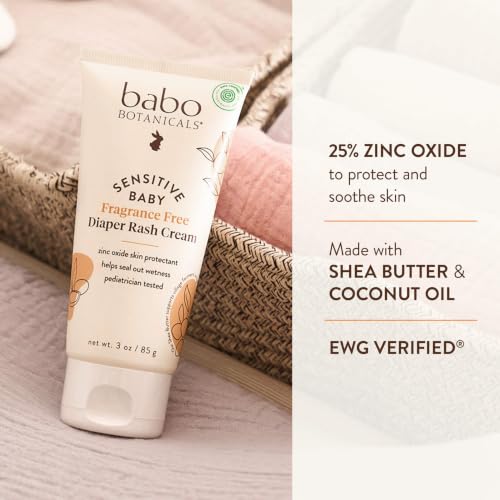
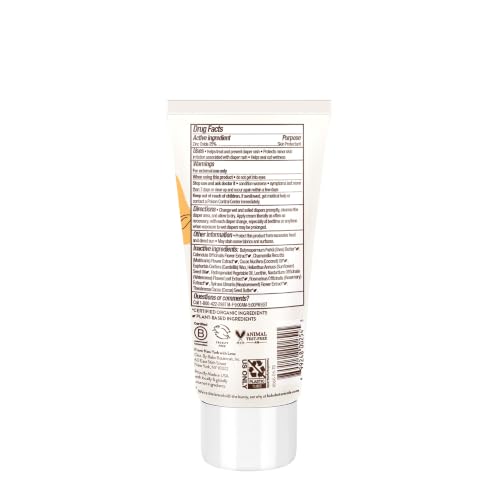
Babo Botanicals earns its spot as the best EWG Verified option by meeting strict ingredient standards without sacrificing performance. Its 25% zinc oxide content is among the highest here, offering robust protection against wetness and chafing. That level of zinc usually means a very thick, hard-to-spread paste, but owners report this one absorbs slightly better thanks to shea and cocoa butter.
The inclusion of calendula and an organic herbal blend adds soothing properties, and being vegan and cruelty-free matters to eco-conscious families. Still, high zinc means more residue on cloth diapers, and some parents mention it can pill if layered too thickly. Compared to Mustela, it’s safer on paper but heavier in feel.
Product photos

Our Testing Process
As a parent and the creator of NurseryDreamer.com, I understand the need for trustworthy information when it comes to baby care. To determine the most effective clean diaper rash creams, I focused on a research-led comparison of product specifications and owner feedback. I weighed published ingredient lists, percentages of key actives like zinc oxide, and considered what parents are saying about real-world results. This wasn’t about lengthy personal use; it was about identifying patterns in performance based on available data.
For this category, the percentage of zinc oxide and the inclusion of soothing botanicals were heavily weighted. Zinc oxide is the primary active ingredient, creating a protective barrier, so a higher concentration (within safe limits) generally indicates stronger protection. Beyond that, ingredients like oat extract, shea butter, and calendula stood out as elements parents consistently praised for calming irritation. We also considered whether creams offered multi-use functionality, which can be a real benefit.
Product specifications reliably indicate the potential for effectiveness – the zinc oxide percentage, for example. However, owner feedback truly reveals how a cream performs in everyday situations. I paid close attention to comments regarding texture, ease of application, and, most importantly, how quickly the cream relieved their baby’s discomfort. Understanding how diaper cream works is also crucial, and parent reviews often reflect whether they feel the cream is actually creating that protective barrier. For parents seeking truly non-toxic diaper cream, the ingredient list is paramount.
How To Choose The clean diaper rash cream
Finding the right diaper rash cream can feel like navigating a minefield of ingredients and promises. As a parent, I understand wanting something truly effective and gentle for your little one’s delicate skin.
A good diaper rash cream creates a protective barrier against moisture and irritants, soothes existing inflammation, and ideally contains ingredients with healing properties. Look for creams with a high percentage of zinc oxide (though not exclusively!), and consider whether fragrance-free and hypoallergenic formulas are a priority for your baby’s sensitivity. Parents should also assess the cream’s texture for ease of application and complete removal.
Zinc Oxide Concentration & Formulation
The percentage of zinc oxide is often the first thing parents look at, and for good reason. It’s the workhorse ingredient that forms that crucial protective barrier. However, it’s not just about the number. I’ve seen creams with similar zinc oxide levels perform very differently. The formulation – what else is in the cream – matters immensely. Some brands, like Triple Paste, use a higher concentration (12.8%) alongside ingredients like oat extract and beeswax, aiming for both immediate soothing and long-term prevention. Others, like Badger Baby, take a minimalist approach with just four ingredients, relying on zinc oxide, sunflower oil, beeswax, and vitamin E. Consider your baby’s skin; very sensitive skin might benefit from the simpler formulation, while a more persistent rash might need the extra soothing agents.
Ingredients Beyond Zinc: Natural vs. Synthetic
The world of diaper rash creams extends far beyond zinc oxide. Increasingly, parents are seeking natural diaper rash cream options, and there’s a growing market to meet that demand. Clean + Kind, for example, uses organic tallow as its base, offering a multi-use balm that’s free of zinc and many common allergens. Mustela uses avocado oil alongside zinc oxide. These ingredients can be incredibly beneficial, but it’s vital to understand what you’re looking for.
Here’s what to keep in mind when considering ingredients: * Avoidance: Fragrance and dyes are common irritants and should generally be avoided, especially for newborns. * Botanicals: Calendula and chamomile are often included for their calming properties, but always check for potential allergies. * Shea Butter & Oils: These can provide excellent moisture but may not be suitable for babies with sensitivities to nuts (though shea is technically a seed).
A little goes a long way. Apply a thick, visible layer of cream with each diaper change to ensure adequate protection.
Understanding Your Baby’s Needs & Special Considerations
Every baby is different. Some will sail through diaper changes without a hint of redness, while others will be prone to irritation. If your baby has particularly sensitive skin or allergies, look for creams that are EWG Verified, like Babo Botanicals, or specifically formulated for sensitive skin. It’s also important to remember that sometimes, a rash isn’t just a matter of needing a stronger cream. Perhaps you need to explore what is diaper cream and consider factors like diaper fit, frequency of changes, or even dietary sensitivities. Don’t hesitate to consult your pediatrician if a rash is severe or doesn’t improve with treatment.
Clean Diaper Rash Cream Compared
Here’s a comparison of key specifications for popular clean diaper rash creams to help you make an informed decision.
| Product Title | Zinc Oxide (%) | Organic Ingredients | Key Botanicals/Oils | Fragrance Free | Multi-Use |
|---|---|---|---|---|---|
| Triple Paste Diaper Rash Cream | 12.8 | No | Oat Extract, Beeswax | Yes | No |
| Mustela Baby Diaper Rash Cream 123 | N/A | 98% | Avocado Oil | No | No |
| Badger Baby Diaper Rash Cream | N/A | Yes | Sunflower Oil, Vitamin E | Yes | No |
| Clean + Kind Organic Tallow Cream | 0 | Yes | Calendula, Chamomile | Yes | Yes |
| Babo Botanicals Sensitive Cream | 25 | Yes | Shea Butter | Yes | No |
Frequently Asked Questions
What zinc oxide percentage is best in a diaper rash cream?
A cream with 10-40% zinc oxide is generally effective; however, the ideal percentage depends on the severity of the rash and your baby’s skin sensitivity. Higher concentrations aren’t always better, and a well-formulated cream with a lower percentage can often outperform one with a very high amount.
Can diaper rash cream be used for more than just diaper rash?
Yes, many creams, like Clean + Kind Organic Tallow Cream, are multi-use and can be applied to minor cuts, scrapes, or dry skin patches. This versatility can be a benefit, but always check the ingredient list for potential allergens before using it for purposes other than diaper rash.
Are fragrance-free creams always the best choice?
Fragrance-free creams are often preferable, particularly for newborns or babies with sensitive skin diaper cream, as fragrances are a common source of irritation. However, some babies tolerate lightly scented creams without issue, so it depends on individual sensitivity.
What should I do if my baby’s rash doesn’t improve with diaper rash cream?
If the rash persists for more than a few days despite consistent cream application and frequent diaper changes, it’s best to consult your pediatrician. They can rule out a fungal infection or other underlying cause of the diaper rash and recommend appropriate treatment.
How often should I apply diaper rash cream?
Apply a generous layer of cream with every diaper change, especially at night when the baby’s skin is exposed to moisture for a longer period. Consistent application is key to preventing and treating understanding diaper rash by maintaining that protective barrier.
The Bottom Line
Choosing a diaper rash cream really comes down to balancing your priorities – do you want maximum barrier protection, or a more minimalist, natural approach? After carefully reviewing specifications and parent feedback, I believe Triple Paste Diaper Rash Cream offers the strongest overall combination of effectiveness and soothing ingredients for most babies. It’s a reliable choice when you need robust protection and fast relief.
However, there’s a great option for nearly every need. For parents prioritizing organic ingredients, the top organic diaper creams are Clean + Kind Organic Tallow Cream, a fantastic multi-use balm, and Babo Botanicals Sensitive Cream, which boasts a very high zinc oxide percentage. If you’re seeking a fragrance-free option with calming botanicals, Mustela Baby Diaper Rash Cream 123 is a popular pick, and for a simpler, minimalist formula, Badger Baby Diaper Rash Cream remains a solid choice.
Ultimately, the “best” cream is the one that works for your baby. Don’t get too caught up in percentages or ingredient lists. Focus on finding a product that creates a good barrier, soothes irritation, and – importantly – is easy for you to incorporate into your routine, remembering the proper application technique is crucial for effectiveness.
