
Why Is Potty Training So Hard? Unpacking the Common Struggles
This post contains affiliate links. As an Amazon Associate, we learn from qualifying purchases
Potty training is hard because it requires a child to be physically ready (bladder/bowel control), emotionally willing (cooperation over defiance), and cognitively aware (recognizing bodily signals), all while navigating a major change in routine. The average process takes 3 months, and starting before a child is ready often extends that timeline by months.
The physical readiness window is wide, 22 to 30 months is typical, but emotional readiness lags behind. A child can hold it but still say “no” to everything. That mismatch is where most of the frustration lives.
What follows: the three core reasons training feels impossible, the specific conditions that make it harder (like constipation or developmental delays), and the data-backed strategies that cut the struggle in half. You’ll also learn when to pause entirely, which is often the fastest way forward.
Key Takeaways
- The average toilet training period lasts 3 months, and it can take 3 to 6 months before diapers are gone for good.
- Constipation is a major roadblock. Painful bowel movements teach a child to withhold, creating a cycle of fear and resistance that stalls training.
- Children with Autism Spectrum Disorder (ASD) experience toileting resistance at six times the rate of typically developing kids, often due to sensory issues, social deficits, or untreated GI problems.
- Starting training before 27 months is linked to achieving bowel control earlier (25 months vs. 32 months) but at the cost of a longer training duration (3 weeks vs. 2 weeks).
- If your child shows active resistance, the most effective move is to stop for 1 to 3 months. Forcing it entrenches the power struggle.
The Three Main Reasons Potty Training Is So Difficult
Potty training consists of three separate developmental tracks converging at once. When one is off, the whole process grinds to a halt.
First, physical readiness. A child needs the neuromuscular control to start and stop urine flow, and the ability to feel the sensation of a full bladder or rectum. This base capability usually arrives between 18 and 30 months. But physical control is just the ticket to the game.
Second, emotional readiness. This is the willingness to cooperate. The child must want to use the potty, often motivated by a desire to be a “big kid.” The problem is the “no” stage. If your toddler’s automatic response to every request is refusal, you’re trying to build cooperation on a foundation of defiance. No amount of stickers will fix that timing.
Third, cognitive awareness. The child must recognize the internal “I need to go” signal, connect it to the potty, remember to get there, and manage the sequence of pulling down pants and sitting. That’s a lot of working memory for a two-year-old.
Common mistake: Pushing forward when a child is emotionally resistant. HealthLink BC notes that training becomes “a long and frustrating process” if you start before your child is ready. The resistance is the signal.
When these three lines don’t sync, you get the classic hard scenarios: the child who holds it all day then floods a diaper, the one who pees on the potty but screams at the idea of pooping on it, or the kid who was dry for a week and now wants diapers back. Each is a different readiness gap.
The Hidden Medical and Developmental Roadblocks
Sometimes, the difficulty stems from an underlying physical or developmental condition that makes the standard process nearly impossible.
Constipation is the stealth saboteur. If bowel movements are painful, a child learns to avoid them. They clench, they withhold, they demand a diaper. The Canadian Paediatric Society is clear: “If it hurts, it’s likely to take even longer to learn to use the toilet.This behavior represents pain avoidance. The fix isn’t more practice; it’s treating the constipation first with a doctor’s help.
Developmental differences create a steeper climb. Research from the CDC shows toileting resistance is significantly more common in children with Autism Spectrum Disorder (ASD), affecting about 49%, compared to typically developing children (8%). The reasons are multifaceted: sensory sensitivities to the toilet seat or the feeling of elimination, deficits in social motivation (not caring about being a “big kid”), communication delays that make it hard to express the need, and a high co-occurrence of gastrointestinal issues like constipation.
Other health issues play a role. A Spanish multicenter study identified cow’s milk protein allergy (CMPA) as a factor independently associated with delayed bowel control. Pre-existing conditions change the timeline.
| Condition/Factor | Primary Impact on Training | What to Do First |
|---|---|---|
| Constipation | Causes painful BMs; child withholds stool. | Consult pediatrician for treatment plan before focusing on potty. |
| Autism Spectrum Disorder (ASD) | High resistance due to sensory, social, or communication differences. | Evaluate for GI issues, use visual supports, and consider occupational therapy. |
| Cow’s Milk Protein Allergy | Associated with delayed achievement of bowel control. | Manage allergy with pediatrician; may need to adjust dietary expectations. |
| Language Delay | Child cannot communicate the need to go. | Use simple signs/pictures; focus on routine over verbal prompting. |
For any child, but especially with these factors, a standard three-day method or intensive training boot camp is likely to fail. The path requires adaptation, not just persistence.
What the Data Says About Timing and Duration
Forget the “train in a weekend” stories. The official guidance from major health bodies sets realistic expectations that explain why it feels like a marathon.
The Canadian Paediatric Society and HealthLink BC state the average time for toilet training is 3 months. They note it can take between 3 and 6 months before a child is out of diapers for good. This 3-month span is the baseline most families should expect. If you’re on month two and still cleaning accidents, you’re not failing. You’re average.
A 2024 peer-reviewed pediatric research study in Anales de Pediatría added a crucial, counterintuitive detail. It found that starting earlier (before 27 months) was associated with achieving bowel control at a younger age, 25 months versus 32 months. But that early win came with a cost: a longer duration of active training (3 weeks median vs. 2 weeks). The study also confirmed that older initiation age correlated with a shorter training period.
The median duration of toilet training was 3 weeks. Initiation before 27 months led to bowel control at 25 months but took longer (3 weeks vs. 2 weeks). Older starts meant later control but a shorter active training span.
This data reframes the struggle. The parent who starts at 24 months might be in the “teaching phase” longer than the parent who starts at 30 months, even if both kids finish around the same time. Your perception of “hard” is often just “long.”
The study also identified factors linked to later achievement of control: male sex, cow’s milk protein allergy, and starting training specifically because of school enrollment pressure. If you’re starting potty training a stubborn toddler under the gun of a preschool deadline, you’re stacking the odds against yourself.
The Practical Triggers That Derail Progress
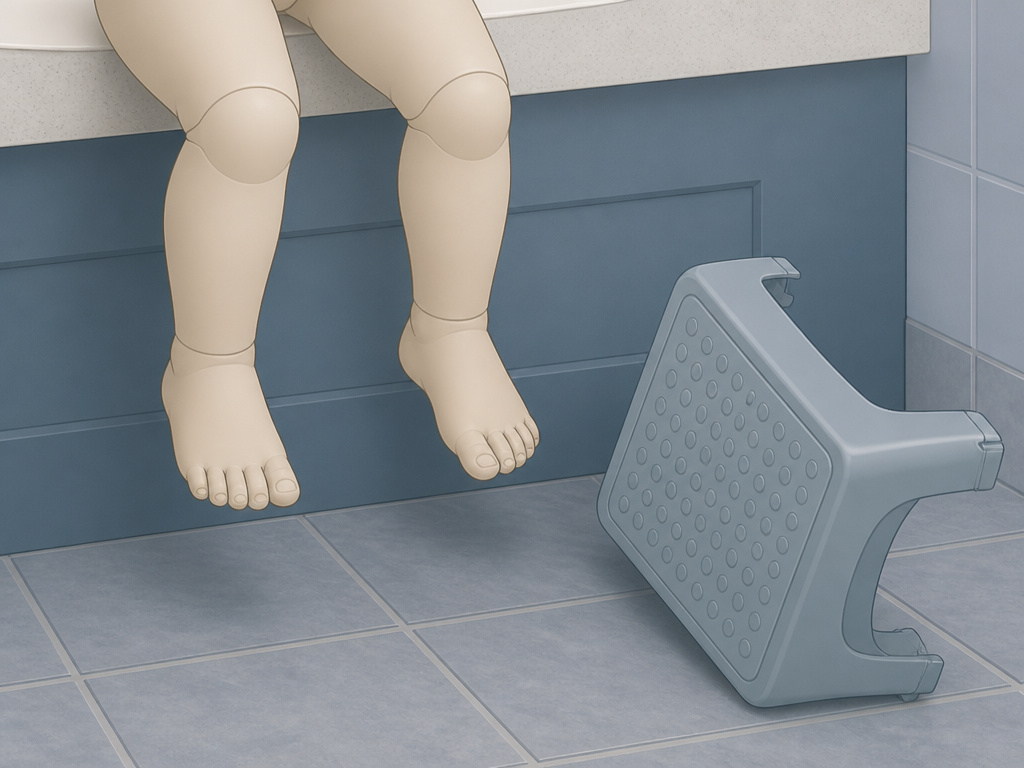 Even with a ready child and no medical issues, daily life can throw sand in the gears. These triggers aren’t character flaws; they’re predictable disruptions.
Stress is a training killer. HealthLink BC lists specific examples: the arrival of a new baby, a move, a change in childcare, family conflict, or illness. A child’s brain under stress prioritizes security, not new learning. A previously trained child who starts having sudden accidents is often signaling stress, not regression.
Poor set-up creates physical resistance. The Canadian Paediatric Society points out that a child without good foot support may refuse to pass stool on the potty. Their body isn’t in a position to relax the pelvic floor. A small potty chair or a sturdy footstool for the big toilet isn’t a nice-to-have; it’s biomechanically necessary.
The power struggle is a dead end. When training becomes a battle of wills, you insisting, them refusing, you’ve stopped teaching a skill and started a war. Every forced sit on the potty reinforces the idea that this is something to resist. This is when you need strategies for managing power struggles or ways to make it fun again.
Withholding is a red flag, not a rebellion. When a child holds their pee or poop for hours, it’s often a sign of fear or physical discomfort. For pee, it might be a fear of the sound or sensation. For poop, it’s frequently linked to constipation or a fear of pain. Addressing getting toddler to poop on potty requires solving the fear, not applying more pressure.
When to Pause and Try Again (The Strategic Reset)
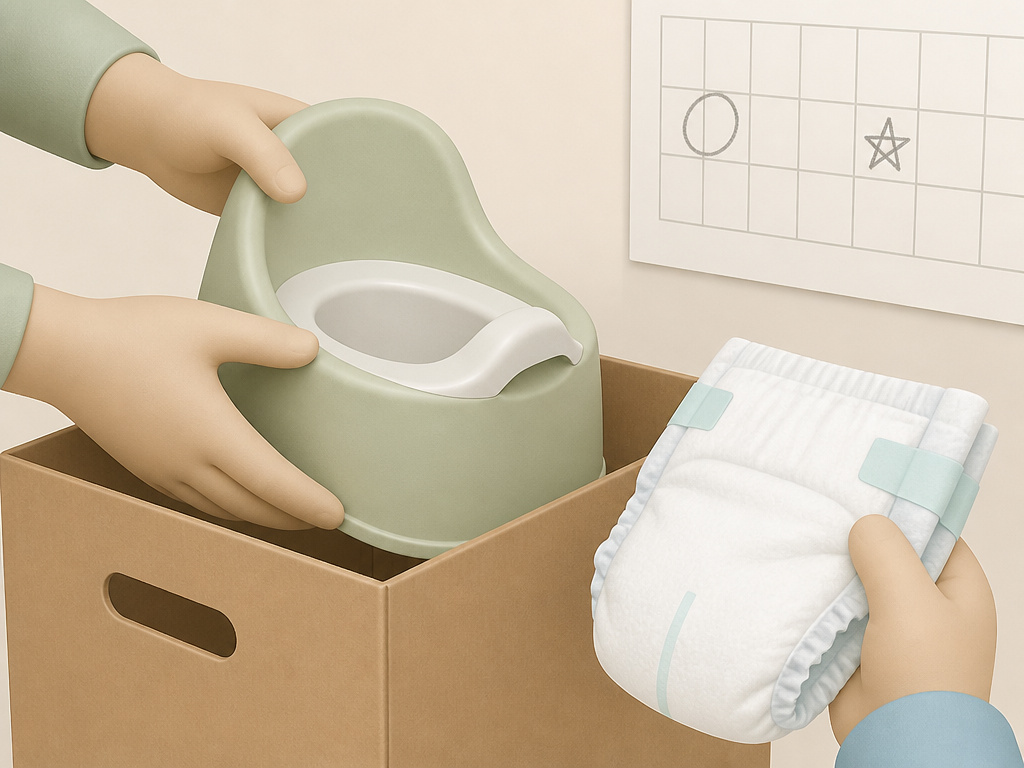 The single most powerful tool you have is the willingness to stop.
If your child shows consistent resistance, crying, hiding, holding for hours, demanding diapers, the expert consensus is to take a full break. The Canadian Paediatric Society advises a break of 1 to 3 months. Put the potty away. Go back to diapers without comment. Let the negative associations fade.
This action is a tactical retreat that preserves the relationship and your child’s willingness to try later. Forcing the issue when a child is resistant can lead to the very problems, withholding, encopresis, that the NIH toilet training review warns about.
How do you know when to restart? Look for positive signs of readiness that go beyond physical ability: – Curiosity about the toilet or others using it. – Discomfort with a wet or dirty diaper. – Ability to follow simple two-step instructions. – Verbal or non-verbal communication of the need to go.
When those appear, you begin again with foundational strategies. This time, the child is driving. Your job is to provide the support, the effective potty training rewards, and the patience.
Frequently Asked Questions
Is it normal for potty training to take months?
Yes. Major health authorities like HealthLink BC and the Canadian Paediatric Society state the average training period is 3 months, and it can take 3 to 6 months to be fully out of diapers. The “three-day” methods work for some, but a months-long process is the statistical norm.
Why does my child refuse to poop on the potty?
The most common reason is fear of pain, often due to underlying constipation. If passing stool has hurt before, the child associates the potty with that pain. Other reasons include lack of foot support, privacy concerns, or simply the unfamiliarity of the position. Letting them poop in a diaper temporarily while treating constipation is a medically recommended step.
Can starting too early make potty training harder?
Yes. Research indicates that starting before 27 months can lead to a longer active training duration, even if the child ultimately achieves control earlier. Starting before a child is emotionally ready often turns the process into a power struggle, which extends the timeline and increases frustration for everyone.
What should I do if my potty-trained child starts having accidents again?
This is a common regression, often triggered by stress (new sibling, move, illness), a change in routine, or a medical issue like a urinary tract infection. The best response is to stay calm, revert to pull-ups or diapers without shame for a short period, and address the underlying trigger. It usually passes.
Are some children just harder to potty train?
Children with certain developmental conditions, like Autism Spectrum Disorder, face significantly higher rates of toileting resistance due to sensory, social, and communication differences. The CDC toileting resistance report notes nearly half of preschoolers with ASD experience this. For them, “hard” is the default, and they require tailored strategies, not just more time.
Before You Go
Potty training is hard because it’s a perfect storm of developmental demands. The 3-month average isn’t a suggestion; it’s a reality check. The child who withholds isn’t being bad; they’re likely scared or in pain. The data is clear: earlier starts can mean longer training, and medical roadblocks like constipation must be solved first.
Your main leverage points are timing and environment. Wait for true emotional readiness, not just physical signs. Ensure foot support and a stress-free routine. Use positive reinforcement strategically, not as a bribe. And when you hit solid resistance, have the confidence to pause. Stepping back for a month is faster than pushing through a year of struggle.
The goal is a child who feels capable and a parent who isn’t exhausted. That happens by following the child’s lead, not the calendar.
