
How to Treat Bleeding Diaper Rash: The 3-Day Healing Timeline
This post contains affiliate links. As an Amazon Associate, we learn from qualifying purchases
Treat a bleeding diaper rash with immediate, gentle cleansing, thorough air-drying, and a thick layer of zinc oxide or petroleum jelly barrier cream. If the skin is broken, this is a severe irritant dermatitis that requires medical evaluation if it doesn’t show clear improvement within three days.
That three-day window is the line between home care and a doctor’s visit. A rash that bleeds has progressed past simple redness, the skin’s protective barrier is broken. Moisture, bacteria, and friction now have direct access to deeper layers.
This guide walks through the exact first-aid steps, explains when and which medications (like hydrocortisone 0.5% or clotrimazole) are needed, and details the specific signs that mean you should call the pediatrician now. You’ll know what to do at the changing table and when to stop guessing.
Key Takeaways
- A bleeding rash means the skin barrier is broken. Stop using standard wipes immediately and switch to water-only cleansing.
- The core treatment is a thick, protective barrier of zinc oxide paste with every change, applied to completely dry skin.
- If the rash shows no improvement at all within 72 hours of consistent care, contact your pediatrician, this is the standard medical guideline.
- Bright red skin with sharp borders and satellite pustules signals a yeast infection, which requires a specific antifungal cream, not just a barrier.
- Never use talcum powder, cornstarch, or baking soda on broken skin; they can cause further irritation or be inhaled.
Step-by-Step First Aid for Broken Skin
The moment you see blood, your cleaning routine changes. The goal is zero friction and zero new irritants.
First, wash your hands. Lay your baby on a clean towel or waterproof pad. Unfasten the dirty diaper but do not lift their legs yet. Use the front of the diaper to gently wipe away the bulk of any stool from front to back.
Where this goes sideways: Using a scented wipe on broken skin. The alcohol and fragrances sting, cause micro-tears, and can trigger a contact dermatitis reaction on top of the existing damage.
Here is the correct sequence. Fill a squeeze bottle or peri bottle with lukewarm water. Hold your baby’s legs up with one hand and gently squeeze water over the entire diaper area to rinse off urine and stool. You can also hold them over a clean basin or sink.
Pat the area dry with a supremely soft, clean cloth. Do not rub. Then, let them go diaper-free for 5-10 minutes. Air circulation is a more effective healer than any cream.
Once the skin is completely dry, apply a thick layer of barrier cream, think “frosting a cake.” Zinc oxide paste (like Desitin Maximum Strength or Triple Paste) is the default choice. It sits on top of the skin, sealing out wetness and allowing the tissue underneath to repair.
Put on a clean, dry diaper loosely. A tight diaper creates friction and reduces air circulation.
Is This a Yeast or Bacterial Infection?
A standard irritant rash is red and inflamed. An infected rash has telltale signs that change the treatment plan. Misdiagnosis here wastes days.
Candida (Yeast) Infection:
This is the most common secondary infection. Look for a bright red, shiny rash with very distinct, sharp borders. The most diagnostic feature is the presence of satellite lesions, small red bumps or pustules that appear around the main rash’s edges.
A yeast infection won’t respond to barrier cream alone. It needs an antifungal like clotrimazole or miconazole, applied twice daily for 7 to 10 days.
Bacterial Infection:
Less common but more urgent. Signs include honey-colored crusts, oozing yellow fluid, pus-filled blisters, or spreading redness that feels warm. The baby may also develop a fever. This can indicate impetigo (often from Staph or Strep bacteria) and requires a pediatrician’s diagnosis, often needing a prescription antibiotic ointment or oral medication.
| Rash Type | Key Visual Signs | Feels / Smells | Primary Treatment |
|---|---|---|---|
| Severe Irritant | Red, scaly, broken skin that may bleed. | Skin is raw and tender. | Barrier cream, air drying, frequent changes. |
| Yeast (Candida) | Vivid red with sharp borders, satellite pustules. | Can be intensely itchy. | Topical antifungal (e.g., Clotrimazole 2x/day for 7-10 days). |
| Bacterial | Yellow crusts, oozing pus, blisters, spreading warmth. | May be foul-smelling. | Pediatrician visit for possible prescription antibiotic. |
If you suspect an infection, your general diaper rash treatment routine is just the supportive base layer. The infection itself needs targeted medication.
Medication Guide: Creams, Ointments, and Steroids
When a rash is severe, inflamed, or diagnosed as fungal, over-the-counter and prescription medications enter the plan. Using them correctly is non-negotiable.
Barrier Creams (Zinc Oxide, Petroleum Jelly):
These are treatments and preventatives. They do not heal the skin pharmacologically; they protect it so it can heal itself. For a severe diaper rash, apply a thick layer with every single change. Don’t try to wipe it all off at the next change, remove only soiled cream.
Antifungal Creams (Clotrimazole, Miconazole):
These are for confirmed or suspected yeast. Apply a thin layer to the affected area twice daily. Continue for the full 7 to 10 days, even if the rash looks better sooner, to prevent recurrence. The StatPearls NCBI Bookshelf entry notes that if nystatin (another antifungal) shows no improvement in 1 to 3 days, switching to an azole like clotrimazole is recommended due to potential resistance.
Hydrocortisone 0.5% (Low-Potency Steroid):
This is for significant inflammation, not infection. It reduces swelling and redness. According to the same peer-reviewed resource, a short course of hydrocortisone 0.5% applied twice daily for one week can be used for moderate to severe irritant dermatitis that isn’t improving. Critical rule: never use it on a suspected fungal or bacterial infection, as steroids can suppress the immune response and make the infection worse.
Common mistake: Layering creams in the wrong order. If using both an antifungal and a barrier, apply the medication first to clean, dry skin. Wait a minute for it to absorb, then apply the barrier cream over top.
Your choice of rash treatments depends entirely on the rash’s cause. A pediatrician can make this call instantly, which is why the timeline rule exists.
The 3-Day Rule: When to Call a Doctor
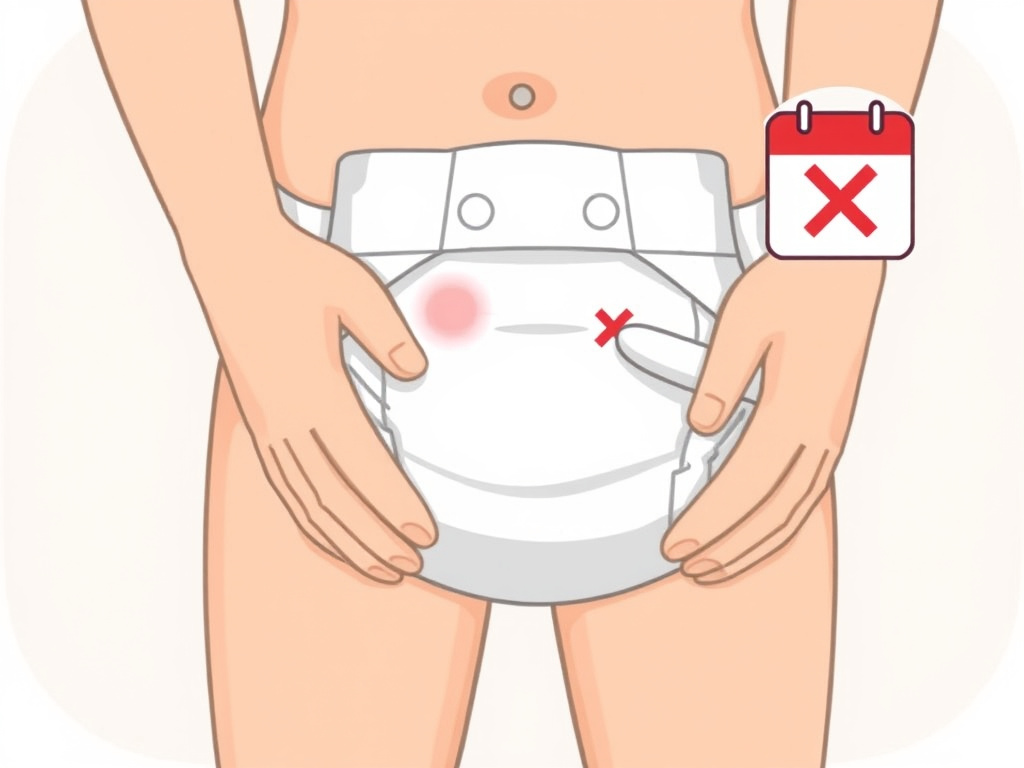 Home care has a clear expiration date. Medical guidelines are consistent: if a severe rash doesn’t improve within a defined window, professional evaluation is needed.
Call your pediatrician or seek medical care if:
- The rash shows no improvement after 72 hours of consistent, correct home treatment.
- The rash spreads beyond the diaper area to the thighs, abdomen, or back.
- Your baby develops a fever (temperature over 100.4°F or 38°C).
- You see signs of infection (yellow pus, blisters, crusting) as described above.
- The rash is causing extreme pain, making your baby inconsolable, or interfering with sleep.
- Your baby is under one month old and has any severe rash.
- There is persistent bleeding with each diaper change.
The Cleveland Clinic diaper rash symptoms guide states that mild rashes typically resolve in three to four days with home care. A bleeding rash is not mild. If you’re not seeing clear progress, less redness, smaller area, no new bleeding, by day three, stop. This is the point where guessing at a yeast diaper rash versus a bacterial one becomes risky.
Your pediatrician will diagnose the cause and may prescribe a specific treatment. They can also rule out less common but serious causes of diaper rash like allergic contact dermatitis or underlying skin conditions.
What Not to Do: Products and Habits to Avoid
Aggressive treatments can do more harm than good. When the skin is broken, your margin for error shrinks.
Stop using scented baby wipes. Even “sensitive” or “water” wipes often contain preservatives that sting. Use plain water and a soft cloth or cotton balls until the skin is fully healed.
Never use talcum powder or cornstarch. These can be inhaled, causing lung irritation. Cornstarch can also promote yeast growth if it becomes moist. Baking soda baths are another internet remedy that can disrupt skin’s natural pH and worsen irritation.
Do not scrub the skin during changes. Vigorous rubbing re-injures the healing tissue. Soak and pat.
Avoid tight diapers or plastic pants. They create a humid, airless environment that breeds bacteria and yeast and increases friction. Opt for breathable diapers and fasten them loosely.
Don’t skip the barrier cream. Even if the rash looks a bit better, the skin barrier takes longer to repair than the redness takes to fade. Keep applying a thick layer of your chosen diaper rash cream for at least two days after the rash appears gone.
Understanding the purpose of rash cream, to protect, not just to soothe, changes how you use it. It’s armor, not a lotion.
Prevention After Healing
Once the bleeding rash has cleared, the goal is to prevent a quick return. The skin in that area is now more vulnerable.
Change diapers extremely frequently, ideally every 1-2 hours when awake and immediately after a bowel movement. Consider using a super-absorbent diaper overnight to minimize wetness contact.
Continue with a lighter application of barrier cream at every change as a preventative shield. This is the single most effective habit.
At the first sign of minor redness, escalate your care immediately. Give more air time, change even more often, and use a thicker barrier. Catching a simple diaper rash early prevents it from escalating back to a severe state.
When introducing new foods, watch for changes in stool that might be more acidic and irritating. Always ensure you apply diaper cream properly, a thin, even layer that fully covers the high-risk zones.
Frequently Asked Questions
Can a bleeding diaper rash be treated at home?
Initial first aid, gentle water cleansing, air drying, and a thick zinc oxide barrier, can and should start at home. However, because bleeding indicates a broken skin barrier and high infection risk, it warrants a pediatrician’s evaluation if it doesn’t show clear improvement within three days.
What ointment is best for open sores?
Thick, high-percentage zinc oxide paste (40%) is the best first-line ointment for open sores. It creates a superior protective barrier. Do not use antibiotic ointments like Neosporin unless specifically directed by a doctor, as they can sometimes cause allergic reactions.
Is blood in diaper always from a rash?
Not always. If the blood is mixed into the stool, it could indicate something gastrointestinal. If it’s clearly on the skin surface from cracks or sores, it’s from the rash. Any uncertainty, especially with blood in the stool, requires a doctor’s visit to rule out other causes.
How long does it take for a severe rash to heal?
With correct treatment, significant improvement should be visible in 2-3 days. Complete healing of broken skin may take 5-7 days. If medication is needed, like an antifungal, complete the full 7-10 day course even after it looks healed to prevent rebound.
Can I use hydrocortisone 1% on my baby’s rash?
Do not use hydrocortisone 1% unless explicitly prescribed by your pediatrician for this specific rash. It is stronger than the 0.5% formulation and can thin the skin or mask an infection. The over-the-counter 0.5% strength should only be used for a limited time under a doctor’s guidance.
Before You Go
A bleeding diaper rash is alarming, but the protocol is straightforward. Clean gently with water, dry completely with air, and protect aggressively with a zinc oxide fortress. Watch the clock, if three days of perfect care don’t turn the tide, your pediatrician is the next logical step. They can pinpoint whether you’re dealing with a stubborn yeast infection or another issue and prescribe the exact effective rash remedies needed. Your job is to stop the irritation; their job is to treat the cause.
