
Why You Should Never Use a Swim Diaper as a Regular Diaper
This post contains affiliate links. As an Amazon Associate, we learn from qualifying purchases
No, you cannot use a swim diaper as a regular diaper. A swim diaper is engineered to let liquids pass through and contain solids only in water. On dry land, it offers zero absorbency, leaving urine against your baby’s skin, which leads to immediate discomfort and a high risk of diaper rash within hours.
That distinction isn’t a minor feature. It’s the entire point of the product. A regular diaper uses super-absorbent polymers to lock moisture away. A swim diaper uses tight elastic seals to act as a physical net. Confusing the two jobs leaves your baby wet, you frustrated, and the diaper useless.
What follows is a breakdown of the physics behind that failure, the specific skin consequences you’ll see, and why even a clever DIY hack to convert a regular diaper for the pool is a safer bet than using a swim diaper on your living room floor. By the end, you’ll know exactly when to reach for each type.
Key Takeaways
- Swim diapers have zero absorbent material; they are mesh-lined nets designed to let water and pee flow through while catching solids.
- Using one on land guarantees constant skin wetness, creating the perfect environment for diaper rash to start in as little as 2-3 hours.
- Public health guidelines like the CDC swim diaper guidelines are written for aquatic containment, not dry-land comfort or hygiene.
- If you’re in a pinch, it’s safer to modify a regular diaper for water (though not ideal) than to use a swim diaper as a regular diaper.
- For frequent swimmers, investing in a proper set of reusable swim diapers for the pool and quality regular diapers for land is the only sane path.
The Core Job Difference: Containment vs. Absorption
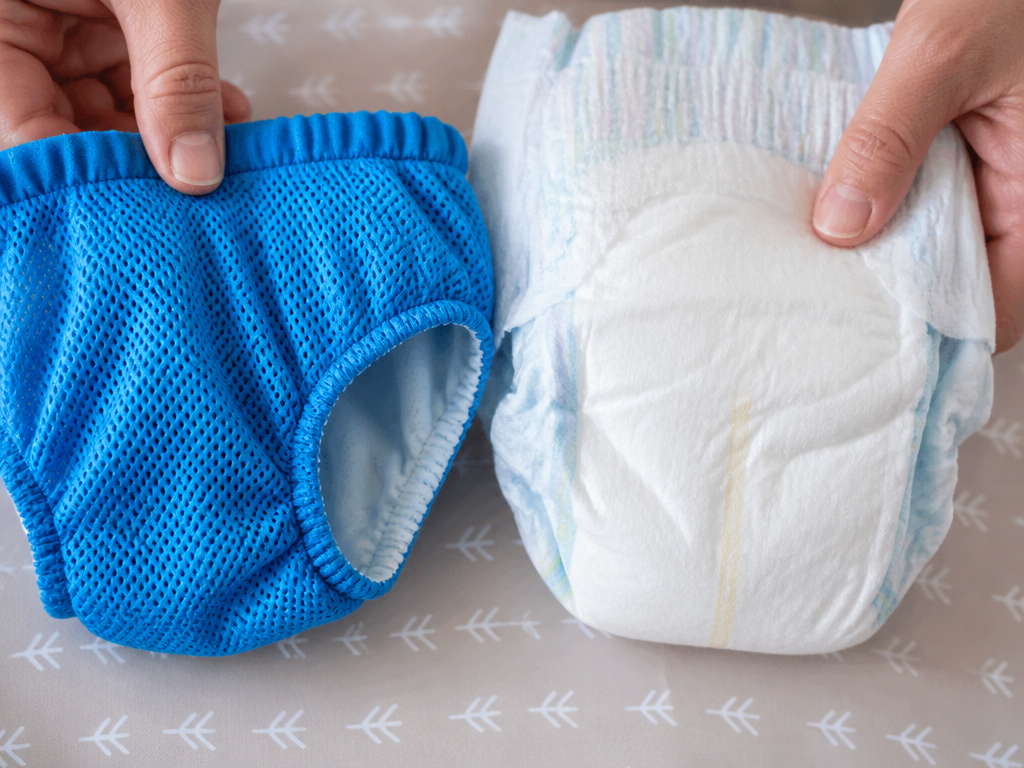
A regular diaper is a sponge. A swim diaper is a sieve. This isn’t semantics; it’s a fundamental engineering divide that dictates where each product can and cannot work.
The inside of a disposable regular diaper is packed with sodium polyacrylate crystals. These granules can absorb over 30 times their weight in liquid, pulling urine away from the skin into a gel. A cloth diaper uses multiple layers of thirsty fabric like cotton or bamboo to do the same job. In both cases, the goal is a dry, comfortable barrier.
A swim diaper contains none of that. Its lining is usually a thin polyester mesh or a water-resistant laminate. The purpose of a swim diaper is singular: to create a snug seal at the legs and waist that acts as a physical barrier for solid waste. Water and urine pass straight through the fabric. This is why the first time you use a swim diaper, you might be alarmed to feel wetness on the way to the pool, that’s the design working as intended, not failing.
The design is intentional, chlorine handles urine, but fecal pathogens need physical containment. This public health principle is why pools mandate them.
Trying to use a swim diaper for its non-job is like using a colander to carry water. The tool is brilliant for its specific task but catastrophic for the opposite one.
The Immediate Consequences of Using a Swim Diaper on Land
Put a swim diaper on a baby during naptime, and the problems start immediately. The lack of absorbency means every drop of urine stays pooled against the skin. This constant wetness breaks down the skin’s protective barrier faster than anything else.
Within two to three hours, that damp environment allows skin pH to shift and bacteria to proliferate. You’ll see redness first, typically in the warm folds of the groin and thighs. By the six-hour mark, less than a typical night’s sleep, that redness can develop into the beginnings of a full-blown rash. The mesh lining, which dries quickly in air, instead stays saturated with irritants.
Common mistake: Treating a swim diaper like a “light” regular diaper for short errands. The urine has nowhere to go, so even a 30-minute car seat stint can leave skin primed for irritation.
The diaper itself also fails structurally. Without water to flow through, the snug fit becomes a damp, chafing cuff. The outer shell, meant to dry quickly, stays clammy. You’re left with a miserable baby, ruined clothing, and a garment that smells before you’ve even left the house. This is the exact opposite of the proper use of a swim diaper, which is all about brief, contained water sessions.
Why This Confusion Happens (And the One Time a Swap Almost Works)
The mix-up is understandable. Brands like Pampers Splashers look almost identical to their absorbent cousins. The packaging often sits side-by-side on the store shelf. The critical difference is invisible: the missing absorbent core.
This leads to the desperate parent’s question: can you go the other way? Can you use a regular diaper in the pool? The answer is a firm no, and it’s a safety issue. A regular diaper absorbs pool water, swelling into a heavy, waterlogged mass that can weigh several pounds. It sags, loses its seal, and can ultimately rupture, releasing its contents. This is why guides on how to use a swim diaper explicitly warn against layering a regular diaper under swim diaper.
However, there is a fringe, emergency scenario where the swap is less dangerous. Some parents, in a true bind, have attempted to make a regular diaper a swim diaper by cutting slits in the outer lining to let water flow through, attempting to prevent the swelling. This DIY swim diaper method is risky and not endorsed by any health authority, but it acknowledges the core problem: absorbency is the enemy in water. Crucially, this hack still recognizes that a non-absorbent swim diaper is useless on land. The failure modes are not symmetrical.
| Scenario | Using a Swim Diaper on Land | Using a Regular Diaper in Water |
|---|---|---|
| Primary Failure | Zero absorbency → skin maceration & rash. | Extreme absorption → waterlogging & heavy sagging. |
| Timeline | Discomfort within minutes, rash within hours. | Becomes waterlogged and heavy within 1-2 minutes. |
| Safety Risk | High (severe diaper rash, skin breakdown). | Very High (impedes movement, drowning risk, breaks apart). |
| Can it be “hacked”? | No. There is no way to add absorbency to a swim diaper. | Possibly, but poorly (e.g., cutting slits in outer shell). |
Swim Diaper Rules Are for Water, Not Diaper Bags
 The regulations that mandate swim diapers are written for community health in aquatic environments, not for your child’s day-to-day comfort. These rules exist to contain germs like Cryptosporidium, a chlorine-resistant parasite that causes severe diarrhea.
Documents like the public pool diaper guidelines PDF from local health departments are laser-focused on preventing fecal contamination incidents that can shut down a pool for days. They specify a proper fitting of a swim diaper, snug at the waist and legs, to act as that containment net. The CDC pool hygiene recommendations explicitly state swim diapers do not prevent diarrhea germs from contaminating water, which is why a child with diarrhea must stay out of the pool entirely.
These are rules for a specific public health battlefield. They assume the diaper will be worn for a limited swim session, followed by immediate changing. They confer zero authority for using the product as part of your everyday diaper rash treatments routine. Trusting them for land use is a misreading of their intent.
What to Actually Do: Building Your Diaper Toolkit
 So you need a solution for both land and water. The answer isn’t one magical product, but the right two products used at the right time. This is where a small investment in purpose-built gear pays off in comfort and avoided mess.
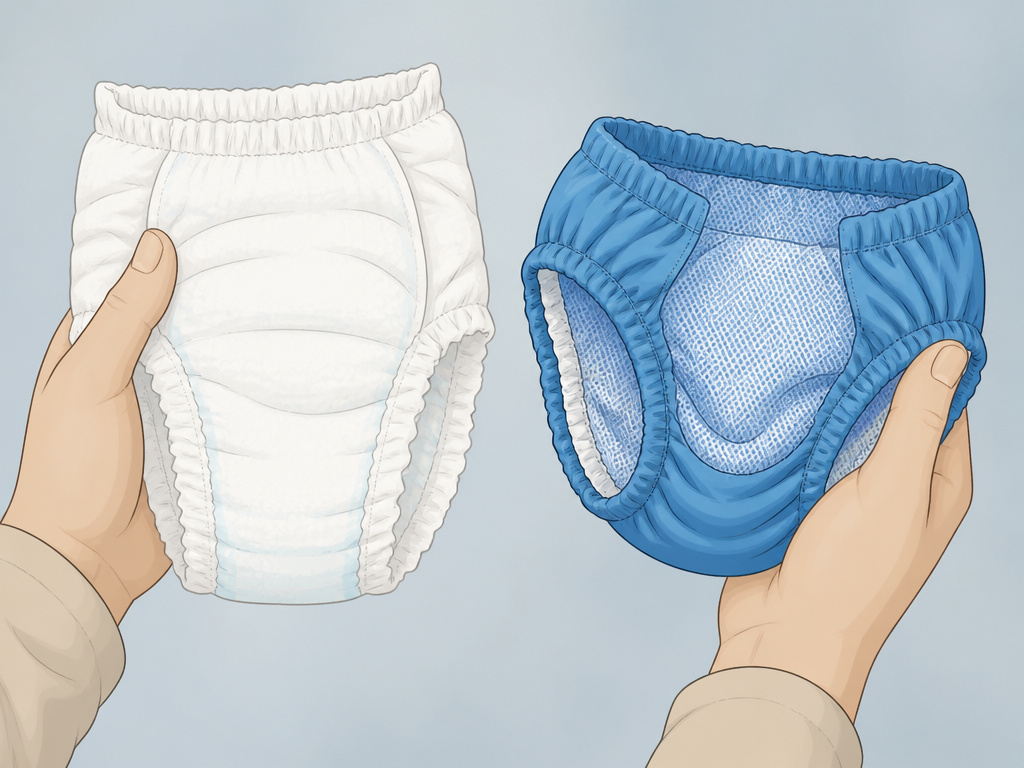
For daily wear, use a high-quality regular diaper. Its job is to keep skin dry. For pool time, beach days, or splash pads, you need a dedicated swim diaper. Your choice here is between disposable and reusable.
Disposable swim diapers like Pampers Splashers are convenient for vacations or occasional use. They are single-use and have tear-away sides for easy removal after a messy incident. Reusable swim diapers from brands like Splash About or Charlie Banana are the choice for weekly swim lessons. They cost more upfront but last for seasons. They often come as cute swim shorts or bikini bottoms, with an inner mesh liner and a snug elastic seal.
Where this goes sideways: Buying a swim diaper one size too big “for growth.” A gap at the leg means a leak in the pool, which is the one job it had. Size for a snug fit, just like your best swim diapers for infants guide should recommend.
Keep both types stocked. Put the swim diaper on just before water entry, and change into a dry, absorbent regular diaper immediately after you’re done. This simple switch is the entire secret. It respects the physics of each product and keeps your baby’s skin healthy. For more on selecting the right one, our reviews of the best reusable swim diapers and best swim diapers for babies break down the top brands and fits.
Frequently Asked Questions
Can I put a swim diaper on my baby for a short car ride to the pool?
You can, but you will regret it. Swim diapers do not hold pee. Any urine released during the ride will soak through the diaper and into the car seat. The resulting wetness will make your baby cold and uncomfortable even before you get in the water. The best practice is to put the swim diaper on in the changing room right before swimming.
My baby pooped in the swim diaper. Can I just clean it and reuse it?
If it’s a disposable, absolutely not. Throw it away. If it’s a reusable swim diaper, you can rinse it out immediately (in a toilet or utility sink, not the pool), place it in a wet bag, and wash it at home according to the label instructions. Always wash reusables after a fecal incident before using them again.
Are swim diapers uncomfortable for babies?
Not when used correctly in water. The mesh lining is soft, and because it doesn’t swell with water, it stays lightweight and allows full range of motion. The discomfort comes from using them incorrectly on land, where wet fabric chafes against skin.
How do I know when my child no longer needs a swim diaper?
Your child no longer needs a swim diaper when they are fully toilet-trained and can reliably communicate the need to use the bathroom before it happens. This usually happens between ages 3 and 4. Even if they are dry on land, if they can’t recognize the urge while excited in the water, continue using a swim diaper for everyone’s protection.
Why do some pools require a swim diaper AND a plastic cover?
This “double-layer” rule, often found in swim schools, is an extra containment precaution. The idea is that a fitted reusable swim diaper provides the first seal, and a snug nylon or Lycra swim bottom provides a second physical barrier. It is not an invitation to use a regular diaper underneath; that combination is dangerous and defeats the purpose.
Before You Go
A swim diaper is a brilliant, single-purpose tool. Its entire value is that it doesn’t absorb. Using it as a regular diaper inverts its function and guarantees a problem.
Stick to the division of labor. Let regular diapers handle wetness on land with their absorbent cores. Let swim diapers handle containment in water with their tight seals. Pack both in your bag. The few seconds it takes to make the switch are the difference between a happy, comfortable baby and a rash-filled, miserable one. When you understand the swim diaper design for solids, the question of swapping them answers itself.
