
Can Milk Cause Diaper Rash? The Science & The Stakes
This post contains affiliate links. As an Amazon Associate, we learn from qualifying purchases
Cow’s milk can cause a rash in the diaper area, but it’s not the typical diaper rash. It’s a specific condition called perianal dermatitis, linked to a cow’s milk protein allergy. A true milk allergy is an immune response to proteins like casein or whey, which can also cause hives on the face and torso, vomiting, or bloody stools. The standard irritant diaper rash from moisture and friction is far more common.
That distinction changes everything. Most red skin under a diaper is from wetness, chafing, or a yeast bloom. The rash from a milk allergy looks and acts differently. It’s a sign of something happening inside the gut, not just on the skin.
What follows: a breakdown of the two reactions, the specific symptoms that point to allergy, the diagnostic steps doctors use, and how to manage it without cutting nutrients your baby needs.
Key Takeaways
- Milk allergy causes perianal dermatitis, a moist, bright red rash around the anus, not a standard diaper rash. Classic allergy symptoms like hives typically appear on the face and trunk, not the diaper area.
- A 1987 case study documented a 12-month-old with a severe milk allergy who experienced anaphylaxis after a casein-containing diaper ointment was applied to inflamed skin, proving direct skin contact can trigger systemic reactions.
- Diagnosis requires a strict 2–4 week elimination diet (milk-free formula or maternal diet change), followed by a supervised reintroduction challenge. This is the gold standard, not guesswork.
- Lactose intolerance is a digestive issue, not an allergy. It causes gas and diarrhea but does not cause rashes, eczema, or immune reactions. Lactose-free formula still contains milk protein and is not safe for a milk allergy.
- The prognosis is good. Over 90% of children outgrow a cow’s milk allergy by age 6, but management under a pediatrician or allergist is essential for safety and nutrition.
The Two Types of Milk Reaction: Allergy vs. Intolerance
You hear “milk problem” and think of a stomach ache or a rash. The mechanism behind each is completely different. One involves the immune system going to war; the other is a simple digestive logjam.
A cow’s milk allergy (CMA) is an immune response. The body mistakenly identifies milk proteins, usually casein or whey, as dangerous invaders. This triggers the release of histamine and other chemicals, leading to inflammation. This reaction can be rapid (IgE-mediated), causing hives or vomiting within minutes, or delayed (non-IgE-mediated), causing eczema or bloody stools hours or days later.
Where this goes sideways: Confusing a milk allergy with lactose intolerance. Lactose intolerance lacks the immune response. It’s an enzyme deficiency where the body can’t digest the milk sugar (lactose), leading to gas, bloating, and acidic diarrhea. It does not cause rashes, hives, or anaphylaxis. Giving a lactose-free formula to a baby with a milk allergy is dangerous, as those formulas still contain the allergenic proteins.
Lactose intolerance is rare in infants unless it’s temporary after a gut infection. The real concern, and the one that can manifest with skin issues, is the immune-mediated allergy. The StatPearls entry on cow milk allergy notes that the basis of diagnosis is primarily on the history of symptoms, because the presentation varies so widely.
| Reaction Type | Cause | Key Symptoms | Timeline | Can Cause Diaper Area Rash? |
|---|---|---|---|---|
| Cow’s Milk Allergy (CMA) | Immune system attacks milk protein (casein/whey) | Hives, facial swelling, vomiting, perianal dermatitis, bloody stools, eczema | IgE: Minutes. Non-IgE: 2-72 hours. | Yes, as specific perianal dermatitis. |
| Lactose Intolerance | Deficiency of lactase enzyme | Gas, bloating, acidic, watery diarrhea | 30 mins – 2 hours after ingestion | No. Acidic stool can cause irritant rash, but not an allergic rash. |
| Irritant Diaper Rash | Moisture, friction, prolonged contact with stool/urine | Red, inflamed skin on buttocks, thighs, genitals | Develops over hours/days of exposure | Yes, this is the most common type of all. |
How a Milk Allergy Manifests on the Skin (It’s Not Where You Think)
If you’re picturing a milk allergy rash as a generalized redness under the diaper, you’re likely wrong. The immunology directs the response. IgE-mediated reactions often show up on the face, around the mouth, and on the torso as hives or swelling. The diaper area is usually spared in these immediate reactions.
The skin manifestation linked directly to milk allergy in the diaper region is perianal dermatitis. This isn’t your average rash. It presents as a sharply defined, bright red, often moist-looking inflammation specifically around the anus. It looks angrier and more concentrated than the broader irritation of a classic diaper rash. Research, including a position paper from the ESPGHAN position paper on CMA, confirms that while milk allergy symptoms are predominantly cutaneous (70-75%), they typically involve other areas.
The part nobody mentions: The skin barrier is a gatekeeper. When the diaper area is already inflamed from a standard rash, its integrity is compromised. A 1987 case study in Clinical Pediatrics recorded a 12-month-old with severe CMA who suffered anaphylaxis after a casein-containing diaper ointment was applied to broken skin. The proteins entered directly through the damaged barrier, triggering a full-body allergic reaction. This edge case proves direct skin contact with the allergen can be dangerous when the skin’s defense is down.
So, while a milk allergy might cause a distinct perianal rash, the more common allergic skin signs appear elsewhere. This is a critical clue. If your baby has a rough diaper rash and unexplained hives on the belly or face after feeding, the link to formula or dairy becomes a prime suspect.
The Diagnostic Path: From Suspicion to Certainty
You suspect milk. The internet says to cut dairy. Your mother-in-law says it’s just teething. Guessing is exhausting and potentially harmful. The diagnostic process for a milk allergy is methodical, and it’s designed to remove the guesswork.
The gold standard, reiterated in guidelines from institutions like the Royal United Hospitals Bath NHS Foundation Trust, is a two-phase process: elimination and challenge. This isn’t a casual “try it for a few days.” It’s a committed trial.
Phase 1: The Elimination Diet (2–4 weeks)
- Formula-fed infants: Switch to an extensively hydrolyzed formula (like Nutramigen or Alimentum) or an amino-acid-based formula (like EleCare or Neocate). These formulas have proteins broken down so small the immune system doesn’t recognize them. Partially hydrolyzed formulas are not safe for true allergies.
- Breastfed infants: The mother eliminates all cow’s milk protein from her diet. This means reading labels for casein, whey, lactose, and “natural flavors.” A calcium supplement is often recommended.
- Goal: You are looking for clear improvement in the suspected symptoms, whether that’s the perianal rash, eczema, vomiting, or bloody stools.
Phase 2: The Supervised Reintroduction Challenge
After 2-4 weeks of improvement, milk is reintroduced in a controlled way. For formula-fed babies, this means slowly adding standard formula back into the hypoallergenic mix. For breastfed babies, the mother reintroduces dairy into her diet. * If symptoms return: The diagnosis of cow’s milk allergy is confirmed. * If no symptoms return: Milk is likely not the culprit.
Before you start: Do not attempt a reintroduction challenge at home if your child has ever had a rapid reaction involving difficulty breathing, throat tightening, or significant facial swelling. These are signs of an IgE-mediated allergy, and the challenge should be done in a doctor’s office or hospital setting with emergency equipment on hand.
This process is more reliable than any at-home test. Blood tests for IgE antibodies (RAST) or skin prick tests can support a diagnosis of IgE-mediated allergy, but they have false positives and negatives. For non-IgE allergies, these tests are often negative. The elimination-challenge protocol is the definitive tool. It’s also how you rule out other common diaper rash causes, like a yeast infection or a reaction to antibiotics.
Managing a Milk Allergy: Beyond the Rash
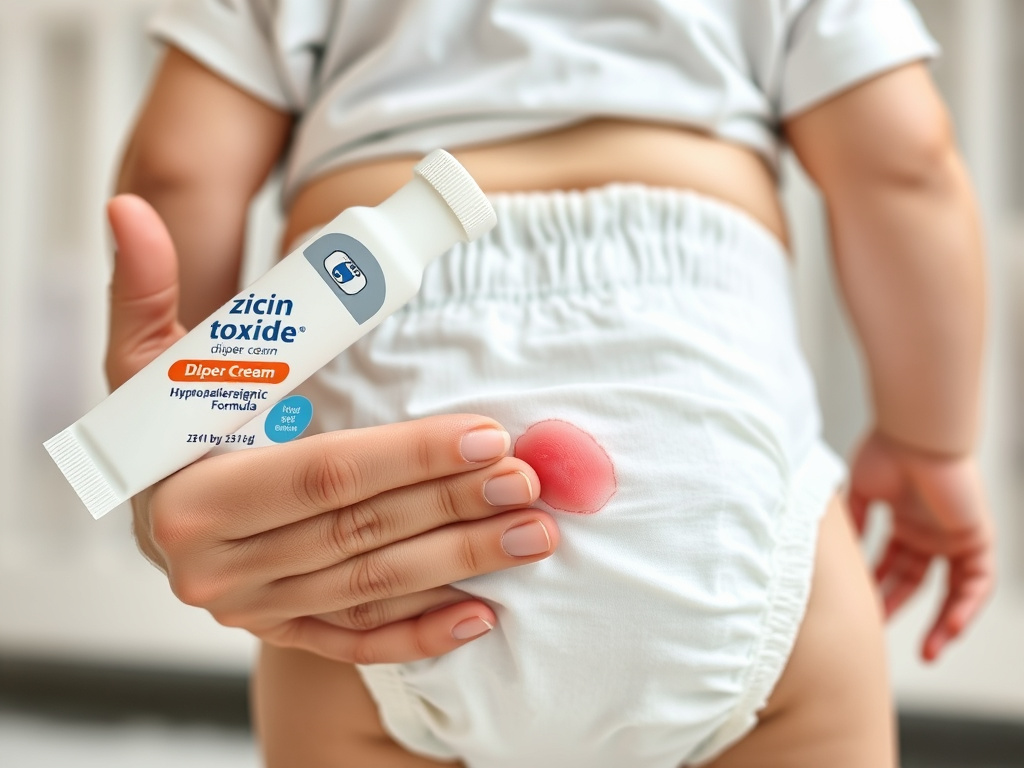 A diagnosis can feel overwhelming. The focus shifts from just treating a severe diaper rash to managing a whole-body condition. The core strategy is avoidance, but it has to be balanced with nutrition.
1. Dietary Avoidance is Non-Negotiable
For infants, this means staying on the prescribed hypoallergenic formula. Do not switch to goat, sheep, or soy milk without medical advice, cross-reactivity is high. As one PMC study on milk-induced atopic dermatitis explores, the immune triggers are specific to the protein structures. Many babies with CMA react to soy as well.
2. Medicinal Support
- For acute allergic reactions: Pediatricians may prescribe a non-sedating antihistamine like cetirizine for mild reactions. For any history of anaphylaxis, an epinephrine auto-injector (EpiPen) is mandatory.
- For skin management: Use thick, protective barrier creams (zinc oxide paste) to protect the perianal skin from acidic stools. If a concurrent yeast diaper rash is suspected, an antifungal cream like clotrimazole is needed.
3. Nutritional Safeguards
Cow’s milk is a key source of calcium, vitamin D, and protein. Elimination diets must be nutritionally complete. * Work with a pediatric dietitian. They can ensure your baby’s formula meets all needs and guide you on supplementing a breastfeeding mother’s diet. * For older babies starting solids: Introduce a variety of calcium-rich foods like fortified cereals, leafy greens (pureed), and beans. A dietitian can provide a safe “milk ladder” for reintroducing baked milk products when the time is right.
The goal isn’t forever restriction. The prognosis is reassuring. Most children outgrow non-IgE-mediated allergies by age 3. Even for IgE-mediated allergies, over 90% outgrow it by age 6. Regular follow-ups with your pediatrician or allergist will determine when and how to try reintroduction.
Frequently Asked Questions
Can a breastfeeding mother drinking milk cause her baby’s diaper rash?
Yes, but it’s less common than with direct formula feeding. Cow’s milk proteins pass into breast milk in small amounts. For a sensitized infant, this can be enough to trigger symptoms, including perianal dermatitis. If allergy is suspected, the mother will go on a strict dairy-free diet for 2-4 weeks to see if the baby’s symptoms resolve.
What’s the difference between a diaper rash from milk and a regular one?
Regular irritant diaper rash is caused by wetness and friction, affecting the entire diaper area (buttocks, thighs, genitals). A rash from a milk allergy is typically perianal dermatitis, a brighter, redder, moister rash concentrated around the anus. Milk allergy also usually presents with other symptoms beyond the diaper area, like hives on the face or torso, vomiting, or fussiness during feeds.
How long after drinking milk does a diaper rash from allergy appear?
It depends on the allergy type. For an IgE-mediated (immediate) allergy, hives or other symptoms can appear within minutes to 2 hours, but a perianal rash might not be the first sign. For a non-IgE-mediated (delayed) allergy, digestive or skin symptoms like perianal rash or eczema can take 6 to 72 hours to develop after ingestion.
My baby has a rash and diarrhea. Is it milk allergy or lactose intolerance?
Look for the presence of immune-system symptoms. If there is any rash (like perianal redness or hives), eczema, or bloody stools, think milk allergy. Lactose intolerance causes only digestive distress: gas, bloating, and acidic, frothy diarrhea. It does not involve the skin. The diarrhea from lactose intolerance can lead to an irritant diaper rash, but it doesn’t cause an allergic-type rash.
What should I do if I think my baby’s diaper rash is from milk?
Stop guessing and start a structured process. First, document all symptoms (rash appearance, location, timing relative to feeds, other issues like vomiting). Then, talk to your pediatrician. They will likely recommend the 2-4 week elimination diet (changing formula or your diet if breastfeeding) as a diagnostic test. Do not independently restrict your or your baby’s diet long-term without medical guidance, as nutrition is critical.
Before You Go
Milk can be a culprit, but it’s a specific one. It doesn’t cause the everyday dampness rash. It triggers an immune response that might show up as a distinct perianal rash alongside other, more systemic signs. The path forward isn’t fear, it’s process. Use the 2-4 week elimination diet as your detective tool, not random food avoidance. Partner with your pediatrician. The majority of kids outgrow this, and with careful management, that red, angry skin can become a solved problem, not a recurring mystery. Your first step is to look beyond the diaper and connect the full pattern of symptoms.
