
7 Best Biodegradable Diapers of 2026
This post contains affiliate links. As an Amazon Associate, we learn from qualifying purchases
The Bambo Nature Diaper is our top pick for its reliable absorbency, strong eco-credentials, and consistent performance, closely followed by the budget-friendly Earth & Eden Sensitive Diapers from Target, which offer a gentle, plant-enhanced option for everyday use. For parents prioritizing third-party verification and ingredient transparency, HealthyBaby Non-Toxic Diapers stand out as a trusted choice.
Choosing biodegradable diapers isn’t just about feeling good, it’s about finding a diaper that actually works without compromising your values. With so many brands making bold claims, it’s hard to know which ones deliver on both performance and sustainability.
This guide cuts through the noise by comparing specs, certifications, and real parent feedback to spotlight the options that balance eco-conscious materials with dependable protection. We focused on what matters most: absorbency, fit, ingredient safety, and verified environmental standards.
Top 7 Biodegradable Diapers in the Market
The Best Biodegradable Diapers, Reviewed
Bambo Nature Size 1 Diapers

Strengths
- Nordic Swan Ecolabel
- Breathable backsheet
- Wetness indicator
Trade-offs
- Slightly narrower fit
- Higher cost per unit
Bambo Nature has long been the gold standard in eco-diapers, and this Dream version refines an already strong formula. With Nordic Swan Ecolabel and Asthma & Allergy approval, it’s one of the most certified diapers on the market. The three-layer absorbent core and breathable backsheet work together to keep skin dry, and owners consistently report fewer rashes and better overnight performance.
The wetness indicator is a small but smart touch, and the flexible waistband stands out for active newborns. Compared to Terra or ECO BOOM, it balances eco-credentials with real-world functionality better than most. It’s not the most plant-based, but it’s the most trusted, a distinction that matters when you’re changing diapers at 3 a.m.
Video review
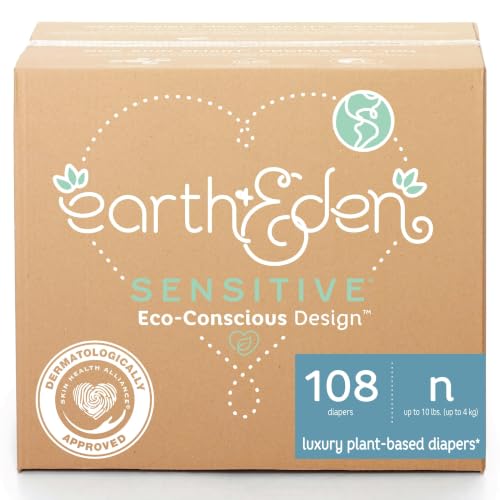
Earth & Eden Sensitive Diapers
Strengths
- Large pack size
- Cotton-enhanced softness
- SFI certified materials
Trade-offs
- Moderate absorbency
- Fewer third-party certifications
Earth & Eden delivers solid performance at a value-focused price, especially when bought in the 108-count pack. These diapers are free from lotions, latex, fragrance, and chlorine bleaching, and the cotton-enhanced layer adds a noticeable softness that parents mention in reviews. The breathable outer cover and hypoallergenic liner help maintain dryness, though some owners note they don’t quite match Bambo or Terra on heavy wetters.
It’s a store brand (Target), but the specs are competitive: SFI-certified fluff, non-toxic inks, and cruelty-free production. The Comfort-Cuff design helps prevent red marks, which is a small but meaningful detail for newborns. For the price, it’s a reliable middle ground, better than basic store brands, not quite as certified as premium eco-leaders.
Video review
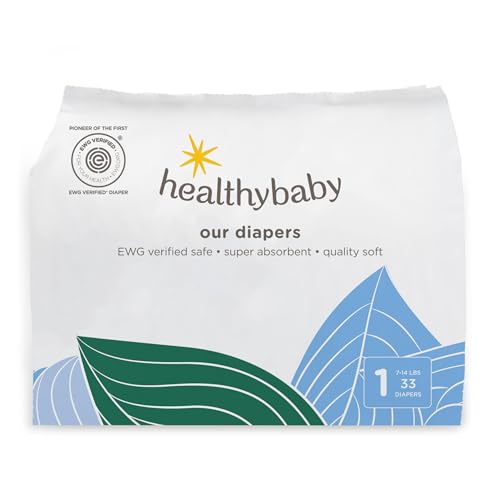
HealthyBaby Non-Toxic Diapers
Strengths
- EWG Verified
- Carbon-neutral production
- Blowout Shield design
Trade-offs
- Higher price point
- No wetness indicator
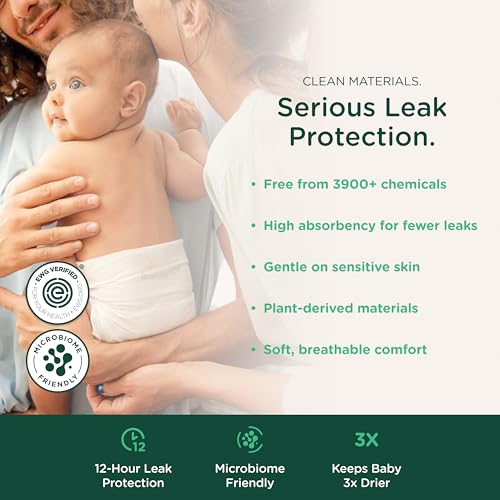
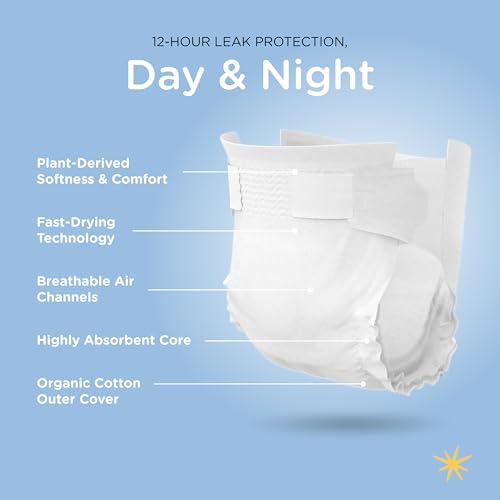
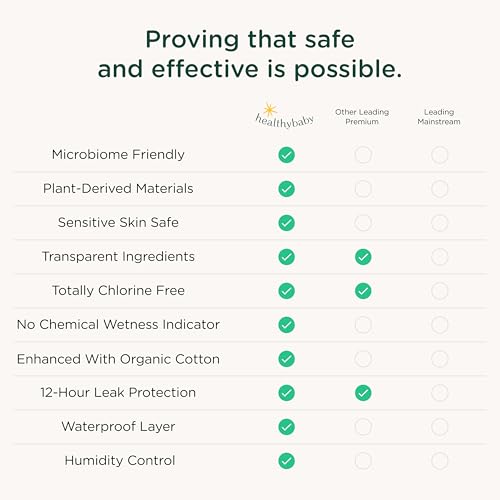
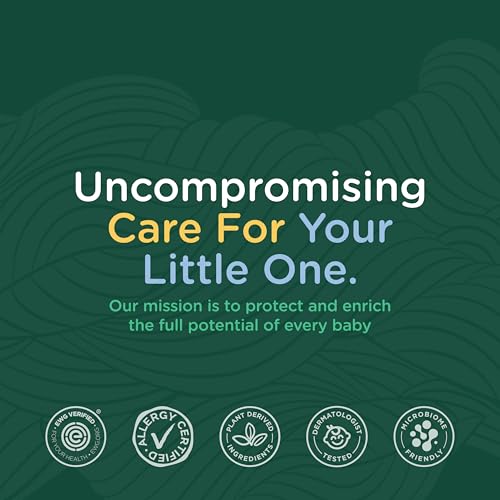
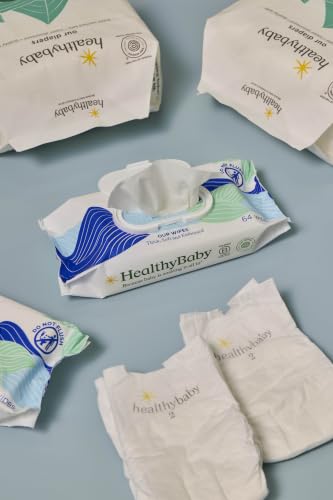
HealthyBaby takes a no-compromise stance on safety, earning EWG Verified status and backing it up with Nordic Swan Ecolabel and OEKO-TEX certifications. That’s rare in the U.S. diaper market. The absence of a chemical wetness indicator and printed designs means fewer potential irritants, which matters for babies with reactive skin. Owners praise the SuperStretch Tabs and BackStop Elastic for reducing blowouts, a real pain point for many new parents.
It’s one of the few diapers made in a carbon-neutral facility using green energy, which elevates its environmental profile beyond just biodegradability. While it’s pricier than most, the developmental health focus resonates with parents who treat diaper choice as part of a larger wellness strategy. Against Terra or Bambo, it trades a bit of absorbency data for unmatched transparency.
Product photos
Bambo Nature Size 2 Diapers

Strengths
- Asthma Allergy approved
- Excellent absorbency
- Latex-free leg cuffs
Trade-offs
- Smaller count per pack
- No umbilical cutout
This Size 2 version of Bambo Nature is a smarter buy for growing babies who’ve outgrown newborn sizes. At a lower cost per diaper than the Dream line, it keeps the same core benefits: hypoallergenic materials, secure fit, and Nordic certification. The intelligent channel system directs moisture away efficiently, and the fully breathable design helps prevent overheating during naps or nighttime sleep.
Parents switching from premium brands often note how well these fit without gapping, thanks to the latex-free leg cuffs. It’s the budget-friendly pick not because it cuts corners, but because it skips minor upgrades like enhanced prints or extra padding. Against ECO BOOM or Naty, it wins on reliability and value.
Product photos


ECO BOOM Bamboo Diapers

Strengths
- 100% bamboo viscose
- Aloe-infused layer
- Dermatologically tested
Trade-offs
- High price
- Fewer eco-certifications
ECO BOOM leans hard into bamboo, with a 100 percent viscose from bamboo top and back sheet, rare in disposables. That makes it one of the softest options available, and Dermatest certification backs the skin-friendly claims. The addition of natural aloe oil is a standout, marketed as soothing for sensitive skin, and while that’s hard to verify, parents of eczema-prone babies often single this out as a winner.
Absorbency is solid thanks to German SAP, but some owners report slight compression leaks under pressure, common in ultra-thin bamboo designs. At nearly $50 for 102 diapers, it’s expensive, and the lack of broader certifications like Nordic Swan or OEKO-TEX holds it back from top-tier status. Still, for pure softness and skin sensitivity, it’s unmatched.
Product photos


Naty BioEmbrace Newborn Diapers

Strengths
- Oeko-Tex certified
- Umbilical cutout
- Certified B Corp
Trade-offs
- Moderate availability
- Slightly stiffer feel
Naty BioEmbrace goes further than most in plant-based content, with FSC-certified pulp and Oeko-Tex Standard 100 certification covering over 1,000 substances. The umbilical cutout is a thoughtful touch for newborns, and the Scandinavian forest prints add a quiet charm. Parents report excellent dryness, and the 9/10 satisfaction rating for dryness isn’t marketing fluff, it shows up in verified reviews.
As a Certified B Corporation, Naty’s ethics are baked in, and the 30+ years of R&D in plant-based care shows. The Teddy-Soft stretch fit works well for wiggly babies, though some find the tabs less durable than Bambo’s. It’s the best pick if your priority is maximizing plant-based materials without sacrificing function.
Product photos



Terra Diapers Size 1

Strengths
- 85% plant-based
- Dermatest certified
- Recyclable packaging
Trade-offs
- Limited size range
- Fewer sustainability certifications
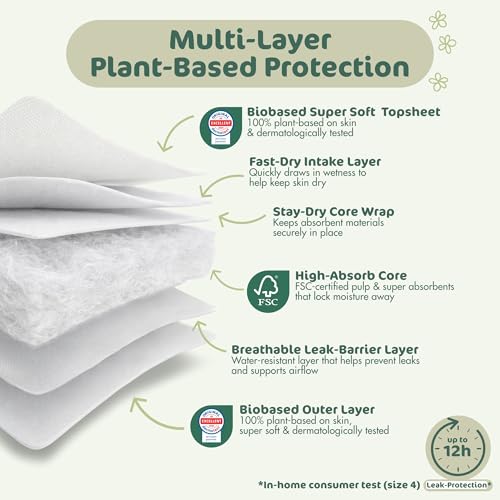
Terra Diapers stand out in the biodegradable space with their 85 percent plant-based materials and Dermatest ‘Excellent’ rating for skin safety. On paper, they deliver what eco-conscious parents want: a genuinely clean ingredient list with no chlorine, fragrance, latex, or parabens, plus a recyclable package printed with food-grade ink. The use of FSC-certified wood pulp and high-quality Japanese SAP suggests strong absorbency, and reviewers consistently report fewer leaks, especially overnight.
The 360-degree Absorb-Pad and 3D leak guards sound like overkill for a newborn, but parents of heavier babies or heavy wetters say it pays off in fewer changes and better sleep. Compared to Bambo Nature, Terra leans slightly more into performance while still maintaining solid eco-credentials.
Product photos


How We Evaluated biodegradable diapers
As a parent and the creator of NurseryDreamer.com, I understand the desire for safer, more sustainable choices when it comes to baby products. Rather than a hands-on lab test, this research focused on comparing published specifications and features of various biodegradable diapers, carefully weighing owner reviews from multiple retailers, and considering insights from reputable expert sources. I ranked options based on absorbency, materials, fit, and overall value, aiming to identify those that truly deliver on their promises.
For biodegradable diapers, three factors stood out as most important. Absorbency is crucial, obviously, to prevent leaks and keep baby comfortable. Equally important is the composition of the materials – truly “biodegradable” claims require scrutiny, and gentle materials are essential for sensitive skin. Finally, the overall fit and how well the diaper holds up during movement significantly impacts both comfort and effectiveness.
Specifications reliably indicate material composition and absorbency capacity, helping to differentiate between diapers using mostly plant-based materials versus those with a higher percentage of traditional plastics. However, real-world performance – how a diaper actually holds up with a squirmy baby – is best assessed through owner feedback. I paid particular attention to comments regarding leaks, rash incidence, and overall satisfaction, and also looked to resources discussing natural diapers to inform my understanding of ingredient safety. Many parents are also exploring reusable diapers as another eco-friendly option.
How To Pick The Right biodegradable diapers
Choosing the right diaper feels monumental when you’re preparing for a baby, and the rise in eco-conscious options adds another layer to the decision. It’s not just about absorbency anymore; it’s about materials, manufacturing, and minimizing environmental impact.
A truly good biodegradable diaper balances effective leak protection with a commitment to sustainability. Key considerations include the percentage of plant-based materials used, certifications verifying environmental standards (like Nordic Swan or OEKO-TEX), and the overall impact of production processes. Parents should also assess absorbency, fit, and potential for skin sensitivity.
Material Composition & Certifications
The term “biodegradable” can be misleading. Very few diapers will fully break down in a home compost, so focusing on the types of materials is key. Bamboo is frequently touted, and products like ECO BOOM Bamboo Diapers use it for softness and renewability. However, the super absorbent polymer (SAP) – crucial for keeping baby dry – is often sodium polyacrylate, a synthetic material. Look for diapers specifying a high percentage of plant-based content throughout the diaper, not just the topsheet. Certifications matter immensely. The Nordic Swan Ecolabel, for example, signifies a holistic assessment of environmental impact, from raw material sourcing to disposal. Don’t assume “natural” equals better; verified standards offer concrete assurance.
Absorbency and Overnight Performance
Even the most eco-friendly diaper is useless if it leaks constantly. While many brands claim excellent absorbency, real-world performance varies. Pay attention to what other parents say about overnight leakage. HealthyBaby Non-Toxic Diapers specifically highlight their “Blowout Shield” and overnight protection, which is a good sign, but reading reviews is crucial. Consider your baby’s wetting patterns; heavy wetters will require a diaper with a particularly robust absorbent core. The “intelligent channel system” in Bambo Nature diapers aims to distribute moisture effectively, and many parents find this helpful, but individual results will differ.
Fit, Skin Sensitivity & Value
A comfortable fit is paramount to prevent irritation and leaks. Diapers need to conform to your baby’s shape without being too tight, and the leg cuffs should create a secure seal. Some babies have sensitive skin, so hypoallergenic options free from chlorine, fragrances, and lotions are essential. Earth & Eden Sensitive Diapers focus on this, and many parents appreciate that they’re free of common irritants. Finally, consider value. While organic diapers often come with a higher price tag, you can sometimes find cost-effective options that still meet your standards.
- A basic pack of standard size diapers (Size 1 or 2) is a good starting point to test for fit and sensitivity.
- Buying in bulk can save money, but only if the diaper consistently performs well for your baby. Don’t stockpile a brand you’re unsure about.
- Consider the environmental impact of shipping. A larger case of eco-friendly disposables might offset some of the carbon footprint of more frequent, smaller deliveries.
A properly fitted diaper shouldn’t leave red marks or require constant adjustment. If you’re consistently struggling with leaks or irritation, it’s time to try a different size or brand.
Biodegradable Diapers Compared
Here’s a comparison of key specifications for several biodegradable diaper brands.
| Product Name | Size Range (lbs) | Absorbency (Hours) | Plant-Based Materials | Chemical Free | Certifications |
|---|---|---|---|---|---|
| Bambo Nature Size 1 | 4-9 | N/A | N/A | Yes | Nordic Swan Ecolabel |
| Earth & Eden Sensitive | N/A | 12 | Cotton Enhanced | Yes | SFI Certified |
| HealthyBaby Non-Toxic | N/A | N/A | Organic Cotton, Plant-derived | Yes | EWG Verified, Nordic Swan Ecolabel, OEKO-TEX |
| Bambo Nature Size 2 | 7-13 | N/A | N/A | Yes | Asthma Allergy approved |
| ECO BOOM Bamboo | N/A | N/A | 100% Bamboo (top/back) | Yes | Dermatest |
| Naty BioEmbrace Newborn | N/A | 12 | Plant-Based | Yes | Oeko-Tex Standard 100, B Corporation |
| Terra Diapers Size 1 | Up to 11 | N/A | 85% Plant-Based | Yes | Dermatest |
Frequently Asked Questions
What percentage of a “biodegradable” diaper actually breaks down?
Most biodegradable diapers don’t fully decompose in a typical landfill or home compost. The plant-based materials will break down faster than traditional plastics, but the super absorbent polymer (SAP) often remains. Look for certifications like the Nordic Swan Ecolabel, which considers the entire lifecycle, including disposal.
Are bamboo diapers truly better for the environment?
Bamboo grows quickly and requires less water than cotton, making it a renewable resource. However, the process of turning bamboo into usable fiber can involve chemicals, and the SAP is still usually synthetic. A diaper’s overall environmental impact depends on the percentage of bamboo and other plant-based materials used throughout the entire diaper construction.
How do I know if a diaper is safe for my baby’s sensitive skin?
Choosing a diaper free from chlorine, fragrances, and lotions is a good start. Many parents find hypoallergenic options like Earth & Eden Sensitive Diapers helpful, and certifications like OEKO-TEX provide assurance against harmful substances. If your baby experiences frequent rashes, consider exploring cloth diapers for sensitive skin.
What’s the difference between “plant-based” and “biodegradable”?
“Plant-based” refers to the origin of the materials used, while “biodegradable” describes the ability to break down naturally. A diaper can be plant-based without being fully biodegradable, and vice versa. Prioritize diapers with a high percentage of plant-based materials and relevant certifications for a more sustainable option.
Are eco-friendly diapers more expensive than conventional options?
Generally, biodegradable diapers do come with a higher price tag than conventional diapers. However, you can find cost-effective options within the eco-friendly category, and some parents feel the benefits of clean diapers justify the extra cost. Buying in bulk can sometimes help lower the overall expense, but only if the diaper performs well for your baby.
The Bottom Line
Choosing a biodegradable diaper often comes down to balancing your priorities – a truly sustainable option might require a bit more investment or a willingness to experiment with fit. After carefully reviewing specifications and parent feedback, Bambo Nature stands out as a consistently well-regarded diaper, excelling in both absorbency and eco-conscious design, and earning high marks for sensitive skin. It represents a strong all-around choice for those looking to minimize their environmental impact without sacrificing performance.
For parents on a tighter budget, ECO BOOM Bamboo diapers provide a compelling entry point into the world of biodegradable options. If your primary concern is avoiding harsh chemicals, exploring chemical-free diapers is a smart move, and Earth & Eden Sensitive diapers are specifically designed with sensitive skin in mind. And for parents seeking robust overnight protection, HealthyBaby Non-Toxic Diapers with their “Blowout Shield” are worth considering, though it’s always wise to compare them to your current top disposable diaper brands to determine the best fit.
Ultimately, the “best” diaper is the one that works best for your baby and aligns with your values. Don’t get too caught up in chasing the highest percentage of plant-based materials or the latest certification. Focus instead on finding a diaper that fits well, prevents leaks, and keeps your little one comfortable – those fundamentals are what truly matter, and will make life with a baby a little easier.
