
7 Best Natural Diapers of 2026
This post contains affiliate links. As an Amazon Associate, we learn from qualifying purchases
The Pampers Pure Diapers stand out as the overall best natural diaper for their reliable absorbency and gentle materials, while the Mama Bear Gentle Touch offers a smart budget-friendly pick with OEKO-TEX certification. For eco-conscious parents, Bambo Nature Diapers deliver strong performance and top-tier sustainability credentials.
Choosing the right natural diaper isn’t just about avoiding chemicals, it’s about finding one that actually works through naps, play, and overnight. Leaks, rashes, and rough materials can turn a good day into a stressful one.
This guide cuts through the noise by comparing real parent feedback, material safety, and performance specs to spotlight the diapers that consistently deliver comfort, protection, and value.
Top 7 Natural Diapers in the Market
The Best Natural Diapers, Reviewed
Pampers Pure Diapers, Size 1

Strengths
- Clinically tested
- Wide wetness strip
- Trusted brand
Trade-offs
- Packaging varies
- Not fully plant-based
Pampers Pure bridges the gap between mainstream reliability and natural ingredients better than any other big-brand offering. It uses fluff pulp free from fragrance, parabens, and chlorine, and the vitamin-enriched liner is backed by clinical studies showing reduced rash incidence. Owners switching from regular Pampers notice the softer texture and say leaks are just as rare.
The wider wetness indicator is a small but meaningful upgrade, easier to read at a glance during night checks. While not as aggressively green as Bambo or ECO BOOM, it delivers where it counts: consistent fit, high absorbency, and wide availability. My recommendation for parents who want ‘natural-ish’ without sacrificing performance.
Video review
Mama Bear Gentle Touch Diapers

Strengths
- Great value pack
- Leak protection
- OEKO-TEX certified
Trade-offs
- Prints are basic
- Less plush feel
Mama Bear diapers punch above their price point when it comes to value and skin safety. With 148 count packs and consistent reports of 12-hour leak protection, they’re a go-to for budget-conscious families who don’t want to compromise on basics like chlorine-free materials and dermatologist testing. The FULLPROTECT channeled core seems to work well in real use, parents report less sagging and better distribution than other store brands.
They’re not the softest on the market, but the curved shape and TRI-GRIP tabs make them easy to adjust for a secure fit. I’d pick these over pricier name brands if you’re changing frequently and want dependable performance without overspending.
Video review
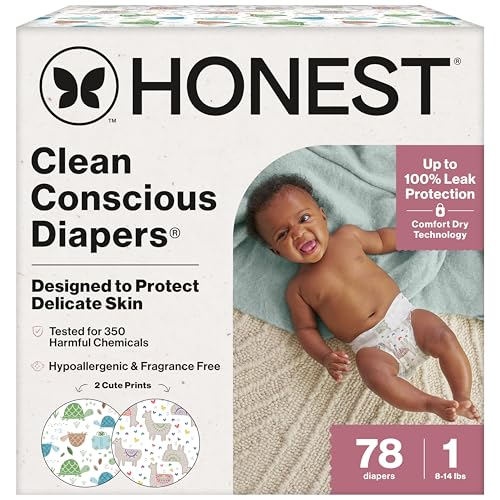
Honest Company Diapers, Size 1
Strengths
- Hypoallergenic
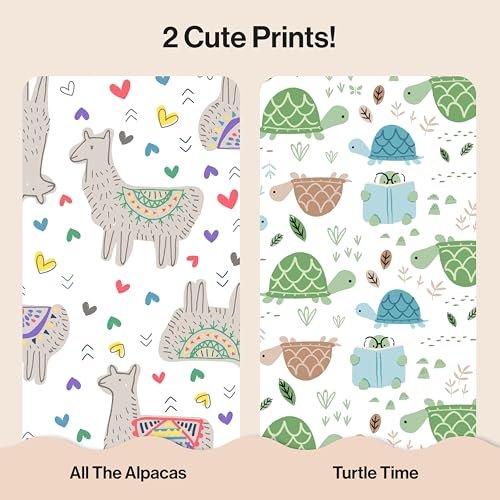
- Cute prints
- Fits active movement
Trade-offs
- Nighttime leaks reported
- Fit may run small
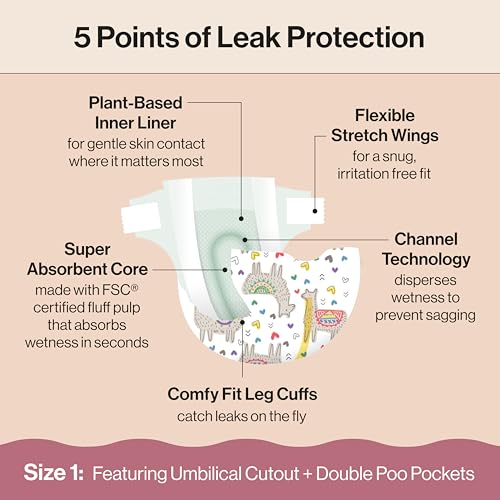
Honest Company markets hard on clean ingredients and cute prints, but do they deliver? Based on specs and owner feedback, yes, especially for sensitive skin. Their Comfort Dry Technology and five-point leak protection system seem to hold up during active baby hours. Parents note fewer rashes after switching, likely due to the fragrance-free, plant-based liner and rigorous chemical screening.
The snug fit can be tricky for rounder babies, though. A few reviews mention leakage at night, suggesting these are stronger for daytime use. Still, for hypoallergenic performance with thoughtful design details, they’re among the top contenders.
Product photos


Bambo Nature Dream Diapers, Size 4

Strengths
- Eco-labeled
- Flexible fit
- Breathable design
Trade-offs
- Small pack size
- Higher unit cost
This Size 4 version carries the same strengths as the newborn cut, strong eco-credentials, breathable construction, and reliable overnight absorption. The Nordic Swan Ecolabel remains a major differentiator; few diapers meet its bar for sustainable production. Parents of toddlers appreciate the flexible waistband holding up during crawling and walking phases.
At only 27 diapers per pack, it’s not built for volume savings. But if you’re choosing based on environmental impact and proven leakage protection, this is one of the few natural diapers that performs like a premium conventional brand. I’d rank it above Honest and ECO BOOM for real-world durability.
Product photos

Bambo Nature Diapers, Size 1

Strengths
- Hypoallergenic
- Wetness indicator
- Nordic Swan certified
Trade-offs
- Slightly narrow fit
- Smaller pack size
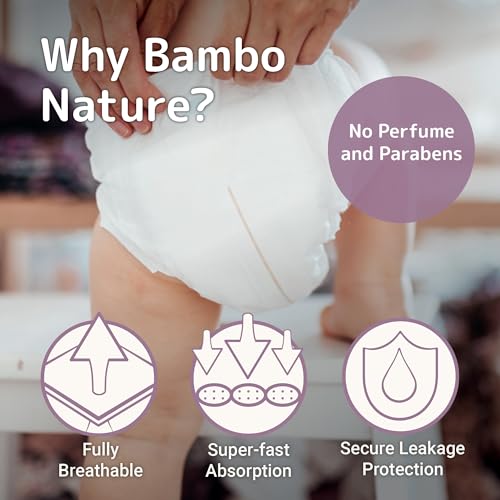
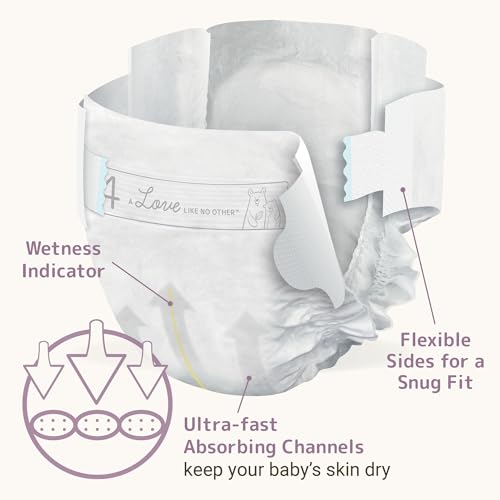
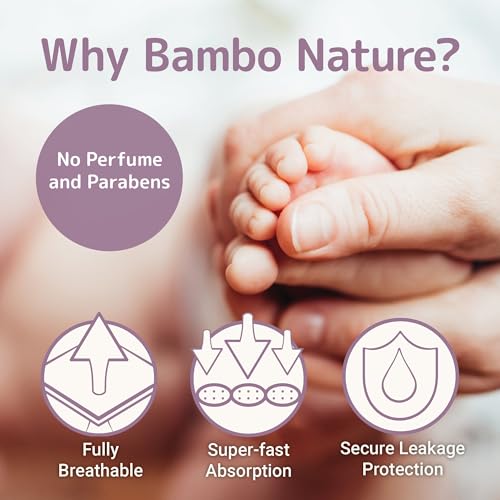
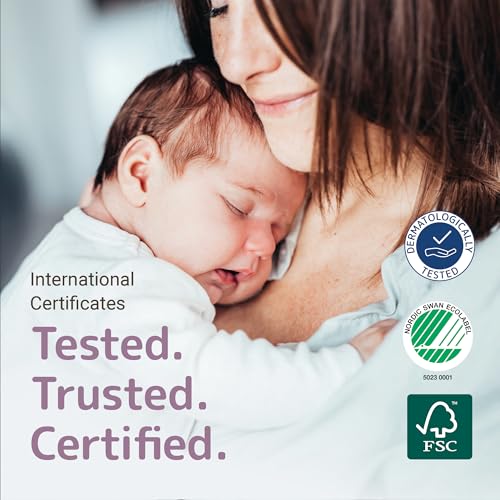
I’ve looked closely at what makes a natural diaper stand out, and Bambo Nature consistently comes up in parent conversations for their balance of eco-credentials and performance. On paper, the three-layer design and super-absorbent core deliver on overnight reliability, which owners confirm with notes about dry mornings and fewer leaks. The Nordic Swan Ecolabel is no small thing, it’s one of the strictest environmental certifications, so if sustainability matters to you, this brand earns trust.
The wetness indicator works as intended, and the flexible waistband gets praise for staying put without pinching. Some parents mention the fit runs slightly narrow, especially for chunkier babies, so sizing up might be worth considering even within the recommended weight range.
Product photos

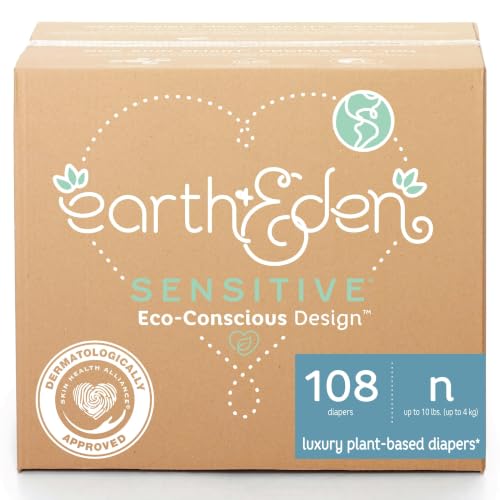
Earth & Eden Sensitive Diapers
Strengths
- Budget priced
- Soft cotton layer
- Breathable material
Trade-offs
- No wetness indicator
- Absorbency limited
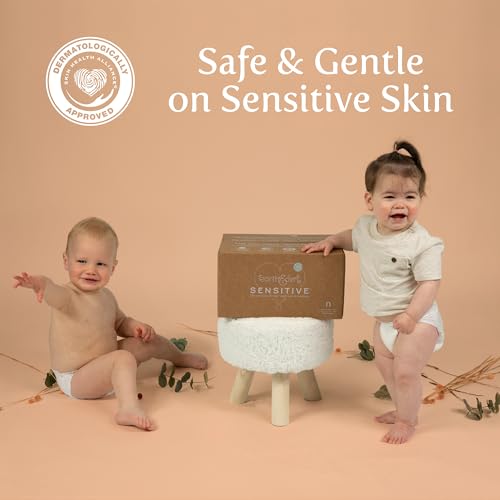
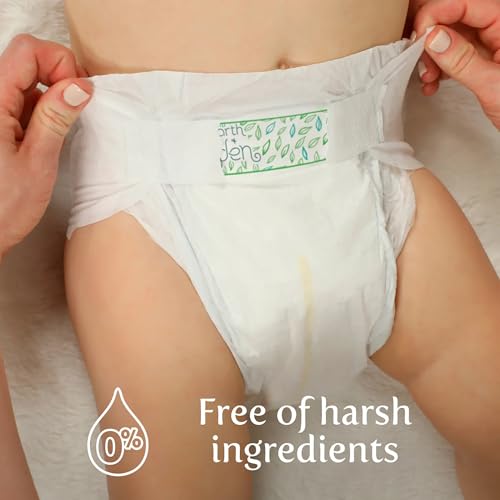
If you’re scanning for a gentle, wallet-friendly natural diaper, Earth & Eden deserves attention. At 108 count for newborns, it hits a sweet spot between affordability and performance. Owners consistently report that the cotton-enhanced layer feels noticeably soft, and the breathable cover helps reduce moisture buildup, a win for preventing early irritation.
It lacks a wetness indicator, which I consider a real downside for sleep-deprived caregivers. And while the absorbency handles average wetting fine, heavy wetters may need changes sooner. Still, for a first diaper that doesn’t shock the budget, it’s a smart starting point.
Product photos
ECO BOOM Bamboo Diapers, Size 2

Strengths
- Bamboo-based
- Aloe-infused
- Dermatologically tested
Trade-offs
- High price
- Average absorbency
- Fewer per pack
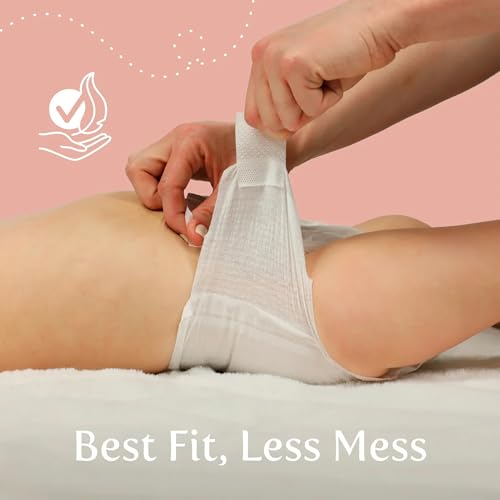
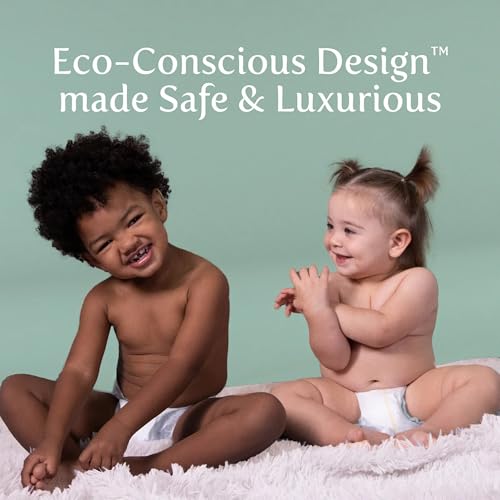
ECO BOOM stands out purely on material quality, their use of 100% viscose from bamboo in both top and back sheets is rare at this level. That means a naturally soft, breathable surface that many parents say reduces redness and chafing. The addition of aloe oil is a small touch, but Dermatest certification backs its skin-friendly claims, making this a standout for babies with reactivity.
But that premium material comes at a premium cost. For the count, it’s one of the most expensive here, and some reviewers note the absorbency doesn’t quite match Pampers Pure or Bambo Nature during long stretches. I’d recommend these only if fabric source is your top priority.
Product photos


How We Evaluated natural diapers
As a parent and the creator of NurseryDreamer.com, I understand the desire for the safest and gentlest options for your baby. Rather than a hands-on lab test, this research was a detailed comparison of published specifications and features across several brands of natural diapers. I weighed owner reviews from multiple retailers, alongside assessments from reputable parenting publications, to build a picture of real-world performance and satisfaction. My goal was to identify which diapers truly deliver on their promises of comfort, absorbency, and skin health.
For natural diapers, absorbency and skin sensitivity are paramount. I prioritized diapers with features designed to minimize leaks – like channeled cores and snug fits – as those directly impact a parent’s peace of mind. Equally important was the absence of harsh chemicals and irritants. Diapers marketed as hypoallergenic and free of fragrances, chlorine, and parabens received significant weight in my assessment, as many parents actively seek out safe natural diapers.
Specifications reliably indicate a diaper’s construction and materials, but owner feedback proved crucial for understanding real-world fit and leak protection. While a brand might claim superior absorbency, reviews often reveal how it performs with different babies and during various activities. I also looked for consistent mentions of skin reactions (or lack thereof) to gauge how well each diaper lived up to its “natural” claims, and considered whether a parent might also explore reusable diapers for a more sustainable approach.
Choosing The Right natural diapers
Choosing the right diapers feels huge, and frankly, it is! Your baby’s comfort and health depend on finding a diaper that performs well and works with their skin.
A truly good diaper balances absorbency with breathability, prioritizes skin-safe materials (avoiding common irritants), and offers a reliable fit to prevent leaks. Parents should investigate the core absorbent material, look for certifications indicating hypoallergenic testing, and consider the diaper’s overall environmental impact when making a selection.
Absorbency and Leak Protection
Don’t underestimate the importance of a diaper’s core. While all diapers aim to keep baby dry, the materials and construction vary significantly. Many brands, like Pampers Pure, boast about their “lockaway cores” and claim superior leak protection compared to others, like Honest Company diapers. However, absorbency isn’t just about the core material itself; it’s about how well that material is distributed throughout the diaper and how effectively it channels liquid away from the skin. Look for diapers with channeled cores and well-fitting leg cuffs to minimize the chance of blowouts, especially overnight.
Skin Sensitivity and Materials
For many babies, especially newborns, sensitive skin is a major concern. Hypoallergenic claims are common, but you should look beyond marketing. Consider what a diaper doesn’t contain. Many parents are actively seeking diapers without chlorine, fragrances, lotions, parabens, and phthalates. Brands like Mama Bear Gentle Touch and Earth & Eden Sensitive Diapers specifically highlight these omissions. If you’re looking for even greater peace of mind, explore options with certifications like OEKO-TEX STANDARD 100, which tests for over 1,000 harmful chemicals. For the most sensitive little ones, you may even want to explore organic diapers for an extra layer of reassurance.
Sustainability and Value
Diapering generates a lot of waste, so many parents are now prioritizing eco-friendly options. Bambo Nature stands out in this category with its Nordic Swan Ecolabel and commitment to renewable energy in production. Bamboo-based diapers, like those from ECO BOOM, offer another sustainable alternative. However, eco-friendly doesn’t always mean expensive.
Here’s what to consider when balancing sustainability with budget: * Material Source: Bamboo is renewable, but processing it can be resource-intensive. * Certifications: Look for labels like FSC (Forest Stewardship Council) to verify responsible sourcing. * Bulk Buying: Purchasing larger packs, like the value packs from Mama Bear, can significantly lower the cost per diaper, making a more sustainable choice more accessible.
A diaper that’s gentle on your baby’s skin and the planet doesn’t have to break the bank.
Ultimately, finding the best diaper is a process of trial and error. Don’t hesitate to sample different brands and sizes until you find the perfect fit for your baby. You can find more information on natural diapers and recommended natural diapers to help guide your search.
Natural Diapers Compared
Here’s a comparison of key specifications for several natural diaper brands to help you make an informed decision.
| Product Name | Size | Leak Protection (Hours) | Material (Top Sheet) | Hypoallergenic | Eco-Label/Certifications |
|---|---|---|---|---|---|
| Pampers Pure Diapers | Size 1 | Up to 100% | Vitamin-Enriched | Yes | N/A |
| Mama Bear Gentle Touch | Size 4 | Up to 12 | N/A | Yes | OEKO-TEX STANDARD 100 |
| Honest Company Diapers | Size 1 | Up to 100% | Plant Based | Yes | OEKO-TEX STANDARD 100 |
| Bambo Nature Dream Diapers | Size 4 | Multiple Wettings | N/A | Yes | Nordic Swan Ecolabel |
| Bambo Nature Diapers | Size 1 | Multiple Wettings | N/A | Yes | Nordic Swan Ecolabel |
| Earth & Eden Sensitive | N/A | Up to 12 | Cotton Enhanced | Yes | SFI Certified |
| ECO BOOM Bamboo Diapers | Size 2 | N/A | 100% Bamboo Viscose | Yes | Dermatest |
Frequently Asked Questions
What diaper size should I start with?
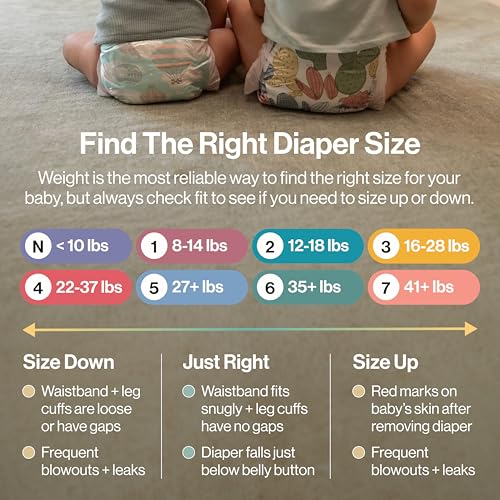
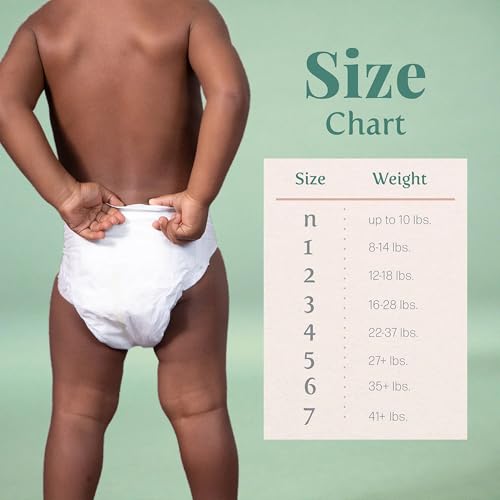
Generally, you should begin with size 1 diapers if your baby weighs under 10 pounds. However, weight isn’t the only factor; consider your baby’s length and build, and don’t hesitate to size up if the diaper doesn’t provide a snug, leak-proof fit.
Are “plant-based” diapers truly more eco-friendly?
While often marketed as greener, the environmental impact of plant-based diapers depends on the entire production process. Bamboo, for example, requires significant water and processing, so look for certifications like FSC to verify responsible sourcing when considering sustainable diaper options.
How often should I change a newborn’s diaper?
Newborns typically require diaper changes every 2-3 hours, or immediately after a bowel movement. Frequent changes are crucial to prevent diaper rash and keep your baby comfortable, as their skin is particularly sensitive.
What should I do if my baby develops a rash while using natural diapers?
A rash could indicate sensitivity to even natural materials. First, increase the frequency of diaper changes and allow for more diaper-free time to air out the skin. If the rash persists, discontinue use and explore a different brand or consider gentle cleansing wipes for cleaning.
Do natural diapers offer the same level of absorbency as conventional diapers?
Many natural diapers now perform comparably to traditional options in terms of absorbency, but it can vary by brand and baby. Look for diapers with channeled cores and snug leg cuffs, and read owner reviews to get a realistic expectation of leak protection for overnight use or extended wear.
The Bottom Line
Choosing natural diapers often comes down to balancing what you’re willing to spend with the level of control you want over ingredients and environmental impact. While many brands offer compelling features, Pampers Pure Diapers consistently receives high marks for absorbency and leak protection, making them a solid all-around choice for most families. They strike a good balance between performance and accessibility.
For parents prioritizing specific needs, there are excellent alternatives. If you’re on a budget, Mama Bear Gentle Touch provides a reliable option with valuable certifications at a competitive price. Those seeking maximum sustainability will appreciate Bambo Nature Dream Diapers, and if you’re looking for truly safe diaper materials https://nurserydreamer.com/best-nontoxic-diapers/, Earth & Eden Sensitive diapers are a great pick. Don’t forget to pair your diaper choice with gentle natural wipes https://nurserydreamer.com/best-natural-baby-wipes/ for complete care.
Ultimately, the best diaper isn’t about a single feature or a fancy label. It’s about finding a reliable fit, materials that agree with your baby’s skin, and absorbency that keeps them comfortable, dry, and happy. Focus on those fundamentals, and you’ll be well-equipped to navigate the world of natural diapering.
