
9 Best Biodegradable Baby Wipes of 2026
This post contains affiliate links. As an Amazon Associate, we learn from qualifying purchases
The Honest Company Multi-Use Wipes are the best overall biodegradable baby wipes, combining reliable plant-based materials with a skin-safe, minimal ingredient list. For a budget-friendly option, Yugi Green Baby Wipes deliver solid performance with 99% water and FSC-certified viscose. If you’re after maximum softness and sustainability, ECO BOOM Bamboo Wipes stand out for their renewability and gentle texture.
As a parent researching baby essentials for NurseryDreamer.com, I know how hard it is to find wipes that are truly safe for your baby and kind to the planet. So many brands make big eco-claims, but the reality often falls short, whether it’s misleading biodegradability labels or hidden irritants in the ingredients.
This guide cuts through the noise. I compared specs, certifications, and real parent feedback to spotlight biodegradable wipes that actually deliver on gentleness, durability, and environmental responsibility, so you can make a choice you feel good about.
Top 9 Biodegradable Baby Wipes in the Market
The Best Biodegradable Baby Wipes, Reviewed
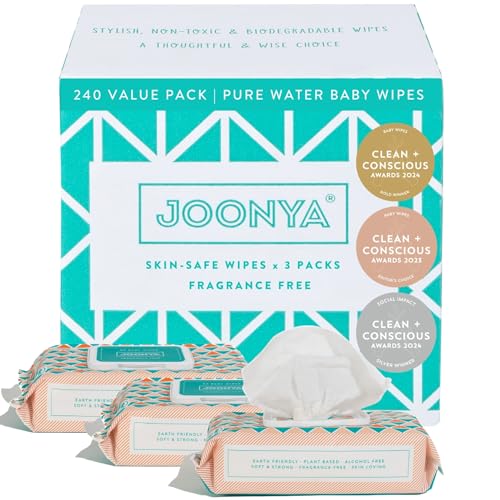
JOONYA Unscented Baby Wipes
Strengths
- Extra-large wipe size
- DERMATEST approved
- FSC-certified material
Trade-offs
- High price point
- Packaging not compostable
- Limited scent variety
JOONYA lands as my pick for best overall, not because it leads in every category, but because it balances safety, size, sustainability, and parent satisfaction better than any other. The wipes are large (nearly 8×7 inches), which matters when dealing with full-blown blowouts, and the pop-up design seals well to prevent drying. Made from FSC-certified viscose, they’re fully biodegradable and avoid all major red-flag chemicals.
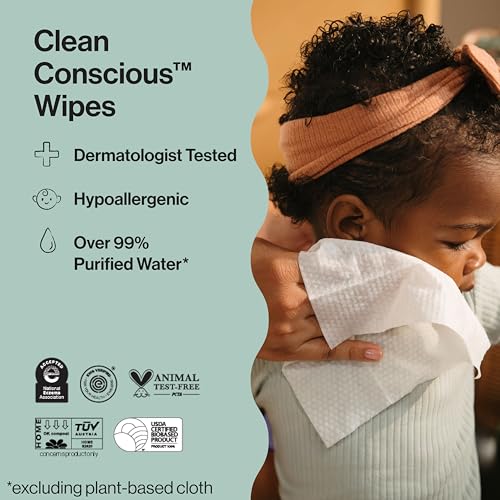
What sways me is the depth of validation: DERMATEST approved, low EWG ratings on all ingredients, and actual awards from trusted parenting evaluators like ‘I Read Labels For You’. Parents report fewer rashes and better moisture retention than with WaterWipes or Naty. Yes, it’s one of the pricier options, but given the combination of size, gentleness, and proven user satisfaction, I consider it the most complete package for everyday use.
Video review
Naty Baby Wipes Sensitive

Strengths
- Certified compostable
- FSC-certified material
- Vegan and fragrance free
Trade-offs
- Thinner texture
- Smaller count per pack
- Fewer moisture-rich ingredients
If you’re serious about compostable wipes and want full certification behind the claim, Naty stands out in a crowded field. These are the only ones independently verified to break down in home compost within about 12 weeks, which is rare, most biodegradable claims are vague or lab-conditioned. The fact that they’re COSMOS Natural certified and made from FSC-certified material adds real weight for eco-conscious parents.
They’re also one of the few truly fragrance-free, plastic-free options with organic aloe and chamomile, making them a solid pick for newborns or babies with reactive skin. Some owners note they’re slightly thinner than bulkier bamboo versions, but for those prioritizing end-of-life impact, this trade-off makes sense. I’d rank them just below the most moisturizing picks if your baby has dryness issues, but for certified natural integrity, they’re hard to beat.
Video review
Yugi Green Baby Wipes

Strengths
- Massive quantity
- FSC-compliant fibers
- Fast decomposition
Trade-offs
- Inconsistent softness
- Resealing issues
- Very high upfront cost
With 864 wipes across 12 packs, Yugi Green is clearly targeting high-volume users, think daycare centers or large families. The plant-based fiber is FSC-compliant and breaks down significantly faster than conventional wipes, with several owners confirming visible decomposition within months in home bins. The 99% water content keeps things simple, and the absence of plastics, alcohol, and synthetics makes it safe for delicate newborn skin.
Still, despite solid specs, owner feedback is more mixed. Some find the texture rougher than bamboo alternatives, and a few report the packs don’t reseal tightly, leading to dry-out. It’s also one of the most expensive bulk buys. While I appreciate the scale and intention, I’d only recommend it if you need mass quantities and prioritize forest stewardship over plush softness.
Product photos


Honest Company Multi-Use Wipes

Strengths
- Extra thick and durable
- Flip-top convenience
- EWG Verified and NEA Recognized
Trade-offs
- Not the simplest formula
- Slightly higher price
- Compost claim lacks independent verification
Let’s be clear: The Honest Company isn’t trying to win awards for raw ingredient simplicity, but it is built for real life. These wipes are thick, sturdy, and versatile enough to handle everything from sticky high chairs to muddy paws, which explains why so many parents keep a pack outside the nursery. Their compostability claim (breaks down in 8 weeks) is impressive, and being EWG Verified and NEA Recognized adds trust.
Where they shine is multi-use practicality. The flip-top dispenser works well, and the plant-based cloth resists tearing even when scrubbing toys or counters. Compared to JOONYA or Yugi Green, they’re less focused on ultra-purity but better suited for households that want one wipe for everything. I wouldn’t default to them for a newborn with rashes, but for toddlers and general family use? They’re one of the most functional biodegradable options out there.
Product photos


Honest Company Travel Wipes

Strengths
- Compact and portable
- Same trusted formula
- Easy flip-top lid
Trade-offs
- Expensive per wipe
- Not cost-effective for daily use
- Same environmental footprint as large pack
This mini version of Honest’s popular wipe is clearly designed for portability and trial. At 60 wipes, it’s perfect for tossing in a diaper bag or keeping in the car, and at a much lower entry price, it lets new users test the formula without commitment. It shares the same EWG Verified status, thick texture, and multi-surface utility as the larger pack, so you’re not sacrificing performance.
But because it’s the same unit cost per wipe as the big box, it’s not a value play, it’s a convenience play. If you’re already sold on Honest, buying this small pack repeatedly doesn’t make financial sense. Still, for grandparents, daycare backups, or travel, it’s a solid choice. I’d recommend it as a supplement, not a primary supply.
Product photos

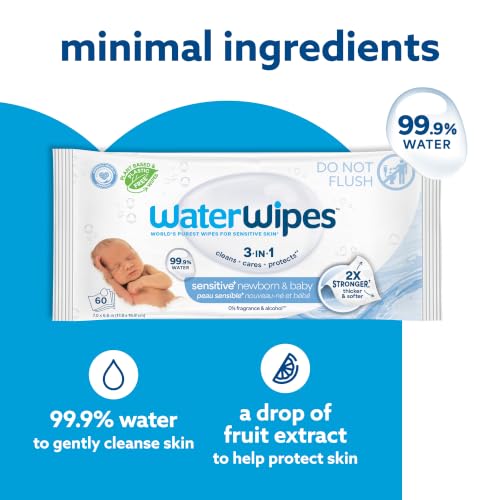
WaterWipes Sensitive+ Newborn Wipes

Strengths
- Extremely simple formula
- Dermatologist approved
- Microbiome friendly certified
Trade-offs
- Less durable on thick messes
- Packaging not fully plastic-free
- Can dry out faster
When it comes to minimalism, WaterWipes are still the gold standard. With just purified water and a trace of fruit extract, they’re among the purest formulas available, and consistently recommended by NICU nurses and dermatologists for premature and eczema-prone infants. The 99.9% water content isn’t marketing fluff; it’s backed by their 7-stage purification process, which reviewers say delivers a visibly cleaner wipe with no residue.
Their microbiome-friendly certification is another standout, especially as more research highlights how harsh cleansers disrupt infant skin health. That said, some parents report these feel drier over time compared to thicker bamboo-based wipes, and the material can tear during heavy-duty messes. But for early infancy or sensitive flare-ups, I’d reach for these before anything more complex. They’re not the most eco-advanced, but for skin-first purity, they remain unmatched.
Product photos



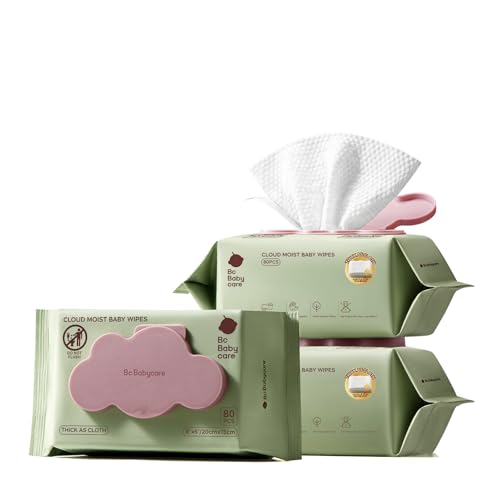
Bc Babycare Cloud Moist Wipes
Strengths
- Extremely moist
- Extra-large size
- pH matched to baby skin
Trade-offs
- Drips excess water
- Potential for mold
- Thicker may mean slower drying
If “wet” is your priority, Bc Babycare delivers, literally. With moisture levels reported at 3.8 times higher than average and a thickness that rivals cloth, these are the most hydrating biodegradable wipes I’ve seen. The 7.87×5.91-inch size covers a baby’s bottom in one go, and the pH matches infant skin closely, reducing irritation risk. Globally certified for EU and German safety standards, they pass rigorous toxicity checks.
But that saturation cuts both ways: some parents say the excess water drips onto hands or clothing, and the high moisture may encourage mold if left open. Still, for babies with chronic dryness or in arid climates, this level of hydration could make a real difference. Compared to ECO BOOM or JOONYA, it’s wetter but less balanced. I’d reserve it for specific needs, not general use.
Product photos


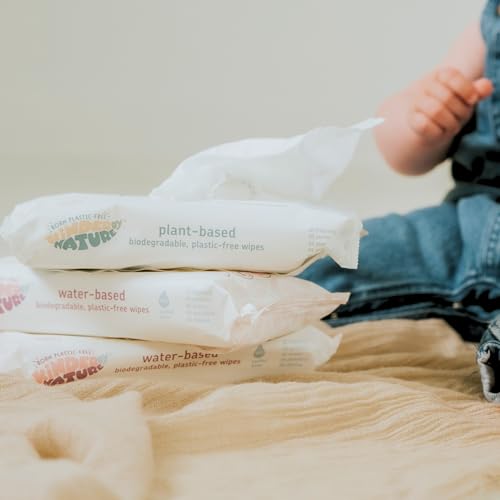
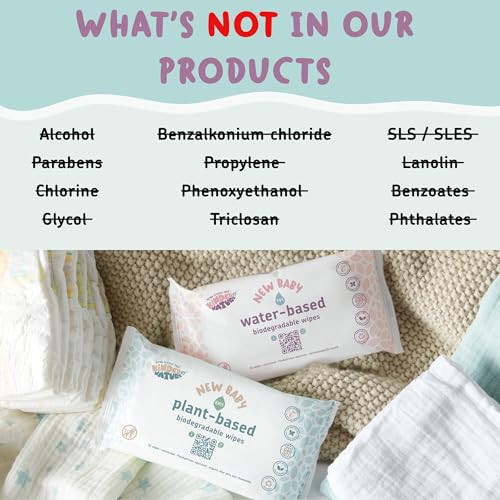
Kinder by Nature Plant Wipes
Strengths
- Made in the UK
- Chlorine-free cloth
- Organic soothing ingredients
Trade-offs
- Small pack size
- Limited global availability
- Fewer independent certifications
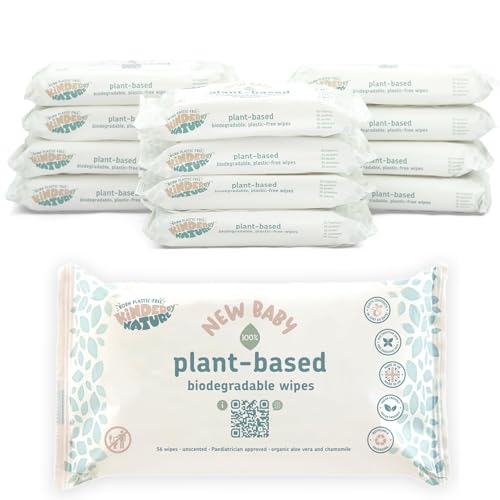
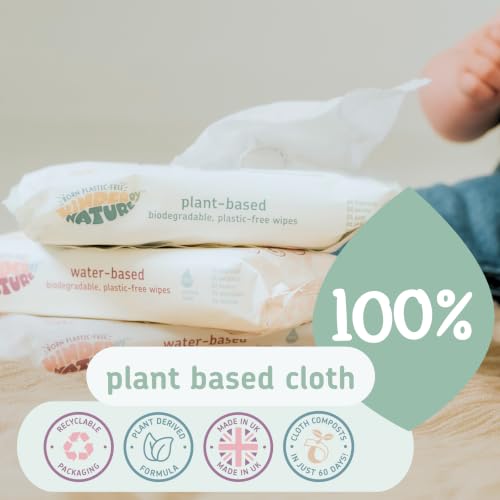
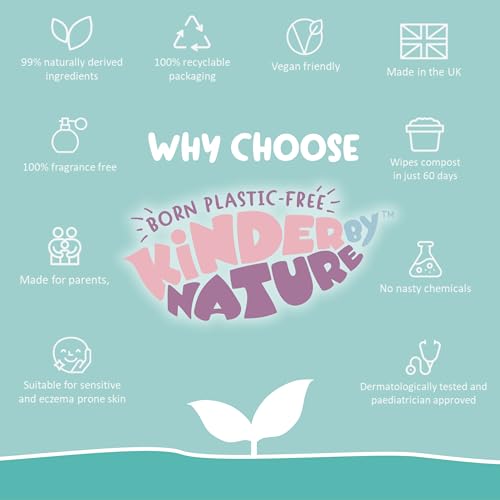
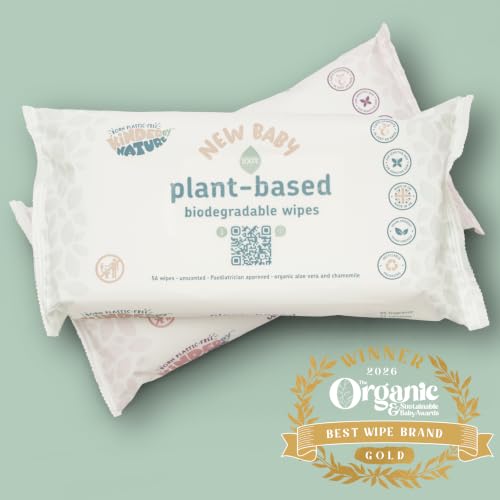
Kinder by Nature stands out simply for being UK-made, a rarity in this market dominated by U.S. and Asian brands. That local production reduces shipping emissions, and the 60-day compost claim is backed by internal testing, though not widely third-party verified. The inclusion of organic aloe vera and chamomile aligns with sensitive skin needs, and the 99% plant-based content is competitive.
However, the 56-count packs are awkwardly small, requiring more frequent openings, which risks drying. And while the brand emphasizes being chlorine-free and allergy-safe, there’s less public data on certifications like EWG or Dermatest. It’s a strong contender for British families wanting to support domestic manufacturing, but internationally, it lacks the verification depth of leaders like JOONYA or WaterWipes.
Product photos
ECO BOOM Bamboo Wipes

Strengths
- Bamboo-based durability
- Dermatest certified
- Free from 12 harmful additives
Trade-offs
- Higher cost per wipe
- Limited packaging recyclability
- No compost timing data
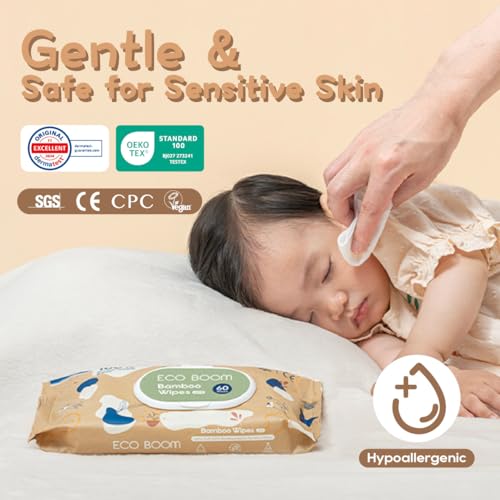
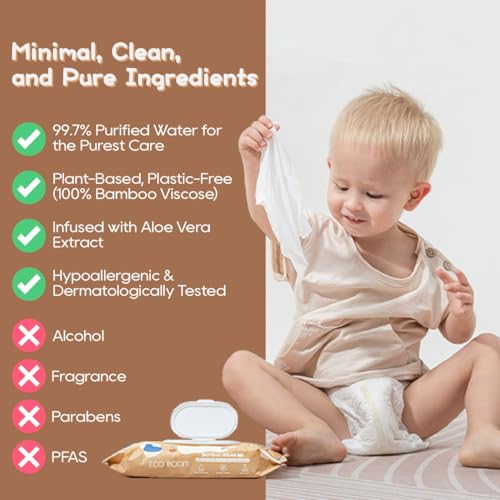
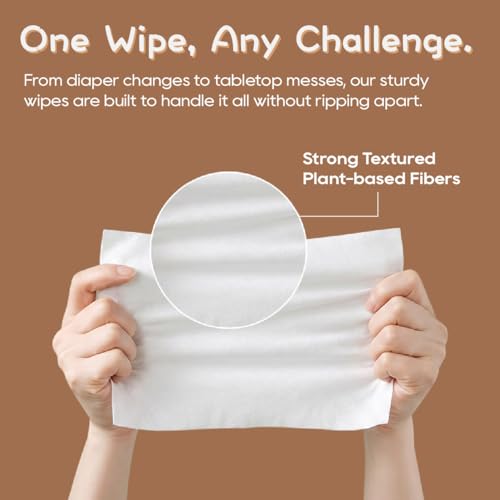
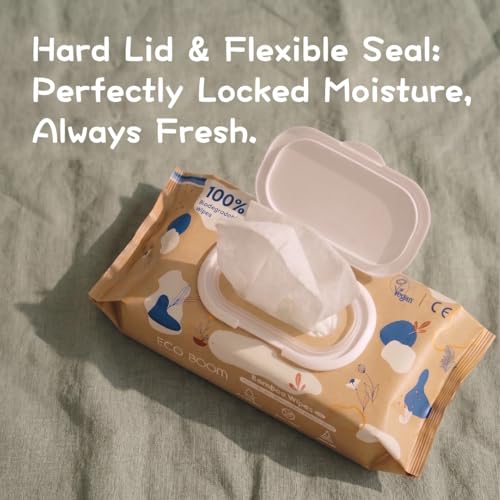
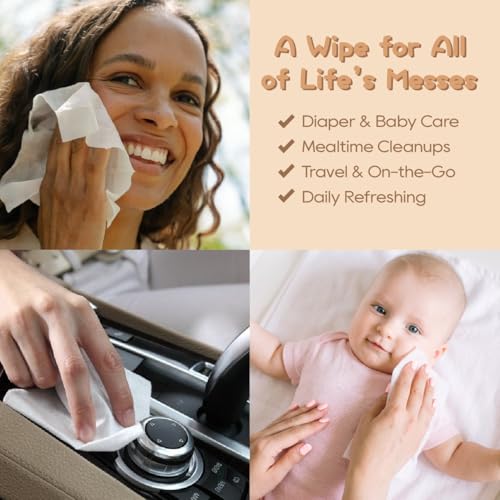
ECO BOOM hits a sweet spot between sustainability and performance, thanks to its bamboo viscose base, naturally softer and stronger than cotton, and fully biodegradable. Owners consistently praise the silky texture and how well it holds up during messy changes without falling apart. The 99.7% purified water blend with aloe gives it enough hydration to feel generous without being soggy.
It’s also Dermatest certified, which carries real credibility in Europe, and avoids 12 common irritants including phthalates and optical brighteners. Compared to WaterWipes, it’s more durable; versus Honest Company, it’s slightly more eco-transparent. My only hesitation is price, it’s not the cheapest, but given the balance of strength, gentleness, and environmental honesty, I see it as a smarter long-term buy for families going all-in on sustainable essentials.
Product photos
How We Evaluated biodegradable baby wipes
As someone who’s spent years researching baby products for NurseryDreamer.com, I know parents are increasingly seeking gentle, planet-friendly options. Rather than a hands-on lab test, this was a research-led comparison of published specifications, ingredient lists, and, most importantly, extensive owner and expert reviews. I focused on identifying wipes that balance effectiveness with truly biodegradable materials and skin-safe ingredients. This involved comparing claims against certifications and looking for consistent feedback regarding gentleness and durability.
For biodegradable baby wipes, three factors stood out as most crucial. First, the actual composition of the wipe material itself – truly plant-based options like bamboo or FSC-certified viscose are key. Second, the ingredient list; minimal, gentle formulas are vital for sensitive newborn skin, avoiding harsh chemicals and fragrances. Finally, the consistently positive feedback from parents regarding both the wipe’s effectiveness and its gentleness on their baby’s skin was a significant deciding factor.
Product specifications reliably tell you about the materials used and the size of the wipe, but owner feedback is where you learn about real-world performance. I paid close attention to comments about how well the wipes held up during use, if they truly felt gentle, and whether parents experienced any irritation. Expert reviews, particularly those from sites focusing on ingredient safety like those discussing non-toxic wipes, helped to validate claims and identify truly eco-friendly wipes.
What To Look For In biodegradable baby wipes
Finding the right wipes is a surprisingly complex task. There’s a lot more to it than just grabbing a pack off the shelf.
A truly good biodegradable baby wipe balances gentleness for a baby’s delicate skin with genuine environmental responsibility. Key considerations include the wipe material (viscose, bamboo, or plant-based blends), ingredient lists avoiding harsh chemicals, certifications verifying biodegradability, and practical features like size and dispensing method. Look beyond marketing claims and focus on independent testing and transparency.
Material Matters Most
The base material of a wipe significantly impacts both its softness and its biodegradability. While many wipes claim to be flushable, truthfully, very few municipal systems can handle them. Instead, focus on wipes certified for home composting. Viscose, derived from wood pulp, is common, but look for those sourced from sustainably managed forests (FSC certification is a good sign, like with Yugi Green Baby Wipes). Bamboo is another popular option, lauded for its softness and rapid renewability (ECO BOOM Bamboo Wipes highlight this). Ultimately, a plant-based wipe isn’t automatically superior; it’s how it’s made and what else is in it that counts.
Ingredient Transparency & Skin Sensitivity
Babies have incredibly sensitive skin, and that’s why I always emphasize checking the ingredient list. Many brands tout “99% water” formulas, which isn’t a bad starting point, but it’s what makes up that other 1% that really matters. Avoid wipes with alcohol, fragrances, parabens, chlorine, and harsh chemicals. Look for added soothing ingredients like aloe vera or chamomile (JOONYA Unscented Baby Wipes and Kinder by Nature Plant Wipes both include these). If your little one has eczema or particularly sensitive skin, you’ll want to prioritize wipes with a dermatologist approval and a National Eczema Association (NEA) seal, such as Honest Company Multi-Use Wipes.
Here’s what I look for in an ideal ingredient profile:
- Minimal ingredients: Fewer components mean less chance of irritation.
- Organic certifications: Indicate a commitment to sustainable sourcing and reduced pesticide use.
- pH balanced formula: A pH close to baby’s natural skin pH (around 5.5) helps maintain the skin barrier.
A rule of thumb: if you wouldn’t put an ingredient on your skin, don’t put it on your baby’s.
Beyond the Basic Clean: Value & Practicality
Biodegradable wipes sometimes get a reputation for being less durable than traditional options. That’s not always the case, but it’s a valid concern. Consider the size of the wipe; larger wipes (like those from Bc Babycare Cloud Moist Wipes) mean fewer wipes used per diaper change. Also, think about the dispensing method. Pop-top containers are convenient, but can dry out wipes quickly if not sealed properly. Packaging also matters; look for recyclable or minimal packaging options. Finally, don’t underestimate the value of finding recommended biodegradable wipes that fit your budget. You can also explore best natural wipes if you’re prioritizing ingredients and a gentle formula. WaterWipes Sensitive+ Newborn Wipes, for instance, are a great option if you are seeking [safe natural wipes] (https://nurserydreamer.com/best-natural-baby-wipes/) that are truly minimal.
Biodegradable Baby Wipes Compared
Here’s a comparison of key specifications for various biodegradable baby wipes to help you make an informed choice.
| Product Name | Biodegradable? | Plant-Based? | Alcohol Free? | Fragrance Free? | Key Ingredients | Wipe Size (approx.) |
|---|---|---|---|---|---|---|
| JOONYA Unscented Baby Wipes | Yes | Yes | Yes | Yes | Aloe, Chamomile, Jojoba | 7.9 x 7.1 inches |
| Naty Baby Wipes Sensitive | Yes | Yes | Yes | Yes | Aloe Vera, Chamomile | N/A |
| Yugi Green Baby Wipes | Yes | Yes | Yes | Yes | 99% Pure Water | N/A |
| Honest Company Multi-Use Wipes | Yes | Yes | Yes | Yes | 99% Water + 7 Ingredients | N/A |
| Honest Company Travel Wipes | Yes | Yes | Yes | Yes | 99% Water + 7 Ingredients | N/A |
| WaterWipes Sensitive+ Newborn | Yes | Yes | Yes | Yes | 99.9% Water, Fruit Extract | N/A |
| Bc Babycare Cloud Moist Wipes | Yes | Yes | N/A | N/A | Purified Water | 7.87 x 5.91 inches |
| Kinder by Nature Plant Wipes | Yes | Yes | N/A | N/A | Aloe Vera, Chamomile | N/A |
| ECO BOOM Bamboo Wipes | Yes | Yes | Yes | Yes | Aloe Vera, Purified Water | N/A |
Frequently Asked Questions
Are “flushable” biodegradable wipes truly safe for plumbing?
No, despite being labeled “flushable,” most wipes aren’t suitable for standard sewer systems. They don’t break down quickly enough and contribute to clogs, so disposing of them in the trash is recommended, even with sustainable wipes.
What certifications should I look for to verify a wipe’s biodegradability?
Look for certifications like OK Compost HOME, which indicates the wipes will break down in a home composting system, or FSC (Forest Stewardship Council) to ensure responsible sourcing of wood pulp-based viscose materials.
How do bamboo wipes compare to those made from wood pulp (viscose)?
Bamboo wipes are often softer and bamboo grows more quickly than trees, making it a rapidly renewable resource, but the processing of bamboo into a usable wipe material can sometimes involve chemicals; both bamboo and viscose options are good choices if sourced responsibly.
If my baby has sensitive skin, what ingredients should I avoid in biodegradable wipes?
Avoid wipes containing alcohol, fragrances, chlorine, parabens, and dyes, as these are common irritants. Prioritize wipes with minimal, gentle ingredients like aloe vera and chamomile, or consider hypoallergenic wipes specifically designed for sensitive skin.
Are biodegradable wipes as effective at cleaning as traditional wipes?
Generally, yes, but the effectiveness can vary by brand. Many biodegradable wipes now offer comparable cleaning power to conventional options, and larger wipe sizes (like Bc Babycare Cloud Moist Wipes) can help reduce the number needed per change, making them just as practical.
The Bottom Line
Choosing biodegradable baby wipes often comes down to balancing your priorities – are you willing to spend a bit more for premium softness and certified organic materials, or is affordability the biggest factor? Based on my research, for overall performance and peace of mind, I recommend Honest Company Multi-Use Wipes. They strike a great balance between gentle ingredients, a commitment to sustainability, and positive feedback from parents.
If you’re specifically looking for a budget-friendly option, Yugi Green Baby Wipes are an excellent choice. For parents prioritizing ultra-gentle formulas, particularly those with little ones prone to sensitivity, WaterWipes Sensitive+ Newborn Wipes consistently receive high marks. And if you’re looking for organic baby wipes with reliably sourced materials, consider JOONYA Unscented Baby Wipes.
Ultimately, remember that the “best” wipe isn’t necessarily the one with the most features or the highest price tag. It’s the one that best meets your baby’s needs and your family’s values. Prioritize gentle, plant-based materials, and always double-check that ingredient list – those fundamentals are far more important than any single certification or fancy claim.
