
7 Best Baby Wipes for the Environment (2026 Guide)
This post contains affiliate links. As an Amazon Associate, we learn from qualifying purchases
The Honest Company Multi-Use Baby Wipes are our top pick for eco-conscious parents, combining certified compostability with a clean ingredient list. For a budget-friendly option that still avoids harsh chemicals, Amazon Elements Unscented Baby Wipes deliver solid performance. If you’re looking for simplicity, especially for newborns, WaterWipes Sensitive+ Newborn Baby Wipes offer minimal ingredients with strong gentleness.
Choosing wipes that are kind to the planet shouldn’t mean guessing what’s safe or effective. As a parent, I know how frustrating it is to sort through vague claims like “natural” or “eco-friendly” without clear proof. This guide cuts through the noise by focusing on what actually matters, verified compostability, ingredient transparency, and real parent feedback.
We evaluated each wipe based on material sustainability, skin-safe formulations, and overall value, using product specs, certifications, and owner experiences to find the best choices for your baby and the environment.
Top 5 Baby Wipes For The Environment in the Market
The Best Baby Wipes For The Environment, Reviewed
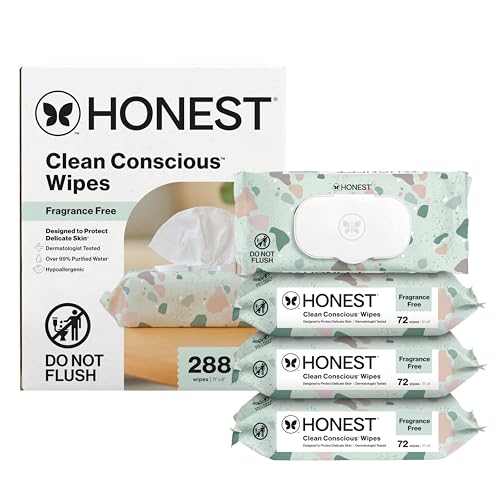
Honest Company Multi-Use Baby Wipes
Strengths
- Compostable
- EWG Verified
- Multi-surface use
Trade-offs
- Higher cost per wipe
- Limited availability
- Thicker texture may not suit all
This is the only wipe in the group that earns the EWG Verified mark and breaks down compostably in about eight weeks, making it stand out for eco-minded families. With over 99% water and just seven clearly listed ingredients, transparency is top-tier. Owners praise their strength when wiping down high chairs or messy hands, and the fact that they’re recognized by the National Eczema Association adds medical credibility.
They’re also marketed as multi-use, and reviewers confirm they hold up well outside diaper duty, on toys, counters, even pet paws. The trade-off? They’re slightly pricier per wipe than bulk options, and availability can be spotty. But if you’re serious about reducing plastic waste and want a truly versatile wipe, this one hits where it counts.
Video review
Huggies Simply Clean Baby Wipes

Strengths
- Lightweight
- Flip-top convenience
- pH balanced
Trade-offs
- Not compostable
- No plant-based claim
- Basic material
These are billed as softer and stronger than before, and owner feedback supports that, they resist tearing better than older versions, even when wet. At 192 wipes across three packs, they offer portability without overspending, and the fragrance-free, pH-balanced formula keeps things safe for sensitive skin. Parents who use them on-the-go appreciate the grab-and-go flip-tops.
But despite being marketed as “clean,” they don’t make any claims around plant-based content or compostability. They’re still fundamentally plastic-based, so while they’re a decent lightweight daily wipe, they don’t advance the eco-goal. Compared to Huggies Natural Care, they lack third-party skin certifications and feel like a step back in formulation rigor.
Video review
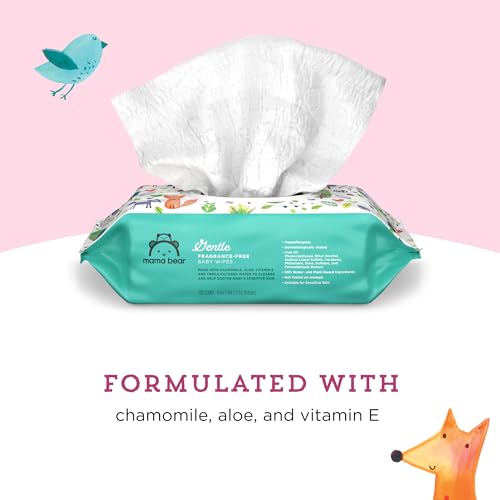
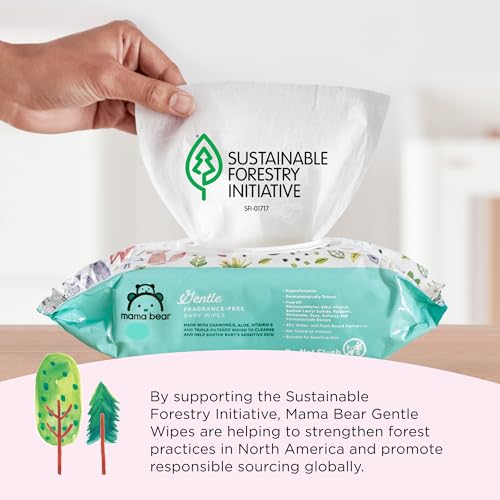
Mama Bear Gentle Baby Wipes

Strengths
- Hypoallergenic
- Fragrance-free
- Large count
Trade-offs
- Not compostable
- Plastic-heavy packaging
- Not plant-based
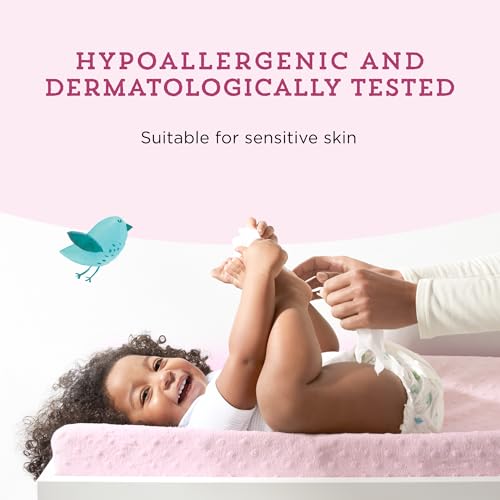
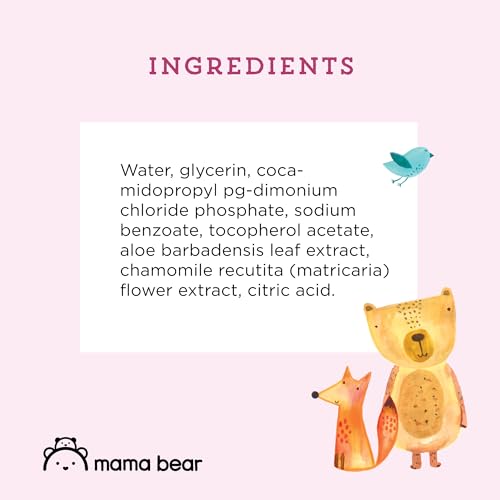
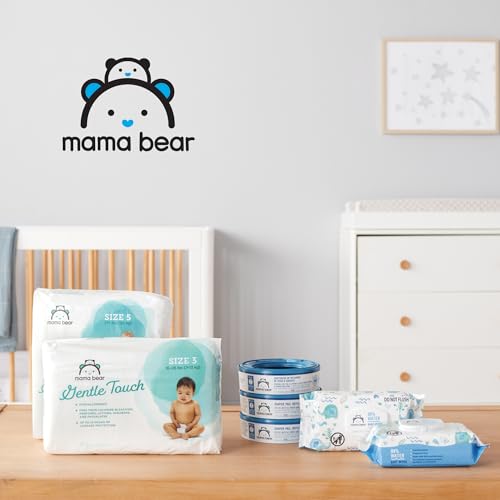
These wipes come in a massive 800-count bundle, which on paper makes them a solid contender for budget-conscious parents who want bulk value without sacrificing gentleness. They’re free from a long list of irritants, fragrance, parabens, sulfates, dyes, and that’s a big win for sensitive skin. Owners consistently report they don’t cause redness or rashes, and many say they feel just as thick and durable as pricier brands.
Still, while the formula is clean, the material isn’t plant-based or compostable, so their environmental footprint is heavier than some alternatives. They’re also not flushable, like all wipes, but the packaging doesn’t highlight recyclability beyond being reclosable. For everyday use with newborns or babies prone to irritation, these deliver reliability, but eco-purists will notice the gap.
Product photos
Amazon Elements Unscented Baby Wipes

Strengths
- Aloe and vitamin E
- Recycled packaging
- Pediatrician tested
Trade-offs
- Not compostable
- No plant-based claim
- Average thickness
With 810 wipes across nine flip-top packs, this option delivers strong value and smart distribution around the house or diaper bag. The inclusion of aloe and vitamin E suggests an emphasis on skin nourishment, and owners note these feel soothing during frequent changes. They’re pediatrician tested and avoid common irritants like alcohol and parabens, making them a safe daily pick for most infants.
The packaging uses at least 25% post-consumer recycled material, which is a modest but real nod to sustainability. Still, the wipes themselves aren’t labeled as plant-based or compostable, so while the brand moves slightly greener on packaging, the product lifecycle ends in landfill. It’s a balanced middle ground, better than average, but not leading the eco-revolution.
Product photos


Huggies Natural Care Sensitive Wipes
Strengths
- Eczema Association approved
- Plant-based material
- One-handed dispensing
Trade-offs
- Small pack size
- Not fully compostable
- Packaging varies
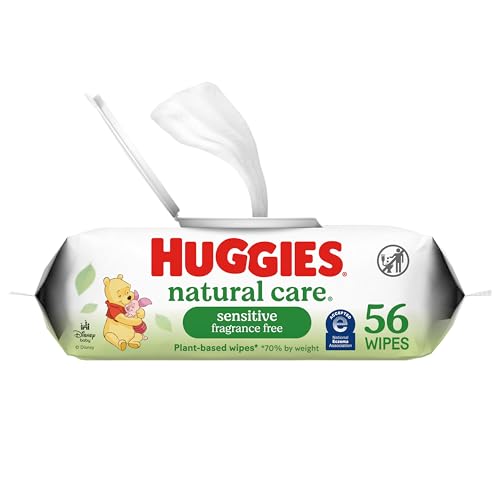
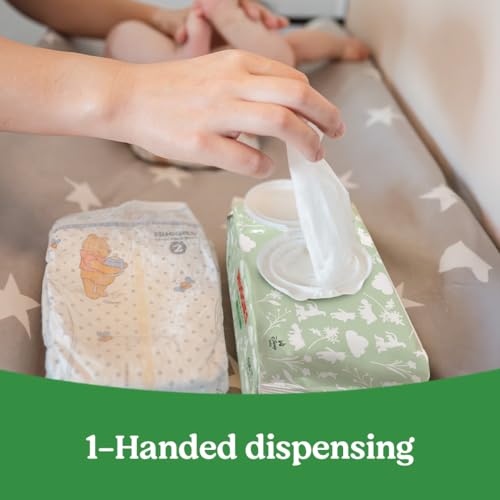
These wipes carry the National Eczema Association Seal of Approval, which immediately sets them apart for parents dealing with eczema-prone or extra-sensitive skin. The fact that they’re 70%+ plant-based by weight is a meaningful step toward sustainability, even if they aren’t fully compostable. Reviewers often mention how soft they feel compared to standard wipes, and the one-handed flip-top is a small but appreciated feature during chaotic changes.
Compared to other Huggies lines, these are clearly formulated with fewer irritants and more care. But they still fall short of full biodegradability, and the single 56-wipe pack isn’t practical for long-term use unless bought in multiples. As a targeted solution for flare-up-prone skin, they shine, but they’re not built for zero-waste goals.
Product photos


How We Tested baby wipes for the environment
As a parent and creator of NurseryDreamer.com, I understand the desire for gentle, effective wipes that also align with environmental values. To determine the best options, I researched available products by comparing published specifications – ingredient lists, material composition, and certifications – alongside a careful review of owner experiences and expert opinions. This wasn’t a hands-on test, but rather a research-led comparison to rank wipes against what matters most to eco-conscious families.
For baby wipes marketed as environmentally friendly, three factors stood out as particularly important: ingredient simplicity, compostability/biodegradability, and certifications from trusted organizations. A shorter ingredient list generally indicates fewer potential irritants for sensitive skin, and transparency from the manufacturer. Compostability and biodegradability directly address landfill waste, while certifications (like NEA or OEKO-TEX) offer independent verification of claims.
Specifications reliably tell you what a wipe is made of, but owner feedback reveals how it performs. I weighed reports on durability, wetness, and gentleness heavily. Reputation matters too; brands consistently praised by pediatricians and dermatologists earned higher consideration. Ultimately, the wipes that balanced effective cleaning with a commitment to sustainability – and positive user reports – rose to the top. You can find more information on compostable baby wipes on our site.
How To Choose The baby wipes for the environment
Choosing baby wipes can feel surprisingly complex. It’s not just about softness; a lot goes into finding a wipe that’s truly good for your baby and aligns with your values.
A quality baby wipe balances gentleness with effectiveness. Look for hypoallergenic formulas free of harsh chemicals like alcohol and fragrances. Consider the material – plant-based options are gaining popularity for their biodegradability. Thickness and durability are also key, as a wipe that tears easily isn’t very useful, and the packaging should keep wipes moist while being convenient for one-handed use.
Material & Biodegradability
The composition of a wipe heavily influences its environmental impact and how it interacts with your baby’s skin. While many wipes claim to be “natural,” look beyond marketing terms. Plant-based materials, like those found in the Honest Company wipes, are often a better choice if you’re aiming to reduce your plastic consumption. However, “biodegradable” doesn’t always equate to compostable. Many wipes labeled biodegradable require specific industrial composting facilities to break down properly. If you’re seriously committed to reducing waste, consider exploring best eco-friendly baby wipes and looking for options certified compostable at home.
Skin Sensitivity & Ingredients
For babies with sensitive skin or eczema, ingredient lists become critically important. Dermatologist-tested and hypoallergenic claims are a good start, but also scrutinize what’s not included. Many parents find success avoiding wipes with alcohol, fragrances, parabens, and phenoxyethanol. The National Eczema Association Seal of Approval, like that found on Huggies Natural Care Sensitive Wipes and the Honest Company wipes, is a strong indicator of suitability.
- A short list of ingredients is generally better.
- Look for wipes containing soothing ingredients like aloe vera or vitamin E (as seen in Amazon Elements).
- If your baby has known sensitivities, prioritize wipes with minimal ingredients – WaterWipes, with just water and a fruit extract, are a popular choice for newborns and those with very reactive skin.
Value & Convenience
Price per wipe is a practical consideration, but don’t let it be the sole deciding factor. Larger pack sizes, like those offered by Amazon Elements, often provide better value, but only if you’ll use them before they dry out. Convenience features, such as flip-top dispensers and resealable packs, can make a big difference during those middle-of-the-night changes. It’s also important to consider the wipe’s strength. A thin wipe requires more to get the job done, potentially negating any initial cost savings. Remember to always check for safe non-toxic baby wipes to protect your little one from harmful chemicals.
A good rule of thumb: if you find yourself constantly using multiple wipes per diaper change, it might be time to upgrade to a thicker, more durable option.
Baby Wipes for the Environment Compared
Here’s a comparison of key specifications for environmentally conscious baby wipes.
| Product Name | Compostable? | Plant-Based? | Hypoallergenic? | Fragrance Free? | Alcohol Free? | Pack Count/Wipes |
|---|---|---|---|---|---|---|
| Honest Company Multi-Use Baby Wipes | Yes | Yes | Yes | Yes | Yes | 1 / 70-80 |
| Huggies Simply Clean Baby Wipes | N/A | N/A | Yes | Yes | Yes | 3 / 64 |
| WaterWipes Sensitive+ Newborn Baby Wipes | N/A | Yes | Yes | Yes | Yes | Varies |
| Mama Bear Gentle Baby Wipes | N/A | N/A | Yes | Yes | Yes | 8 / 100 |
| Amazon Elements Unscented Baby Wipes | N/A | N/A | N/A | Yes | Yes | 9 / 90 |
| Huggies Natural Care Sensitive Wipes | N/A | 70%+ | Yes | Yes | Yes | 1 / 56 |
| Honest Company Pattern Play Wipes | Yes | Yes | Yes | Yes | Yes | 1 / 70-80 |
Frequently Asked Questions
Are “flushable” wipes truly safe for plumbing?
No, even wipes labeled “flushable” often don’t break down quickly enough to avoid causing clogs in sewer systems. Most municipalities advise against flushing any type of wipe, even those marketed as flushable, to protect wastewater treatment facilities.
What does “plant-based” really mean when it comes to baby wipes?
“Plant-based” indicates the wipes are derived from renewable resources like wood pulp or cotton instead of synthetic materials. However, it doesn’t automatically mean they are fully biodegradable or compostable; some still contain plastic components. You can find more information on gentle plant-based wipes on our site.
How can I tell if a wipe is truly hypoallergenic?
While “hypoallergenic” isn’t a regulated term, look for wipes that are dermatologist-tested and free of common irritants like fragrances, alcohol, and parabens. Wipes with the National Eczema Association Seal of Approval offer a higher level of assurance for babies with sensitive skin.
Do biodegradable wipes actually break down in landfills?
Unfortunately, most biodegradable wipes require the specific conditions of industrial composting facilities to decompose effectively. Landfills generally lack the necessary oxygen and microbial activity for proper breakdown, meaning they contribute to waste accumulation. For truly eco-friendly disposal, seek out certified compostable options.
Where can I find baby wipes that avoid potentially harmful chemicals?
Many brands now offer wipes formulated without harsh chemicals. Prioritize options free of alcohol, chlorine, dyes, and synthetic fragrances. You can explore safest chemical-free wipes to find formulas with cleaner ingredient lists.
The Bottom Line
Choosing the “best” baby wipes really comes down to balancing your priorities. Do you want maximum environmental friendliness, even if it means a slightly higher cost or needing access to industrial composting? Or are you looking for a reliably gentle, effective wipe at a reasonable price? For overall performance and a strong commitment to sustainability, the Honest Company Multi-Use Baby Wipes consistently receive high marks from parents.
For those prioritizing specific needs, several excellent options stand out. Parents seeking the most minimal ingredient list will find WaterWipes Sensitive+ Newborn Baby Wipes a reassuring choice – you can learn more about wipes with minimal ingredients. If budget is a primary concern, Amazon Elements Unscented Baby Wipes offer a substantial quantity at a competitive price. And for families actively seeking to reduce their environmental footprint, the Honest Company Pattern Play Wipes are a certified compostable option.
Ultimately, remember that the specifics – compostability, percentages of plant-based fibers – matter less than consistently choosing wipes free of harsh chemicals and regularly checking for any signs of skin irritation. Prioritizing gentle, hypoallergenic formulas and paying attention to your baby’s skin will make the biggest difference, and help you make informed sustainable wipe choices.
