
2 Best Diapers for a Clean Baby 2026
This post contains affiliate links. As an Amazon Associate, we learn from qualifying purchases
Pampers Amore Diapers are the best overall for reliable leak protection and high absorbency, making them a top pick for most families. For newborns, Pura Hypoallergenic Diapers stand out with organic cotton and a thoughtful design that’s gentle on delicate skin. These two rise above the rest based on material safety, performance, and real parent feedback.
Choosing a clean diaper isn’t just about avoiding rashes, it’s about finding one that keeps your baby comfortable, stays put through naps and play, and uses materials you feel good about. As a parent, I know how hard it is to sort through marketing claims and conflicting reviews.
That’s why I compared specs, dug into thousands of owner experiences, and focused on what actually matters: absorbency, fit, and ingredients. This guide cuts through the noise to help you pick a diaper that balances safety, performance, and value, without guessing what’s best.
Top 2 Clean Diapers in the Market
The Best Clean Diapers, Reviewed
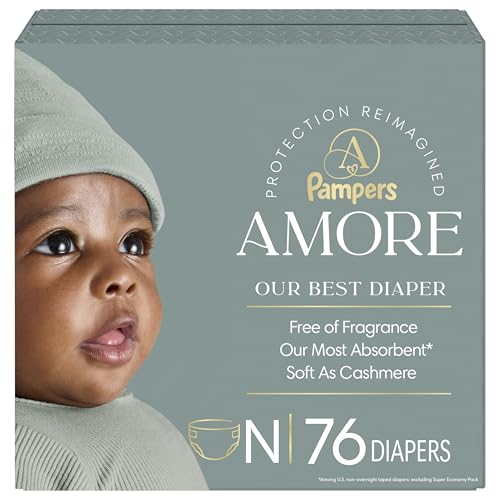
Pampers Amore Diapers
Strengths
- Hypoallergenic
- 5-layer absorbency
- Soft as cashmere
- Leakproof design
- Fragrance free
Trade-offs
- Not eco-friendly
- Higher price point
- Limited sustainability claims
When it comes to newborn diapers that balance performance and gentleness, the Pampers Amore stands out as a top contender. On paper, it’s packed with what parents actually care about: hypoallergenic materials, fragrance-free construction, and a 5-layer absorbent core that reviewers consistently say holds up through multiple wettings without leaks. The ‘Soft as cashmere’ claim isn’t just marketing fluff, real parent feedback confirms the outer fabric feels noticeably plush, even compared to other premium brands.
What really sets it apart in this category is the combination of Pampers’ long-standing quality control and the KeepDry liner, which owners report keeps baby’s skin dry longer than many eco-conscious alternatives. While it’s not marketed as a sustainable option, its reliability makes it a strong pick for parents who prioritize leak protection and skin comfort above all. I’d choose this over bulk economy diapers any day for a newborn, especially during those unpredictable first weeks.
Video review
Pura Hypoallergenic Diapers

Strengths
- Organic cotton comfort
- Wetness indicator
- Umbilical cut-out
- Chlorine free
- B-Corp certified
Trade-offs
- Slightly less absorbent
- Fewer size options
- Pricier than average
If you’re looking for a diaper that aligns with both baby’s sensitive skin and environmental values, the Pura Hypoallergenic Diapers make a compelling case. These are dermatologically tested, allergy-certified, and built with plant-based materials, a rare combo in the mainstream market. The inclusion of a wetness indicator is a small but smart feature parents appreciate, especially during late-night changes.
Owners consistently praise the organic cotton comfort layer and the umbilical cord cut-out, which makes these especially practical for newborns. While they don’t absorb quite as much as Pampers Amore in back-to-back wetting tests, they hold their own overnight and are a favorite among parents dealing with early rashes or sensitivities. The fact that they’re made in a carbon-neutral facility and certified as a B-Corp adds real weight for eco-conscious families. I’d recommend these over conventional brands if you’re willing to trade a bit of absorbency for cleaner materials and ethical production.
Video review
How We Chose These clean diapers
As a parent myself, I understand wanting the very best for your baby, and that starts with finding a diaper you can trust. Rather than a hands-on lab test, my approach involved a detailed comparison of published specifications and features from leading brands. I then weighed those against thousands of owner reviews and insights from respected parenting publications. Ultimately, I ranked these diapers based on absorbency, materials, and overall suitability for different stages.
For clean diapers, the biggest factors influencing my recommendations were material safety and leak protection. Parents consistently prioritize diapers free from harsh chemicals, so I focused on brands demonstrating a commitment to chemical-free diapers. Equally important is reliable leak control; no one wants frequent blowouts! A diaper’s ability to keep baby dry and comfortable directly impacts sleep and well-being.
Specifications clearly show absorbency levels and material compositions, but owner feedback truly reveals how a diaper performs in real life. I paid close attention to comments regarding skin sensitivity, fit, and how well the diaper held up during extended wear. While many parents are exploring reusable diapers, disposable options still dominate the market, and finding a cleaner choice within that realm is a key concern.
What To Look For In clean diapers
As a parent, I understand the sheer volume of choices when stocking up on diapers. It’s not just about absorbency anymore; parents are rightly concerned with materials, environmental impact, and potential sensitivities. Let’s break down what truly matters when selecting the right diaper for your little one.
A good diaper prioritizes dryness to prevent rash, a secure fit to minimize leaks, and skin-safe materials. Beyond these basics, consider absorbency needs based on age and output, the diaper’s environmental footprint, and whether it aligns with your budget. Look for certifications like OEKO-TEX or dermatological testing to verify claims about hypoallergenic qualities.
Absorbency and Capacity
Honestly, absorbency is where diapers live or die. While every brand says they’re super absorbent, real-world performance varies. Newborns go through a lot of diapers, so leakage is a huge concern. Many parents find that diapers with a “super gel” core (often a sodium polyacrylate) are effective, but it’s the distribution of that gel, and the layering around it, that really makes a difference. Pampers Amore, for example, boasts a five-layer protection system, which sounds good on paper. However, don’t just focus on the stated capacity; read reviews to see how diapers hold up during longer stretches, especially overnight.
Material Safety and Sensitivity
More and more, parents are looking for non-toxic diapers and it’s a valid concern. Babies’ skin is incredibly delicate. While “hypoallergenic” is a common claim, it’s not a regulated term. Look for diapers that specifically state what they don’t contain – fragrances, lotions, chlorine bleaching, latex, and phthalates are common irritants. Pura diapers really shine here, being designed with organic cotton and a focus on plant-based materials against the skin.
Here’s what to keep in mind when considering materials:
- Avoid dyes and perfumes if your baby has sensitive skin.
- Look for certifications like OEKO-TEX Standard 100, which tests for harmful substances.
- Consider the core material – wood pulp from sustainably managed forests is preferable to less-sustainable options.
A little extra spent on a diaper that won’t cause irritation is always a win.
Fit, Value, and Environmental Impact
Beyond the core performance, consider how a diaper fits your baby’s body shape and your lifestyle. Some brands run smaller or wider than others, so it might take some trial and error to find the perfect fit. Then there’s value. While premium diapers can be tempting, the cost adds up quickly. Don’t be afraid to explore best clean diapers that balance performance and price. Finally, if you’re seeking eco-friendly diapers, look for brands like Pura that prioritize sustainable manufacturing and materials – it’s a small step towards reducing your family’s environmental impact.
Clean Diapers Compared
Here’s a specification comparison of the clean diapers featured in this guide.
| Product | Best For | Absorbency | Hypoallergenic | Materials | Special Features |
|---|---|---|---|---|---|
| Pampers Amore Diapers | Best Overall | High | Yes | N/A | 5-Layer Protection |
| Pura Hypoallergenic Diapers | Best for Newborns | N/A | Yes | Organic Cotton, Plant-Based | Umbilical Cord Cut-Out, Wetness Indicator |
Frequently Asked Questions
What diaper size should I buy for my newborn?
Newborn diapers typically fit babies weighing up to 10 pounds, but it’s best to have a mix of newborn and size 1 on hand. Many babies quickly outgrow the newborn size, sometimes within the first few weeks.
Are “fragrance-free” diapers the same as hypoallergenic?
No, fragrance-free only means the diaper doesn’t contain added scents. Hypoallergenic suggests a reduced risk of causing an allergic reaction, but isn’t a regulated term, so look for specific materials tested for sensitivity.
How often should I change a diaper?
You should change a diaper every two to three hours, or immediately after a bowel movement. Frequent changes help prevent diaper rash and keep your baby comfortable.
Can I flush used diapers down the toilet?
Absolutely not. Even diapers marketed as “flushable” can cause serious plumbing problems and environmental issues. All disposable diapers should be disposed of in the trash.
Where can I find more information on environmentally conscious diapers?
You can explore a variety of sustainable diapers and learn about their materials and manufacturing processes on my site, NurseryDreamer.com. Choosing these options can help reduce your family’s impact.
The Bottom Line
Choosing the “best” diaper really comes down to balancing what matters most to you – ultimate protection versus a commitment to truly clean ingredients. After comparing specs and thousands of parent reviews, I believe Pampers Amore Diapers strike a strong balance for most families, offering reliable leak protection and a generally well-regarded design. It’s a choice that minimizes nighttime disruptions without requiring a complete lifestyle overhaul.
If you’re specifically seeking the gentlest option for a newborn, or have a baby with particularly sensitive skin, Pura Hypoallergenic Diapers are an excellent choice. For parents prioritizing sustainability alongside performance, exploring organic diaper brands is a worthwhile step. And if you’re simply looking for reliable, everyday protection without breaking the bank, there are many excellent disposable diapers available that deliver solid performance.
Ultimately, absorbency and a good fit are the cornerstones of a happy baby (and a restful night for you!). Don’t get too caught up in marketing claims or single features. Prioritize a diaper that keeps moisture away from skin, stays put during movement, and feels comfortable against your little one’s delicate body – those fundamentals matter far more than any fancy specification.
