
How to Get Diaper Cream Out of Couch: Scrape, Dissolve, & Dry
This post contains affiliate links. As an Amazon Associate, we learn from qualifying purchases
To get diaper cream out of a couch, act within two hours. First, scrape off the thick paste with a spoon. Then, sprinkle baking soda to absorb grease. Next, dissolve the remaining stain with a solution of Dawn dish soap and hot water, scrubbing in circles. Rinse thoroughly with a damp cloth and blot dry. For zinc-oxide creams like Desitin, speed is critical, the cream can bleach fabric if left longer than a weekend.
That two-hour window comes from a documented case where a full tube left on a couch from Friday to Monday risked permanent bleaching. Diaper cream isn’t just a grease stain. Its zinc oxide and petroleum base are designed to adhere to skin, which makes them cling to fibers and, over time, act as a mild bleaching agent.
What follows is the cleanup sequence that stops a smear from becoming a permanent mark. We’ll cover the five non-negotiable steps, what to do when soap and water fail, and how to handle special fabrics like Crypton or microfiber without voiding warranties. The goal isn’t a perfect clean, it’s stopping the damage before it sets.
Key Takeaways
- Diaper cream contains zinc oxide, which can bleach fabric if left for more than 48 hours. Immediate action is your best defense.
- Always scrape the bulk away first with a dull edge. Introducing water or cleaner to a thick paste just pushes it deeper into the cushion.
- Rinsing is non-negotiable. Soap residue attracts dirt, leaving a dull, sticky patch where the stain was. Blot, don’t rub, to dry.
- Check your furniture’s cleaning code (like ACT code “W”) before using any cleaner. DIY methods can void manufacturer warranties.
- For ghost stains after cleaning, 91% isopropyl alcohol on a lint-free cloth is the professional-grade solution for many performance fabrics.
Why Diaper Cream is a Different Beast
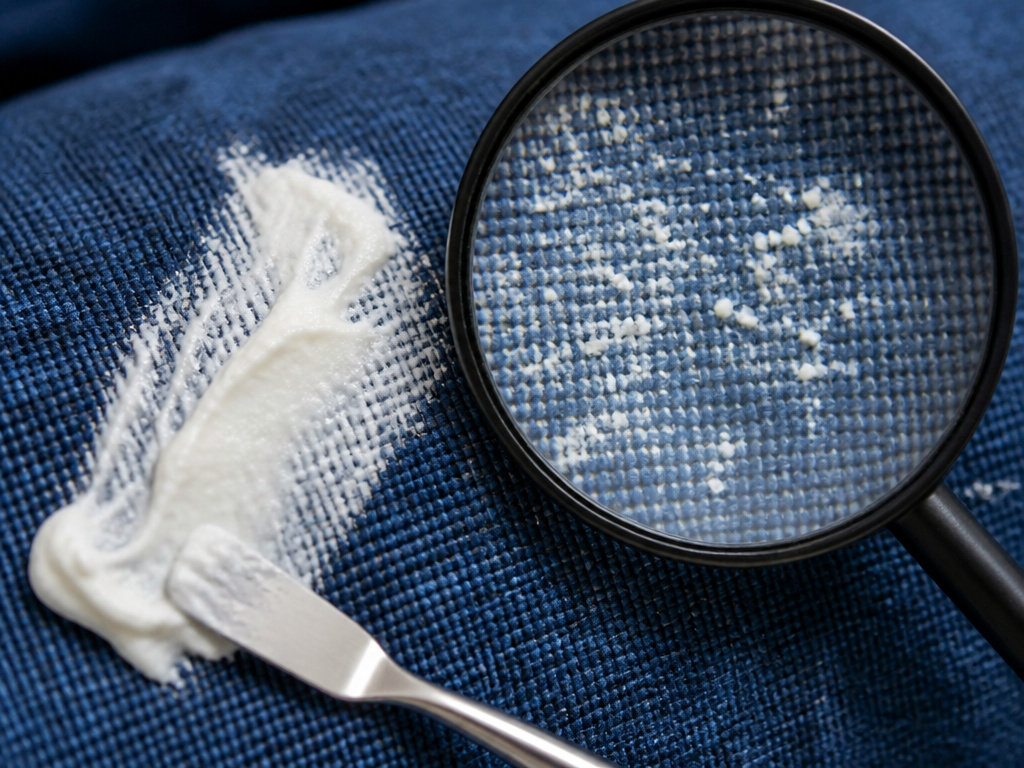
Most couch stains are water, juice, or dirt. Diaper cream is a engineered barrier. It’s a mix of zinc oxide, petroleum jelly, and waxes designed to stick to damp skin and repel moisture. On fabric, that same formulation acts like a gluey, water-resistant paste.
The zinc oxide is the real problem. In high concentrations and with prolonged contact, it can oxidize fabric dyes. That’s the bleaching effect parents report after a long weekend. The grease base, meanwhile, wicks into fibers and bonds with them as it cools. Treating it like a standard fabric stain removal is why first attempts often fail.
This is also why knowing how diaper cream works matters. Its protective barrier is what you’re fighting. Understanding its ingredients, especially in a zinc oxide diaper cream, explains why you need a degreaser first and a bleach-neutralizer second.
The 5-Step Cleanup Process (Scrape, Absorb, Dissolve, Rinse, Dry)
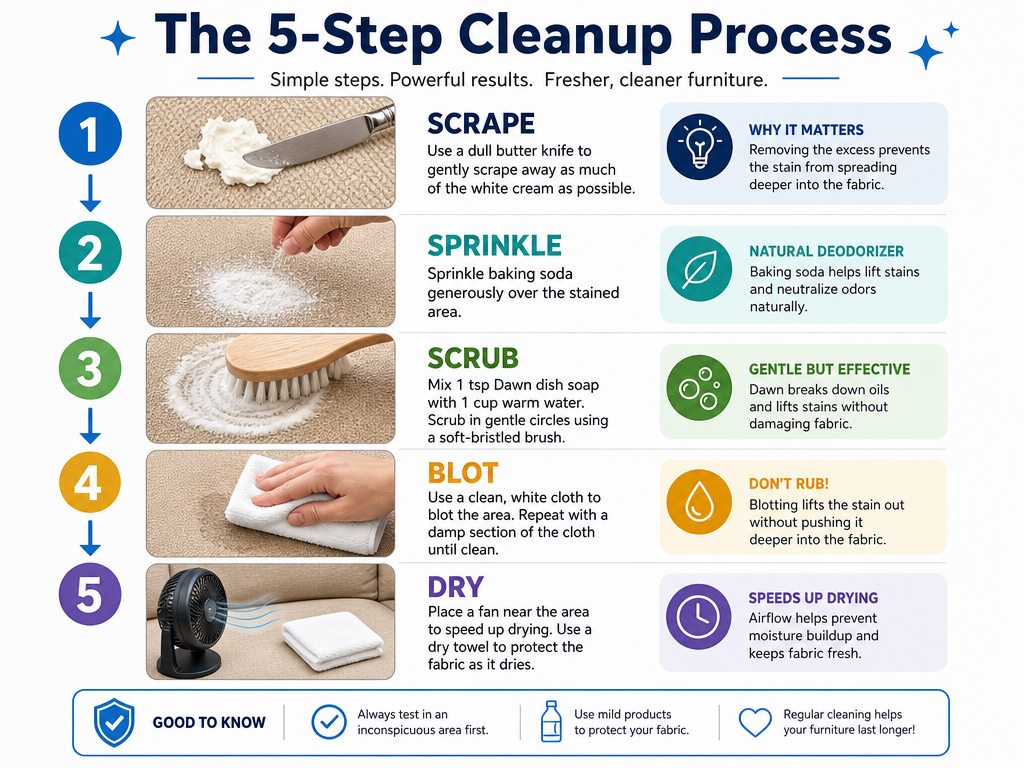
This sequence is order-dependent. Skip a step, and you’ll spend triple the time chasing the stain deeper into the cushion.
Step 1: Scrape Off the Excess
Grab a dull butter knife or a spoon. Gently scrape the thick, goopy cream off the fabric. Wipe your tool on a paper towel after every pass. Don’t press hard, you’re lifting, not grinding.
What happens if you skip this: Adding water or soap now emulsifies the grease and drives it down into the cushion core. You’ll get a larger, oilier stain that’s much harder to lift.
Step 2: Absorb the Grease
Sprinkle a generous layer of baking soda or cornstarch over the entire affected area. These powders absorb oils. Let it sit for 15-20 minutes. You’ll see it start to clump and turn yellow.
Common mistake: Using baby powder instead of baking soda. Talc or cornstarch in baby powder can itself stain and is often scented, leaving a perfume residue.
After it sits, vacuum or brush the powder away. Most of the surface grease goes with it.
Step 3: Dissolve the Stain
Now you attack what’s left in the fibers. Mix a solution of Dawn dish soap and hot water. The ratio from Crypton Home’s guide is specific: 1 teaspoon of detergent to 16 ounces of warm water. Dawn is named because its grease-cutting surfactants are industry-standard.
Dip a soft-bristled brush (an old toothbrush works) into the solution. Scrub the stain in small, tight circles, starting from the outside and moving in. Use a clean, white cloth to blot up the suds and dissolved cream frequently.
| Cleaning Agent | Best For | Risk If Misused |
|---|---|---|
| Dawn + Hot Water | Initial grease breakdown | Incomplete rinsing leaves a sticky attractant |
| 91% Isopropyl Alcohol | Dried-on or “ghost” stains | Can strip dyes from non-colorfast fabrics |
| Enzyme Laundry Detergent | Organic residue after grease is gone | Can be too harsh for delicate fabrics like silk |
Step 4: The Rinse Cycle (The Step Everyone Forgets)
Soap left in the fabric attracts dirt. You must rinse. Don’t soak the couch. Dampen a fresh cloth with clean, cool water and blot the area repeatedly. Change the cloth as soon as it picks up suds.
Rinse until the cloth comes away clean and no suds appear when you blot. This can take ten or more passes.
Step 5: Dry It Fast
Damp upholstery grows mold. It also allows any residual stain to wick back to the surface.
Where this goes sideways: Letting a cushion air-dry in a humid room. It can stay damp inside for days, leading to mildew and a musty smell.
Blot the area aggressively with dry towels. Then, increase airflow. Point a fan at the cushion. If possible, place it in a sunny, dry room. The IICRC S300 upholstery cleaning standard defines “speed drying” as a critical professional step, it’s what prevents secondary damage.
When Standard Methods Fail
Sometimes, soap and water leave a faint “ghost” of the stain. This is often the zinc oxide residue. For performance fabrics like Silicone + Plus upholstery, the manufacturer’s own guide points to one solution.
Stubborn Stains: If a ghost stain remains, apply a small amount of household rubbing alcohol (91% isopropyl alcohol) to a clean, lint-free cloth and rub the stain until it has been removed. Rinse with a clean, damp cloth.
– Silicone + Plus Care and Cleaning Guide
Test the alcohol on a hidden seam first. If it’s safe, apply a small amount to a cloth and dab (don’t pour) at the stain. You’ll see it lift. Follow with a water rinse immediately. This method also works for set-in stains from a diaper cream on clothes mishap that went through the dryer.
For a grease stain that persists, a dedicated degreaser like Lestoil or CitraSolv can work. Use it sparingly. These products have strong scents that require extensive rinsing, especially in modern low-water washing environments.
Special Fabric & Warranty Warnings
Not all couches are created equal. Your $20 bottle of cleaner could void a $2000 furniture warranty.
Performance Fabrics (Crypton, Sunbrella, Silicone + Plus)
These fabrics have specific cleaning codes. Crypton Home fabrics, for example, adhere to the ACT cleaning code “W”. This code mandates water-based cleaning only, no solvents. Their official method is the Dawn-and-water solution detailed above. Straying from this for a best diaper cream stain could damage the fabric’s moisture barrier.
For pile fabrics like velvets or microsuedes, after cleaning and drying, you may need to brush the nap with a stiff, non-metallic brush to restore its uniform appearance.
Microfiber
Microfiber is a magnet for oils. The community fix that often works is a drop of Dawn in very hot water, applied with a rag. The heat melts the grease, and the soap suspends it. Scrub gently, then rinse. A baking soda paste can also help absorb grease from microfiber post-cleanup.
The Warranty Check
Before you pour anything, check your furniture’s warranty documentation.
If your furniture is covered by a warranty, please call the hotline and follow their instructions and only their instructions.
– Home-Ec101
Your passionate DIY effort could invalidate a claim. If the couch is new or expensive, the call is worth ten minutes. This is especially true if you’re dealing with a high-end natural diaper cream stain, as some plant-based oils behave differently than petroleum.
How to Prevent a Repeat Performance
The best stain removal is the one you never have to do. Store tubes of diaper rash cream in a high, locked cabinet or a diaper caddy with a latch. After applying diaper cream, immediately put the tube away and wash your hands before handling the baby anywhere near the couch.
Keep a dedicated “stain kit” under the kitchen sink: a spoon, a box of baking soda, a bottle of Dawn, a soft brush, and a stack of white cloths. When disaster strikes, you’re not running around gathering supplies while the stain sets.
Also, note the diaper cream expiration date. Old, separated cream can be runnier and more likely to leak, and its chemical stability may change, making stains harder to remove.
Frequently Asked Questions
Can diaper cream permanently stain a couch?
Yes, especially creams with high zinc oxide content. If left for more than 48 hours, the cream can oxidize and bleach the fabric dye, leaving a permanent lightened patch. Immediate action is the only way to prevent this.
Is it safe to use rubbing alcohol on my couch?
It can be, but you must test it first. Dab a small amount of 91% isopropyl alcohol on a hidden area like a back seam or under a cushion. Check for color transfer or fabric damage after 5 minutes. If it’s safe, use it sparingly only on stubborn ghost stains after the initial cleaning.
What if the cushion cover is removable?
You’ve won the lottery. Take the cover off and check the care label. Most can be machine-washed. Pretreat the stain with a dab of Dawn or an enzyme detergent, then wash on cold with a gentle cycle. Air dry completely to avoid shrinkage before putting it back on the cushion. This is far easier than dealing with a diaper cream on carpet scenario.
Why is there still a greasy feel after cleaning?
Incomplete rinsing. Soap residue feels slick and attracts dust. Revisit the rinse step: blot the area repeatedly with a cloth dampened with clean water until no more suds appear. Then dry it aggressively with fans.
Can I use a carpet cleaner or steam cleaner on my couch?
Only if your furniture’s care tag explicitly says it’s safe for wet extraction. For many fabrics, especially those with a “W” code, overwetting is the primary cause of damage, it can break down internal adhesives in the cushion and cause shrinkage. When in doubt, blot and dry; don’t inject water.
Before You Go
Diaper cream on the couch is a panic moment, but it’s a fixed process. Scrape, absorb, dissolve, rinse, dry. The clock starts the second you see the smear. Your tools are simple: a spoon, baking soda, Dawn, and a pile of cloths.
Remember the two critical warnings. First, that cream can bleach fabric fast. Second, your couch’s warranty might demand a specific cleaner. When a standard rash cream barrier stain won’t budge, 91% isopropyl alcohol is the professional fallback, test it first.
The goal isn’t perfection. It’s damage control. Get the bulk up, neutralize the grease, rinse everything out, and dry it faster than you think is necessary. Then, go hide that tube of best rash cream somewhere only you can reach.
