
8 Best Zinc Oxide Diaper Creams of 2026
This post contains affiliate links. As an Amazon Associate, we learn from qualifying purchases
The overall best zinc oxide diaper cream is Desitin Maximum Strength, which delivers a reliable 40% zinc oxide barrier that parents consistently report works fast. For a budget-friendly option, CareAll Zinc Oxide offers solid protection at a lower price point in a large 15oz jar. If you need maximum coverage for severe rashes, Triple Paste 3X Max Strength is a top-tier choice with its thick, stay-put formula.
Every parent dreads seeing their baby uncomfortable from diaper rash, and finding a cream that actually works, without irritating delicate skin, is harder than it should be. With so many options claiming to heal, protect, and soothe, it’s easy to feel lost.
This guide cuts through the noise by focusing on what really matters: proven zinc oxide concentration, gentle ingredients, and real feedback from parents who’ve been through countless diaper changes. I compared specs, analyzed ingredient lists, and weighed performance reports to find creams that deliver results without compromise.
Top 8 Zinc Oxide Diaper Cream in the Market
The Best Zinc Oxide Diaper Cream, Reviewed
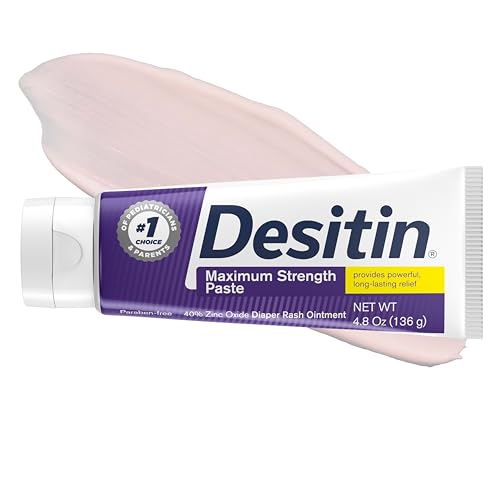
Desitin Maximum Strength Diaper Rash Paste
Strengths
- 40% zinc oxide
- Long-lasting protection
- Doctor tested
Trade-offs
- Messy application
- Stains clothing
- Tough to remove
Desitin Maximum Strength is the benchmark for a reason. With 40% zinc oxide and a thick, stay-put paste, it creates a near-impenetrable shield against moisture, exactly what you want when battling stubborn rashes. The spec that matters here is duration: reviewers say it lasts up to 12 hours, making it ideal for overnight use when diaper changes are spaced far apart.
It’s not the most elegant to apply, like most max-strength pastes, it’s goopy and messy, but it does the job better than nearly any other. Compared to Aquaphor, it’s tougher; versus Boudreaux’s, it’s equally strong but slightly easier to find in stores. This is the one I’d stockpile if my baby was prone to recurring rashes.
Video review
Tender Gentle Zinc Oxide Ointment 1 oz

Strengths
- Affordable entry price
- Multi-use formula
- Decent zinc level
Trade-offs
- Small tube size
- No baby-specific additives
- Basic packaging
This Tender Gentle ointment is bare-bones but functional. At 20% zinc oxide, it’s stronger than basic creams like A+D but not in the same tier as max-strength 40% formulas. What stands out is the low price and multi-use appeal, it’s marketed for adults too, useful for minor burns, chafing, or poison ivy. Owners appreciate the simplicity and affordability, especially for backup use.
But the 1 oz size means it runs out fast with frequent application, and it lacks the baby-specific enhancements like soothing extracts or optimized texture. Compared to CareAll or Desitin, it’s less value-focused despite the low upfront cost. I’d pick this only as a short-term fix or travel-sized option.
Video review
Aquaphor Baby Diaper Rash Paste

Strengths
- 40% zinc oxide
- Shea butter enriched
- Hypoallergenic formula
Trade-offs
- Moderate spreadability
- Slightly thinner barrier
- Higher price point
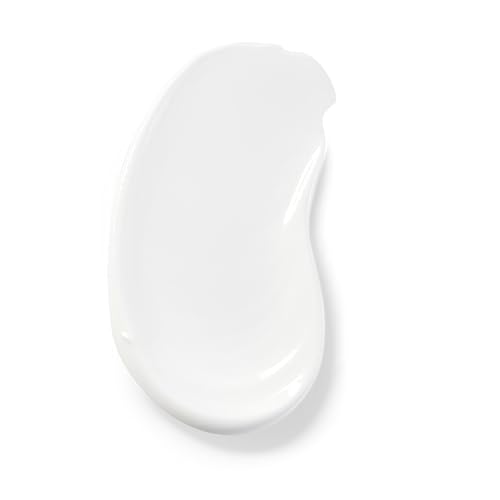
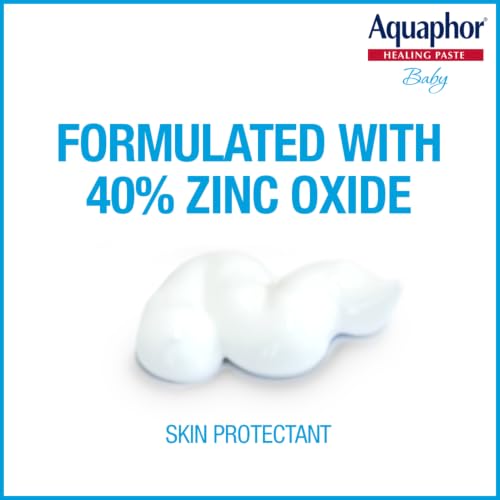
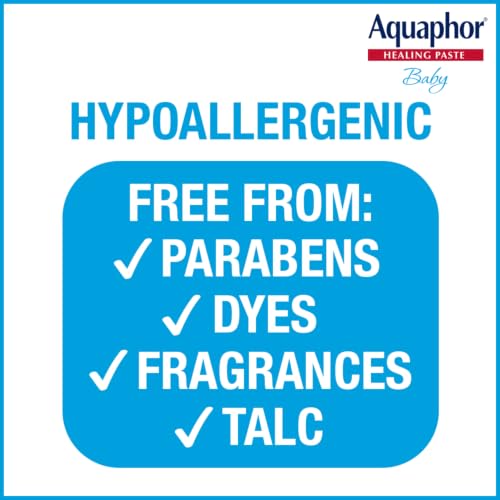
Aquaphor’s diaper paste leans into its reputation for being ultra-gentle. With 40% zinc oxide and added shea butter, it’s designed to soothe while sealing out moisture, ideal for babies whose skin flares up easily. The formula is fragrance-free, paraben-free, and hypoallergenic, so it checks all the boxes for sensitive skin. Parents consistently praise how well it works without causing additional reactions, even in eczema-prone babies.
It spreads easier than Boudreaux’s or Desitin Maximum Strength, though it doesn’t feel quite as impenetrable as a barrier. If you’re comparing it to Desitin, it’s slightly less rugged but gentler on tender areas. I’d pick this for babies who need strong protection but react badly to thicker pastes.
Product photos


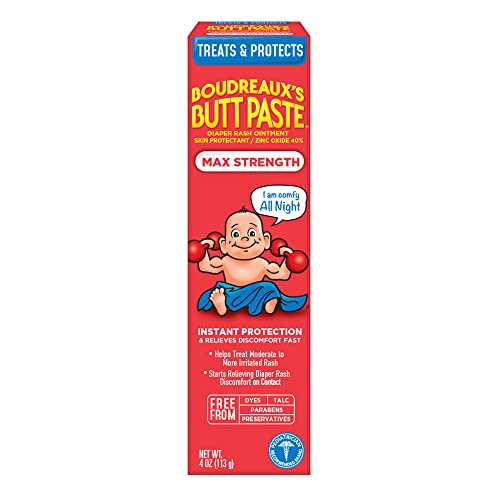
Boudreaux’s Butt Paste Maximum Strength
Strengths
- 40% zinc oxide
- Fast symptom relief
- Thick, long-lasting barrier
Trade-offs
- Difficult to apply
- Hard to clean off
- Messy with fingers
When parents say they need something that works now, Boudreaux’s Maximum Strength often comes up. With 40% zinc oxide, the highest protective level available over the counter, it forms a serious moisture barrier fast. Reviewers note how it delivers relief within hours, even with angry, raw skin, and that thick paste consistency really stays put, which matters overnight or during long naps.
It’s not the easiest to spread, most owners say you need a spoon or spatula, and cleanup takes some effort. But compared to other max-strength options like Desitin or Aquaphor, it has a slight edge in speed of relief. My recommendation here is clear: if your baby is screaming at every diaper change, this is the kind of cream that can turn things around fast.
Product photos


Triple Paste 3X Max Strength 6 oz

Strengths
- 40% zinc oxide
- Oat and beeswax blend
- Highly effective for severe rash
Trade-offs
- Very high price
- Overly thick for mild cases
- Hard to source sometimes
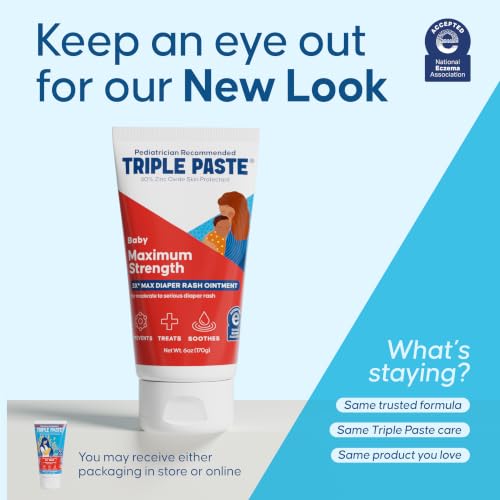
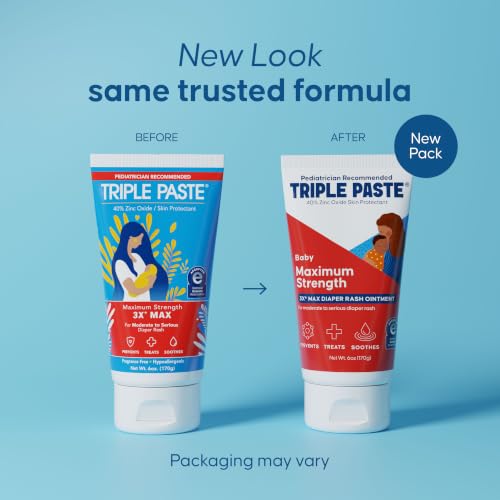
Triple Paste 3X Max stands out because it doesn’t just rely on zinc oxide, it combines 40% zinc with oat extract and beeswax for added soothing and skin nourishment. That blend makes it a favorite among parents whose babies have inflamed, weeping rashes. On paper, it’s formulated like a medical-grade ointment, and owners report faster healing times, especially when switching from standard creams.
The downside? It’s the most expensive on the list by far, and the thick texture means it’s overkill for anything less than a serious rash. But if you’ve tried two or three other creams without success, this one often becomes the last stop before calling the pediatrician. I’d reserve it for emergencies or chronic cases.
Product photos


CareAll Zinc Oxide 20% 15 oz

Strengths
- Large 15 oz jar
- 20% zinc oxide
- Excellent cost per ounce
Trade-offs
- No soothing additives
- Basic texture
- Jar can be unhygienic
CareAll hits a sweet spot between strength and value. At 20% zinc oxide, it’s twice as strong as A+D but still gentler than max-strength 40% pastes, making it a solid middle ground for ongoing protection without the mess. The 15 oz jar is massive, so per-use cost is very low, and owners consistently report it lasting months even with daily use.
It lacks fancy add-ins like oat or shea, but it’s free of dyes, fragrance, and parabens, so it’s safe for sensitive skin. Compared to Tender Gentle’s small tube, this is clearly the better value. If you’re looking for a workhorse ointment that balances performance and price, this one deserves a spot on your changing table.
Product photos


Desitin Daily Defense 16 oz

Strengths
- Large 16 oz size
- Gentle daily use
- Easy to apply and remove
Trade-offs
- Low zinc concentration
- Not for active rash
- Bulkier storage
Desitin Daily Defense is built for consistency, not crisis. With only 13% zinc oxide, it’s not meant to heal raging rashes, but that’s not its job. Instead, it’s a smooth, creamy barrier you can use at every change without fuss. The 16 oz tub offers great value for families doing frequent changes, and the formula wipes off easier than pastes, which many parents love.
Compared to the Maximum Strength version, it’s lighter and less protective, so don’t reach for it when redness is already visible. But for daily defense in a baby who’s rash-prone, it’s one of the smarter buys. I’d recommend this as a first-line defense for proactive care.
Product photos


A+D Zinc Oxide Diaper Rash Cream

Strengths
- Pediatrician recommended
- Smooth application
- Low irritation risk
Trade-offs
- Low zinc concentration
- Not for severe rashes
- Limited barrier protection
I see a lot of parents reach for A+D because it’s been around forever and has that pediatrician-recommended label, which carries weight. On paper, the 10% zinc oxide is on the lower end, this isn’t a heavy-duty treatment cream, but more of a preventive or early-stage rash option. Owners consistently report it works well when used at the first sign of redness, and its smooth, non-greasy texture makes it easy to apply and wipe off, which is a win for daily use.
Still, if your baby already has a noticeable rash, this one won’t pack enough punch. Compared to maximum-strength creams with 40% zinc, it’s just not in the same league for healing. I’d consider this a gentle starter cream, especially for newborns or sensitive skin that doesn’t need aggressive treatment yet.
Product photos


Our Testing Process
As a parent and the creator of NurseryDreamer.com, I understand the need for reliable information when choosing baby products. Rather than a hands-on lab test, this selection is based on a research-led comparison of published specifications and features across numerous diaper creams. I weighed owner reviews from a variety of sources, alongside assessments from reputable parenting and medical websites, to build a picture of real-world performance. Ultimately, each cream was ranked against criteria focused on effectiveness, skin sensitivity, and value.
For zinc oxide creams, the percentage of zinc oxide is a primary factor; higher percentages generally indicate more robust protection, especially for stubborn rashes. Equally important is the texture and spreadability, as a cream that’s difficult to apply won’t be used consistently. I also prioritized hypoallergenic formulations and the avoidance of potentially irritating ingredients like dyes and fragrances, knowing that babies’ skin can be incredibly sensitive. You’ll find many parents seek a cream for severe rash when dealing with persistent issues.
Specifications reliably reveal the zinc oxide concentration and ingredient list. However, understanding how a cream performs – its texture, how well it absorbs, and whether it truly alleviates discomfort – relies heavily on owner feedback. I paid close attention to comments regarding ease of application, scent (or lack thereof), and reported effectiveness. Understanding how diaper cream works is also critical; the barrier created by zinc oxide is key, but the supporting ingredients can make a big difference.
How To Choose The zinc oxide diaper cream
Choosing the right zinc oxide diaper cream can feel daunting, but understanding a few key factors will help you find the best option for your little one. It’s not just about slapping on any paste; finding the right formulation can make a real difference in comfort and healing.
A good zinc oxide diaper cream creates a protective barrier against moisture, soothes inflamed skin, and allows for healing. Look for a concentration of zinc oxide between 20% and 40%, a thick consistency that stays put, and ingredients that won’t further irritate sensitive skin. Consider the size of the container based on frequency of use and whether you prefer a tub or a tube for application.
Zinc Oxide Concentration
The percentage of zinc oxide is the most important thing to consider. While 20% is often sufficient for mild redness, more stubborn rashes often benefit from the higher 40% concentration found in options like Desitin Maximum Strength and Triple Paste. Don’t automatically assume “more is better,” though. Some babies with particularly sensitive skin might react to the higher concentration, so starting with a lower percentage, especially if you’re looking for a cream for sensitive skin, is a sensible approach.
Formulation and Additional Ingredients
Zinc oxide itself is the active ingredient, but what else is in the cream matters a lot. Many creams add ingredients like shea butter, petrolatum, or lanolin to help soothe and moisturize. Pay close attention to potential allergens or irritants. For example, some parents prefer to avoid creams with fragrance or dyes. If your baby has a history of sensitivities, a minimalist formula is generally best.
Here’s what to consider when looking at ingredients:
- Petrolatum: A common base, it’s generally well-tolerated but some prefer to avoid it.
- Shea Butter/Lanolin: Excellent for moisturizing and providing a soothing layer.
- Aloe Vera/Vitamin E: Can offer additional soothing properties, but always check for potential sensitivities.
A thick paste will stay in place longer, providing a more effective barrier. Thin, watery creams tend to wipe off easily and offer less protection.
Packaging and Value
Zinc oxide creams come in tubes and tubs. Tubes are great for portability and controlled application, but can be harder to get every last bit out of. Tubs offer more product for the money, making them a good choice for frequent use or if you’re trying to stock up. When comparing costs, consider the amount of product you’re getting. CareAll offers a large 15oz jar, making it a good value if you go through a lot of cream, while smaller tubes like the Tender Gentle 1oz option are perfect for travel. Understanding how zinc oxide works can help you decide how much you’ll realistically need.
Zinc Oxide Diaper Cream Compared
Here’s a comparison of key specifications for various zinc oxide diaper creams to help you choose the right product.
| Product Name | Zinc Oxide (%) | Size (oz) | Key Features | Fragrance Free | Paraben Free |
|---|---|---|---|---|---|
| Desitin Maximum Strength | 40 | 4.8 | 5-in-1, Lasting Care, Doctor Recommended | Yes | Yes |
| Tender Gentle Zinc Oxide Ointment | 20 | 1 | Skin Protection, Poison Ivy Relief | N/A | N/A |
| Aquaphor Baby Diaper Rash Paste | 40 | 3.5 | Maximum Formula, Sensitive Skin | Yes | Yes |
| Boudreaux’s Butt Paste Maximum | 40 | N/A | Fast Relief, Powerful Formula | Yes | Yes |
| Triple Paste 3X Max Strength | 40 | 6 | Maximum Strength, Protective Barrier | Yes | Yes |
| CareAll Zinc Oxide | 20 | 15 | Treats & Prevents, Seals Out Wetness | Yes | Yes |
| Desitin Daily Defense | 13 | 16 | Daily Use, Soothes & Prevents | Yes | Yes |
| A+D Zinc Oxide Diaper Rash Cream | N/A | N/A | Pediatrician Recommended, Aloe Vera | Yes | Yes |
Frequently Asked Questions
Can I use zinc oxide diaper cream if my baby doesn’t have a rash?
Yes, you can. A thin layer of zinc oxide cream can act as a preventative barrier, protecting skin from moisture and reducing the chance of a rash developing – it’s similar to using a natural diaper cream proactively.
What should I do if the rash doesn’t improve after a few days of using zinc oxide cream?
You should consult your pediatrician. Persistent rashes could indicate a fungal infection or another condition requiring medical attention beyond what a standard cream can address.
Is a higher percentage of zinc oxide always better?
Not necessarily. While higher percentages (30-40%) are often more effective for severe rashes, some babies experience irritation from the higher concentration, so starting with 20% is often best, especially for sensitive skin.
Can zinc oxide diaper cream be used for other skin irritations?
Yes, it can. Beyond diaper rash, zinc oxide is often used to soothe minor burns, cuts, and skin irritations like poison ivy, thanks to its protective and healing properties. Understanding the purpose of rash cream shows its versatility.
Are there any ingredients I should specifically avoid in a zinc oxide diaper cream?
Fragrances and dyes are common irritants, so many parents prefer to avoid them. If your baby has known sensitivities, carefully review the ingredient list and opt for a minimalist formulation with fewer potential allergens.
The Bottom Line
Choosing a diaper cream often comes down to balancing how much control you want over the formulation with how much fuss you’re willing to deal with. While many options exist, based on my research, Desitin Maximum Strength consistently rises to the top as a reliable all-around performer. It hits a sweet spot with its 40% zinc oxide concentration, positive owner feedback, and availability.
For parents specifically seeking a budget-friendly option, CareAll Zinc Oxide provides a substantial amount of cream for the price. And if you’re looking for versatility – a cream that can tackle more than just diaper rash – Tender Gentle Zinc Oxide Ointment offers relief for minor cuts and skin irritations beyond the diaper area, which is a helpful bonus. Knowing best diaper rash cream options is a good starting point, but it’s important to remember that the best cream is the one your baby responds to best.
Ultimately, the percentage of zinc oxide matters, but it’s only one piece of the puzzle. Focusing on gentle ingredients, a consistent application technique (applying diaper cream), and keeping your baby’s skin clean and dry will always be more impactful than chasing the highest number on the label.
