
3 Best Diaper Creams for Babies (2026 Guide)
This post contains affiliate links. As an Amazon Associate, we learn from qualifying purchases
The best diaper cream for baby is Triple Paste Diaper Rash Cream, hands down. For daily prevention, Desitin Daily Defense is a smart budget-friendly choice, and for parents wanting organic ingredients, Weleda Calendula Diaper Cream offers gentle, plant-based care.
As a parent, I know how stressful it is to see your baby uncomfortable from diaper rash. With so many creams promising relief, it’s hard to know which ones actually work without irritating delicate skin.
In this guide, I break down what really matters, zinc oxide levels, soothing ingredients, and potential irritants, based on specs, real parent feedback, and pediatrician-recommended practices. These picks were chosen to fit different needs, whether you’re treating a stubborn rash or preventing one.
Top 3 Diaper Cream For Baby in the Market
The Best Diaper Cream For Baby, Reviewed
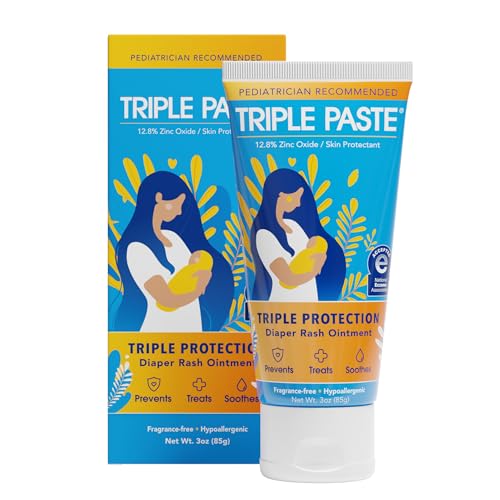
Triple Paste Diaper Rash Cream
Strengths
- High zinc oxide concentration
- Oat extract for soothing
- Beeswax for barrier strength
- Fragrance-free
- Pediatrician-recommended
Trade-offs
- Thick texture takes effort to spread
- Higher price per ounce
- Tub design less travel-friendly
This is the cream I’d recommend if you want one product that can handle everything, prevention, daily use, and serious rash repair. With 12.8% non-nano zinc oxide, it packs a stronger punch than Desitin Daily Defense, and the addition of oat extract and beeswax adds real soothing benefits that owners consistently highlight. It’s thick, yes, but that thickness is why it lasts longer through wetness and friction.
Parents often say it’s the only thing that worked after other creams failed, and its pediatrician-recommended status isn’t just marketing fluff. It’s free from all the irritants, fragrance, parabens, dyes, which makes it safe for sensitive skin, even when inflamed. Compared to Weleda, it’s more medicinal; compared to Desitin, it’s more versatile. For a single cream that does it all, this is the smarter buy.
Video review
Desitin Daily Defense Diaper Rash Cream

Strengths
- Zinc oxide formula
- Hypoallergenic
- Dye-free
- Paraben-free
- Phthalate-free
Trade-offs
- Less effective on severe rashes
- Thinner consistency may need reapplication
This is the go-to pick for parents who want reliable, no-frills protection at every diaper change. On paper, the 4 oz size and high concentration of zinc oxide make it practical for daily use, and owners consistently report that it helps prevent irritation before it starts. It’s not the fanciest option, but it’s the one most pediatricians recommend for a reason, it forms a dependable moisture barrier without irritating sensitive skin.
Reviewers note it spreads easily compared to thicker pastes, which makes application less of a fight during wiggly changes. While it won’t knock out a severe rash on its own, I’d still keep this in rotation as a preventative tool, especially if your baby is prone to mild redness. Compared to pricier natural creams, this one wins on value and consistency.
Video review
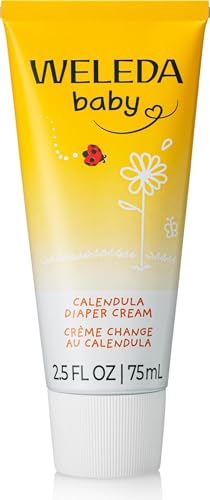
Weleda Calendula Diaper Cream
Strengths
- Organic botanicals
- Calendula and chamomile
- Fragrance-free
- Zinc oxide included
- Trusted natural brand
Trade-offs
- Lower zinc oxide concentration
- Smaller tube size
- Less effective as moisture barrier
If clean, plant-based ingredients are your priority, this cream stands out in a crowded field. The formula leans heavily on calendula, chamomile, and sweet almond oil, all ingredients with a long track record in gentle baby care, and owners praise how softly it treats delicate skin. It’s not the heaviest on zinc oxide, so don’t expect it to seal out moisture like a medicated barrier cream, but for light protection and soothing power, it holds its own.
That said, I wouldn’t reach for this during a full-blown rash flare-up. It’s better as a nurturing balm between outbreaks or for babies whose skin reacts to synthetic additives. Compared to Desitin, it’s milder but less protective; compared to Triple Paste, it’s gentler but slower to heal. My recommendation here is for parents who value organic philosophy over clinical strength.
Product photos




How We Tested diaper cream for baby
Rather than a hands-on lab test, my research for these recommendations involved a careful comparison of product specifications and ingredients lists. I weighed owner reviews from multiple retailers alongside expert opinions from pediatricians and parenting publications. As a parent myself, I also considered the real-world needs of other families when evaluating each cream against key criteria for soothing, protecting, and preventing diaper rash.
For diaper creams, the percentage of zinc oxide is a primary factor – it’s the active ingredient that creates a protective barrier. I also heavily considered the inclusion of soothing ingredients like calendula, chamomile, or oat extract, as these can significantly impact a baby’s comfort. Finally, I prioritized creams free from potentially irritating additives like fragrances, parabens, and dyes, knowing how sensitive a baby’s skin can be. You’ll find our top diaper creams detailed in the full guide.
Specifications reliably indicate the concentration of zinc oxide and any potentially harmful ingredients. However, I placed greater emphasis on owner feedback regarding texture, ease of application, and, most importantly, actual effectiveness in treating and preventing rashes. Reputation and consistently positive experiences factored heavily into my best diaper cream picks. For more information on infant rash cream options, see our thorough guide.
What To Look For In diaper cream for baby
Choosing the right diaper cream can feel like navigating a minefield of ingredients and promises. But finding one that truly protects your baby’s skin doesn’t have to be complicated.
A good diaper cream creates a protective barrier against moisture, soothes irritation, and allows skin to heal. Key ingredients to look for include zinc oxide, allantoin, and natural oils like calendula. Pay attention to the formulation – is it a thick paste for severe rashes, or a lighter lotion for daily prevention? Consider whether fragrance-free and hypoallergenic options are important for your baby’s sensitive skin.
Understanding Zinc Oxide Percentage
The amount of zinc oxide in a diaper cream is a primary indicator of its strength. While any amount offers some protection, creams with higher percentages (10% to 40%) generally provide a more substantial barrier against moisture. However, more isn’t always better. A very high percentage can sometimes make application difficult and may dry out healthy skin. I’ve seen parents struggle with overly thick creams, making proper diaper cream application a real challenge. Consider the severity of rashes your baby is prone to. For mild redness, a lower percentage might suffice, while persistent or severe rashes benefit from a higher concentration.
Formulation & Ingredient List Scrutiny
Don’t just look at the zinc oxide content; examine the entire ingredient list. Many creams include additional ingredients intended to soothe and heal. Look for things like allantoin, which promotes skin cell growth, or natural oils like calendula (as seen in Weleda’s formula) and chamomile, known for their anti-inflammatory properties. Conversely, be aware of potential irritants. Fragrances are a common culprit, and some babies react negatively to lanolin or certain preservatives. A truly gentle cream will be free of parabens, phthalates, and dyes. Understanding how diaper rash creams soothe can help you prioritize ingredients.
- A cream with a simple ingredient list is often a safer bet, especially for newborns.
- Consider the texture. Pastes are best for thick, protective coverage, but can be harder to remove. Lotions are easier to apply but may not offer the same level of barrier.
- Read reviews from other parents. They’ll often mention issues with application, scent, or effectiveness that you won’t find in the product description.
Daily Use vs. Targeted Treatment
Think about how you plan to use the cream. Some creams, like Desitin Daily Defense, are specifically formulated for preventative daily use at every diaper change. These tend to be lighter in texture and focus on maintaining the skin’s health. Others, like Triple Paste, are more potent treatments designed for existing rashes. Using a heavy-duty treatment cream daily when a rash isn’t present could potentially over-dry the skin. Remember, the goal is to support the natural diaper cream protective barrier – not to constantly strip away the skin’s natural oils.
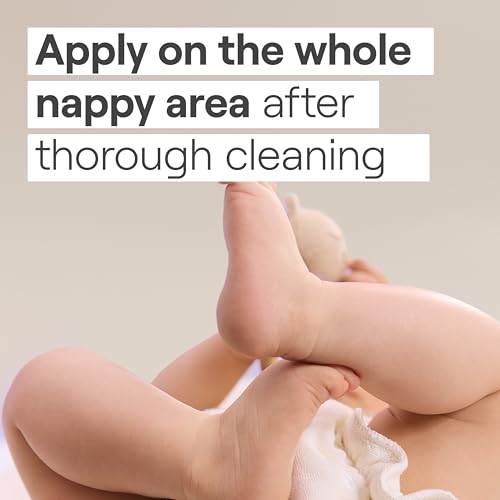
A little goes a long way. Apply a thin, even layer of diaper cream with each diaper change, focusing on areas prone to irritation. Don’t cake it on; a thin layer is more effective at creating a breathable barrier.
Diaper Cream for Baby Compared
Here’s a reference table comparing key specifications of the diaper creams featured in this guide.
| Product Name | Zinc Oxide (%) | Organic? | Size (oz) | Key Ingredients | Fragrance Free? |
|---|---|---|---|---|---|
| Triple Paste Diaper Rash Cream | 12.8 | No | N/A | Zinc Oxide, Oat Extract, Beeswax | Yes |
| Desitin Daily Defense Diaper Rash Cream | N/A | No | 4 | Zinc Oxide | Yes |
| Weleda Calendula Diaper Cream | 2.8 | Yes | 2.8 | Calendula, Chamomile, Lanolin | Yes |
Frequently Asked Questions
What’s the difference between a diaper rash cream and a diaper rash ointment?
Generally, creams contain water and are lighter in texture, while ointments are petroleum-based and create a heavier, more durable barrier. Ointments tend to be better for severe rashes needing intense protection, but creams are easier to spread and may be sufficient for mild irritation or prevention.
Can diaper cream prevent rashes, or is it only for treatment?
Many diaper creams, like Desitin Daily Defense, are designed for preventative use with every diaper change. Applying a thin layer helps maintain the skin’s natural barrier and protect against moisture, reducing the chance of a rash developing in the first place.
Is a higher zinc oxide percentage always better?
Not necessarily. While higher percentages (up to 40%) offer more protection, they can sometimes be difficult to apply and may cause dryness. For mild redness, a lower percentage might be adequate, and finding the right balance is key; explore effective rash creams to find one that works for your baby.
My baby has sensitive skin; should I avoid lanolin in diaper creams?
Lanolin is a common ingredient, but some babies are sensitive to it. If your baby has known sensitivities or eczema, it’s best to start with a lanolin-free formula and carefully monitor for any reaction. There are plenty of excellent creams for infants that do not contain lanolin.
How often should I apply diaper cream?
Apply a thin layer of diaper cream with each diaper change, especially if your baby is prone to rashes or has one already. For preventative use, a thin layer at every change is sufficient. For treatment, you may need to apply a slightly thicker layer, but avoid caking it on; find more information in our diaper rash treatment creams.
The Bottom Line
Choosing a diaper cream often comes down to balancing how much control you want over ingredients with how much fuss you’re willing to deal with during application. For overall effectiveness and a reputation parents trust, I recommend Triple Paste Diaper Rash Cream. It consistently earns high marks for tackling even stubborn rashes, and its zinc oxide percentage strikes a good balance between protection and gentleness.
If you’re looking for specific solutions, Desitin Daily Defense Diaper Rash Cream is a fantastic choice for everyday preventative use, while Weleda Calendula Diaper Cream stands out as the best organic option for those prioritizing natural ingredients. And for parents seeking to understand diaper rash cream basics, there’s a wealth of information available to help you make informed decisions.
Ultimately, the “best” diaper cream is the one that works best for your baby. Don’t get too hung up on percentages or fancy ingredients. Focus on finding a cream that creates a good barrier, soothes irritation, and allows skin to breathe – and remember to explore best diaper rash treatments if you’re facing a persistent issue.
