
7 Best Quality Diapers of 2026
This post contains affiliate links. As an Amazon Associate, we learn from qualifying purchases
The Earth & Eden Sensitive Baby Diapers stand out as the best overall quality choice, combining strong absorbency with gentle, chemical-free materials. For a budget-friendly yet reliable option, the Free~Style TCF Newborn Diapers deliver excellent performance without the premium price. If you’re leaning toward reusable, the Fasoar 6-Ply Cotton Cloth Diapers offer simplicity and purity with their 100% cotton construction.
Every parent wants a diaper that keeps their baby dry, comfortable, and rash-free, but finding one that consistently delivers can feel like searching for a needle in a haystack. With so many brands making bold claims, it’s hard to know what actually works in real life.
This guide cuts through the noise by focusing on what matters most: real parent feedback, material safety, absorbency, and fit. I compared top contenders across disposable, cloth, and eco-conscious options, weighing specs against everyday performance so you can make a confident choice for your family.
Top 7 Quality Diapers in the Market
The Best Quality Diapers, Reviewed
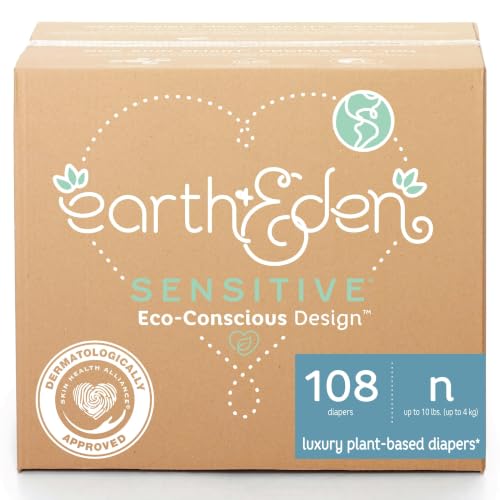
Earth & Eden Sensitive Baby Diapers
Strengths
- Cotton-enhanced layer
- Large count
- Breathable
- Clinically gentle
- No harsh chemicals
Trade-offs
- Tabs can loosen after multiple adjustments
- Sizing runs narrow
- Not fully plant-based
This is the diaper I’d recommend first to a new parent overwhelmed by choices. Earth & Eden strikes a near-perfect balance: clinically proven gentle, free of fragrance and latex, and backed by SFI-certified sourcing. The cotton-enhanced layer really does make a difference, owners repeatedly mention how soft these feel compared to other disposables, almost cloth-like.
With 108 diapers per pack and solid 12-hour leakage protection, it’s a practical choice for newborns without breaking the bank. The breathable outer cover and hypoallergenic liner help reduce moisture buildup, which matters when you’re changing 8+ times a day. Compared to Cuties, it’s softer and more eco-conscious; versus Freestyle, it’s more affordable and easier to find.
Video review
Freestyle BambooTek Diapers Size 3

Strengths
- Bamboo-based core
- Highly absorbent
- Non-toxic materials
- Soft inner liner
- Planet-friendly
Trade-offs
- Only 56 count per pack
- Sizing runs slightly small
- Higher cost per unit
Freestyle BambooTek stands out by leaning hard into both performance and planet-friendly design, and owners say it delivers. The BambooTek core is no gimmick; real parent feedback confirms it handles heavy wetters better than most plant-based competitors, even rivaling top disposables overnight. That kind of hyper-absorbency paired with non-toxic materials makes this a rare diaper that balances safety and practicality.
It helps that they’re ultra-soft and free from fragrances, latex, and chlorine, key for babies with reactive skin. And unlike some green diapers that sacrifice fit, these have stretchy sides and snug leg cuffs that actually prevent leaks. They’re also Net Zero Plastic Waste certified, which adds real credibility. On paper and in reviews, they punch above their price point.
Video review
Fasoar 6-Ply Cotton Cloth Diapers

Strengths
- 100% cotton
- Highly absorbent
- Reusable long-term
- Chemical-free
- Multi-use
Trade-offs
- Requires laundry effort
- No fasteners included
- Bulkier under clothes
For families committed to eliminating disposables, Fasoar’s 6-ply cotton prefolds are a workhorse solution. Made from 100% cotton gauze, they’re chemical-free and durable enough to survive years of washing, owners report using the same set through multiple kids. The extra middle layers boost absorbency where it counts, and because they’re lint-free and tightly woven, they resist pilling and stay effective over time.
They’re not fancy, no snaps, no pockets, but that’s the point. You control the fit with pins or covers, and they double as burp cloths or inserts. Compared to synthetic cloth diapers, these breathe better and cause fewer rashes. But they demand effort: pre-washing, frequent laundering, and drying space. If you’re serious about reducing waste and avoiding chemicals, this is a solid foundation.
Product photos


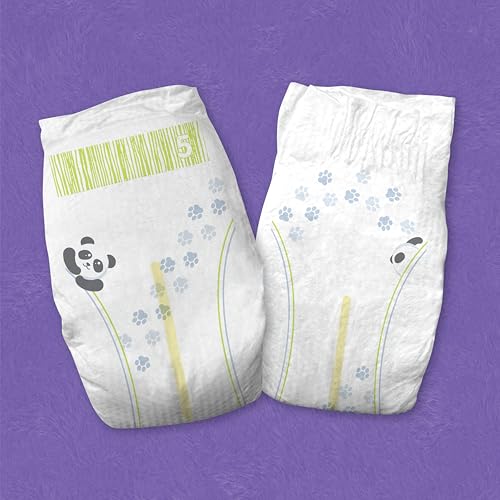
Cuties Skin Smart Diapers Size 5

Strengths
- Hypoallergenic
- Wetness indicator
- 12-hour protection
- Free of dyes and lotions
- Secure tabs
Trade-offs
- Not eco-certified
- Plastic-heavy backing
- Average breathability
If you’re stocking up on reliable, skin-friendly diapers for a toddler who’s hard on gear, Cuties Skin Smart checks several important boxes. The hypoallergenic claim isn’t just marketing fluff, parents consistently report fewer rashes and redness, especially in kids prone to sensitivities. With a wetness indicator that actually works and 12-hour absorbency, these hold up well overnight or during long outings, which matters when you’re juggling schedules.
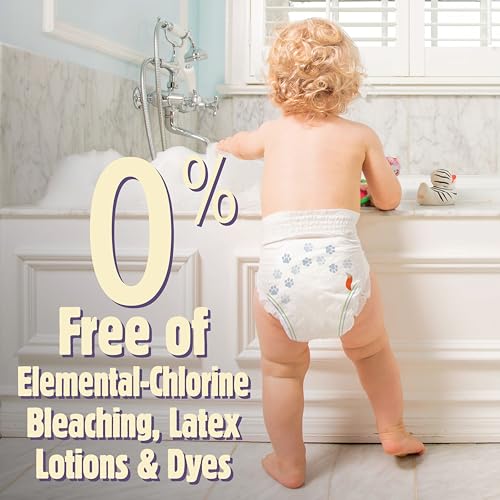
They don’t use chlorine bleaching or add lotions and dyes, so they’re cleaner than many mainstream brands. That said, they’re not as eco-focused as some premium options, no plant-based materials or sustainability certifications here. But if your priority is bulk performance without irritating delicate skin, this is one of the smarter picks in the mid-tier price range. I’d pick these over basic store brands any day for a sensitive toddler.
Product photos


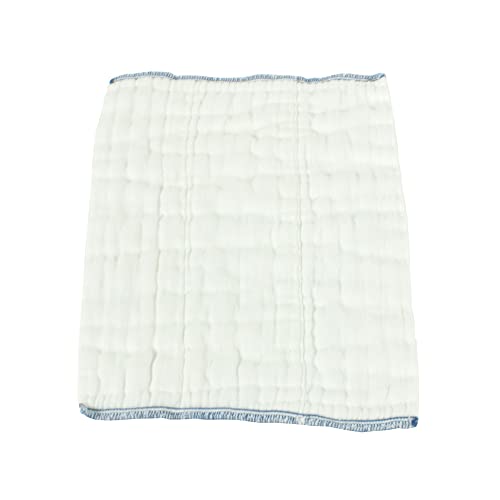
OsoCozy Infant Prefold Cloth Diapers

Strengths
- 100% cotton
- Excellent value
- Long-lasting
- Ammonia-resistant
- True multi-size fit
Trade-offs
- No built-in fasteners
- Requires learning curve
- Bulkier than fitted diapers
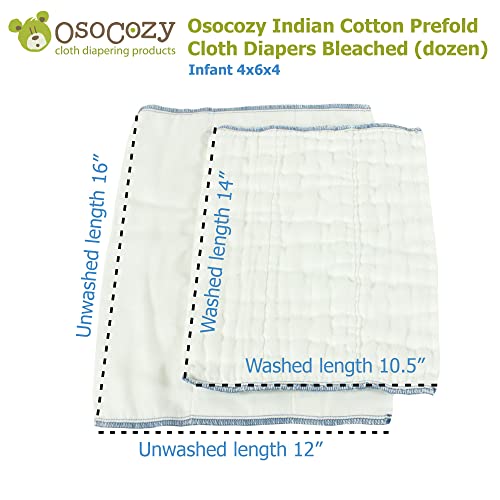
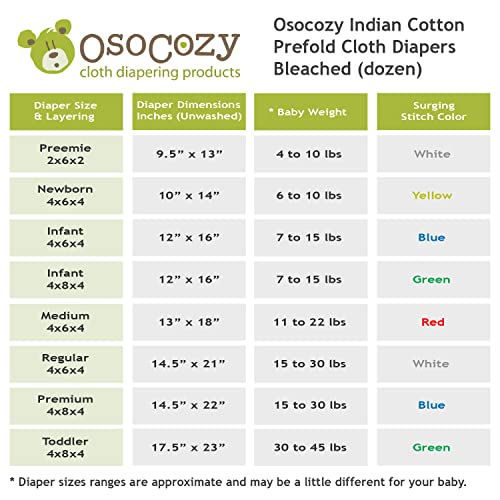
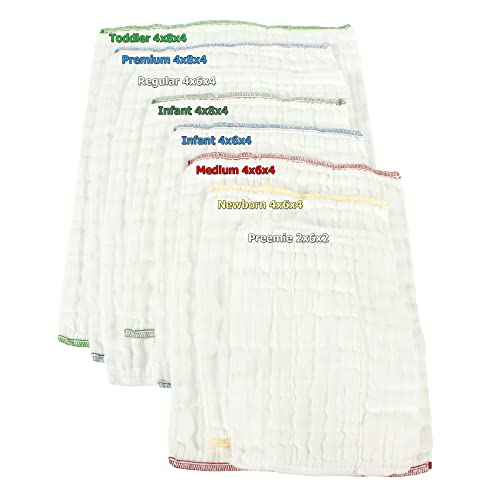
OsoCozy hits a sweet spot in the cloth diaper world: affordable, durable, and made entirely of 100% cotton, no poly-rayon fillers that degrade or trap odors. At just over $20 for a dozen, these offer incredible value, especially since they last through multiple children when cared for properly. The 4x6x4 layer design means serious absorbency without sacrificing softness.
Owners love how well they hold up after repeated washing, and many specifically compare them to Gerber prefolds, then choose OsoCozy for better thickness and consistency. They require folding and fasteners, so they’re not “easy” in the modern pocket-diaper sense, but if you want diaper service quality at home, this is how it’s done.
Product photos

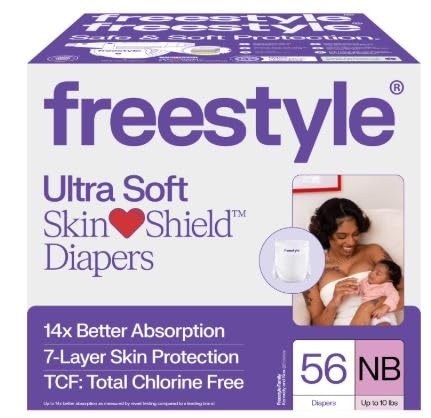
Free~Style TCF Newborn Diapers
Strengths
- Totally chlorine free
- Ultra-soft material
- Snug leak-resistant fit
- Gentle on newborns
- Breathable
Trade-offs
- Limited availability
- Fewer diapers per pack
- Pricier than average
Newborns need softness and reliability above all, and Free~Style’s TCF (Totally Chlorine Free) version delivers on both. The ultra-soft fabric earns consistent praise from parents who’ve battled raw skin in the early weeks. Since they’re designed for babies up to 10 pounds, the fit stays snug without digging in, critical when dealing with fragile newborn tissue.
The hyper-absorbent core locks in moisture quickly, and reviewers note fewer blowouts thanks to the flexible leg cuffs and secure tabs. Being TCF-constructed means no toxic residues from bleaching, which gives peace of mind beyond basic hypoallergenic claims. It’s more expensive than Earth & Eden, but for fragile newborn skin, I’d lean toward this one despite the higher cost per diaper.
Product photos
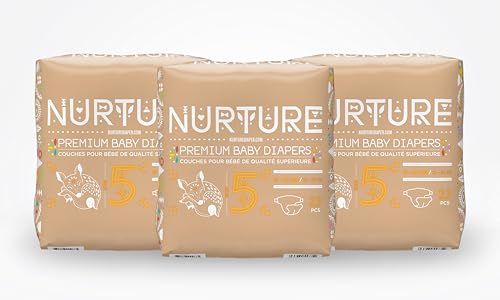
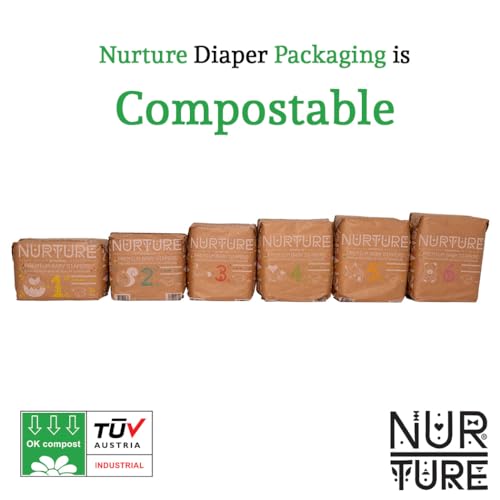
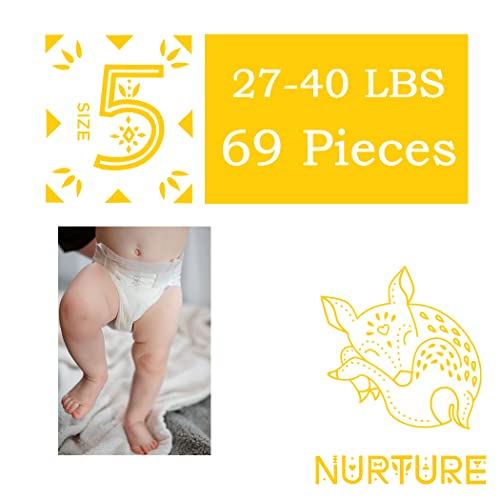
Nurture Diapers by BioBag Size 5

Strengths
- Wind-powered production
- Chemical-free
- Breathable materials
- Hypoallergenic
- Eco-certified
Trade-offs
- No wetness indicator
- Smaller pack size
- Premium price
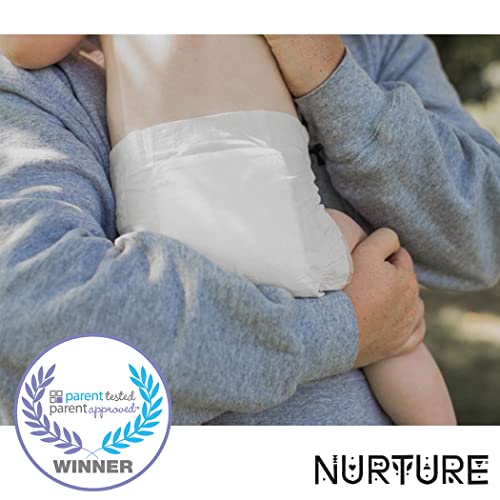
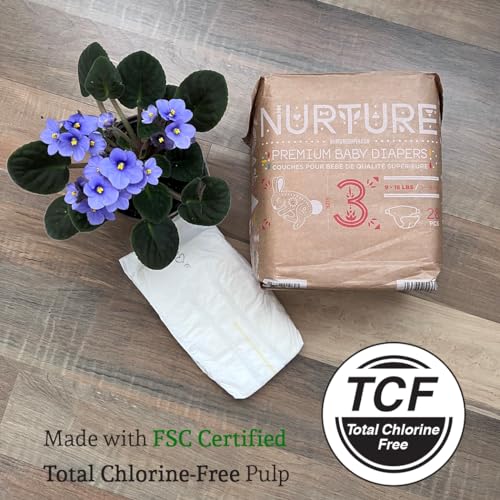
Nurture by BioBag feels like the gold standard for premium eco-diapers, expensive, yes, but built around real ethical choices. These are made in a 100% wind-powered facility in Denmark, which isn’t something every brand can claim. Owners appreciate the chemical-free construction and how breathable the materials feel, noting fewer heat rashes even in warmer climates.
The hypoallergenic and ultra-absorbent design holds up well for daytime use, though some say they’d double up at night for heavy wetters. They lack a wetness indicator, which is a trade-off, but the clean, minimalist design, no inks, no dyes, makes them ideal for ultra-sensitive skin. Compared to Earth & Eden, they’re pricier and less widely available, but more planet-forward.
Product photos
How We Evaluated quality diapers
As the creator of NurseryDreamer.com, I understand the sheer number of diaper choices can be daunting for parents. My approach to identifying quality diapers wasn’t about lengthy personal use – rather, it was a research-led comparison of published specifications, features, and, crucially, what parents are actually saying about these products. I weighed owner reviews from multiple retailers alongside assessments from parenting publications, looking for consistent themes in performance and satisfaction.
For quality diapers, absorbency, skin sensitivity, and fit are paramount. A diaper can boast impressive specs, but if parents consistently report leaks or irritation, it’s a problem. I prioritized diapers demonstrating a commitment to gentle materials and a secure, comfortable design. Eco-friendliness also played a role, but only after ensuring core performance wasn’t compromised. You can find more information about environmentally conscious choices in our guide to the best organic diapers.
Specifications are useful for understanding a diaper’s construction – core materials, layer count, and stated absorbency rates – but real-world performance often hinges on factors specs can’t capture. Owner feedback provides insight into how a diaper holds up during overnight use, how it feels against sensitive skin, and whether the sizing is accurate. Reputational factors and brand transparency also heavily influenced my assessment, particularly when considering the safest clean diapers.
How To Pick The Right quality diapers
Choosing the right diapers feels huge, doesn’t it? It’s one of the first big decisions you make as a new parent, and there are so many options.
A truly good diaper balances absorbency with gentle materials, a reliable leakproof design, and a comfortable fit. Parents should prioritize diapers free from harsh chemicals, with a focus on breathability to minimize skin irritation. Consider the diaper’s environmental impact and whether disposable or reusable options align with family values.
Absorbency and Leak Protection
Let’s be real: absorbency is paramount. No one wants constant leaks. While all diapers claim to be absorbent, the materials and construction make a huge difference. Bamboo-based diapers, like the Freestyle BambooTek, often get high marks from parents for their capacity, but even traditional materials can perform well with clever layering. Look closely at customer reviews mentioning overnight use – that’s a real test. Don’t assume a higher price automatically equals better performance; sometimes, thoughtful design in a more affordable diaper can deliver comparable results.
Material and Sensitivity
Many parents, understandably, seek options that minimize exposure to potentially irritating chemicals. This is where you’ll encounter terms like “hypoallergenic,” “chlorine-free,” and “fragrance-free.” While these are good starting points, dig a little deeper. Look for diapers specifically dermatologically tested, like the Cuties Skin Smart diapers, which signals a higher level of scrutiny.
Here’s how to think through materials: * Disposable: Focus on TCF (Totally Chlorine Free) options. * Reusable: 100% cotton prefolds (like those from Fasoar) are a great chemical-free base, but require separate covers. * Hybrid: Some brands offer a reusable shell with disposable inserts – a middle ground to explore.
Ultimately, the best material depends on your baby’s skin and your priorities. If you’re concerned about sensitivities, exploring safe nontoxic diapers is a smart move.
Value and Convenience
Diapers represent a significant ongoing expense. It’s easy to get caught up in the allure of premium brands, but there are excellent value options available. For example, the Earth & Eden diapers offer a good balance of features and affordability, earning them a reputation as a solid all-around choice.
A good rule of thumb? Don’t overbuy any single size. Babies grow quickly, and you don’t want to be stuck with boxes of diapers they’ve outgrown.
Consider whether convenience is a priority. Disposable diapers are, obviously, the most convenient option. Cloth diapers, while eco-friendly and potentially cost-saving in the long run, require a significant time commitment for washing and maintenance. If you’re considering disposable diapers, you might find our guide to the best disposable diapers helpful as you compare features and prices across recommended disposable diaper brands.
Quality Diapers Compared
Here’s a comparison of key specifications for various quality diapers to help you make an informed decision.
| Product Title | Size | Absorbency | Material | Hypoallergenic | Chemical Free | Wetness Indicator |
|---|---|---|---|---|---|---|
| Earth & Eden Sensitive Baby Diapers | N/A | 12 Hours | Cotton Enhanced | Yes | Yes | N/A |
| Freestyle BambooTek Diapers Size 3 | Size 3 | Superior | BambooTek | Yes | Yes | N/A |
| Fasoar 6-Ply Cotton Cloth Diapers | N/A | High | 100% Cotton | Yes | Yes | N/A |
| Cuties Skin Smart Diapers Size 5 | Size 5 | 12 Hours | N/A | Yes | Yes | Yes |
| OsoCozy Infant Prefold Cloth Diapers | N/A | High | 100% Cotton | N/A | Yes | N/A |
| Free~Style TCF Newborn Diapers | Newborn | Advanced | TCF | Yes | Yes | N/A |
| Nurture Diapers by BioBag Size 5 | Size 5 | High | N/A | Yes | N/A | N/A |
Frequently Asked Questions
What diaper size should I buy for a newborn?
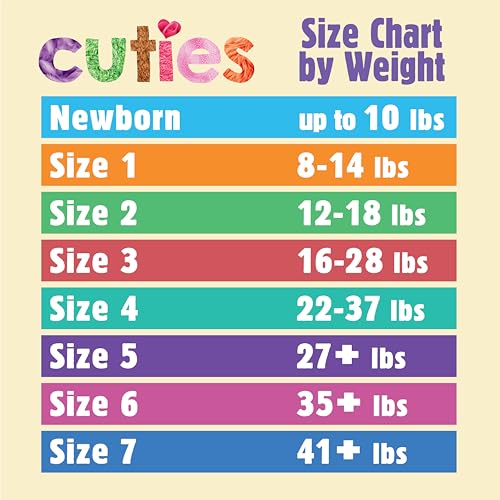
Newborn size diapers are often too small; many babies quickly outgrow them, so starting with size 1 is often a better approach. However, check your baby’s weight and refer to the manufacturer’s size chart for the most accurate fit.
Are cloth diapers really more economical long-term?
While the initial investment is higher, cloth diapers can save money over time, especially if you plan to use them for multiple children. The cost savings depend on factors like washing machine efficiency and the brand of cloth diapers chosen.
What does “TCF” mean when looking at disposable diapers?
TCF stands for Totally Chlorine Free, meaning the diapers are processed without chlorine bleaching. This is preferable for parents seeking to minimize potential irritants and environmental impact, and you can find more information about best eco-friendly diapers.
How often should I be changing my baby’s diaper?
You should change a wet diaper after each bowel movement and at least every two to three hours. Frequent changes help prevent diaper rash and keep your baby comfortable.
Where can I find affordable, yet reliable, diaper options?
While premium brands are popular, there are surprisingly effective best bargain diapers available that won’t break the bank. Focusing on essential features, absorbency and fit, can help you find a quality diaper at a lower price point.
The Bottom Line
Choosing diapers often feels like balancing your desire for the best possible protection and gentleness with practical concerns like budget and convenience. Ultimately, the Earth & Eden Sensitive Baby Diapers consistently receive positive feedback for offering a reliable combination of absorbency, skin-friendly materials, and reasonable pricing, making them a strong all-around choice for many families.
If you’re specifically seeking alternatives, the Freestyle BambooTek Diapers are a standout for superior absorbency, particularly for nighttime use, while those committed to a sustainable approach will find the Fasoar 6-Ply Cotton Cloth Diapers and other best reusable diapers to be a worthwhile investment. For parents prioritizing sensitivity and a focus on chemical-free options, the Cuties Skin Smart Diapers are a good option to explore, and you may also want to check out our guide to recommended natural diaper brands.
At the end of the day, the “best” diaper is the one that works best for your baby. Don’t get too hung up on individual specs or marketing claims. Focus on finding a diaper that fits well, doesn’t cause irritation, and keeps your little one dry and comfortable – those fundamentals are far more important than any single feature.
