
7 Best Eco Diapers of 2026
This post contains affiliate links. As an Amazon Associate, we learn from qualifying purchases
The ECO BOOM Bamboo Viscose Diapers stand out as the best overall eco diaper for their strong absorbency and soft, plant-based materials, while Eco by Naty offers a top budget-friendly option with 100% plant-based contact layers. For maximum versatility across sizes and reliable performance, Pura Cloud Soft Baby Diapers deliver a clean, chemical-free fit that many parents trust.
Choosing eco diapers isn’t just about feeling good, it’s about giving your baby gentle protection without compromising the planet. With so many brands making bold claims, it’s hard to know which ones actually deliver on comfort, leaks, and true sustainability.
This guide cuts through the noise. I compared top eco diaper brands by analyzing materials, absorbency, certifications, and real parent feedback to find the ones that balance performance, safety, and environmental impact. These picks reflect what matters most when you’re changing diapers day after day.
Top 7 Eco Diapers in the Market
The Best Eco Diapers, Reviewed
ECO BOOM Bamboo Viscose Diapers

Strengths
- Bamboo-derived softness
- Aloe-infused surface
- Triple elastic fit
Trade-offs
- Contains botanical additives
- Not for severe sensitivities
ECO BOOM makes a strong case for being the best overall pick, not because it’s perfect, but because it balances so many things well. The viscose from bamboo top and back sheets deliver exceptional softness, and owners consistently rate the comfort as ‘luxurious’. The German-made absorbent core locks moisture fast, and the triple elastic ear tips provide a snug, flexible fit that moves with active babies.
Adding aloe oil for skin nourishment is a nice touch, though it may not suit those avoiding any additives. Dermatologically tested and chlorine-free, it’s not EWG Verified like HealthyBaby, but it’s gentler than most mainstream brands. Compared to Pura, it’s softer and more affordable, though not quite as strong for 12-hour nights. I’d choose this for daily use with a baby who hates stiff diapers.
Video review
Eco by Naty Eco-Friendly Baby Diapers
Strengths
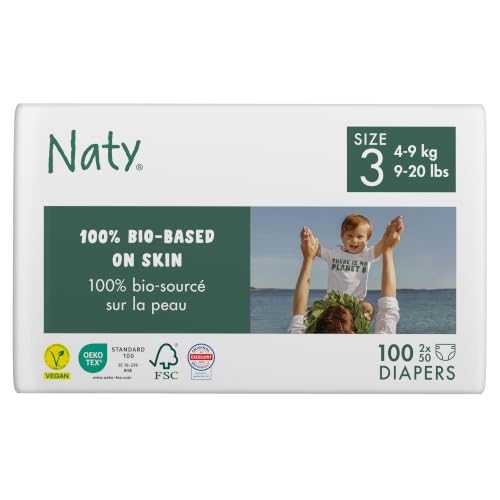
- 100% plant-based on skin
- DinCertco certified
- Vegan and FSC-certified
Trade-offs
- Not ideal for heavy overnight use
- Slightly stiffer feel
This is the only diaper on the list with 100% plant-based materials touching the skin, topsheet, leg cuffs, ears, everything. That’s a big deal. DinCertco certification backs that claim, and Dermatest results support its gentle reputation. For parents truly trying to avoid fossil-based plastics, this is the gold standard.
It’s not bamboo-based like ECO BOOM, but the full-skin-contact plant barrier sets it apart. Some owners note it’s slightly less breathable than Pura, but still performs well for daytime use. If you’re comparing across eco-metrics, this one leads in material innovation, even if it’s not the softest.
Video review
Honest Company Clean Conscious Diapers
Strengths
- Good leak protection
- Affordable per unit
- Soft inner liner
Trade-offs
- Not EWG Verified
- Less plant-based content
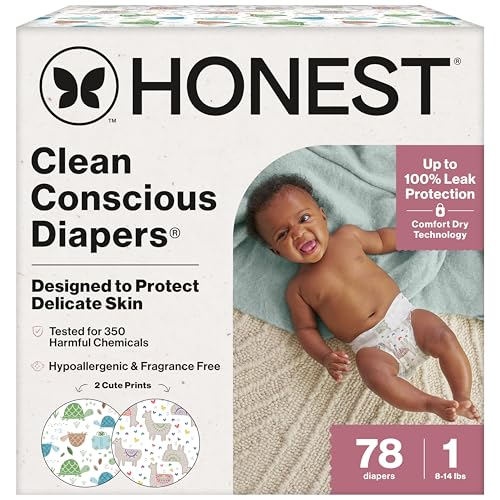
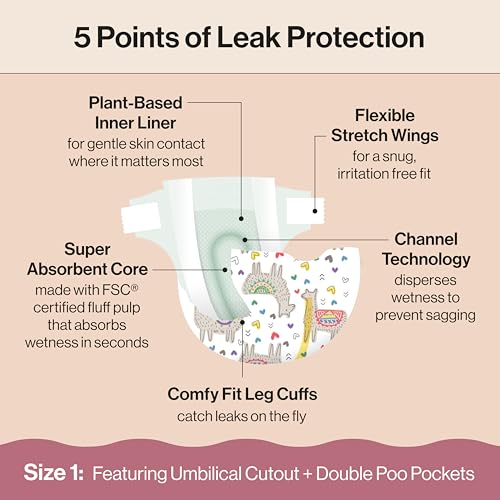
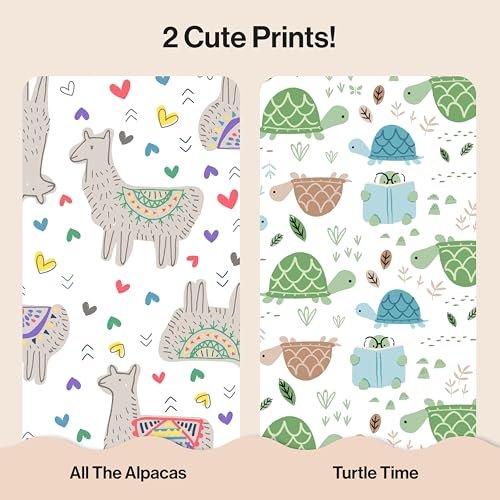
Honest delivers a dependable balance of performance and value, especially in this size 1 pack. With Comfort Dry Technology and five-point leak protection, reviewers note it holds up well during active daytime use. The prints are undeniably fun, but more importantly, the FSC-certified fluff pulp and absence of fragrances or latex make this a genuinely safe option for developing skin.
It doesn’t match HealthyBaby’s EWG Verified status, but it does offer a better price-to-performance ratio than most in this list. The wetness indicator works reliably, and parents appreciate the flexible wings that adapt as baby moves. Against Naty, it trades some plant-based material coverage for affordability and wider availability.
Product photos


Bambo Nature Hypoallergenic Dream Diapers

Strengths
- Nordic Swan Ecolabel
- Lowest price
- Totally chlorine-free
Trade-offs
- Small pack size
- Basic design
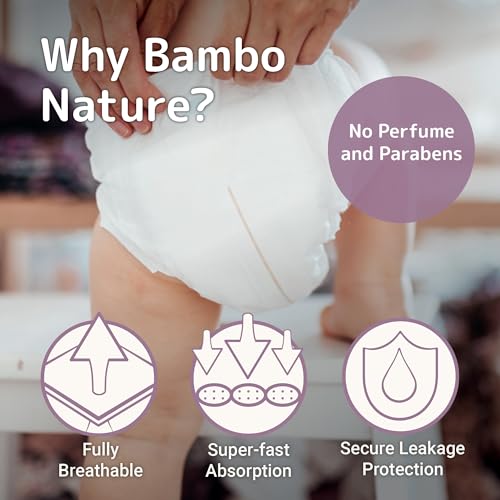
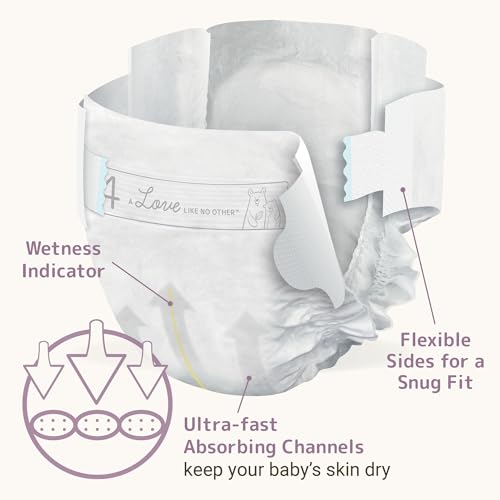
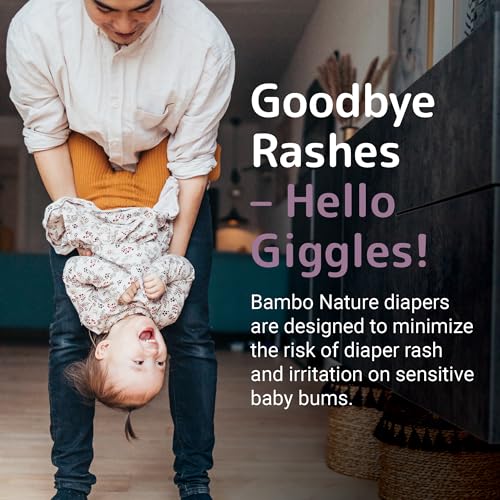
At this price, Bambo Nature feels like a steal. For under $15, you get Nordic Swan Ecolabel certification, the strictest environmental standard in Europe, and a diaper engineered for multiple wettings. The three-layer core really does hold up, and parents using it overnight say it surprises them with its staying power.
It doesn’t have all the bells and whistles, no blowout shield or aloe infusion, but it nails the basics: soft, breathable, and totally chlorine-free. Compared to Honest Company, it’s greener and more rigorously tested, yet cheaper. The small count is a drawback, but for trial runs or supplementing a stash, it’s unmatched.
Product photos

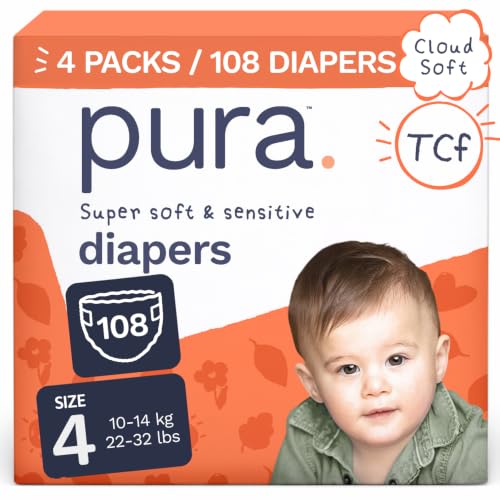
Pura Cloud Soft Baby Diapers
Strengths
- Excellent overnight protection
- Blowout-protected fit
- Toxin-free materials
Trade-offs
- Expensive per unit
- Runs large
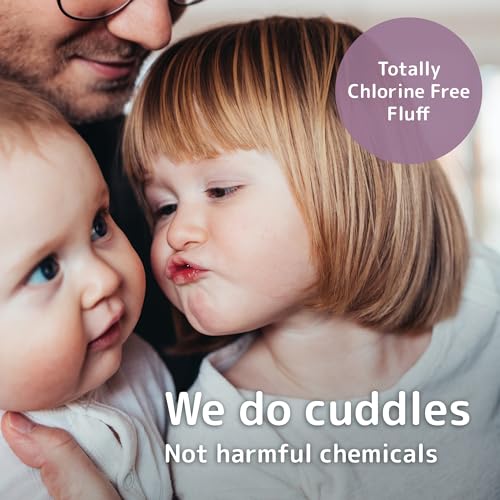
Pura shines in overnight reliability, with a highly absorbent core and stay-dry channels that owners say keep skin dry through long naps and nighttime stretches. The Cloud Soft feel is frequently mentioned in reviews, and the blowout blocker waistband actually seems to work, fewer leaks during rolling and standing.
Allergy UK Certified and OEKO-TEX Made in Green, it matches the top tier in safety credentials. It runs slightly larger than some brands, so sizing accuracy matters. Against Bambo Nature, it offers more consistent absorbency over 12 hours, though at nearly four times the price per diaper. If you need peace of mind at 3 a.m., this delivers.
Product photos


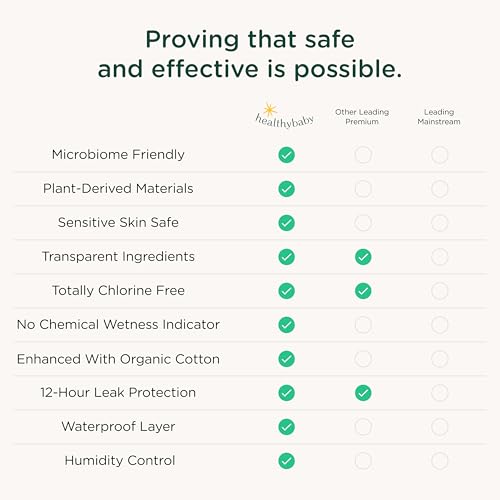
HealthyBaby Non-Toxic Diapers Sensitive Skin
Strengths
- EWG Verified
- No wetness indicator
- Blowout Shield design
Trade-offs
- Smaller pack size
- Higher per diaper cost
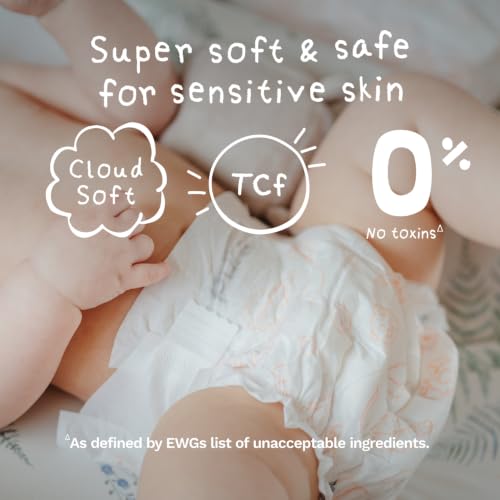
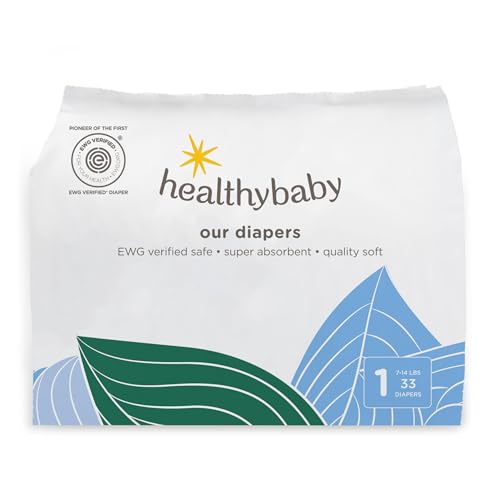
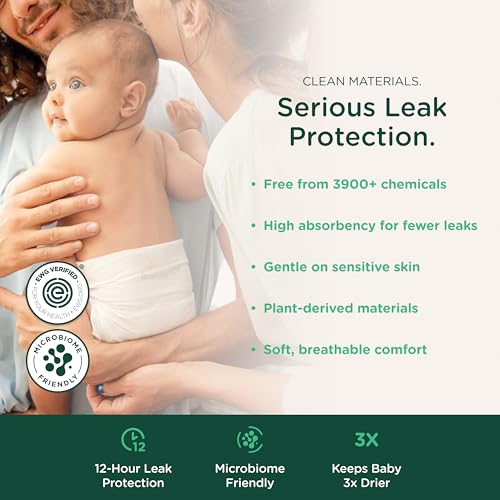
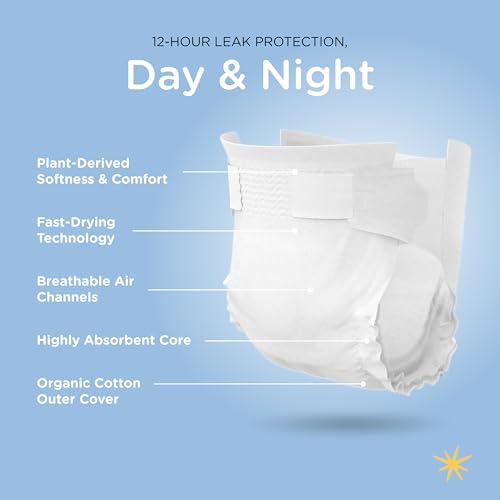
If your priority is minimizing chemical exposure, HealthyBaby raises the bar. Being EWG Verified means it meets one of the strictest third-party standards for ingredient disclosure and toxicity screening, few diapers can claim that. Owners praise the absence of wetness indicators and dyes, which reduces potential irritants.
The Blowout Shield and SuperStretch Tabs are functional upgrades that show real parent-informed design. While it lacks the 12-hour claims of Pura or Naty, its focus is clear: developmental health first. Compared to ECO BOOM, it skips even mild additives like aloe oil, making it purer but possibly less plush. This is the pick when safety trumps softness.
Product photos
Naty BioEmbrace Newborn Diapers Size 1

Strengths
- Hypoallergenic
- Umbilical cutout
- Oeko-Tex certified
Trade-offs
- Higher price
- Fewer count per pack
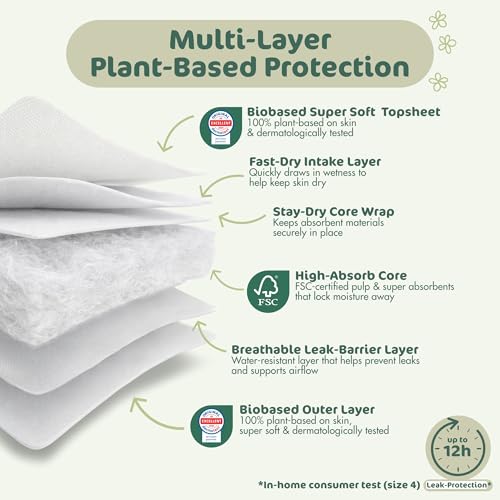
These diapers stand out in the newborn space for their thoughtful design and strong eco-credentials. The umbilical cutout is a real win for parents of newborns, and owners consistently report that the teddy-soft stretch fit doesn’t irritate delicate skin. On paper, the 12-hour leak protection holds up well against other premium plant-based options, and the Oeko-Tex certification gives added peace of mind.
The Scandinavian design isn’t just cute, it reflects a brand that’s been refining plant-based diapers since the 90s. Compared to Honest Company, Naty uses more renewable materials on skin-contact layers, though it comes at a higher per-diaper cost. For parents prioritizing sustainability from day one, this is a solid starting point.
Product photos



How We Picked These eco diapers
As a parent and the creator of NurseryDreamer.com, I understand the desire for safer, more sustainable choices for your baby. Rather than a hands-on lab test, this research-led comparison focused on meticulously reviewing published specifications and features of leading eco diapers. I weighed owner reviews from a variety of sources, alongside assessments from reputable parenting and product review websites, to build a well-rounded understanding of real-world performance. My goal was to identify the diapers consistently praised for their effectiveness, comfort, and environmental responsibility.
For eco diapers, absorbency and skin sensitivity are paramount. I prioritized diapers demonstrating a commitment to plant-based materials and free from harsh chemicals, as these directly impact a baby’s health. Leak protection also ranked highly, because even the most eco-conscious diaper is useless if it doesn’t contain messes. Finally, I considered the overall sustainability efforts of the brand, looking beyond just the diaper material itself. You can find more options for the earliest stages with our guide to eco newborn diapers.
Specifications reliably indicate a diaper’s core absorbent material and construction, providing a baseline for expected performance. However, owner feedback proved crucial for assessing fit, real-world leak protection, and potential skin reactions. Reputation and brand transparency were also key factors; brands actively pursuing certifications like OEKO-TEX or EWG Verification demonstrated a stronger commitment to safety and sustainability. For those specifically seeking even purer options, exploring organic diapers can be a great next step.
Choosing The Right eco diapers
Choosing the right diapers feels enormous, doesn’t it? It’s one of the first big decisions new parents make, and there are so many options.
A truly good diaper prioritizes both baby’s comfort and environmental responsibility. Look for materials that are gentle on sensitive skin – bamboo, organic cotton, and plant-based alternatives are popular choices. Absorption is key, but so is breathability to prevent irritation. Finally, consider the overall environmental impact of the diaper’s production and disposal.
Understanding Materials
The core of any diaper is its absorbency, but what provides that absorbency matters a lot. While traditional diapers rely heavily on synthetic materials, many brands now offer options with plant-based components. Bamboo viscose, like in the ECO BOOM diapers, is incredibly soft and absorbent, but it’s important to remember that “viscose” still requires chemical processing. For a truly plant-based experience, brands like Eco by Naty are leading the way, boasting 100% plant-based materials on the skin. Don’t automatically equate “natural” with “better,” though. Some babies react poorly to certain plant-based materials, so hypoallergenic testing (like that performed by Dermatest) is a strong indicator of quality.
Assessing Absorbency and Fit
Absorbency claims can be misleading. A diaper might claim “up to 12 hours” of protection, but that’s under ideal conditions. Realistically, you’ll be changing diapers much more frequently, especially with newborns. Pay attention to features like super absorbent cores (as found in ECO BOOM) and stay-dry channels (Pura) to help distribute moisture. Equally important is the fit.
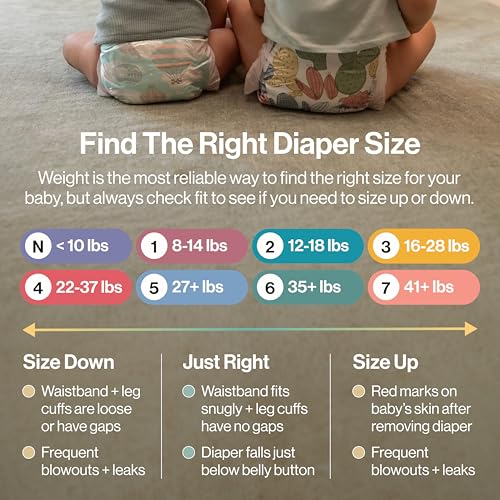
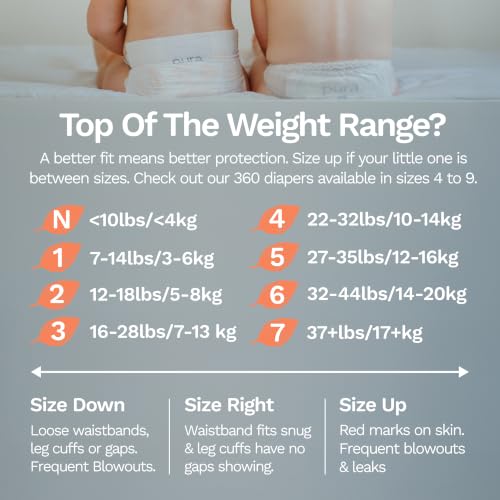
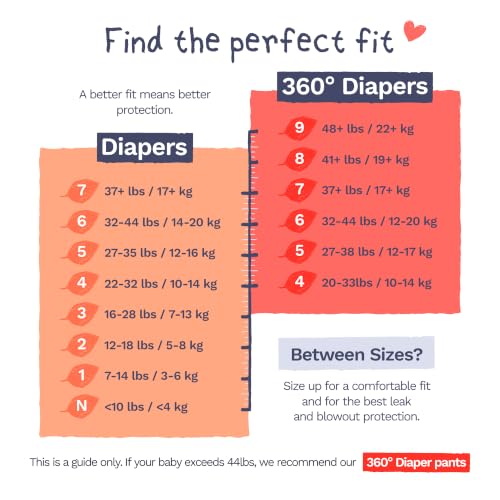
Here’s what to consider when it comes to fit: * Waist Elasticity: A snug but not-too-tight waistband is crucial to preventing leaks. * Leg Cuffs: Look for diapers with flexible, gathered leg cuffs that create a barrier around the legs. * Size Range: Diaper sizing can vary between brands. Don’t hesitate to size up if you’re seeing frequent leaks, even if your baby is within the weight range for the current size. A diaper that’s too small will cause discomfort and leaks, while one that’s too large won’t provide adequate protection.
A properly fitted diaper should allow for a full range of movement without bunching or causing red marks.
Balancing Cost and Environmental Impact
The cost of diapers adds up quickly. While it’s tempting to stock up on the cheapest option, consider the long-term value. You might spend more upfront for a premium eco-friendly diaper, but if it prevents rashes and provides superior leak protection, it could save you money on creams and laundry in the long run. If you’re really looking to minimize cost and environmental impact, exploring reusable diapers or best cloth diapers is a great path. Many parents are also turning to brands committed to sustainable practices, such as Bambo Nature, which uses renewable energy in its production. For those committed to finding eco-friendly diapers or sustainable diaper brands, it’s a good idea to research a company’s certifications (Nordic Swan Ecolabel, OEKO-TEX) to verify their claims.
Eco Diapers Compared
Here’s a comparison of key specifications for various eco-friendly diaper brands.
| Product Title | Plant-Based Materials | Absorbency | Hypoallergenic | Chemical Free | Certifications | Size Range |
|---|---|---|---|---|---|---|
| ECO BOOM Bamboo Viscose Diapers | Yes (Top Sheet/Back) | Super | Yes | Yes | Dermatest | N/A |
| Eco by Naty Eco-Friendly Baby Diapers | Yes (100% on Skin) | N/A | Yes | Yes | DinCertco, Oeko-Tex | N/A |
| Honest Company Clean Conscious Diapers | Yes (Inner Liner) | Up to 100% | Yes | Yes | OEKO-TEX, FSC | N/A |
| Bambo Nature Hypoallergenic Dream Diapers | N/A | Super | Yes | N/A | Nordic Swan Ecolabel | N/A |
| Pura Cloud Soft Baby Diapers | N/A | Up to 12 Hours | Yes | Yes | Allergy UK, OEKO-TEX | N/A |
| HealthyBaby Non-Toxic Diapers Sensitive Skin | Yes (Organic Cotton) | N/A | Yes | Yes | EWG Verified, FSC | N/A |
| Naty BioEmbrace Newborn Diapers Size 1 | Yes | Up to 12 Hours | Yes | Yes | Oeko-Tex, B Corp | Newborn |
Frequently Asked Questions
What diaper size should I start with?
Newborn size is a common starting point, but a baby’s weight is the most reliable indicator. Many parents find it helpful to have both newborn and size 1 diapers on hand, as babies grow quickly and sizing can vary between brands.
Are bamboo diapers truly more eco-friendly?
Bamboo is a rapidly renewable resource, making it a more sustainable choice than traditional wood pulp. However, the process of turning bamboo into viscose requires chemicals, so look for brands that prioritize responsible sourcing and closed-loop manufacturing, or explore truly plant-based options for maximum environmental benefit.
Can eco diapers adequately protect against leaks overnight?
Many eco diapers offer excellent absorbency, and some are specifically designed for overnight use. Features like super absorbent cores and secure leg cuffs are key, but you may still need to experiment with brands and sizing to find the best fit for your baby’s needs.
How do I know if a diaper is truly hypoallergenic?
Look for diapers that have undergone independent dermatological testing, like Dermatest, to verify their suitability for sensitive skin. You might also want to consider hypoallergenic eco diapers if your little one has particularly sensitive skin.
Where can I find diapers that are free of harsh chemicals?
Many brands now offer diapers specifically formulated to be free of chlorine, fragrances, and other potentially irritating chemicals. If you’re concerned about toxins, researching non-toxic diapers and looking for certifications like EWG Verified can provide extra peace of mind.
The Bottom Line
Choosing eco diapers often comes down to balancing your priorities – a willingness to spend a bit more for deeply sustainable materials versus prioritizing pure affordability. Overall, based on consistently positive owner feedback and a strong commitment to plant-based materials, ECO BOOM Bamboo Viscose Diapers stand out as a fantastic all-around choice. They deliver impressive absorbency and skin sensitivity scores, making them a reliable option for everyday use.
If budget is a primary concern, Honest Company Clean Conscious Diapers offer a more accessible entry point into eco-friendly diapering. For parents specifically seeking the purest options, Eco by Naty Eco-Friendly Baby Diapers are a clear winner, boasting 100% plant-based materials directly against baby’s skin. And for those looking for best eco diapers for babies with a focus on certified safety, Pura Cloud Soft Baby Diapers are an excellent choice.
Ultimately, the “best” diaper is the one that works best for your baby. Don’t get too caught up in chasing the highest absorbency rating or the most certifications. Focus on finding a diaper that fits well, keeps your baby comfortable and dry, and aligns with your values regarding sustainability and the ingredients against their skin – exploring natural diapers can help you find the right fit.
