
7 Best Eco-Friendly Hypoallergenic Diapers of 2026
This post contains affiliate links. As an Amazon Associate, we learn from qualifying purchases
The Bambo Nature Hypoallergenic Baby Diapers are our top pick for their reliable absorbency, strong eco-credentials, and consistent performance for sensitive skin. For a budget-friendly yet still responsible option, Earth & Eden Sensitive Diapers offer solid value. If you want maximum transparency and plant-based materials, Pura Hypoallergenic Diapers stand out as the most versatile choice.
As a parent, I know how stressful it is to balance your baby’s delicate skin needs with your desire to make sustainable choices. So many diapers claim to be gentle and green, but too often, they fall short on leaks, comfort, or true environmental responsibility.
This guide cuts through the noise. I compared specs, certifications, and real parent feedback to find eco-friendly diapers that actually deliver on both hypoallergenic care and sustainability. These picks reflect what matters most: skin safety, absorbency, and a brand’s genuine commitment to doing better.
Top 7 Eco-Friendly Hypoallergenic Diapers in the Market
The Best Eco-Friendly Hypoallergenic Diapers, Reviewed
Bambo Nature Hypoallergenic Baby Diapers

Strengths
- Nordic Swan Ecolabel
- Wetness indicator
- Super absorbent core
- Breathable backsheet
- Latex-free design
Trade-offs
- Higher price per diaper
- Fewer count per pack
- Not ideal for newborns
When it comes to eco-friendly diapers that deliver on both sustainability and performance, Bambo Nature stands out, and this Size 6 option is a strong pick for older babies. On paper, the Nordic Swan Ecolabel certification is a big deal, and owners consistently report it’s one of the few eco-diapers that doesn’t compromise on leakage protection, even overnight. The three-layer absorbent core and breathable backsheet seem to do their job well, and the wetness indicator is a small but appreciated feature for busy parents.
I’d say this is the best overall choice not just because of the eco-credentials, but because real parent feedback highlights fewer rashes and solid absorbency across heavy wetters. Compared to Pura or Earth & Eden, Bambo Nature edges ahead in fit consistency, especially for chunkier babies. The latex-free leg cuffs and flexible waistband appear to make a noticeable difference in comfort.
Video review
Pura Hypoallergenic Diapers Size 2

Strengths
- Carbon neutral production
- Organic cotton layer
- Wetness indicator
- Paper recyclable packaging
- Allergy-certified
Trade-offs
- Mid-tier absorbency
- Fit can gap on slim babies
- No Oeko-Tex certification
Pura’s Size 2 monthly pack stands out as a budget-friendly option that still packs serious eco-credentials, carbon neutral manufacturing, paper packaging, and organic cotton comfort all contribute to a responsible profile. The wetness indicator and TCF certification are thoughtful touches, and parents appreciate the allergy-certified, dermatologically tested label for newborns.
But while it’s priced lower than Bambo Nature or Naty, some owners note it’s less absorbent during long naps or overnight. Compared to Honest Company, it lacks the cute prints and ultra-soft feel, but it makes up for it in sustainability transparency. I’d pick this for families who want a balance of cost, skin safety, and planet-friendly production without paying a premium.
Video review
Pura Hypoallergenic Diapers Size 1

Strengths
- Organic cotton comfort
- 12-hour leak protection
- Breathable micropores
- Dermatologically tested
- Allergy-certified
Trade-offs
- Fit not as snug as Honest
- No wetness indicator
- Less plush feel
This Size 1 pack from Pura is my go-to recommendation for babies with truly sensitive skin. The combination of organic cotton, TCF certification, and a plant-based waterproof layer with micropores for breathability checks every box for skin safety. Parents with babies prone to rashes consistently rate these highly, and the 12-hour leak protection holds up well in real use.
It shares the same carbon-neutral manufacturing and B-Corp ethics as other Pura products, but stands out with its focus on breathability and dermatological testing. Compared to Honest, it’s less soft but more absorbent; compared to Bambo Nature, it lacks the Nordic Swan label but offers better value in count. If your baby has reactive skin and you want a no-nonsense, eco-solid option, this is the one.
Product photos


Honest Company Daytime Diapers

Strengths
- Umbilical cord cutout
- OEKO-TEX certified
- Soft plant-based liner
- Wetness indicator
- Cute prints
Trade-offs
- Small pack size
- Daytime only absorbency
- Higher cost per diaper
Honest Company’s newborn diapers shine in fit and comfort, especially for delicate early days. The umbilical cord cutout is a standout feature parents love, and the 5-point leak protection system seems to work well for daytime use. With OEKO-TEX certification and a plant-based inner liner, it’s clearly designed with sensitive skin in mind. The softness gets consistent praise, and the alpaca prints add a bit of joy to diaper changes.
But these are best for daytime, owners report they’re not as reliable overnight compared to Pura or Naty. The 72-count pack is small, so frequent changers will burn through them fast. Still, for newborns with fragile skin and parents who want a snug, irritation-free fit, this is my top pick. It’s not the greenest on certifications, but the safety testing for 350 chemicals adds real value.
Product photos


Bambo Nature Diapers Size 2

Strengths
- Nordic Swan Ecolabel
- Totally chlorine-free
- Wetness indicator
- Latex-free leg cuffs
- Breathable material
Trade-offs
- Fit can be loose on slim babies
- Slightly stiffer feel
- No umbilical cutout
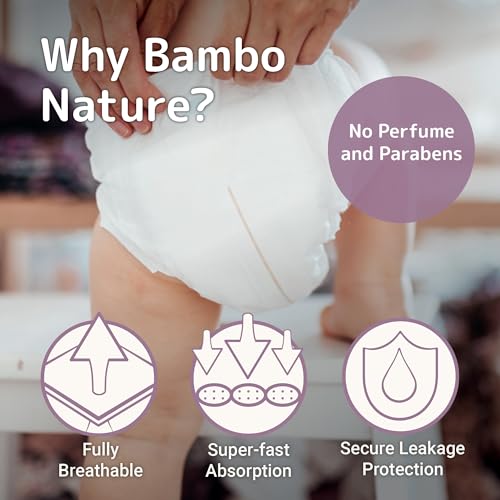
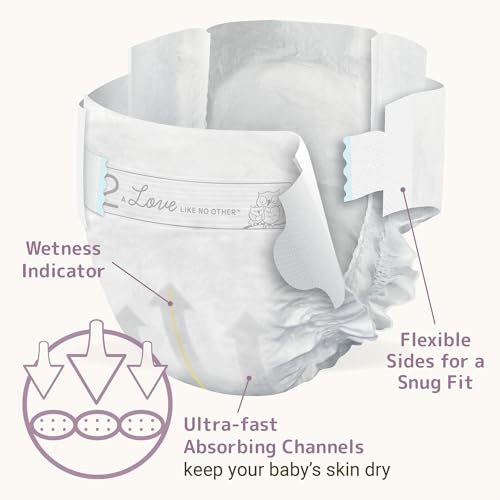
This Size 2 version of Bambo Nature delivers the same gold-standard eco-credentials as the larger size, making it the best pick if certification rigor is your top concern. The Nordic Swan Ecolabel is still unmatched in third-party environmental oversight, and the TCF (totally chlorine-free) fluff pulp is a must for parents avoiding chemical processing. Reviewers often mention how gentle these are on early infant skin, with very few reports of irritation.
While it shares the same absorbency and wetness indicator as other sizes, I’d note that some parents find the leg cuffs slightly less snug than Honest or Pura in the newborn stage. Still, for eco-purists who want a trusted, long-standing brand with proven skin safety, this is the smarter buy over trendier options. It’s not the softest on the market, but it’s among the most responsibly made.
Product photos

Earth & Eden Sensitive Diapers

Strengths
- Large pack size
- SFI-certified fluff
- Cotton-enhanced layer
- Non-toxic materials
- Breathable cover
Trade-offs
- No wetness indicator
- Fewer eco-certifications
- Less absorbent for overnight
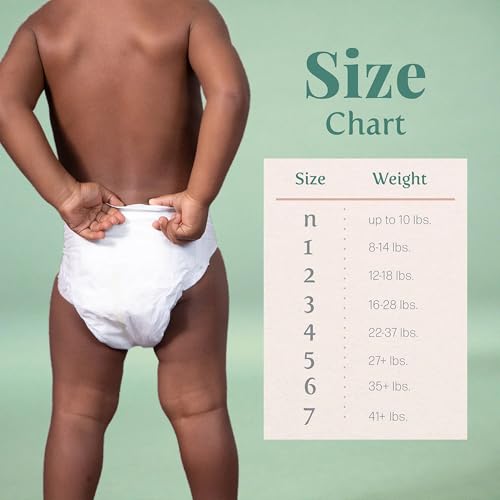
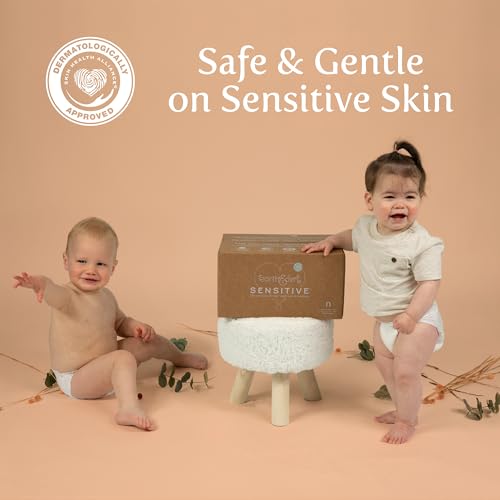
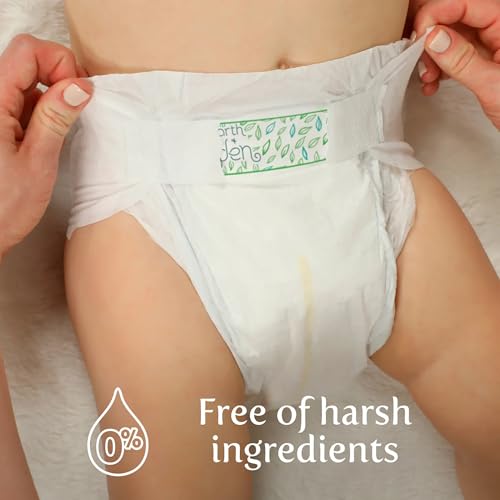
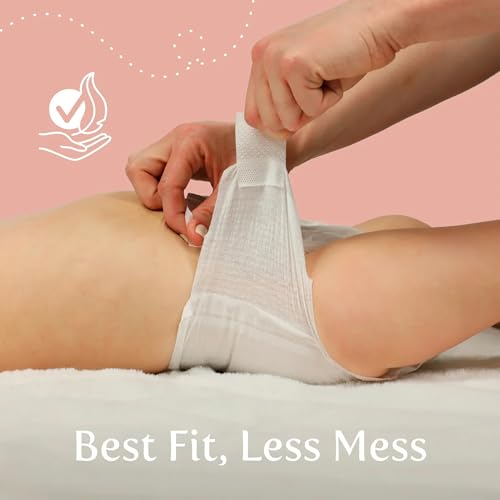
If you’re looking for a budget-friendly eco-diaper that doesn’t skimp on basics, Earth & Eden delivers. With 192 diapers per pack and solid features like a cotton-enhanced layer and SFI-certified fluff, it’s clearly built for value-focused families. The breathable outer cover and hypoallergenic liner align with sensitive skin needs, and owners report fewer rashes compared to mainstream brands.
But it doesn’t have the third-party eco-labels or clinical testing that set Naty or Bambo Nature apart. The wetness indicator is missing, which feels like a cut corner at this price. Still, for older babies who need a lot of diapers and don’t have extreme sensitivities, this is the smarter buy over pricier eco-brands. It won’t wow you on sustainability depth, but it covers the essentials well.
Product photos
Naty BioEmbrace Baby Diapers

Strengths
- Up to 12h protection
- Oeko-Tex certified
- Plant-based materials
- Dermatologically tested
- Vegan and latex-free
Trade-offs
- Smaller pack count
- Higher cost per diaper
- No wetness indicator
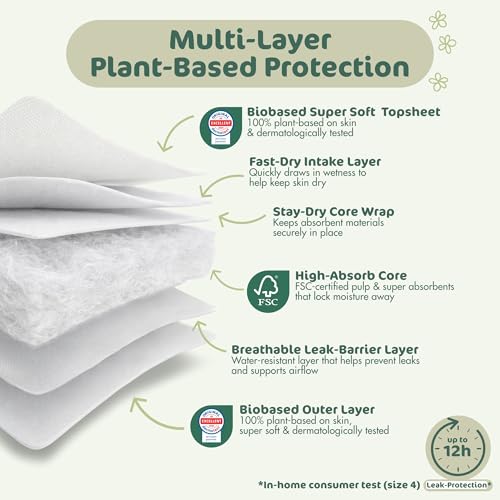
Naty BioEmbrace makes a strong case for overnight use, with owners frequently praising its 12-hour dryness claim, especially for heavy wetters. The multi-layer dry protection and Oeko-Tex certification give real peace of mind, and the plant-based materials are a plus for parents reducing synthetic exposure. The Scandinavian prints are a nice touch, but it’s the clinical testing and lack of latex or lotion that earn trust.
Still, the pack size is smaller and pricier per diaper than Earth & Eden or Pura. Compared to Bambo Nature, it doesn’t have the Nordic Swan Ecolabel, which might matter to strict eco-buyers. But if your main goal is keeping baby dry through the night without compromising on skin safety, this is a top contender. The stretchy fit also gets positive notes for active crawlers.
Product photos



Our Testing Process
As a parent and founder of NurseryDreamer.com, I know how crucial it is to find the right diaper – one that protects sensitive skin and aligns with a commitment to sustainability. Rather than a hands-on lab test, this selection is a research-led comparison of published diaper specifications and features, combined with a careful weighing of owner reviews and expert opinions from trusted parenting resources. I focused on identifying diapers that genuinely deliver on their promises of hypoallergenic performance and environmental responsibility.
For eco-friendly hypoallergenic diapers, absorbency and material safety were paramount. A diaper’s ability to keep baby dry and minimize the risk of irritation directly impacts a family’s well-being. Beyond that, I heavily considered a brand’s commitment to sustainable manufacturing practices and transparent sourcing. The availability of certifications like the Nordic Swan Ecolabel, or a B-Corp certification, signaled a more serious dedication to both baby and planetary health.
Diaper specifications reliably indicate core absorbency and material composition (like TCF pulp). However, real-world performance – how a diaper feels on a baby’s skin, its true leak protection, and how it holds up during overnight use – is best understood through owner feedback. I looked for consistent themes in reviews regarding gentle materials and reliable performance, and cross-referenced those insights with expert recommendations like those found in our guide to hypoallergenic diapers for sensitive skin. I also considered whether brands prioritize natural diapers and offer truly plant-based options.
How To Pick The Right eco-friendly hypoallergenic diapers
Choosing the right diaper feels huge, and honestly, it is! It’s one of the most consistent and intimate products you’ll use with your baby, so finding one that truly works for both of you is essential.
A good diaper prioritizes absorbency to prevent leaks and rashes, uses hypoallergenic materials to minimize irritation, and offers a comfortable, secure fit that allows for freedom of movement. Parents should also consider the environmental impact of the diaper, looking for certifications like the Nordic Swan Ecolabel or FSC certification for responsibly sourced pulp.
Absorbency & Leak Protection
Let’s be real: no one wants a diaper blowout. While all diapers claim to be absorbent, the reality varies. Look beyond marketing and consider the core construction. Diapers with a three-layer design, like Bambo Nature, often perform well, as do those incorporating super absorbent polymer (SAP) technology. However, SAP isn’t a magic bullet; the quality and distribution of the SAP matter. Read parent reviews carefully. They’ll tell you which diapers truly hold up overnight or during long outings.
Hypoallergenic Materials & Skin Sensitivity
As a parent, I know how stressful it is when your little one has sensitive skin. When searching for diapers for sensitive skin, focus on what’s not in the diaper as much as what is. Totally Chlorine Free (TCF) diapers, like Pura, are a great starting point, as are those without fragrance, lotions, latex, or parabens.
Here’s what to really look for: * Avoidance of common irritants is key. * Organic cotton lining offers a softer touch, especially for newborns. * Dermatological testing and allergy certifications (like those Pura often highlights) provide extra reassurance, although they aren’t a guarantee for every baby.
A diaper should feel soft to the touch and not cause any visible redness or irritation after use. If you notice consistent discomfort, switch brands immediately.
Eco-Friendliness & Sustainability
More and more parents are looking for sustainable baby diapers. It’s a complicated area, because even “eco-friendly” diapers create waste. However, you can make more conscious choices. Look for diapers made with sustainably sourced materials (FSC-certified pulp is a good sign), those manufactured using renewable energy (like Bambo Nature), and brands with transparent manufacturing processes. Don’t be fooled by “greenwashing;” certifications like the Nordic Swan Ecolabel are more reliable indicators of true sustainability than vague marketing claims. A certified B-Corp status, like Pura possesses, also demonstrates a commitment to social and environmental responsibility.
Eco-Friendly Hypoallergenic Diapers Compared
Here’s a comparison of key specifications for various eco-friendly and hypoallergenic diapers.
| Product Name | Size Range (lbs) | TCF (Totally Chlorine Free) | Organic Cotton | Wetness Indicator | Eco-Certification | Absorbency (Hours) |
|---|---|---|---|---|---|---|
| Bambo Nature Hypoallergenic Baby Diapers | 35+ | Yes | No | Yes | Nordic Swan | N/A |
| Pura Hypoallergenic Diapers Size 2 | N/A | Yes | Yes | Yes | B-Corp, Carbon Neutral | N/A |
| Pura Hypoallergenic Diapers Size 1 | N/A | Yes | Yes | N/A | B-Corp, Carbon Neutral | 12 |
| Honest Company Daytime Diapers | N/A | Yes | Yes | Yes | OEKO-TEX | N/A |
| Bambo Nature Diapers Size 2 | 7-13 | Yes | No | Yes | Nordic Swan | N/A |
| Earth & Eden Sensitive Diapers | N/A | Yes | Yes | N/A | SFI Certified | 12 |
| Naty BioEmbrace Baby Diapers | N/A | Yes | Yes | Yes | B Corporation | 12 |
Frequently Asked Questions
What diaper size should I start with?
Generally, newborns should begin in size 1 diapers (up to 10 pounds), but it’s best to go by weight rather than age. Many parents of smaller newborns find size N (newborn, up to 8 pounds) fits best initially.
Are bamboo diapers truly more absorbent than traditional diapers?
Bamboo fiber itself is absorbent, but diaper absorbency depends on the overall construction and the amount of super absorbent polymer (SAP) used. Some bamboo diapers, like Naty, perform comparably to traditional options, while others may require more frequent changes.
What does “TCF” mean when it comes to diapers?
TCF stands for Totally Chlorine Free, meaning the wood pulp used in the diaper has been processed without chlorine bleaching. This results in a diaper with fewer potentially irritating residual chemicals, and is a key feature when looking for clean diapers.
How can I tell if a diaper is genuinely eco-friendly and not just “greenwashed”?
Look for third-party certifications like the Nordic Swan Ecolabel, B-Corp certification, or FSC certification for responsibly sourced pulp. These labels indicate a more rigorous commitment to sustainability than marketing claims alone, and are often discussed when comparing best environmentally friendly diapers.
What should I do if my baby develops a rash even with hypoallergenic diapers?
Even with hypoallergenic diapers, some babies can still experience irritation. Stop using that brand immediately and try a different one with even simpler materials, and consult with your pediatrician to rule out other potential causes or treatments.
The Bottom Line
Choosing a diaper always involves a bit of compromise – balancing the desire for ultimate protection and gentleness with a budget and your personal values. After researching many options, I believe Bambo Nature Hypoallergenic Baby Diapers consistently strikes the best overall balance for most families. They’re highly rated for absorbency, carry a respected eco-certification, and owners frequently mention their gentle performance on sensitive skin.
For parents prioritizing specific needs, there are excellent alternatives. If you’re seeking a brand with a strong commitment to social responsibility and love the idea of organic cotton, Pura Hypoallergenic Diapers are an outstanding choice. And for those exploring the wider world of organic diapers, or simply seeking more sustainable diaper brands, the Honest Company Daytime Diapers offer a readily available option with certifications and a focus on plant-based materials.
Ultimately, the “best” diaper is the one that keeps your baby comfortable, dry, and rash-free. Don’t get too caught up in chasing the perfect spec sheet. Prioritize those core qualities – absorbency, hypoallergenic materials, and a good fit – and remember that every baby’s skin is unique.
