
2 Best Hypoallergenic Diapers of 2026
This post contains affiliate links. As an Amazon Associate, we learn from qualifying purchases
The Pampers Pure Protection and Pampers Amore are our top picks for hypoallergenic diapers, with Pure standing out for its simple, plant-based materials and Amore delivering exceptional absorbency for sensitive skin. For budget-conscious parents, the Pampers Pure Protection offers reliable performance without fragrance or chlorine.
Choosing the right diaper for a baby with sensitive skin can feel overwhelming. Even small ingredients like fragrances or dyes can lead to redness and discomfort, and sorting through marketing claims isn’t always helpful.
As the founder of NurseryDreamer.com, I’ve compared dozens of options by analyzing material safety, absorbency specs, and real parent feedback to find the most trusted choices. This guide cuts through the noise to focus on what actually matters: gentle materials, proven performance, and peace of mind.
Top 2 Hypoallergenic Diapers in the Market
The Best Hypoallergenic Diapers, Reviewed
Pampers Amore Size 1 Diapers

Strengths
- Hypoallergenic
- Soft as cashmere
- Up to 100% leakproof
Trade-offs
- Higher price point
- Limited size availability
Pampers Amore is being positioned as their ‘best diaper ever,’ and on paper, it backs that up with a 5-layer absorbent core and a claim of up to 100% leakproof protection. The ‘Soft as cashmere’ feel isn’t just marketing fluff, owners consistently report a noticeably plush texture, and given that it’s hypoallergenic and tested for over 1,000 harmful chemicals, it’s a strong contender for sensitive skin.
What sets it apart in real-world use is the KeepDry liner, which reviewers say keeps babies dry even after multiple wettings. The all-around leak guard and blowout barrier are smart design choices, especially for active infants. Compared to other premium options like Huggies Little Snugglers, I’d say Amore delivers slightly better comfort and edge protection, though the price reflects that.
Video review
Pampers Pure Size 0 Diapers
Strengths
- Fragrance free
- Vitamin-enriched liner
- Hypoallergenic
Trade-offs
- Less absorbent than premium tiers
- Prints may vary
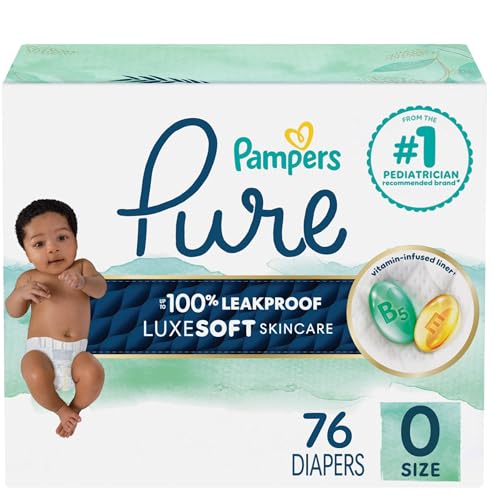
Pampers Pure targets newborns with a focus on purity and skin protection, and it shows in the specs, free of fragrance, parabens, latex, and elemental chlorine. The vitamin-enriched liner is a standout, clinically proven to help defend against diaper rash, which matters when you’re changing diapers every few hours. Parents with newborns often mention the wider wetness indicator as a small but helpful touch during sleep-deprived nights.
It’s not the most absorbent in heavy-wet scenarios compared to Amore, but for early infancy, it holds up well. The LockAway core does stay 2x drier than some competing eco-brands like Honest, according to Pampers’ claims, and owner feedback supports that it handles typical newborn output without issue. If you’re prioritizing clean ingredients and skin safety over extreme absorbency, this is a solid starting point.
Video review
Our Testing Process
As a parent and creator of NurseryDreamer.com, I understand the anxieties around choosing diapers, especially for sensitive skin. Rather than a hands-on lab test, this selection is based on a research-led comparison of diaper specifications and features, combined with careful consideration of owner reviews and insights from other parenting experts. I weighed factors like materials, absorbency claims, and reported skin reactions to arrive at these recommendations.
For hypoallergenic diapers, absorbency and skin sensitivity are paramount. A diaper’s ability to quickly wick away moisture is crucial to preventing irritation, so I focused on diapers with advanced core technology and leak protection features. Equally important is the absence of potential irritants; I prioritized diapers specifically marketed as free of fragrances, chlorine, and latex, and those with claims of hypoallergenic testing. You can find more options in our guide to eco-friendly hypoallergenic diapers.
Specifications reliably indicate absorbency levels and material composition, but owner feedback truly reveals how a diaper performs in real life. I spent considerable time reading reviews, paying close attention to comments about rashes, leaks, and overall comfort. For babies with particularly sensitive skin or conditions like eczema, exploring diapers for eczema is a good idea, as many parents share their experiences with specific brands.
How To Choose The hypoallergenic diapers
Finding the right diaper for your little one can feel like a huge undertaking. There are so many options, and as a parent, you want to be sure you’re choosing something gentle and safe.
A truly hypoallergenic diaper prioritizes minimizing skin contact with potential irritants. Look for diapers certified free of common allergens like fragrance, latex, and chlorine. Absorbency is vital, as prolonged wetness exacerbates sensitivity, and a good fit prevents leaks that can lead to irritation. Independent testing and transparency regarding ingredients are also key indicators of quality.
Understanding Ingredient Lists & Certifications
Don’t assume a “hypoallergenic” label means a diaper is completely free of everything that could cause a reaction. It’s a regulated term, but the standards vary. I always advise parents to go beyond the marketing and actually look at the ingredient list. Many brands, like Pampers, are increasingly transparent about what goes into their diapers, and some will even detail what they exclude. Beyond that, look for certifications from independent bodies. While not foolproof, they provide an extra layer of assurance. Consider exploring diapers for sensitive skin to see what others are saying about different brands.
Absorbency & Leak Protection – More Than Just Comfort
A diaper’s ability to quickly and effectively draw moisture away from the skin is crucial for preventing diaper rash, especially in babies prone to sensitivity. It’s not just about keeping clothes dry; it’s about minimizing the time skin spends in contact with urine and stool. Many brands boast about their core technology – Pampers’ LockAway Core, for example – and comparing user reviews can give you a good sense of real-world performance. Don’t underestimate the importance of a well-designed leak guard, either. Frequent leaks mean more exposure to irritants.
Here’s what I suggest prioritizing when considering absorbency:
- Core Material: Superabsorbent polymers (SAPs) are standard, but the amount and distribution matter.
- Layer Construction: A multi-layered design, like the five layers in some Pampers diapers, helps distribute moisture and prevent saturation.
- Fit and Size: A properly fitting diaper creates a better seal, maximizing absorbency and minimizing leaks. Getting the size right is surprisingly important, and babies grow quickly!
Balancing Safety & Value
It’s easy to get caught up in the search for the absolute safest option, and that’s admirable. However, diapers are a recurring expense, so finding a balance between safety and affordability is realistic. I often recommend starting with smaller packs of several different brands to see what works best for your baby before committing to a large purchase. If you’re particularly concerned about potentially harmful substances, researching safe diapers and chemical-free baby diapers can help you narrow down your options.
A little bit of trial and error is normal. What works wonderfully for one baby might not be the best fit for another. Don’t be afraid to switch brands or even diaper types (tape vs. pull-up) until you find the perfect solution.
Hypoallergenic Diapers Compared
Here’s a detailed specification comparison of the hypoallergenic diapers discussed in this guide.
| Product | Size | Hypoallergenic | Chemical Testing | Absorbency | Skin Protection |
|---|---|---|---|---|---|
| Pampers Amore Size 1 Diapers | 1 | Yes | 1000+ Chemicals | High | N/A |
| Pampers Pure Size 0 Diapers | 0 | Yes | N/A | 2x Drier vs. Honest | Clinically Proven |
Frequently Asked Questions
What diaper size should I start with for a newborn?
Newborn size (Size 1) is a good starting point, but a baby’s weight is more important than age. Most newborns fit best into Size 1 diapers (up to 10 pounds), though some smaller babies may initially fit better in Size 0.
Are “fragrance-free” diapers the same as hypoallergenic?
Not necessarily. Fragrance-free simply means no added scent, while hypoallergenic suggests the diaper is designed to minimize allergic reactions. A truly hypoallergenic diaper will also be free of latex, chlorine, and often other potential irritants, and will have undergone testing.
Can I prevent diaper rash with just a hypoallergenic diaper?
A hypoallergenic diaper significantly reduces the risk, but isn’t a guaranteed solution. Consistent diaper changes, gentle cleaning, and applying a barrier cream are also vital for preventing diaper rash, especially for sensitive skin.
How often should I change a hypoallergenic diaper, even if it doesn’t feel wet?
Change a diaper every 2-3 hours, or immediately after a bowel movement, even if it doesn’t feel fully saturated. Prolonged exposure to even small amounts of moisture or waste can irritate sensitive skin, defeating the purpose of using a hypoallergenic diaper.
Where can I find more information about truly safe diaper ingredients?
Beyond checking labels, you can explore resources that focus on clean diapers and the potential health impacts of diaper components. Many parents also find it helpful to research organic diapers for a more natural approach.
The Bottom Line
Choosing the right diaper often comes down to balancing your priorities – do you want ultimate peace of mind regarding ingredients, or a consistently reliable, affordable option? Based on my research, Pampers Pure Size 0 Diapers emerge as the strongest overall choice. They deliver a compelling combination of hypoallergenic features, absorbency claims, and positive user feedback, and are a great starting point for many families.
For parents specifically seeking a budget-friendly option, Pampers Amore Size 1 Diapers are worth considering. If you’re looking for something even more focused on natural materials, exploring natural diapers might be a good fit. And for those welcoming a new little one, finding diapers for sensitive newborns is always a smart approach.
Ultimately, remember that a diaper’s effectiveness hinges on a good fit, frequent changes, and gentle skin care. Don’t get too hung up on a single specification or marketing claim. Prioritizing consistent dryness and minimizing skin contact with irritants will make a bigger difference than any single feature.
