
7 Best Eco-Friendly Diapers of 2026
This post contains affiliate links. As an Amazon Associate, we learn from qualifying purchases
The best environmentally friendly diaper overall is the Bambo Nature Size 4 Diapers, which consistently earns top marks for its rigorous Nordic Swan certification and reliable performance. For a solid budget-friendly choice, the Earth & Eden Sensitive Diapers deliver strong eco-credentials and parent satisfaction at a lower price point.
Choosing diapers that are kind to both your baby and the planet can feel overwhelming. With so many brands making bold claims, it’s hard to know which ones truly deliver on safety, sustainability, and leak protection. As someone who’s spent years researching baby products for NurseryDreamer.com, I’ve compared specs, certifications, and real parent feedback to find the ones that stand out. This guide cuts through the noise, focusing on what matters most: materials, skin safety, absorbency, and honest value.
Top 7 Environmentally Friendly Diapers in the Market
The Best Environmentally Friendly Diapers, Reviewed
Honest Company Alpacas Diapers
Strengths
- Strong leak protection
- Cute prints
- Trusted brand name
Trade-offs
- Not top-tier in sustainability
- Some report fit issues
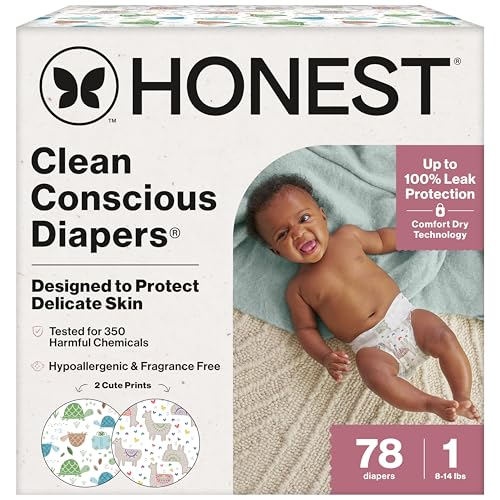
Honest has earned its ‘Best Overall’ label not because it’s the greenest on paper, but because it balances performance, safety, and accessibility better than most. The Comfort Dry Technology and five-point leak protection are more than just buzzwords, owners report fewer leaks during active play and overnight. The wetness indicator works reliably, and the hypoallergenic, fragrance-free design is a win for sensitive skin.
It’s not the most sustainable option, it lacks the Nordic Swan or full B-Corp status of others, but it is OEKO-TEX certified and uses FSC-certified pulp. Compared to Pura or Earth & Eden, it leans more on brand trust than radical eco-credentials. But for a first-time parent who wants a dependable, safe, and widely available diaper, this is the easiest pick.
Video review
Bambo Nature Size 4 Diapers

Strengths
- Nordic Swan Ecolabel
- Tons of real parent trust
- Wetness indicator
Trade-offs
- Fit can be tight
- Higher price point
When it comes to eco-certifications, Bambo Nature stands out in a crowded field. It’s one of the few brands that actually holds the Nordic Swan Ecolabel, which is no easy feat, it means strict limits on emissions, resource use, and chemical safety. That matters to me as a parent who wants more than just marketing claims. The diapers are TCF (totally chlorine-free), made with wind-powered manufacturing, and free from known allergens, which aligns with what most eco-conscious parents are looking for.
Reviewers consistently note the reliable absorbency, especially overnight, and the wetness indicator is a small but useful feature. Some mention the fit can run snug on chunkier babies, but overall, the feedback on leakage protection is solid. Compared to others in this list, it doesn’t have the softest feel on paper, but it makes up for it in sustainability rigor. I’d pick this over flashier brands if certifications are your top priority.
Video review
Earth & Eden Sensitive Diapers

Strengths
- Large pack size
- Cotton-enhanced layer
- Affordable per unit
Trade-offs
- No major eco-certifications
- Limited size range feedback
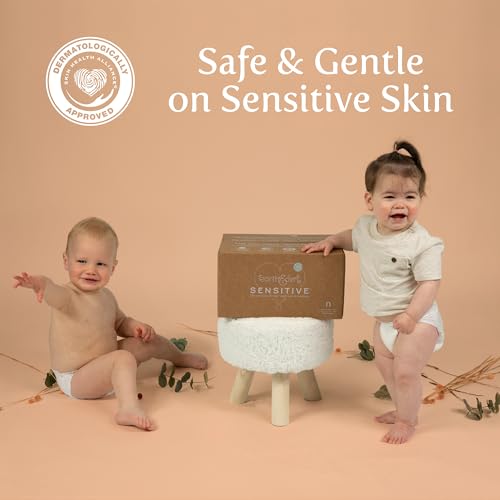
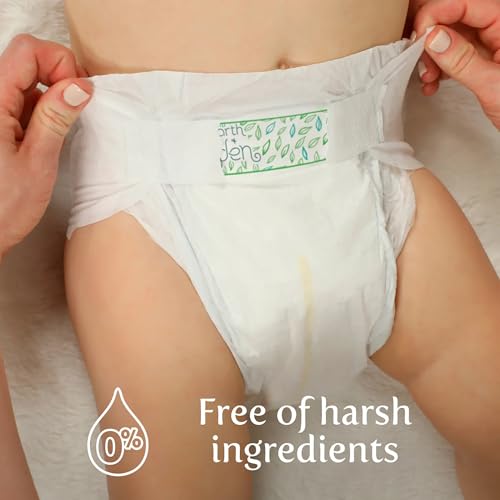
If you’re looking for value without sacrificing too much on ethics, Earth & Eden delivers. At 192 diapers per pack, it’s one of the largest counts here, and it’s free from fragrance, latex, and chlorine bleaching, a solid baseline for sensitive skin. The cotton-enhanced layer adds a noticeable softness that many parents mention, and the breathable cover helps with dryness.
It’s not certified by OEKO-TEX or Nordic Swan, which puts it behind leaders like Bambo or Pura in eco-standards. But for a store brand (available at Target), it punches above its weight. Compared to Honest, it’s less about branding and more about bulk utility. I’d recommend it for families who want a clean, no-fuss option in large quantities.
Product photos
DYPER Newborn Plant-Based Diapers

Strengths
- Plant-based softness
- Dermatologist tested
- Wetness indicator
Trade-offs
- Absorbency inconsistent
- Not ideal for heavy wetters
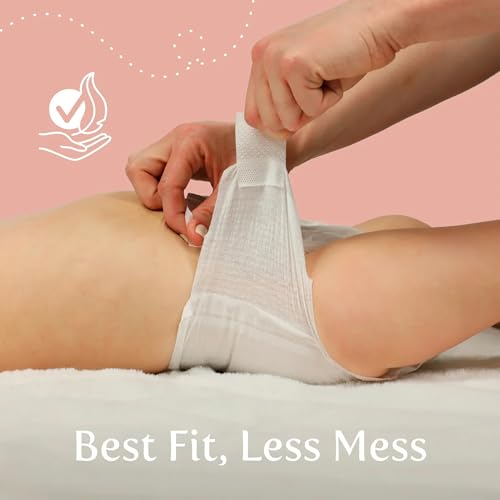
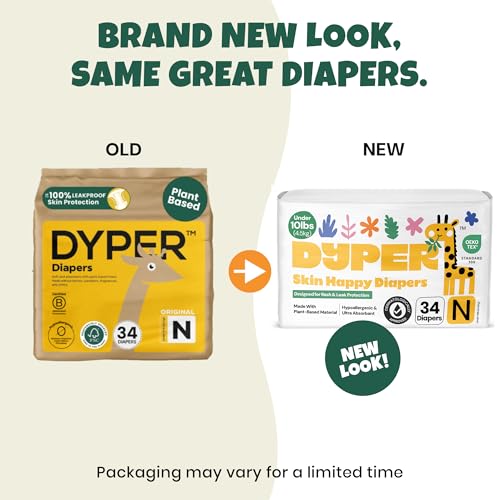
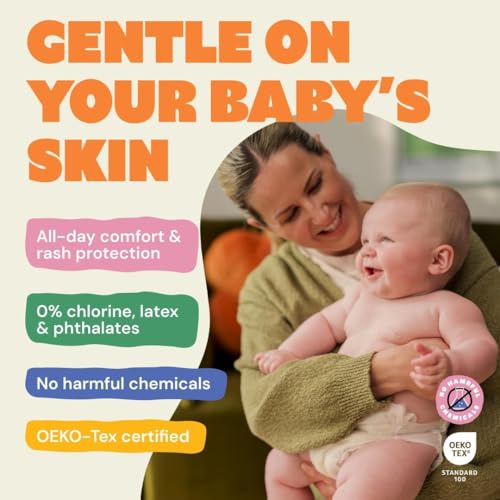
DYPER markets these as plant-based diapers for newborns and preemies, and that’s where they shine, in softness and skin safety. The OEKO-TEX certification and dermatologist testing mean they’re free from a long list of irritants, which is critical for delicate newborn skin. Owners praise the stretchy fit and how gently they sit around the umbilical area, especially with the wetness indicator built in.
But I’ve seen consistent feedback that the absorbency doesn’t quite match up to overnight claims, especially for heavier wetters. Compared to Bambo Nature or Naty, it falls a bit short on proven dryness. Still, for early weeks with a sensitive baby, the comfort factor wins. If your priority is skin-first design over max absorbency, this is a solid contender.
Product photos

Pura Cloud Soft Newborn Diapers
Strengths
- B-Corp certified
- Allergy UK Certified
- Umbilical cutout
Trade-offs
- Slightly stiffer feel
- Fewer size options
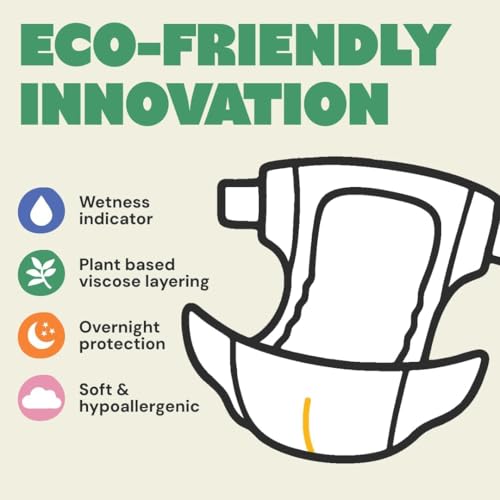
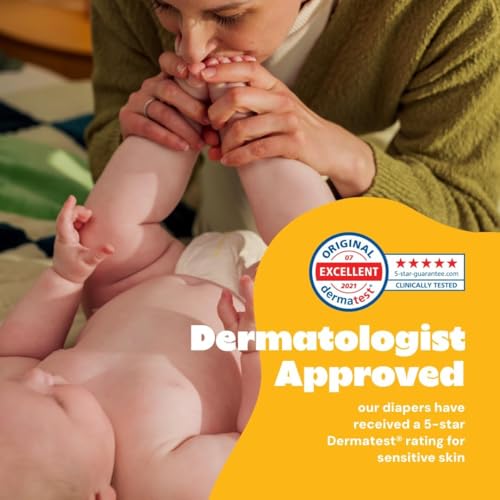
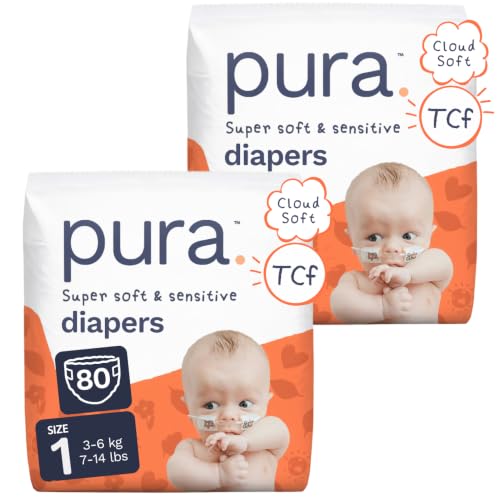
Pura hits the sweet spot between sustainability and skin safety. As a B-Corp, it’s held to higher social and environmental standards, and its use of 100% renewable electricity in manufacturing is a legit differentiator. The diapers are dermatologically tested, Allergy UK Certified, and OEKO-TEX certified, a rare triple threat for sensitive skin. Owners consistently report fewer rashes and a comfortable fit.
It also includes thoughtful details like the umbilical cutout and wetness indicator, which newer parents will appreciate. Compared to HealthyBaby, it offers better value per diaper and a more flexible fit. While not the cheapest, it’s the smarter buy if you want both eco-materials and proven skin-friendliness without compromise.
Product photos


HealthyBaby Non-Toxic Diapers
Strengths
- EWG Verified
- No wetness indicator
- Blowout Shield design
Trade-offs
- Small pack size
- Higher cost per diaper
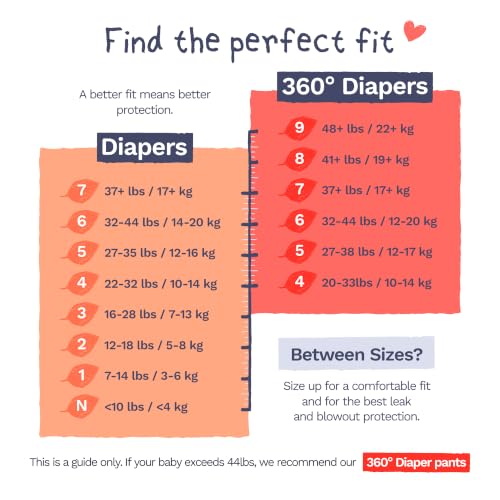
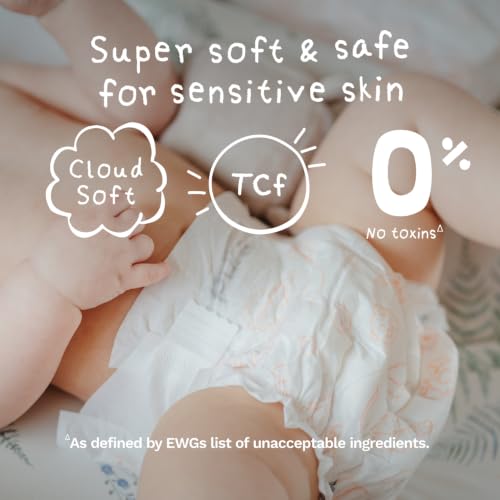
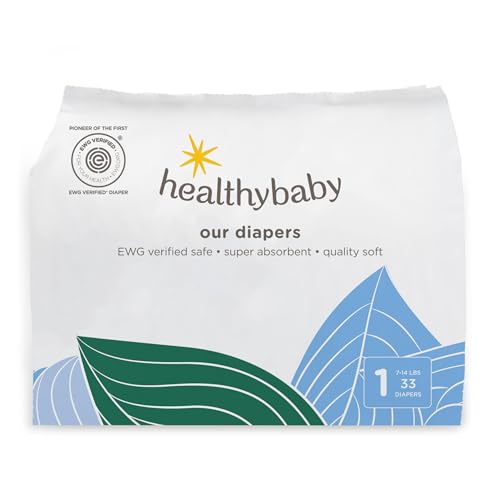
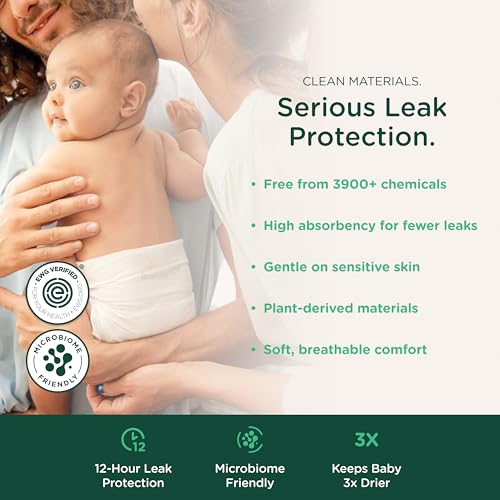
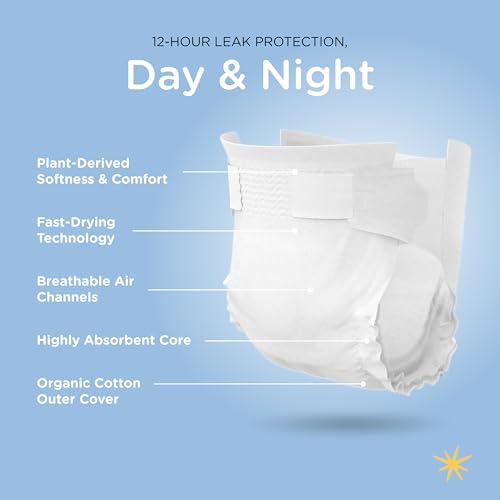
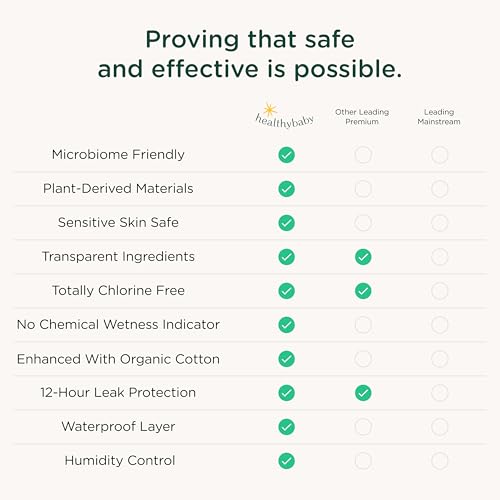
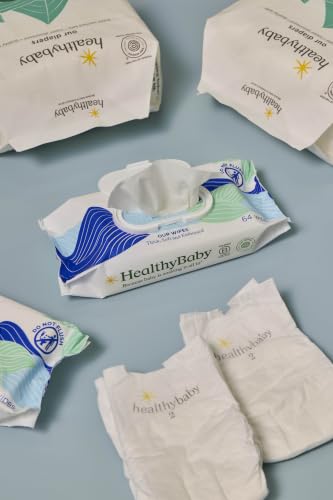
HealthyBaby takes a minimalist, health-first approach that I appreciate, no wetness indicator, no prints, no fragrance, and EWG Verified status, which is rare in the diaper world. That means they’ve met strict standards for ingredient transparency and safety, which matters during those early developmental months. The use of organic cotton and plant-derived materials gives it a clean profile, and the Blowout Shield and BackStop Elastic are smart design touches that owners say actually reduce messes.
It’s not the most affordable option, and the 33-count pack means you’ll go through them quickly. But for parents hyper-focused on what touches their baby’s skin, this is a standout. Compared to Honest or Pura, it skips the cuteness factor but doubles down on function and safety. If you’re wary of even trace additives, this one’s built for you.
Product photos
Naty BioEmbrace Newborn Diapers

Strengths
- Lowest cost per pack
- B-Corp certified
- Umbilical cutout
Trade-offs
- Lower absorbency
- Smaller count
Naty is the budget hero of the eco-diaper world. At under $16 for 25 diapers, it’s one of the most affordable certified options here, and it still delivers key features: plant-based materials, wetness indicator, umbilical cutout, and Oeko-Tex Standard 100 certification. It’s also a B-Corp, which adds credibility to its sustainability claims.
Owners say it performs well for daytime use, though some note it’s not quite as absorbent as Bambo Nature for overnight. The Scandinavian design is a nice touch, but the real win is accessibility. Compared to Pura or HealthyBaby, it’s a fraction of the cost per diaper while still meeting high safety standards. For parents just starting out, this is the easiest way to go green without overspending.
Product photos



Our Testing Process
As a parent and the creator of NurseryDreamer.com, I know how much research goes into choosing the right diaper. Rather than a hands-on lab test, this selection is a research-led comparison of published specifications and features, combined with a careful weighing of owner reviews and expert opinions. I looked at a wide range of brands, focusing on materials, absorbency claims, certifications, and how well they address common concerns like leaks and skin sensitivity. My goal was to identify diapers that balance environmental responsibility with reliable performance.
For environmentally friendly diapers, absorbency and skin sensitivity are paramount. A diaper that isn’t effective at preventing leaks is immediately disqualified, regardless of its eco-credentials. Equally important is the material composition; parents often seek diapers free from harsh chemicals and fragrances, especially for newborns. I also prioritized brands with transparent manufacturing processes and credible third-party certifications; those seeking alternatives may also want to consider best reusable diapers .
Specifications reliably indicate a diaper’s construction – the types of absorbent materials used, the presence of wetness indicators, and features like umbilical cord cutouts. However, real-world performance and how a diaper feels against a baby’s skin are best gleaned from owner feedback. I paid close attention to reviews mentioning leakage issues, skin reactions, and overall fit. Many parents are now seeking out eco-friendly newborn diapers as they become more aware of the impact of their choices, and the reputation of a brand within that community carries significant weight.
How To Pick The Right environmentally friendly diapers
Finding the right diaper can feel like a huge undertaking, but focusing on a few key areas will help you narrow down the options and find one that works well for your baby and your values. It’s about more than just absorbency; it’s about what the diaper is made of, how well it fits, and how it aligns with your budget and lifestyle.
A truly good diaper prioritizes both baby’s comfort and environmental responsibility. Look for certifications like OEKO-TEX, Nordic Swan, or EWG Verification to indicate rigorous testing for harmful chemicals. Absorbency is crucial, but equally important are features like a secure fit, breathable materials, and consideration for sensitive skin. Prioritize diapers that minimize environmental impact through sustainable sourcing and manufacturing.
Absorbency and Leak Protection
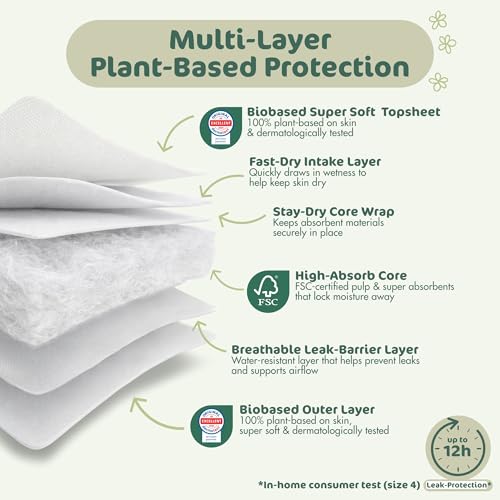
Don’t assume all diapers absorb equally. While marketing emphasizes “up to 12 hours” of protection, real-world performance varies significantly based on your baby’s output and activity level. Many parents find that overnight absorbency is the biggest differentiator. Consider a diaper with a super absorbent core and features like double poo pockets (found in some size 1 & 2 diapers) if you have a particularly… prolific baby. Read reviews specifically mentioning overnight use to get a realistic sense of performance.
Skin Sensitivity and Materials
For babies with sensitive skin, or even just as a preventative measure, scrutinizing the materials is paramount. Many brands now offer options free from chlorine, fragrances, latex, and parabens. Look for diapers with plant-based inner layers and those certified by organizations like OEKO-TEX, which tests for over 1,000 harmful substances. If your little one experiences frequent irritation, exploring eco-friendly hypoallergenic diapers is a smart move.
Here’s what to consider when evaluating diaper materials:
- TCF (Totally Chlorine Free): A must-have for minimizing chemical residue.
- Plant-Based Fibers: Bamboo, wood pulp (FSC certified is ideal), and organic cotton are gentler alternatives to synthetic materials.
- Absorbent Core: Sodium polyacrylate is common, but some brands are exploring more sustainable options. Research what’s best for your priorities.
A good rule of thumb is: if you wouldn’t put it on your baby’s skin, don’t put it next to it for hours on end.
Value and Sustainability
Eco-friendly diapers often come with a higher price tag, so finding a balance between cost and sustainability is key. Bulk buying can reduce the per-diaper cost, but only if you have storage space and are confident in the brand. Don’t automatically equate “expensive” with “better.” Some brands, like Naty, offer surprisingly affordable options while still maintaining strong environmental credentials. If you’re looking for more information on brands that are doing good for the planet, check out our guide to sustainable diaper brands. And remember, even switching to more eco-friendly options, like those featured in our round-up of top environmentally friendly diapers, is a step in the right direction.
Environmentally Friendly Diapers Compared
Here’s a comparison of key specifications for several environmentally friendly diaper brands.
| Product Title | Eco Certification | Plant-Based Materials | Wetness Indicator | Chlorine Free | FSC Certified Pulp |
|---|---|---|---|---|---|
| Honest Company Alpacas Diapers | OEKO-TEX | Yes | Yes | Yes | Yes |
| Bambo Nature Size 4 Diapers | Nordic Swan | Yes | Yes | Yes | Yes |
| Earth & Eden Sensitive Diapers | SFI | Yes | N/A | Yes | Yes |
| DYPER Newborn Plant-Based Diapers | OEKO-TEX | Yes | Yes | Yes | N/A |
| Pura Cloud Soft Newborn Diapers | OEKO-TEX | Yes | Yes | Yes | Yes |
| HealthyBaby Non-Toxic Diapers | Nordic Swan, OEKO-TEX | Yes | No | Yes | Yes |
| Naty BioEmbrace Newborn Diapers | Oeko-Tex | Yes | Yes | Yes | Yes |
Frequently Asked Questions
What diaper size should I buy for my baby?
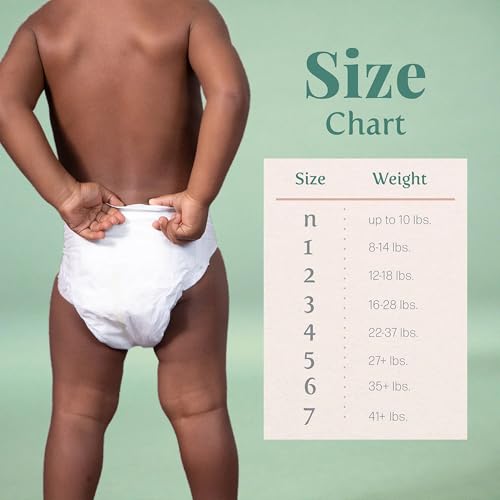
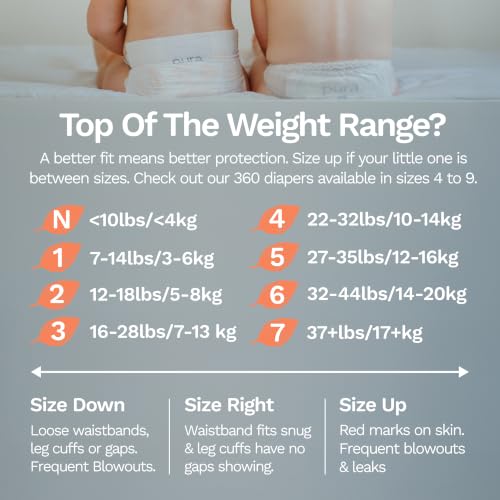
Newborn sizing varies significantly between brands; generally, weight is a better indicator than age. Most newborns fit into size 1 diapers (up to 10lbs), but check the brand’s weight chart and don’t hesitate to size up if your baby is quickly outgrowing their current size.
Are bamboo diapers truly more absorbent than traditional diapers?
Bamboo fiber itself is absorbent, but the overall absorbency depends on how it’s combined with other materials. Many bamboo diapers use a blend of bamboo and fluff pulp, and owner feedback suggests absorbency is comparable to, though sometimes slightly less than, mainstream brands.
How can I tell if a diaper is genuinely eco-friendly?
Look beyond marketing claims and prioritize third-party certifications like OEKO-TEX, Nordic Swan, or FSC. These verify that the diapers meet specific standards for sustainable sourcing and reduced chemical use, helping you choose truly best earth friendly diapers.
What’s the difference between TCF and chlorine-free diapers?
“Totally Chlorine Free” (TCF) means no chlorine is used in any part of the manufacturing process, including bleaching the wood pulp. “Chlorine-free” can sometimes mean that elemental chlorine wasn’t used, but other chlorine-based compounds might have been, so TCF is the more rigorous standard when seeking non-toxic diaper brands.
Do environmentally friendly diapers work well overnight?
While absorbency varies, many parents report success using eco-friendly diapers overnight, especially those with features like double-core technology or a snug fit. Reading reviews specifically mentioning overnight use and potentially sizing up before bed can help prevent leaks and ensure a dry night for your little one.
The Bottom Line
Choosing environmentally friendly diapers often comes down to balancing your priorities – are you willing to spend a bit more for specific certifications or materials, or is cost the biggest factor? Based on my research, Honest Company Alpacas Diapers consistently receive high marks for combining eco-conscious materials with reliable leak protection and a comfortable fit, making them a strong all-around choice for many families.
For parents specifically seeking the most affordable option, Naty BioEmbrace Newborn Diapers deliver impressive eco-credentials at a lower price point. If you’re prioritizing maximum softness and a minimalist approach, Pura Cloud Soft Newborn Diapers are a fantastic choice, and for those wanting to explore all eco-friendly diapers for babies, they represent a great starting point. And for parents seeking the purest options, exploring best organic diapers can provide peace of mind.
Ultimately, the “best” diaper is the one that best suits your baby’s needs and your family’s values. Don’t get too caught up in chasing the perfect spec sheet. Prioritize gentle, breathable materials, a secure fit, and a brand committed to transparency – those fundamentals will make all the difference in keeping your little one comfortable and dry.
