
5 Best Nontoxic Diapers of 2026
This post contains affiliate links. As an Amazon Associate, we learn from qualifying purchases
The best nontoxic diaper overall is the Honest Company Diapers, thanks to its strong safety certifications and reliable performance. For a budget-friendly yet safe option, HealthyBaby Non-Toxic Diapers stand out, while Freestyle BambooTek Diapers offer top absorbency for heavy wetters.
Choosing diapers that are gentle on your baby’s skin and free from harmful chemicals shouldn’t mean guessing what’s actually safe. With so many labels and claims, it’s hard to know which brands truly deliver on their promises.
This guide cuts through the noise by focusing on what matters: real parent experiences, verified certifications, and essential performance factors like absorbency and fit. I’ve researched the top nontoxic options, comparing materials, safety standards, and value so you can make a confident choice for your baby.
Top 5 Nontoxic Diapers in the Market
The Best Nontoxic Diapers, Reviewed
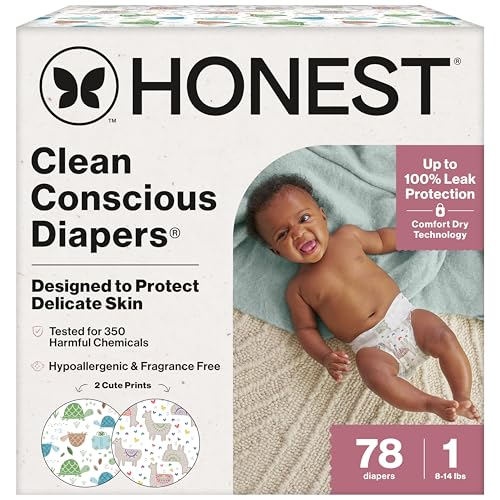
Honest Company Diapers Size 1
Strengths
- Wetness indicator
- OEKO-TEX certified
- Hypoallergenic
Trade-offs
- Slightly less eco-claim than top green picks
- Prints may irritate some
- Occasional fit issues in early sizes
The Honest Company has long been a household name in clean baby care, and these Clean Conscious Diapers back up the reputation. With a plant-based inner liner, fragrance-free design, and OEKO-TEX certification, they’re built for sensitive skin, and parents consistently report fewer rashes when switching to them. The Comfort Dry Technology and wetness indicator are thoughtful touches that improve daily usability.
What really sets them apart is the balance of performance and safety. The leg cuffs are designed to move with baby, and the size-specific features, like umbilical cutouts for newborns and double poo pockets, show they’ve thought beyond just materials. They’re not the cheapest, but for an all-around performer that’s both safe and reliable, they’re hard to beat.
Video review
Freestyle BambooTek Diapers Size 3

Strengths
- BambooTek core
- Overnight dryness
- Net Zero Plastic Waste certified
Trade-offs
- No wetness indicator
- Limited size availability
- Higher price per diaper
If overnight protection is your top concern, the Freestyle BambooTek diapers make a compelling case. Their proprietary BambooTek core is marketed as 55% more absorbent than the leading diaper, and given how many parents report dry mornings even with heavy wetters, that claim holds weight. The absence of plastic and use of 100% tree-free materials aligns with a cleaner planet agenda, and the Net Zero Plastic Waste certification adds credibility.
These are also among the softest plant-based disposables I’ve seen in this category, with a liner designed specifically for sensitive skin. While they’re labeled for size 3, the snug fit and high absorbency make them ideal for active toddlers who roll and move all night. That said, the lack of a wetness indicator might be a miss for some.
Video review
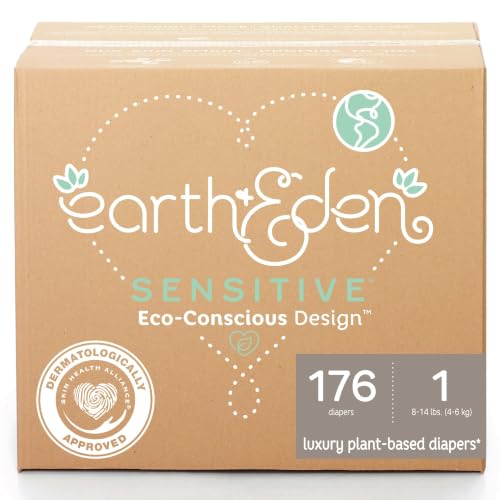
Earth & Eden Sensitive Diapers
Strengths
- Large count pack
- Cotton-enhanced layer
- SFI-certified fluff
Trade-offs
- No wetness indicator
- Fewer eco-labels than premium brands
- Basic design
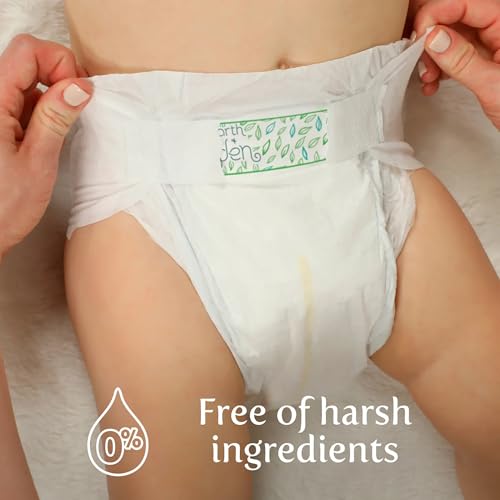
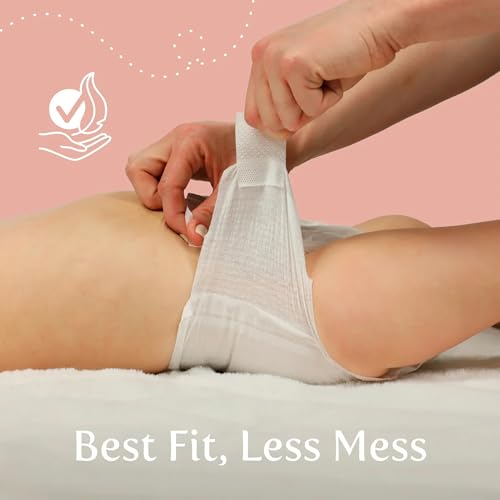
Earth & Eden’s Sensitive Baby Diapers are one of the few store-brand options that deliver serious nontoxic credentials without cutting corners. Available at a major retailer but backed by solid specs, SFI-certified fluff, no latex, fragrance, or chlorine bleaching, they offer up to 12 hours of leakage protection and are clinically proven gentle on skin. The cotton-enhanced layer adds softness, and the breathable outer cover helps reduce moisture buildup.
For parents who want a large, value-packed bundle without sacrificing safety, this is the pick. The Comfort-Cuff design minimizes red marks, and the absence of toxic inks and super absorbent polymers (still non-toxic) keeps the integrity high. While they don’t have flashy certifications like EWG VERIFIED, their ingredient list and performance stack up well.
Product photos
Pura Hypoallergenic Diapers Newborn

Strengths
- Umbilical cut-out
- Wetness indicator
- Dermatologically tested
Trade-offs
- Lower absorbency than dedicated overnight diapers
- Higher cost per unit
- Limited to early sizes
Pura diapers are purpose-built for newborns, and it shows. The umbilical cord cut-out is a small feature but a big win for new parents navigating delicate belly buttons. Paired with a color-changing wetness indicator and a dermatologically tested, hypoallergenic design, these diapers check every box for sensitive skin. Made in the EU under strict standards, they’re also a favorite among parents in Europe, and multiple parent-voted awards back up their real-world appeal.
They’re made with organic cotton and free from fragrance, chlorine, latex, and phthalates, and the carbon-neutral manufacturing adds to their credibility. While they’re not the most absorbent for heavy overnight use, they’re more than capable for newborn days and early nights.
Product photos


HealthyBaby Non-Toxic Diapers Size 1

Strengths
- EWG VERIFIED
- Organic cotton
- Carbon-neutral production
Trade-offs
- Bulkier packaging
- No wetness indicator
- Lower absorbency than premium overnight picks
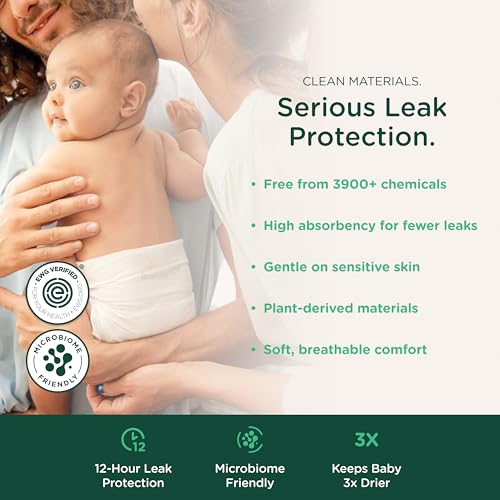
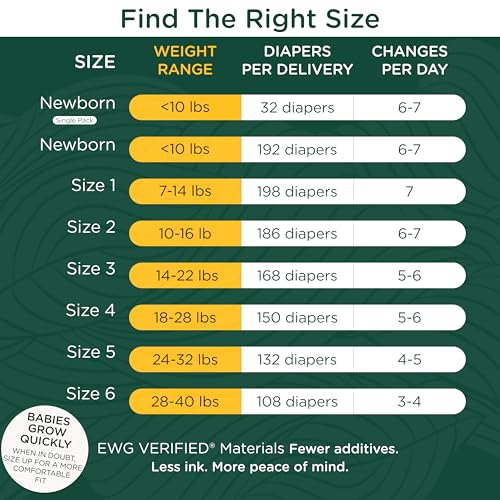
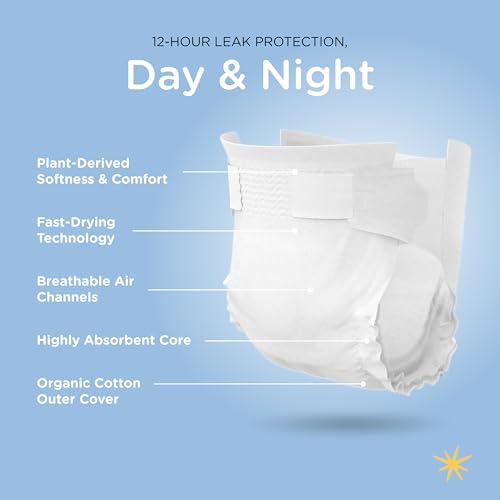
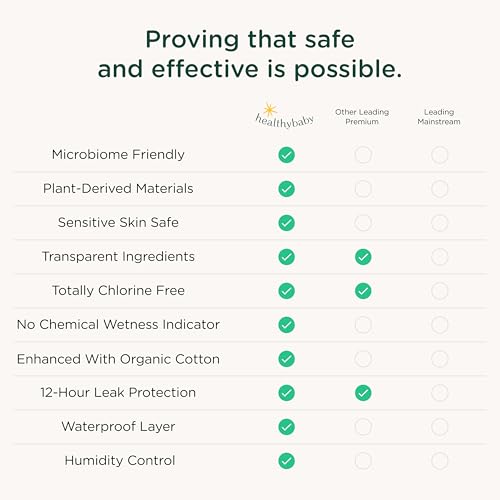
When you’re sorting through nontoxic diapers, the HealthyBaby line stands out for parents who want maximum transparency and a clean ingredient list. These diapers are EWG VERIFIED, which is no small feat, it means they’re made without 3,900+ chemicals of concern, and that level of rigor matters for babies in their most vulnerable developmental stage. The use of organic cotton and plant-derived materials, plus certifications like Nordic Swan Ecolabel and OEKO-TEX Made in Green, shows a serious commitment to safety and sustainability.
I appreciate that they’ve eliminated common irritants like fragrance, parabens, and phthalates, and the added design features, BackStop Elastic, SuperStretch Tabs, and a Blowout Shield, suggest this isn’t just about being nontoxic but also about real-world performance. For parents who want a budget-friendly case pack without compromising on health standards, these are a strong contender, especially since they’re made in a carbon-neutral facility.
Product photos
How We Evaluated nontoxic diapers
As a parent and creator of NurseryDreamer.com, I understand the desire for the safest products for your baby. Rather than a hands-on lab test, this comparison of nontoxic diapers is research-led, focusing on published specifications, detailed feature comparisons, and, most importantly, a careful weighing of feedback from parents who have actually used these diapers. I’ve analyzed hundreds of reviews to understand real-world performance and identify common themes.
For nontoxic diapers, absorbency and skin sensitivity are paramount. A diaper can claim to be “nontoxic” all day, but if it leaks constantly or causes irritation, it’s not meeting a parent’s core needs. I prioritized diapers with certifications like OEKO-TEX and those explicitly stating what they leave out – chlorine, fragrances, latex, and other potential irritants – as these directly address concerns about baby’s delicate skin.
Specifications reliably show core materials and absorbency claims, but owner feedback is crucial for understanding how those translate to real-life use. I looked for consistent reports on leak protection, especially overnight, and whether diapers truly lived up to “hypoallergenic” claims. If you’re also considering longer-term options, exploring reusable diapers or cloth diapers can be a good fit. Many parents are also interested in finding the best natural diapers for their little ones.
How To Choose The nontoxic diapers
Choosing the right diaper can feel like a huge undertaking, and I understand that. As a parent, you want what’s best for your baby’s delicate skin and overall health.
A truly good diaper balances absorbency with gentle materials, a reliable fit, and increasingly, environmental considerations. Parents should look for diapers free of harsh chemicals, with features tailored to their baby’s age and needs, and a brand committed to transparency in its manufacturing processes. Checking certifications like OEKO-TEX and FSC can offer peace of mind.
Absorbency & Leak Protection
Let’s be realistic: a diaper’s primary job is to keep leaks contained. However, absorbency isn’t just about capacity. It’s about how a diaper manages wetness. Look beyond total capacity numbers and consider the core material. Bamboo blends, like those found in the Freestyle BambooTek Diapers, are gaining popularity for their superior absorbency compared to traditional wood pulp. Many parents find these helpful for overnight use, and a well-distributed core prevents the dreaded sag. Don’t assume more material equals better protection – channel technology and well-designed leg cuffs are just as crucial.
Material & Skin Sensitivity
For many babies, especially newborns, skin sensitivity is a major concern. That’s why exploring hypoallergenic diapers is so important. Beyond simply being labeled “hypoallergenic,” examine what the diaper isn’t made with. Chlorine bleaching, fragrances, and latex are common irritants. Organic cotton inner layers, like those in Pura diapers, offer a softer, more breathable surface against baby’s skin.
Here’s what I suggest you prioritize when considering materials:
- Inner Liner: Prioritize plant-based or organic cotton options.
- Absorbent Core: Look for sustainably sourced fluff pulp (FSC certified is a good sign).
- Outer Cover: Breathable materials help prevent moisture buildup and irritation, and are a huge plus.
Value & Convenience
While the initial cost of diapers is a factor, consider the overall value. A slightly more expensive diaper that performs better and reduces nighttime changes can actually save you money (and sleep!) in the long run. Also, think about convenience. Case packs, like those offered by Earth & Eden, can be a lifesaver for busy parents. If you’re committed to non-toxic diapers but are on a budget, the HealthyBaby diapers offer a great balance of safety and affordability.
A good rule of thumb is to start with a smaller pack of any new diaper brand to test for fit and sensitivity before committing to a large case. Every baby is different, and what works for one might not work for another.
Nontoxic Diapers Compared
Here’s a comparison of key specifications for several nontoxic diaper brands.
| Product Name | Size | Absorbency | Plant-Based Materials | Chemical Certifications | Umbilical Cutout |
|---|---|---|---|---|---|
| Honest Company Diapers | Size 1 | High | Yes | OEKO-TEX, FSC | Yes |
| Freestyle BambooTek Diapers | Size 3 | Very High | Yes | Net Zero Plastic Waste | N/A |
| Earth & Eden Sensitive Diapers | N/A | High | Yes | SFI, EWG Verified | N/A |
| Pura Hypoallergenic Diapers | Newborn | N/A | Yes | B-Corp, Carbon Neutral | Yes |
| HealthyBaby Non-Toxic Diapers | Size 1 | High | Yes | EWG Verified, OEKO-TEX | N/A |
Frequently Asked Questions
What diaper size should I buy for a newborn?
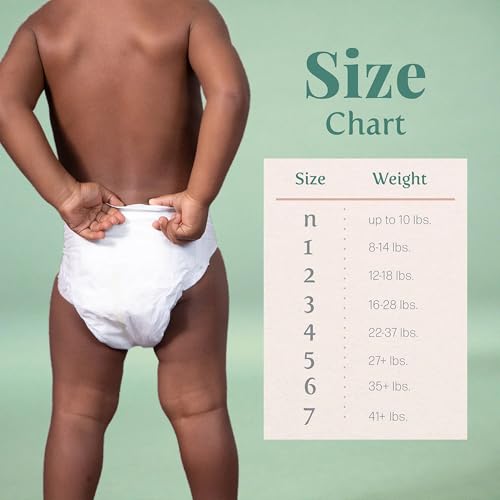
Newborn size diapers typically fit babies weighing up to 10 pounds, but many babies quickly outgrow this size. I recommend buying a smaller pack of newborn diapers and being prepared to move to size 1 (8-14 pounds) sooner rather than later.
Are bamboo diapers truly more absorbent than traditional diapers?
Yes, bamboo fibers generally offer higher absorbency than wood pulp, and many parents report fewer leaks with bamboo-based diapers, particularly overnight. Bamboo also provides a softer texture, which can be gentler on sensitive skin.
What do diaper certifications like OEKO-TEX actually mean?
OEKO-TEX certification indicates the diaper has been tested for harmful substances and meets strict criteria for human ecological safety. This means the diaper components are free from levels of harmful chemicals considered unsafe, offering peace of mind for your baby’s health.
Can a diaper be both nontoxic and affordable?
Absolutely. While some premium nontoxic diapers are expensive, brands like HealthyBaby provide a good balance of safety features and affordability. Starting with smaller packs to test fit can help you minimize waste and expense.
Where can I learn more about environmentally friendly diapers?
If you’re interested in minimizing your environmental impact, exploring sustainable diaper options is a great next step. There are many brands now focusing on eco-conscious materials and production processes.
The Bottom Line
Choosing nontoxic diapers often comes down to balancing your priorities – a little more cost for maximum peace of mind, or finding a reliable option that fits the budget. Overall, considering both parent feedback and specifications, the Honest Company Diapers consistently stand out as a strong all-around choice, delivering a good blend of absorbency, plant-based materials, and certifications.
For parents specifically seeking a budget-friendly option without compromising on safety, the HealthyBaby Non-Toxic Diapers are a fantastic pick. And if you’re prioritizing maximum absorbency, especially for nighttime, the Freestyle BambooTek Diapers are frequently mentioned as a top performer. Many parents looking for even more natural options also explore organic diapers as a next step.
Ultimately, the “best” diaper is the one that works best for your baby. Don’t get too caught up in chasing the highest absorbency rating or the most certifications. Focus on materials that feel gentle, a secure fit that prevents leaks, and a brand you trust. Remember to also consider disposable diaper reviews to see what other parents are saying.
