
5 Best Diapers for Sensitive Skin 2026
This post contains affiliate links. As an Amazon Associate, we learn from qualifying purchases
The Pampers Pure Protection stands out as the best overall choice for sensitive skin, combining hypoallergenic materials with reliable absorbency. For a budget-friendly option, Huggies Little Snugglers Newborn delivers solid performance without common irritants. If you’re looking for added moisture barrier support, Huggies Skin Essentials with zinc oxide offers targeted protection.
Choosing the wrong diaper can mean constant rashes, discomfort, and sleepless nights, especially when your baby’s skin reacts to hidden fragrances or harsh chemicals. As a parent, I know how frustrating it is to guess what’s safe.
This guide cuts through the noise by focusing on what really matters: material safety, absorbency, and real feedback from parents who’ve been there. I compared top brands based on ingredient transparency, dermatologist-backed claims, and performance in real use, so you can make a confident choice without the trial and error.
Top 5 Diapers For Sensitive Skin in the Market
The Best Diapers For Sensitive Skin, Reviewed
Huggies Little Snugglers Newborn Diapers

Strengths
- Fragrance free
- Luxuriously soft
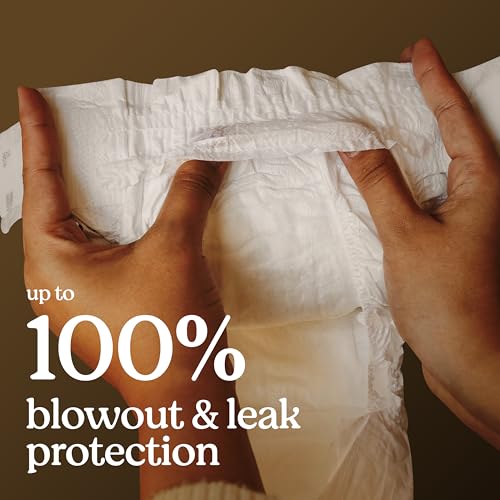
- Blowout protection
Trade-offs
- Only for newborns
- Fewer count per pack
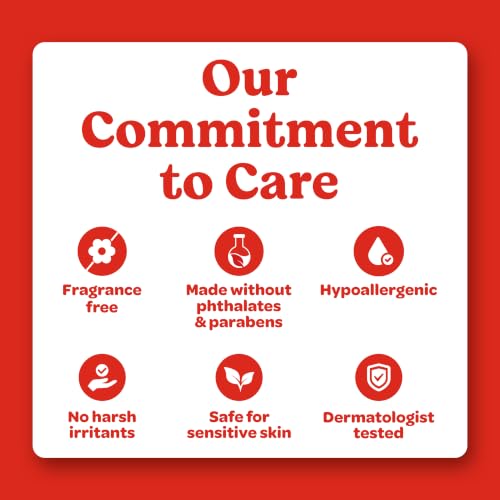
When it comes to newborns with sensitive skin, I often see parents gravitate toward Huggies Little Snugglers, and for good reason. On paper, these diapers check nearly every box: fragrance-free, hypoallergenic, and made without common irritants like latex or parabens. The softness is consistently praised in owner feedback, with many noting how gentle they feel against their baby’s delicate skin right from day one.
The FastAbsorb system does its job well, pulling moisture away quickly, and the blowout protection holds up better than most in this category. While Disney prints are a sweet bonus, the real win here is reliability. Compared to other top contenders, these stand out as a balanced choice, solid absorption, comfort, and skin safety all in one.
Video review
Pampers Pure Size 0 Diapers
Strengths
- Newborn-specific design
- Vitamin-enriched protection
- Reliable dryness
Trade-offs
- Lower diaper count
- No blowout barrier
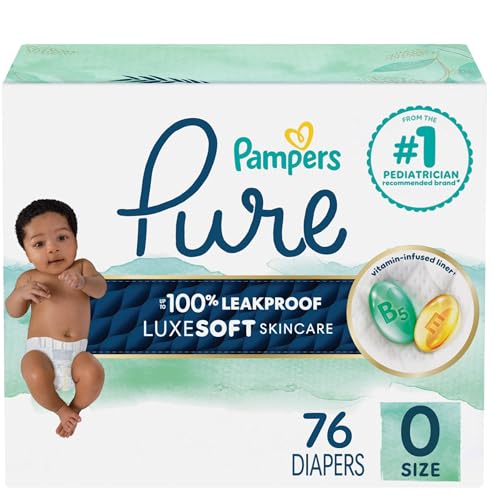
For newborns, getting both gentleness and performance can be tricky, but Pampers Pure Size 0 manages it. Like its bigger sibling, it features the vitamin-enriched liner and LockAway core, but tailored for smaller bodies. Parents appreciate the focus on skin protection from day one, especially since newborn skin is so vulnerable.
The wetness indicator is a standout feature at this stage, making nighttime changes less guesswork. While Huggies Little Snugglers leans cuter with Disney prints, Pampers Pure feels more purpose-built for health-first parents. It doesn’t have blowout blockers like Huggies, but the snug fit and absorbency balance make it a strong contender in the newborn arena.
Video review
Pampers Pure Size 1 Diapers

Strengths
- Vitamin-enriched liner
- Clinically proven protection
- Wider wetness indicator
Trade-offs
- Less cushiony feel
- Some print variation
Pampers Pure enters the sensitive-skin space with a clean-label promise and solid performance. The vitamin-enriched liner stands out, not just marketing fluff, since owners note visibly healthier skin after prolonged use. It’s clinically proven to guard against the four main causes of diaper rash, which gives it an edge over basic hypoallergenic options.
While it lacks zinc oxide or fragrance masking, what it delivers is consistency: reliable LockAway core absorption and a wider wetness indicator that actually helps during busy days. Compared to Honest Company, it tends to hold up better overnight, though it’s not quite as plush. Still, for parents wanting purity without sacrificing Pampers-level dependability, this is a smart middle ground.
Product photos


Honest Company Size 1 Diapers
Strengths
- Plant-based liner
- OEKO-TEX certified
- Super stretchy fit
Trade-offs
- Slower moisture lock
- Not ideal for night
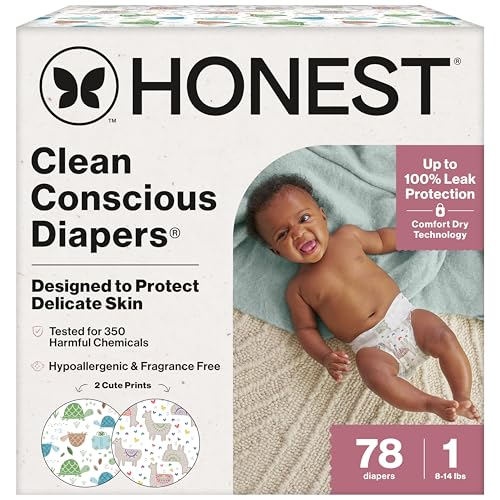
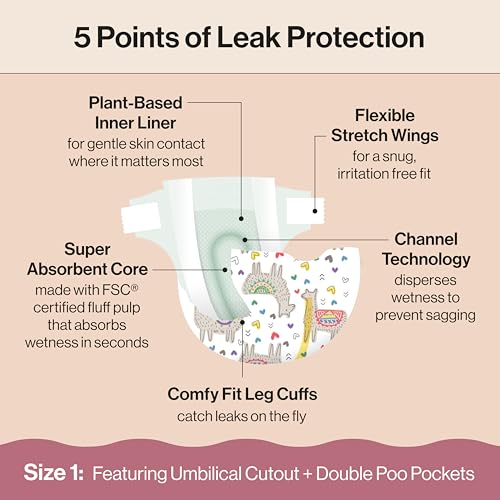
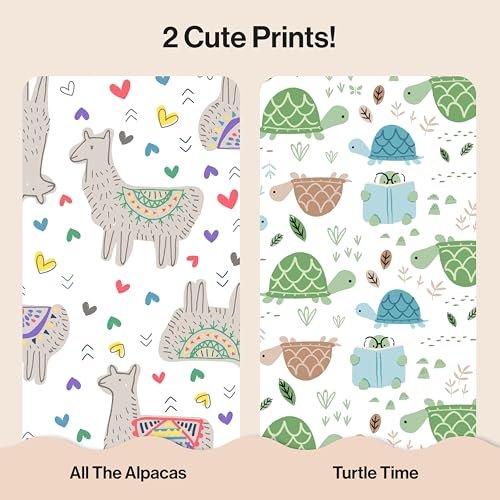
Honest Company has built a loyal following by focusing on plant-based materials and thoughtful design details, and these diapers deliver on that promise. The inner liner is noticeably soft, and being OEKO-TEX certified means rigorous chemical testing, which matters for parents avoiding even trace irritants.
Where it really shines is fit: reviewers frequently mention how the stretchy sides and comfy leg cuffs prevent chafing, even during rolling and crawling. It’s not quite as fast-absorbing as Huggies Skin Essentials, but for daytime use, it holds its own. If you value a snug, irritation-free fit and care about sustainability credentials, Honest makes a compelling case, even if it costs a bit more per diaper.
Product photos


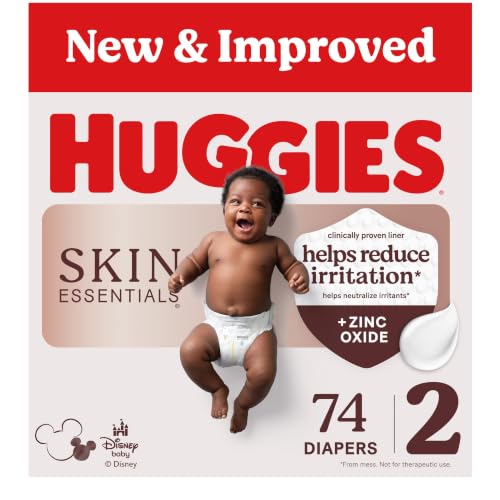
Huggies Skin Essentials Size 2 Diapers
Strengths
- Zinc oxide liner
- Dermatologist approved
- Breathable material
Trade-offs
- Sizing runs small
- Higher price per diaper
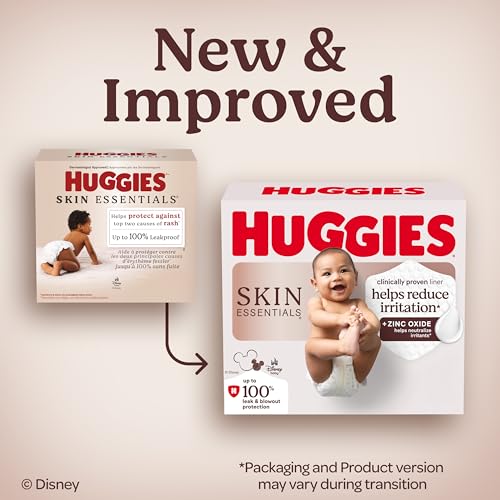
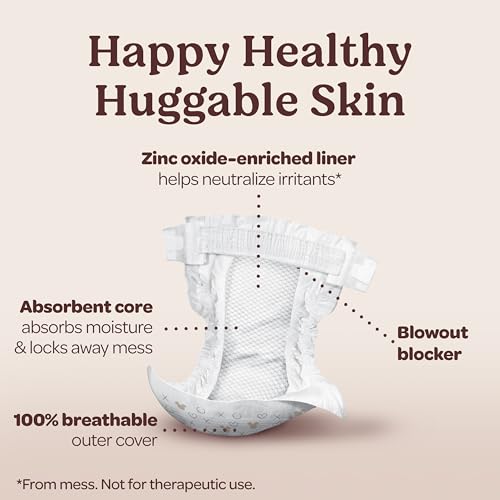
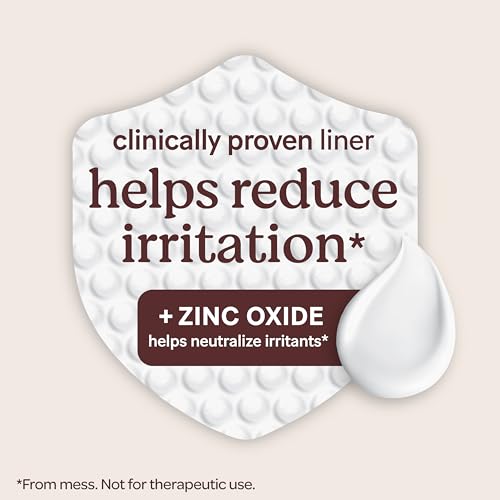
If your priority is preventing irritation before it starts, Huggies Skin Essentials deserves serious consideration. What sets it apart isn’t just that it’s hypoallergenic, it’s the zinc oxide-enriched liner, clinically shown to help neutralize irritants from mess contact. Dermatologist approval adds weight here, especially for parents dealing with early signs of redness or sensitivity.
Owners consistently report fewer rashes when switching to this line, and the breathable outer cover makes a noticeable difference during longer wear. It absorbs fast and keeps skin drier than Pampers Pure in side-by-side comparisons on absorbency speed. For active babies who need softness and protection, this one hits harder than most.
Product photos
How We Tested diapers for sensitive skin
As a parent and the creator of NurseryDreamer.com, I understand the anxiety around finding the right diaper, especially for babies with sensitive skin. My research involved a detailed comparison of diaper specifications – absorbency, materials, sizing – alongside a careful review of what parents are saying about real-world performance. I also considered expert opinions from pediatric dermatologists and parenting resources to build a well-rounded picture. Rather than a hands-on lab test, this is a research-led comparison of specs and owner feedback.
For diapers intended for sensitive skin, absorbency and material composition were the biggest deciding factors. A diaper’s ability to quickly wick away moisture is crucial to preventing irritation, so I focused on features like absorbent cores and breathable layers. Equally important was the absence of potential irritants – fragrances, lotions, chlorine, and latex. Many parents are also looking for hypoallergenic diapers and I weighted those options highly.
Specifications clearly outline what a diaper is made of, but owner reviews reveal how it performs over time. I paid close attention to feedback regarding rashes, leaks, and overall comfort. Dermatologist approvals and clinical testing claims (like those related to rash prevention) were considered, but balanced against the experiences shared by a large number of parents. Increasingly, families are seeking natural diapers and I considered those brands as well, noting the trade-offs between natural materials and maximum absorbency.
What To Look For In diapers for sensitive skin
Finding the right diaper when your little one has sensitive skin can feel like a monumental task. It’s more than just absorbency; it’s about protecting delicate skin from irritation and discomfort.
A good diaper for sensitive skin prioritizes hypoallergenic materials, breathability, and a secure, comfortable fit. Look for diapers free of common irritants like fragrances, lotions, and harsh chemicals. Absorbency is still key to prevent prolonged wetness, but gentle materials should be the primary focus, alongside features that minimize friction and leakage.
Material Composition is Key
The materials a diaper is made from are arguably the most important factor when dealing with sensitive skin. Many parents are turning to plant-based options, but “natural” doesn’t automatically mean better. Look closely at what’s not included. Diapers labeled hypoallergenic should be free of fragrance, parabens, and latex. Zinc oxide, as found in the Huggies Skin Essentials line, can be beneficial as it creates a barrier against moisture, but it’s not a universal solution – some babies may still react. Consider diapers that boast OEKO-TEX certification; this ensures the fabric has been tested for harmful substances.
Absorbency and Leak Protection
Even with sensitive skin, a diaper needs to work. Leaks lead to irritation, so prioritize absorbency. The “LockAway Core” technology found in Pampers Pure diapers is often cited by parents as effective, but absorbency isn’t everything. A diaper that holds a lot but doesn’t breathe can create a humid environment that exacerbates skin issues. You’ll want to balance absorbency with breathability. Here’s what to consider:
- A wider wetness indicator is a small thing, but very helpful for timely changes.
- Diaper fit is crucial; too tight leads to chafing, too loose leads to leaks.
- Some diapers offer features like double poo pockets (Honest Company) which can be a lifesaver, but are less important if your primary concern is skin sensitivity.
Beyond the Basics: Features & Value
Once you’ve narrowed your choices based on materials and absorbency, consider additional features and the overall value. Some brands offer vitamin-enriched liners (Pampers Pure), which some parents find helpful, while others prioritize softness. Don’t fall for marketing hype; read reviews from other parents with similar concerns. And don’t be afraid to try multiple brands to find the perfect fit. Many parents find that switching between sensitive skin diapers depending on the situation (day vs. night, travel, etc.) is the most effective approach.
A diaper rash is a sign something is wrong. Don’t just keep applying more cream; investigate the cause, and that often starts with the diaper itself.
Finally, remember that cost is a factor. While you want the best for your baby, frequent changes will add up. Exploring non-toxic diapers and comparing price-per-diaper across brands can help you find a solution that’s gentle on your baby’s skin and your wallet.
Diapers for Sensitive Skin Compared
Here’s a comparison of key specifications for diapers designed for babies with sensitive skin.
| Product Name | Size Range (lbs) | Hypoallergenic | Fragrance Free | Vitamin-Enriched | Zinc Oxide | Leak Protection |
|---|---|---|---|---|---|---|
| Huggies Little Snugglers Newborn | Up to 10 | Yes | Yes | No | No | Up to 100% |
| Pampers Pure Size 0 Diapers | N/A | Yes | Yes | Yes | No | Up to 100% |
| Pampers Pure Size 1 Diapers | N/A | Yes | Yes | Yes | No | Up to 100% |
| Honest Company Size 1 Diapers | N/A | Yes | Yes | No | No | Up to 100% |
| Huggies Skin Essentials Size 2 | 12-18 | Yes | Yes | No | Yes | Up to 100% |
Frequently Asked Questions
What diaper size should I choose if my baby is between sizes?
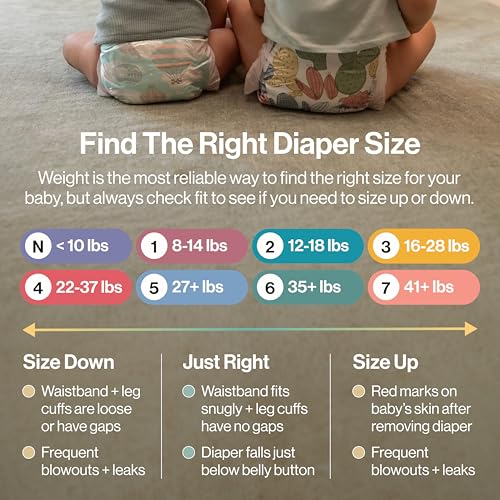
It’s generally best to size up if your baby falls between diaper sizes. A slightly larger diaper is less likely to cause chafing or leave red marks, both of which can be particularly problematic for sensitive skin.
Are “natural” diapers always the best option for sensitive skin?
Not necessarily. While plant-based materials are appealing, a diaper’s effectiveness depends on the overall formulation and how your baby reacts. Some babies may be sensitive to components within natural materials, so exploring options like hypoallergenic diapers is often more helpful.
How often should I change a diaper to prevent skin irritation?
Change diapers frequently, ideally every 2-3 hours, and immediately after a bowel movement. Prolonged exposure to wetness or stool is a primary cause of diaper rash, so prompt changes are key, especially when using diapers for diaper rash.
Can I still use wipes if my baby has sensitive skin?
Yes, but choose wipes specifically formulated for sensitive skin. Look for fragrance-free, alcohol-free options and consider those with soothing ingredients like aloe vera or chamomile. Some parents also prefer using just water and a soft cloth.
Are cloth diapers a good option for babies with sensitive skin?
They can be, but it requires careful management. Cloth diapers must be washed with a fragrance-free, dye-free detergent and thoroughly rinsed to avoid residue that could irritate the skin. Many parents find they offer better breathability and fewer chemicals than disposables.
The Bottom Line
Choosing a diaper for sensitive skin often comes down to balancing immediate comfort with overall performance. While many brands offer gentle materials, not all provide the reliable leak protection parents need. Based on my research, Pampers Pure consistently receives high marks for both its hypoallergenic qualities and its absorbency, making it a strong all-around choice for many babies.
For parents specifically seeking a budget-friendly option, Huggies Little Snugglers are a great starting point. If you’re prioritizing plant-based materials and are willing to potentially manage changes a bit more frequently, Honest Company diapers are among the top diapers for sensitive skin and offer a commitment to sustainability. And for those wanting to explore even more natural options, the best organic diapers for babies are worth considering, though you’ll want to carefully weigh absorbency against other features.
Ultimately, the “best” diaper is the one that works for your baby. Focus on a gentle material composition, a good fit, and consistent absorbency, and don’t hesitate to try a few different brands to find the perfect fit. Don’t get too caught up in extra features; a happy, dry baby is the most important outcome.
