
3 Best Baby Diapers of 2026
This post contains affiliate links. As an Amazon Associate, we learn from qualifying purchases
The Pampers Swaddlers stand out as the overall best baby diaper for reliable leak protection and a snug fit, especially for newborns. If you’re watching your budget, the Luvs Bluey delivers solid performance at a much lower cost. For parents prioritizing gentle materials, the Pampers Pure is a strong choice with its hypoallergenic design and skin-nourishing features.
Every parent knows the frustration of constant leaks, redness, or a diaper that just won’t stay put. With so many options and bold claims, it’s hard to know which ones actually deliver comfort and protection day after day.
As the founder of NurseryDreamer.com, I’ve compared specs, analyzed real parent feedback, and evaluated performance factors like absorbency, fit, and skin safety to identify the diapers that consistently earn trust. This guide cuts through the noise to help you make a confident choice based on what actually matters.
Top 3 Baby Diapers in the Market
The Best Baby Diapers, Reviewed
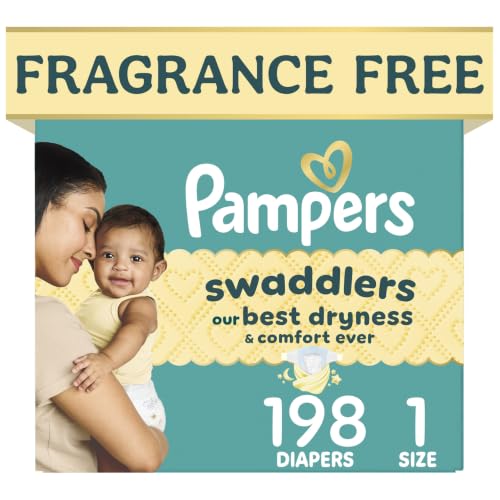
Pampers Swaddlers Size 1 Diapers
Strengths
- Excellent leak protection
- High diaper count
- Pediatrician recommended
Trade-offs
- No wetness indicator
- Slightly stiffer feel than Pure line
Swaddlers consistently come up in parent forums as a top all-around performer, and the numbers back it up. With 198 diapers in size 1 and features like All-Around LeakGuard and Blowout Barrier, this is a well-built diaper for newborns and young infants. The absorbent core handles frequent wetting without sagging, and the fragrance-free, hypoallergenic design keeps skin irritation low, important for delicate newborn skin.
Pediatrician recommendations and widespread use in hospitals add credibility, and real-world feedback shows parents trust these for both day and night. While they lack a wetness indicator in this particular pack, the overall fit and security edge out Pampers Pure in preventing leaks during rolls and kicks. For me, this is the smarter buy if you want reliability without sacrificing skin safety.
Video review
Pampers Pure Size 1 Diapers

Strengths
- Hypoallergenic
- Fragrance-free
- Wider wetness indicator
Trade-offs
- Higher price per diaper
- Fewer diapers per pack
When it comes to diaper choices for babies with sensitive skin, Pampers Pure stands out on paper and in parent feedback. The absence of fragrance, parabens, and elemental chlorine is a big win, and the vitamin-enriched liner is a thoughtful touch that many parents appreciate. Owners consistently report fewer rashes and red marks, which lines up with the claim of being clinically proven to protect against the main causes of diaper rash.
The wetness indicator is wider than most, making it easier to spot when a change is needed, especially helpful during nighttime checks. While it’s priced higher than standard Pampers, the trade-off is a cleaner ingredient list and gentler feel. Compared to Honest Diapers, it holds up well in absorbency and leak protection, even outperforming in reported dryness.
Video review
Luvs Size 3 Bluey Diapers

Strengths
- Great value
- Soft for price
- Fun designs
- Wetness indicator
Trade-offs
- Less secure fit for active sleepers
- Not as absorbent as premium brands
Luvs has long been the go-to for budget-friendly performance, and this Bluey-themed pack doesn’t stray from that promise. With 234 diapers in size 3, it’s built for parents who want a no-fuss, high-volume option that still delivers softness and reliable leak protection. The wetness indicator works as expected, turning blue clearly when wet, and parents note these hold up well overnight despite the lower price point.
I wouldn’t call these premium, but they’re surprisingly capable for the cost. The fun Bluey prints are a hit with families who enjoy themed gear, and the money-back guarantee adds peace of mind. They don’t match Pampers Swaddlers in overall snugness or blowout prevention, but for day-to-day use in active babies, they’re a solid workhorse.
Product photos


Our Testing Process
As a parent and the creator of NurseryDreamer.com, I understand how crucial finding the right diaper is. Rather than a hands-on test, my approach involved a detailed comparison of published specifications – absorbency claims, sizing charts, and material compositions – alongside a careful review of thousands of parent opinions and insights from established review sites. I weighted these factors to identify diapers consistently praised for performance and reliability.
For baby diapers, leak protection and skin sensitivity are paramount. I prioritized diapers with features designed to prevent leaks and blowouts, as consistent dryness is key to comfort and preventing irritation. Equally important was the consideration of materials and whether they catered to babies with sensitive skin, looking for hypoallergenic options free of harsh chemicals. You can find more information on best disposable diapers.
Specifications readily reveal a diaper’s core absorbency technology and materials. However, owner feedback provided crucial context. Parents consistently share real-world experiences with fit, how well the wetness indicator works, and whether the diaper truly lives up to claims of softness or hypoallergenic properties. For those prioritizing eco-friendly options, I also considered information from our guide to best organic diapers.
What To Look For In baby diapers
Choosing the right diapers can feel like a massive undertaking, but understanding a few key features will help you narrow down the options.
A good diaper prioritizes leak protection, skin health, and fit. Look for features like a secure waistband, absorbent core materials (often a blend of polymers), and breathable outer layers. Consider whether hypoallergenic materials are needed, and pay attention to sizing charts – a proper fit is critical to prevent leaks and discomfort.
Absorbency and Leak Protection
Don’t assume all diapers are created equal when it comes to holding liquid. Different core materials and construction techniques make a big difference. Many parents find that diapers with a “LockAway” style core, like those found in the Pampers Pure diapers, perform exceptionally well at keeping moisture contained. Beyond the core, pay attention to leg cuffs and waistbands; a snug, but not overly tight, fit is essential for preventing blowouts. Owner feedback consistently highlights that a well-designed diaper can save a lot of laundry.
Skin Sensitivity and Materials
A baby’s skin is incredibly delicate. If your little one shows any signs of irritation, switching to more gentle materials is crucial. I often recommend exploring diapers for sensitive skin as a first step. Here’s what to consider:
- Free from fragrances and dyes: These are common irritants.
- Hypoallergenic testing: Look for diapers specifically tested to minimize allergic reactions.
- Material composition: Some parents prefer plant-based or organic options, although these don’t always guarantee fewer reactions – it’s the specific ingredients that matter most.
A little redness is normal, but persistent rash or discomfort signals a need to change diaper brands or materials.
Value and Convenience
While quality is paramount, budget matters too. Diapers are a recurring expense, so finding a balance between performance and price is smart. The Luvs brand, for example, often appears on lists of top diapers for those seeking bulk value. However, don’t equate “cheap” with “good.” Consider how many diapers you’ll realistically use per day and per month, and then calculate the cost per diaper. A slightly more expensive diaper that performs better and prevents leaks could actually save you money in the long run by reducing laundry and potential skin irritation treatment costs.
Baby Diapers Compared
Here’s a spec-by-spec comparison of the baby diapers in this guide to help you quickly identify key differences.
| Product | Size | Leak Protection | Skin Sensitivity | Wetness Indicator | Key Feature |
|---|---|---|---|---|---|
| Pampers Swaddlers | 1 | 100% | N/A | N/A | Leakproof |
| Pampers Pure | 1 | 100% | Sensitive | Wider | Vitamin-Enriched |
| Luvs Bluey | 3 | N/A | Soft | Blue Turn | Value Pack |
Frequently Asked Questions
What diaper size should I buy for my newborn?
Newborn size diapers generally fit babies weighing up to 10 pounds, but it’s best to check the weight ranges on the packaging as they vary by brand. Don’t stock up too much on newborn size, as babies grow quickly and may move to size 1 within weeks.
Are cloth diapers really more eco-friendly than disposables?
While cloth diapers reduce landfill waste, their overall environmental impact is complex. The water and energy used for washing cloth diapers can offset some of the benefits, so the most eco-friendly option depends on your washing habits and the type of cloth diaper system you choose.
How often should I change a diaper?
You should change a baby’s diaper every 2-3 hours, or immediately after a bowel movement. Frequent changes are key to preventing diaper rash and keeping your baby comfortable, and using best leak-proof diapers can help minimize messes between changes.
What do I do if my baby develops a diaper rash?
Diaper rash is common, but persistent redness or blisters warrant a call to your pediatrician. In the meantime, allow the area to air dry as much as possible, apply a zinc oxide cream, and consider switching to chemical-free diapers to rule out irritation from fragrances or dyes.
Can diapers really contribute to a baby’s overall health?
Beyond preventing diaper rash, the materials in a diaper can impact sensitive skin. Choosing diapers free from harsh chemicals and fragrances, or exploring options specifically designed for sensitive skin, can help minimize potential irritants and support a baby’s overall well-being.
The Bottom Line
Choosing diapers often comes down to balancing what you want with what you need. There’s a lot of marketing out there, but ultimately, a secure fit and reliable leak protection are the most important factors. Based on my research into specifications and parent feedback, the Pampers Pure diapers consistently rise to the top as an excellent all-around choice, offering a good blend of absorbency, gentle materials, and positive owner reports.
If you’re looking for specific solutions, several options stand out. For parents prioritizing value, the Luvs Bluey consistently delivers a lower cost per diaper without completely sacrificing performance. For those needing extra protection, especially overnight, exploring diapers with great absorbency is a smart move. And, of course, for families seeking to reduce their environmental impact, the best eco-friendly diapers offer a range of sustainable options.
At the end of the day, remember that no single diaper will be perfect for every baby. Fit is paramount, and a diaper that works well for one child might not work for another. Prioritize a snug but comfortable fit, watch for any signs of skin irritation, and don’t be afraid to experiment until you find the right match for your little one’s needs.
