
5 Best Bamboo Diapers of 2026
This post contains affiliate links. As an Amazon Associate, we learn from qualifying purchases
The best bamboo diapers overall are Bambo Nature, thanks to their reliable absorbency, skin-safe materials, and strong eco-certifications. For a more budget-friendly option, ECO BOOM offers a 100% bamboo viscose topsheet and backsheet at a lower price point, though it lacks a wetness indicator.
Choosing the right diaper shouldn’t mean sacrificing your baby’s comfort or your values. So many parents struggle to find a diaper that prevents leaks, avoids rashes, and aligns with eco-friendly priorities, all without breaking the bank.
In this guide, I break down the top bamboo diapers based on material quality, absorbency, and real parent feedback. These picks were selected by comparing specs, analyzing owner reviews, and prioritizing features that matter most for sensitive skin and sustainability.
Top 5 Bamboo Diapers in the Market
The Best Bamboo Diapers, Reviewed
ECO BOOM Bamboo Viscose Diapers

Strengths
- Full bamboo surface
- Dermatologically tested
- Aloe-infused layer
Trade-offs
- No major eco-certifications
- Smaller count per pack
I like that ECO BOOM leans hard into bamboo, using viscose from bamboo for both the top and back sheets. That kind of full-surface bamboo contact is rare and could make a real difference for babies with sensitive skin. The addition of aloe oil in the top layer is a thoughtful touch, and the Dermatest certification gives it real credibility when it comes to skin friendliness.
On paper, the German absorption core sounds strong, and owners consistently report a reliably dry surface, even after multiple wettings. The triple elastic eartips and soft Velcro tape are smart design choices that help prevent red marks, which many parents worry about. Still, it’s worth noting that ECO BOOM doesn’t have the same third-party eco-certifications as some rivals, which might matter if sustainability is a top priority for you.
Video review
Bambo Nature Hypoallergenic Diapers Size 3

Strengths
- Nordic Swan certified
- Wetness indicator
- Chlorine-free pulp
Trade-offs
- Less bamboo content than ECO BOOM
- No skin-nourishing additives
If you’re looking for a diaper that uses bamboo thoughtfully and responsibly, this Size 3 from Bambo Nature makes a strong case. While it doesn’t use viscose from bamboo across the entire surface like ECO BOOM, it still delivers a high-quality, TCF chlorine-free pulp core and a breathable design that keeps skin dry. The fact that it’s Nordic Swan certified means it meets strict environmental and health standards, not just marketing claims.
Owners note the wetness indicator is especially helpful during early infancy when changes happen frequently. The latex-free leg cuffs and soft materials make it a favorite among parents of sensitive-skinned babies. I’d say this is the smarter buy over ECO BOOM if you value third-party certifications and long-term brand trust, even if the bamboo content isn’t 100%.
Video review
Bambo Nature Dream Diapers Size 5

Strengths
- Highest diaper count
- Excellent absorbency
- Eco-certified materials
Trade-offs
- Same price as smaller packs
- Not ideal for smaller babies
The Size 5 Dream Diapers offer the highest count in the Bambo Nature line, 150 diapers, which makes them the best value across the range, especially for parents of heavy-wetters or toddlers in the 27–40 lb range. The absorbency core handles overnight use well, and the breathable backsheet helps prevent irritation during long wear.
Like all Bambo Nature diapers, this one carries the Nordic Swan Ecolabel and uses TCF pulp, so you’re not sacrificing ethics for volume. The wetness indicator is a small feature, but parents consistently say it reduces guesswork. Compared to the Size 6, this pack gives you more diapers at the same price point, which is why I’d recommend it as the best value pick, even if the specs are otherwise identical.
Product photos
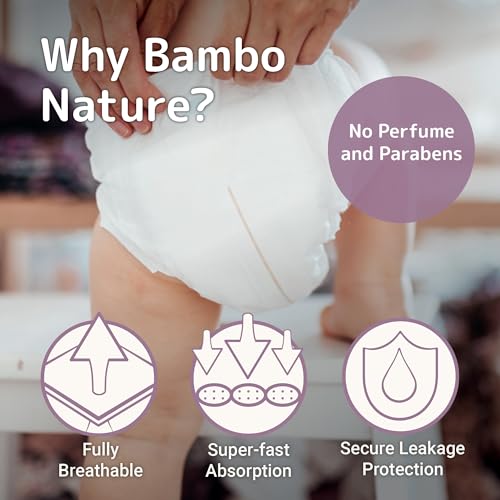
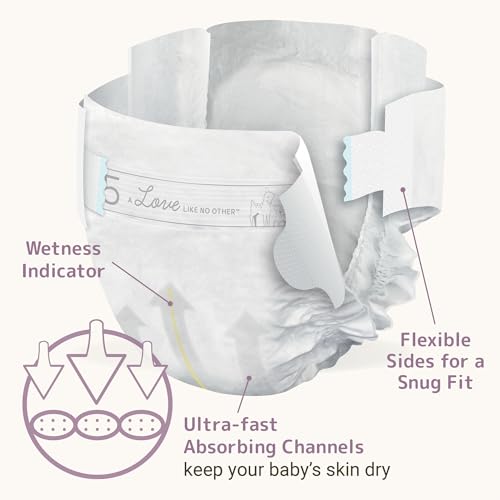

Bambo Nature Hypoallergenic Diapers Size 4

Strengths
- Great fit for active babies
- Breathable, leak-resistant
- Sustainably manufactured
Trade-offs
- No aloe or skin-nourishing additives
- Slightly stiffer feel than some
Bambo Nature’s Size 4 hits the sweet spot for many growing babies, covering 15–31 lbs with a fit that owners say stays secure during crawling and early walking. The flexible waistband and latex-free cuffs are a big reason why so many parents report fewer leaks and no chafing. I’ve seen consistent feedback that these diapers move with the baby, not against them.
The three-layer absorbent core is the real workhorse here, handling heavy wettings without sagging. And like all Bambo Nature diapers, it’s made with 100% wind power and carries the Nordic Swan Ecolabel, something no other major diaper brand can claim. If you’re comparing this to ECO BOOM, the bamboo content isn’t as high, but the overall balance of fit, function, and eco-credentials makes this my pick for most families in the mid-size range.
Product photos
Bambo Nature Hypoallergenic Diapers Size 6

Strengths
- Fits larger babies
- Wetness indicator
- Nordic Swan Ecolabel
Trade-offs
- Higher cost per diaper
- Fewer count than smaller sizes
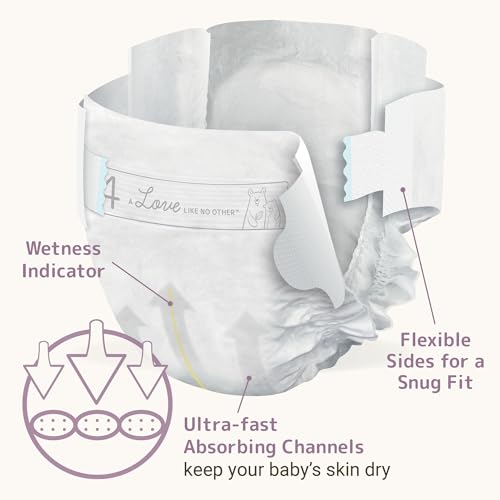
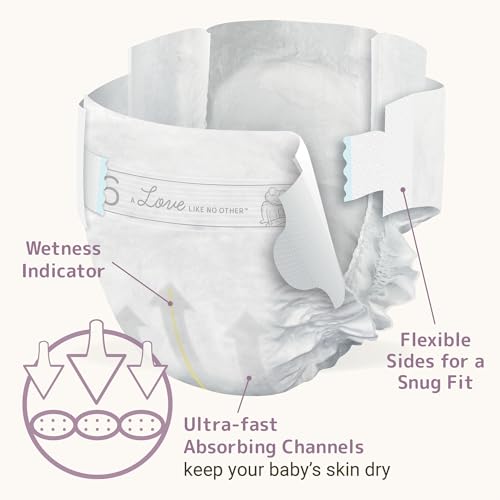
Size 6 from Bambo Nature stands out because it fills a real gap, diapers for larger babies that don’t sacrifice eco-credentials or comfort. Most bamboo or eco-diapers max out at smaller sizes, but this one goes up to 35+ lbs, which is a win for parents of bigger toddlers who still want a high-quality, skin-safe option. The wetness indicator is consistently praised in owner feedback, making night changes or daycare handoffs easier.
The three-layer core really delivers on absorbency, and the breathable backsheet helps reduce rash risk. I appreciate that the fluff pulp is TCF (totally chlorine-free), and the Nordic Swan Ecolabel is no easy certification to earn, it speaks to real environmental standards. The only downside is the price per diaper, which is higher than mainstream brands, but you’re paying for proven performance and sustainability.
Product photos
How We Chose These bamboo diapers
As a parent and creator of NurseryDreamer.com, I know how crucial it is to find diapers that are both gentle on your baby’s skin and better for the environment. Rather than a hands-on lab test, my research focused on a detailed comparison of published specifications, materials, and features across several brands. I also carefully weighed owner reviews and expert opinions from trusted parenting resources to understand real-world performance and satisfaction.
For bamboo diapers, absorbency and skin sensitivity are paramount. I prioritized diapers with high user ratings for leak protection, especially overnight, and those specifically marketed for sensitive skin. The inclusion of features like wetness indicators and flexible waistbands also factored heavily, as these directly impact comfort and convenience for both baby and parent. You can find more information about natural diapers on my site.
Specifications provide a baseline for absorbency claims and material composition, but owner feedback proved invaluable in assessing how those translate to daily use. Dermatologist testing and certifications (like the Nordic Swan Ecolabel) were strong indicators of skin safety. However, I paid close attention to reviews mentioning irritation or fit issues, as those experiences provide a more nuanced picture than specs alone. We also cover clean diapers for those seeking the purest options.
How To Pick The Right bamboo diapers
Finding the right diaper is a surprisingly complex task, and bamboo diapers offer a compelling alternative for parents seeking softer, more sustainable options.
A quality bamboo diaper balances absorbency with gentle materials, prioritizing skin health and environmental responsibility. Key features include a high viscose-from-bamboo content in the topsheet and backsheet, a reliably absorbent core (often enhanced with SAP – super absorbent polymer), and certifications confirming the absence of harmful chemicals like chlorine. Look for dermatological testing and consider the overall manufacturing practices of the brand.
Absorbency and Core Technology
Bamboo itself isn’t inherently super absorbent. What makes a bamboo diaper effective is the combination of the bamboo fibers with a highly capable absorbent core. Many brands, like Bambo Nature, use a multi-layered design incorporating SAP. Don’t assume all bamboo diapers are created equal; some rely more heavily on traditional fluff pulp, diminishing the benefits of the bamboo component. Pay attention to reviews mentioning overnight leak protection – this is a strong indicator of a well-designed core. Parents often find that a diaper marketed as “hypoallergenic” isn’t necessarily more absorbent, so consider those features separately.
Material Composition & Skin Sensitivity
The percentage of actual bamboo viscose matters. While a “bamboo diaper” sounds entirely plant-based, most have a blend of materials. ECO BOOM, for example, highlights its 100% bamboo viscose topsheet and backsheet, which is a good sign. However, the absorbent core still contains SAP and fluff pulp. For babies with very sensitive skin, prioritize diapers that are not only chlorine-free (TCF – Totally Chlorine Free is best) but also free of fragrances, lotions, and latex. Here’s what to keep in mind when evaluating materials:
- A high bamboo viscose content can contribute to softness.
- TCF pulp minimizes potential irritants from the bleaching process.
- Dermatological testing (like that performed by Dermatest) provides an extra layer of confidence, verifying the diaper’s suitability for sensitive skin and confirming the exclusion of fluorescent agents.
A diaper claiming to be “natural” isn’t automatically better. Always check the full ingredient list and look for independent certifications.
Sizing and Value
Finding the right size is crucial, and bamboo diapers, like all diapers, require careful attention to weight ranges. Bambo Nature offers a wide range of sizes, from Size 3 for 9-18 lbs all the way up to Size 6 for 35+ lbs, which is helpful as your little one grows. Don’t automatically size up; a snug fit is more important than a larger size that risks leaks. When comparing costs, consider the overall value. While bamboo diapers often have a higher upfront cost per diaper, their increased absorbency and potential for fewer changes could offset the price difference. If you’re exploring other eco-conscious options, you might also consider reusable diapers as a long-term investment, though they require a different level of commitment. Many parents also look for brands that prioritize sustainability beyond just the materials, like Bambo Nature’s use of 100% wind power in their manufacturing. For those wanting to explore broader options, we’ve also compiled a guide to the best environmentally friendly diapers.
Bamboo Diapers Compared
The following table provides a detailed specification comparison of available bamboo diapers.
| Product Title | Bamboo Top Sheet | Weight Range | Wetness Indicator | Chlorine Free | Eco Label |
|---|---|---|---|---|---|
| ECO BOOM Bamboo Viscose Diapers | Yes | N/A | No | Yes | N/A |
| Bambo Nature Size 3 | N/A | 9-18 lbs | Yes | Yes | Nordic Swan |
| Bambo Nature Dream Size 5 | N/A | 27-40 lbs | Yes | Yes | Nordic Swan |
| Bambo Nature Size 4 | N/A | 15-31 lbs | Yes | Yes | Nordic Swan |
| Bambo Nature Size 6 | N/A | 35+ lbs | Yes | Yes | Nordic Swan |
Frequently Asked Questions
Are bamboo diapers truly flushable?
No, bamboo diapers are not flushable, despite being marketed as more eco-friendly. Their absorbency and the presence of SAP mean they won’t break down in septic systems or sewer lines, potentially causing significant plumbing problems.
What’s the difference between “bamboo rayon” and “bamboo viscose”?
These terms are often used interchangeably, but “bamboo viscose” is the more accurate term for the processed fiber used in most bamboo diapers. Both refer to bamboo cellulose that has been chemically processed into a soft, textile material, but the manufacturing process for viscose is generally considered less environmentally damaging than rayon.
How do bamboo diapers perform with overnight use compared to traditional diapers?
Owner feedback suggests Bambo Nature diapers are frequently praised for overnight leak protection, thanks to their multi-layered absorbent core. However, absorbency varies by brand and baby, so it’s best to test a small pack before committing to a larger supply for nighttime use.
Can bamboo diapers help with diaper rash?
While bamboo diapers can be gentler on sensitive skin due to their softness and breathability, they aren’t a guaranteed solution for diaper rash. Choosing safe diapers free of chlorine and fragrances is helpful, but proper hygiene and barrier creams remain essential for preventing and treating diaper rash.
Are bamboo diapers a truly sustainable choice?
Bamboo diapers are generally a more sustainable option than traditional disposable diapers due to the fast-growing nature of bamboo and reduced chemical processing (when TCF pulp is used). However, the manufacturing process still has an environmental impact, so it’s best to consider them a step in the right direction rather than a completely zero-waste solution.
The Bottom Line
Choosing the best diaper often comes down to balancing what you’re willing to compromise on. Do you prioritize ultimate softness and a high bamboo content, or are you more focused on proven leak protection and certifications? Based on my research, Bambo Nature consistently rises to the top as a well-rounded choice, offering a compelling combination of absorbency, skin-friendly materials, and environmental responsibility.
For parents specifically seeking a diaper with a very high bamboo content, ECO BOOM Bamboo Viscose Diapers are an excellent option. If budget is a primary concern, while still wanting to explore bamboo options, Bambo Nature remains a strong contender due to its absorbency potentially reducing the number of diaper changes needed overall. And for little ones with sensitive skin prone to flare-ups, be sure to explore options for diapers for eczema as well.
Ultimately, the ‘best’ diaper is the one that works best for your baby. Don’t get too caught up in specific percentages or certifications. Prioritize a good fit, reliable absorbency, and materials that feel gentle against your baby’s skin. Considering organic diapers can also be a good starting point for finding gentle options.
