
4 Best Preemie Diapers of 2026
This post contains affiliate links. As an Amazon Associate, we learn from qualifying purchases
The best preemie diapers for most families are the Pampers Pure Baby Diapers Size 0, thanks to their hypoallergenic materials, secure fit, and reliable absorbency. For a budget-friendly disposable option, Huggies Gentle Care Preemie Diapers stand out. If you’re leaning toward a gentler, reusable choice, the OsoCozy Prefold Cloth Diapers offer simplicity and breathability.
Choosing the right diaper for a preemie isn’t just about convenience, it’s about protecting fragile skin and ensuring comfort during a critical stage. Many parents struggle to find a diaper that fits well without causing leaks or irritation, especially with an umbilical cord still healing.
This guide cuts through the noise by focusing on what matters: fit, material safety, and real-world performance. I compared specs and analyzed parent feedback to find options that deliver where it counts.
Top 4 Preemie Diapers in the Market
The Best Preemie Diapers, Reviewed
Huggies Gentle Care Preemie Diapers

Strengths
- Umbilical cut-out
- Breathable material
- Trim preemie fit
Trade-offs
- Not hypoallergenic
- Fewer skin additives
- Limited print designs
Huggies Preemie diapers are built for the tiniest newborns, and the umbilical cord cut-out is a standout in practice, parents consistently praise how it prevents irritation around the healing stump, something not all preemie diapers get right. The fit is trim and contoured, designed specifically for under 5 lbs babies, and the breathable outer layer helps reduce overheating, which matters in NICU settings. The wetness indicator works reliably, changing color clearly, though some note it can fade quickly under bright lights.
While they don’t have the hypoallergenic certifications of Pampers Pure, many hospitals stock these, and long-term user feedback points to solid performance with fewer leaks than generic brands. For a no-frills, dependable preemie diaper that just works, this is my go-to recommendation. It’s the best overall balance of fit, function, and availability, especially when you need a trusted option fast.
Video review
Pampers Pure Baby Diapers Size 0

Strengths
- Hypoallergenic materials
- Excellent wetness control
- Wider wetness indicator
Trade-offs
- Pricey for disposables
- Fit may be loose on micro-preemies
- Limited availability
Pampers Pure Size 0 is one of the few disposables marketed specifically for preemies under 10 lbs, and it shows in the thoughtful design. The LockAway Core is a standout spec, owners report noticeably drier skin at change time compared to other eco-disposables like Honest. The wider wetness indicator is genuinely helpful, especially at night, and the absence of fragrance, latex, and parabens makes this a top pick for sensitive skin. Clinically proven skin protection is not just marketing fluff, many NICU parents note fewer rashes when switching to Pure from standard Pampers.
That said, these aren’t the cheapest disposables out there, and some parents say the fit can run slightly large on micro-preemies under 5 lbs. Still, for those who want the safety of disposables with cleaner ingredients, this is the one to beat. Compared to Huggies Preemie, the rash protection and absorbency edge make it a smarter buy for longer wear, especially during fragile early weeks.
Video review
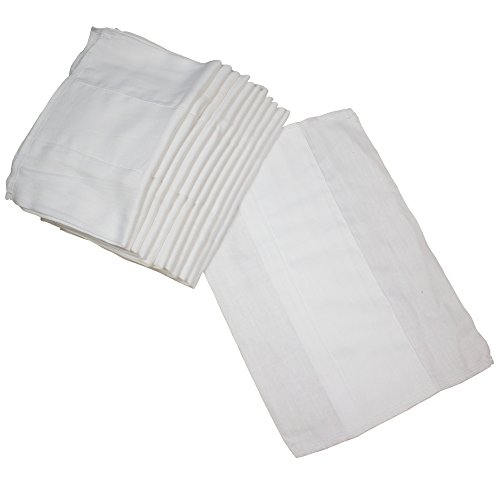
OsoCozy Prefold Cloth Diapers 100% Cotton
Strengths
- Soft right away
- No synthetic fillers
- Durable through washes
Trade-offs
- Requires cover
- Cloth commitment
- Slight chemical processing
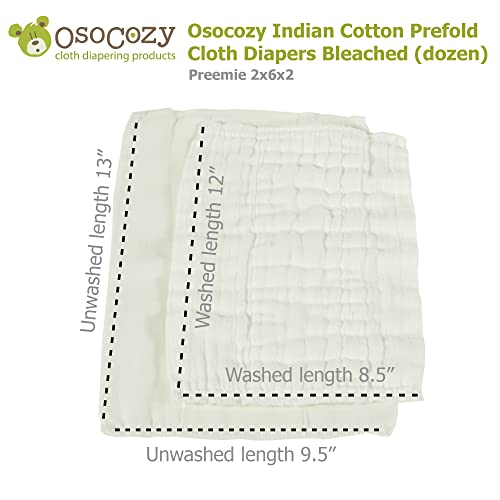
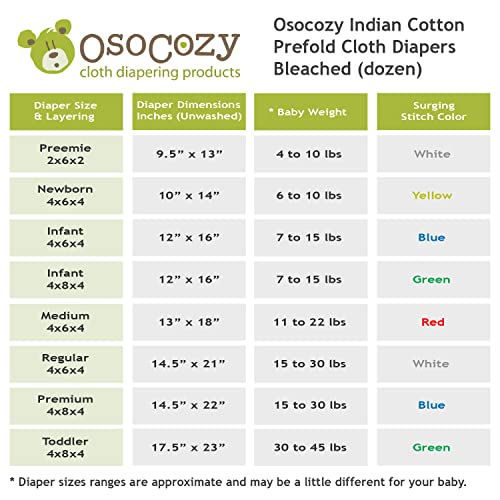
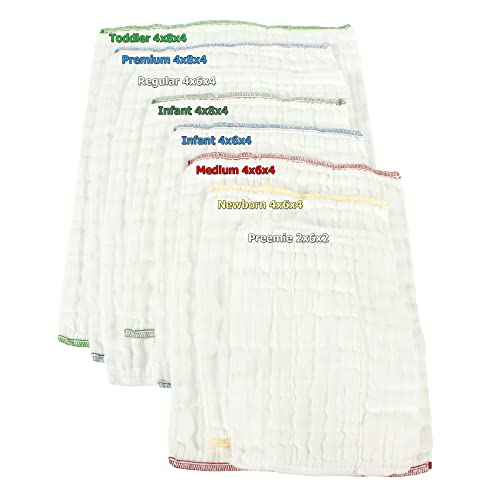
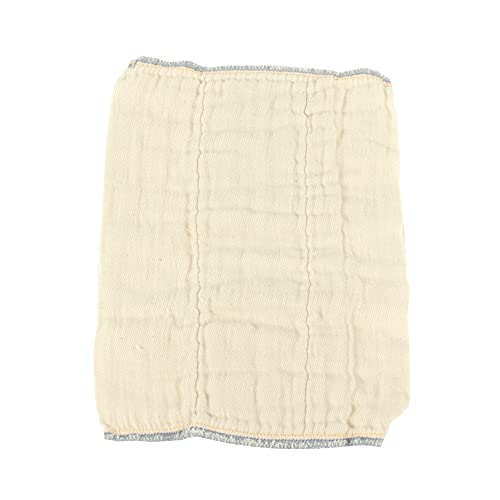
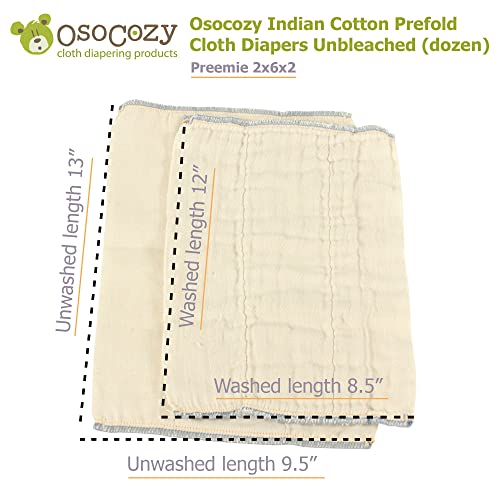
This version of OsoCozy’s prefolds uses bleached cotton instead of unbleached, which means they’re ready to use with less pre-washing, just a hot wash and dry to fluff up the fibers. The specs are nearly identical to their unbleached line: same 9.5″x13″ preemie size, same all-cotton construction, and the same thick gauze weave that reviewers say holds up well to repeated laundering. Many parents note these feel softer right out of the package compared to stiffer unbleached versions, which can matter when dealing with fragile preemie skin.
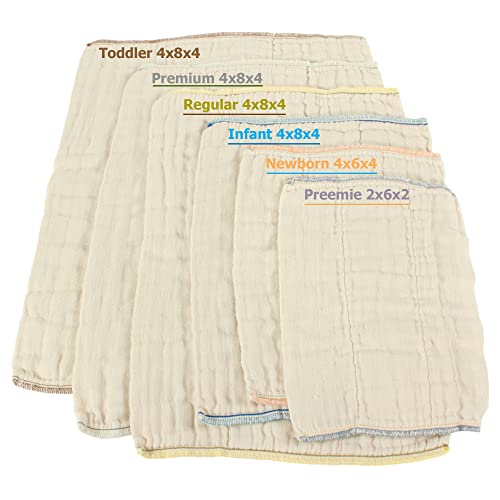
Where this model shines is in consistency, owners report fewer sizing surprises than with off-brand prefolds, and the 2x6x2 fold pattern makes them easy to adjust for tiny waists. Still, like all prefolds, they demand a cover and some technique. If you’re new to cloth, there’s a learning curve, but for those already in the routine, these are a reliable, cost-effective workhorse. I’d pick these over blended-fiber brands any day for their longevity and absorbency.
Product photos


OsoCozy Unbleached Prefold Cloth Diapers

Strengths
- 100% cotton
- Highly durable
- Eco-friendly
Trade-offs
- Requires pre-washing
- Needs diaper cover
- Cloth learning curve
These unbleached prefolds stand out for parents who prioritize natural materials and sustainability without sacrificing absorbency. The fact that they’re made entirely of 100% cotton, no synthetic fillers, is a major win for sensitive newborn skin and long-term durability. On paper, the 9.5″x13″ size fits preemies up to 10 lbs, and owners consistently report a snug, trim fit on low-birth-weight babies, which is rare with standard one-size options. The gauze weave adds thickness where it matters, and since they’re unbleached, there’s no chemical processing, but that does mean you’ll need to pre-wash them 2–3 times to reach full absorbency, which some parents find inconvenient.
Compared to blended-fiber prefolds, these hold up better over time and don’t trap odors like poly-rayon blends can. Still, they require a cover and a bit more effort than disposables, so they’re not ideal for sleep-deprived parents needing grab-and-go convenience. That said, for eco-conscious families planning to reuse diapers across multiple children, the long-term value is strong.
Product photos

How We Evaluated preemie diapers
As a parent and the creator of NurseryDreamer.com, I understand the unique concerns when shopping for a preemie – especially when it comes to diapers. Rather than a hands-on lab test, this research focused on comparing published specifications and features of various brands, then weighing those against what parents are saying in their reviews. I also considered my understanding of the specific needs of premature babies and what features truly matter for their delicate skin. Clear criteria centered on absorbency, fit, and skin sensitivity.
For preemie diapers, the most important factors are a secure, comfortable fit and gentle materials. A poorly fitting diaper can cause leaks and irritation, while harsh materials can exacerbate a preemie’s sensitive skin. Absorbency is also critical, as preemies often have unpredictable bowel movements. I prioritized diapers designed with an umbilical cord cutout, as this feature offers added comfort during the healing process.
Specifications reliably show absorbency capacity and material composition, but owner feedback really clarifies how those translate to real-world use. I paid close attention to comments about leaks, rashes, and overall comfort. For example, many parents specifically seek out hypoallergenic diapers for their little ones. Reviews also helped me assess the practicality of features like wetness indicators and the effectiveness of diapers designed for rash prevention diapers.
How To Pick The Right preemie diapers
Choosing the right diaper for a preemie is a uniquely sensitive task. It’s not just about absorbency; it’s about protecting incredibly delicate skin and ensuring a comfortable fit for a tiny human.
A good preemie diaper prioritizes softness, a secure but gentle fit around the umbilical cord, and reliable leak protection. Look for features designed specifically for lower weights (under 6 pounds) and consider materials that minimize irritation. Breathability is also key, as premature babies have thinner skin.
Size and Fit Are Paramount
The biggest mistake I see parents make is assuming a size 1 will work. Preemie diapers are specifically cut for those first few weeks, sometimes months, when a baby is still very small. Don’t be tempted to size up “to save money”; an ill-fitting diaper leads to leaks, which can cause skin breakdown. Pay close attention to the weight ranges provided by the manufacturer. Many brands offer preemie sizes specifically for babies under 6 pounds, and some even go smaller.
Material Considerations
For preemies, the material is everything. You want to avoid anything harsh or potentially irritating. Many parents gravitate toward more natural options, and for good reason. Pampers Pure diapers, for example, focus on hypoallergenic materials. But even within disposable diapers, features like a breathable outer layer and a soft inner lining can make a huge difference. If you’re concerned about potential sensitivities, exploring sensitive skin diapers is a smart move.
Here’s what to consider when weighing material options:
- Disposable: Convenient, widely available, and often feature wetness indicators.
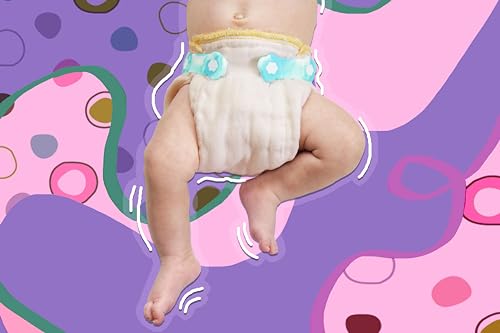
- Cloth (Prefold): A reusable option, like the OsoCozy prefolds, that requires more work but can be gentler on the skin and better for the environment. Prepping is crucial (multiple hot washes) to maximize absorbency.
- Hybrid: Some systems allow you to use a cloth insert within a disposable outer shell, offering a balance of convenience and natural materials.
Absorbency and Leak Protection
Premature babies often have unpredictable bowel movements, so reliable absorbency is critical. Look for diapers with a core designed to lock away moisture and prevent leaks. The Pampers Pure diapers boast a “LockAway Core” specifically for this purpose. With cloth diapers, the absorbency is tied to the number of layers and the material itself (cotton is excellent). It’s also important to remember that fit plays a huge role in preventing leaks – a snug but not tight fit around the legs and waist is ideal.
A leaky diaper isn’t just a mess; it’s a potential source of skin irritation. Always check the fit and change frequently, even if the diaper doesn’t seem full.
If you’re looking for options that prioritize minimizing exposure to potentially harmful substances, exploring chemical-free diapers can give you peace of mind.
Preemie Diapers Compared
Here’s a comparison of key specifications for the preemie diapers described.
| Product Name | Size Range | Material | Wetness Indicator | Absorbency | Hypoallergenic |
|---|---|---|---|---|---|
| Huggies Gentle Care Preemie Diapers | N/A | N/A | Yes | N/A | N/A |
| Pampers Pure Baby Diapers Size 0 | N/A | N/A | Yes | High | Yes |
| OsoCozy Prefold Cloth Diapers 100% Cotton | 4-45 lbs | 100% Cotton | N/A | High | N/A |
| OsoCozy Unbleached Prefold Cloth Diapers | 4-45 lbs | 100% Cotton | N/A | High | N/A |
Frequently Asked Questions
What size preemie diaper should I start with?
Generally, you should begin with the smallest preemie size available (under 6 pounds) and adjust as your baby grows. Don’t size up hoping to avoid frequent changes; a proper fit is far more important for preventing leaks and skin irritation.
Are cloth diapers a good option for a preemie?
Cloth diapers, like the OsoCozy prefolds, can be a gentle option, but require significant preparation and more frequent changes. They need multiple hot washes before first use to maximize absorbency and minimize potential irritation, and you’ll need to factor in washing time.
How often should I change a preemie’s diaper?
Change a preemie’s diaper every 2-3 hours, or immediately after a bowel movement, to prevent skin irritation. Premature babies have very delicate skin, and prolonged exposure to moisture can quickly lead to breakdown.
What features should I look for to prevent diaper rash?
Beyond a highly absorbent core, look for diapers with a breathable outer layer and a soft inner lining. If your baby is prone to rashes, exploring organic diapers or those designed for sensitive skin can offer extra protection.
Can I use the same diapers for daytime and nighttime?
While some diapers work for both, you may find you need a more absorbent diaper for overnight use. Considering newborn overnight diapers can help ensure your baby stays dry and comfortable throughout the night.
The Bottom Line
Choosing preemie diapers really comes down to balancing convenience with your priorities for your baby’s delicate skin. While there’s no single “best” option, based on specifications and parent feedback, Pampers Pure Baby Diapers Size 0 consistently rise to the top as a reliable, absorbent choice with a focus on hypoallergenic materials. It’s a strong starting point for many families.
For parents seeking a more sustainable and potentially gentler option, or those wanting to avoid certain chemicals, the OsoCozy Prefold Cloth Diapers are an excellent pick. They require more effort upfront with washing and fitting, but offer a customizable and reusable solution. If you’re particularly concerned about preventing messes, exploring diapers that prevent blowouts can provide extra peace of mind.
Ultimately, the most important thing isn’t a specific brand or feature, but a secure, comfortable fit, frequent changes, and gentle care. Prioritizing those fundamentals, along with choosing materials that feel right for your baby, will make the biggest difference in keeping your little one happy and healthy. Consider exploring best natural diaper brands if you’re looking for even more eco-conscious options.
