
Does Diaper Rash Cause Diarrhea? The Pediatric Connection
This post contains affiliate links. As an Amazon Associate, we learn from qualifying purchases
Diaper rash does not cause diarrhea. The relationship runs the opposite direction: diarrhea is a major cause of diaper rash. A 2023 study of 58 infants found a statistically significant correlation (r=0.536) between the duration of a child’s diarrhea and the severity of their diaper dermatitis. The mechanism is physical and chemical, frequent, loose stools irritate the skin and activate enzymes that break it down. Treating the rash requires managing the diarrhea first.
That correlation number is the key. It tells you the connection isn’t just parental observation; it’s documented in clinical settings. When a baby has diarrhea, the skin’s defense is overwhelmed faster than with normal bowel movements.
What follows is a breakdown of that mechanism, how to identify a rash triggered by diarrhea, and the specific, simultaneous care steps that clear both. You’ll learn why standard prevention fails during a stomach bug and which products create a genuine barrier against acidic stool.
Key Takeaways
- Diarrhea is a primary driver of diaper rash, not a symptom of it. The correlation is strong and documented.
- Loose stools contain active digestive enzymes (lipase, protease) that directly damage skin, especially when skin pH rises.
- A rash from diarrhea typically appears as a widespread, bright red burn around the anus and buttocks, sparing deep creases.
- Treatment requires a two-pronged approach: manage the diarrhea’s cause and frequency while protecting skin with a thick, zinc-oxide-based barrier cream.
- If a bright red rash with satellite spots appears during or after antibiotic use, suspect a secondary yeast (Candida) infection, which requires an antifungal.
The Clear-Cut Answer: Which Comes First?
You notice the rash. Then you notice the loose stools. It’s easy to link them backward. The clinical evidence is unambiguous: diarrhea precedes and provokes the rash.
A 2023 study published in the Open Dermatology Journal examined 58 infants aged 0–24 months. The analysis found a positive correlation coefficient of r=0.536 between the duration of diarrhea and the severity of diaper dermatitis, with a p-value of 0.0001. Infants without diarrhea were about 0.4 times less likely to develop a rash.
That’s a moderate-to-strong correlation. It means as one variable (diarrhea days) increases, the other (rash severity) reliably increases with it. The study’s setting, multiple health centers, adds weight to the finding beyond anecdote.
Why does this matter for your response? Because treating a diarrhea-induced rash with only standard diaper rash prevention tactics will fail. You are fighting a different, more aggressive irritant. The skin needs a fortress, not just a frequent change.
The timeline is also telling. A history of increased stool frequency or looseness usually comes first, with the characteristic erythema developing about two days later. If your baby has a stomach bug, consider the rash an expected complication, not a separate issue.
The Biochemical Reason Diarrhea Burns Skin
Stool is always an irritant. Diarrhea turns that irritant into a solvent. The change is both physical and chemical.
Normally, stool has a formed consistency and a balanced pH. Diarrhea is watery, which means it spreads easily and coats more skin surface. It also contains undigested sugars and fats. More critically, the accelerated gastrointestinal transit means digestive enzymes, specifically lipase and protease, don’t get fully broken down. They arrive in the diaper still active.
When skin is wet, its pH rises. This alkaline environment activates the fecal enzymes present in diarrhea. Lipase breaks down fats in the skin’s protective barrier. Protease breaks down proteins. Together, they literally digest the outermost layer of the skin, making it raw and permeable.
This is the core pathophysiology of diaper rash when diarrhea is involved. It’s not just moisture. It’s a chemical attack on compromised skin. This is also why babies who poop frequently, even without a full bug, are at higher risk. Each change resets the clock on enzyme exposure.
| Factor | Normal Stool | Diarrhea | Consequence for Skin |
|---|---|---|---|
| Consistency | Formed | Watery, loose | Spreads thinly, coating more skin area |
| Enzyme Activity | Low / Inactive | High / Active | Lipase & protease break down skin lipids & proteins |
| Skin Contact Time | Limited by change frequency | High (more frequent stools) | Prolonged exposure to irritants |
| pH Environment | Near neutral | Often more alkaline | Activates enzymes, damages skin barrier |
This breakdown explains why a simple rash can escalate quickly during a bout of diarrhea. The skin’s natural defense is chemically outmatched.
Identifying a Diarrhea-Induced Rash
Not all redness is the same. A rash driven by diarrhea has a distinct pattern that helps you confirm the cause and choose the right treatment for severe diaper rash.
Visually, it looks like a burn. The skin on the convex surfaces, the buttocks, lower abdomen, genitalia, and upper thighs, will be uniformly bright red, warm to the touch, and may feel slightly swollen. It often appears as a fiery red ring around the anus. Crucially, it typically spares the deep skin creases (like the groin folds). That’s because those folds have less direct contact with the flowing stool.
If the rash spreads into the creases, or if you see bright red patches with tiny red “satellite” pustules at the edges, the game has changed. You’re likely dealing with a secondary yeast infection (Candida albicans). Yeast thrives in the warm, damaged skin, and it’s a common follower of diarrhea, especially if antibiotics are involved.
Where this goes sideways: Using a standard hydrocortisone cream on a yeast rash. Steroids can suppress inflammation but feed the fungal overgrowth, making it worse. An antifungal like clotrimazole or miconazole is required.
Here’s a quick reference to distinguish the primary irritant rash from a complicating yeast infection:
| Symptom | Irritant Rash (from Diarrhea) | Yeast Infection (Candida) |
|---|---|---|
| Color | Bright, uniform red | Deep red with sharp borders |
| Pattern | On convex surfaces; spares deep creases | Involves skin creases and folds |
| Surface | Smooth, raw, or glazed | May have a shiny, peeling appearance |
| Key Sign | None | Satellite lesions—small red spots or pustules just outside the main rash |
| Common Trigger | Frequent loose stools | Antibiotic use, prolonged wetness |
If you see signs of yeast, the approach shifts. You need an antifungal cream applied twice daily for 7-10 days on top of your barrier protection.
Treating the Rash While Managing the Diarrhea
Effective care is simultaneous. You must address the source (the diarrhea) while building a physical shield for the skin. Half-measures prolong the problem.
Step 1: Change the Protocol, Not Just the Diaper.
Frequency is your first weapon. Change the diaper immediately after every stool, even at night. For diarrhea, “soon enough” means instantly. Rinse the skin with warm water from a squeeze bottle or gentle pour, avoid wiping. Pat dry with a soft cloth; never rub.
Common mistake: Using scented wipes on raw skin. The alcohol and fragrances are additional irritants. For diarrhea rash, water and a soft cloth are the only safe cleansers.
Step 2: Deploy a Heavy-Duty Barrier.
This is where your diaper rash cream for diarrhea is non-negotiable. You need a thick paste containing zinc oxide (40%) or petroleum jelly. These are occlusive barriers. Their job isn’t to heal the skin actively but to create an impenetrable layer between the skin and the next stool. * Apply a thick layer, like frosting a cake. You should not see skin through it. * It does not need to be fully removed at each change. Wipe off only the soiled top layer and reapply. * Products like Desitin Maximum Strength or Triple Paste are formulated for this. A generic zinc oxide paste works identically.
Step 3: Maximize Air Exposure.
Air is a free and powerful healing agent. After cleaning and drying, let your baby go diaper-free for 10-15 minutes several times a day. Lay them on a towel. This reduces moisture and changes the environment.
Step 4: Address the Diarrhea’s Cause.
Work with your pediatrician to understand why the diarrhea is happening. Is it a viral bug? A food sensitivity? Antibiotics? Managing the underlying cause reduces the assault. For mild viral diarrhea, ensuring good hydration is key. For antibiotic-associated diarrhea, a probiotic may help.
Step 5: Know When to Escalate.
Most irritant rashes improve within 3-4 days of this aggressive protocol. If there’s no improvement after 72 hours, or if the rash bleeds, has blisters, or spreads, call your doctor. You may need a prescription-strength barrier or need to rule out a bacterial infection like impetigo.
Preventing Rash During Future Episodes
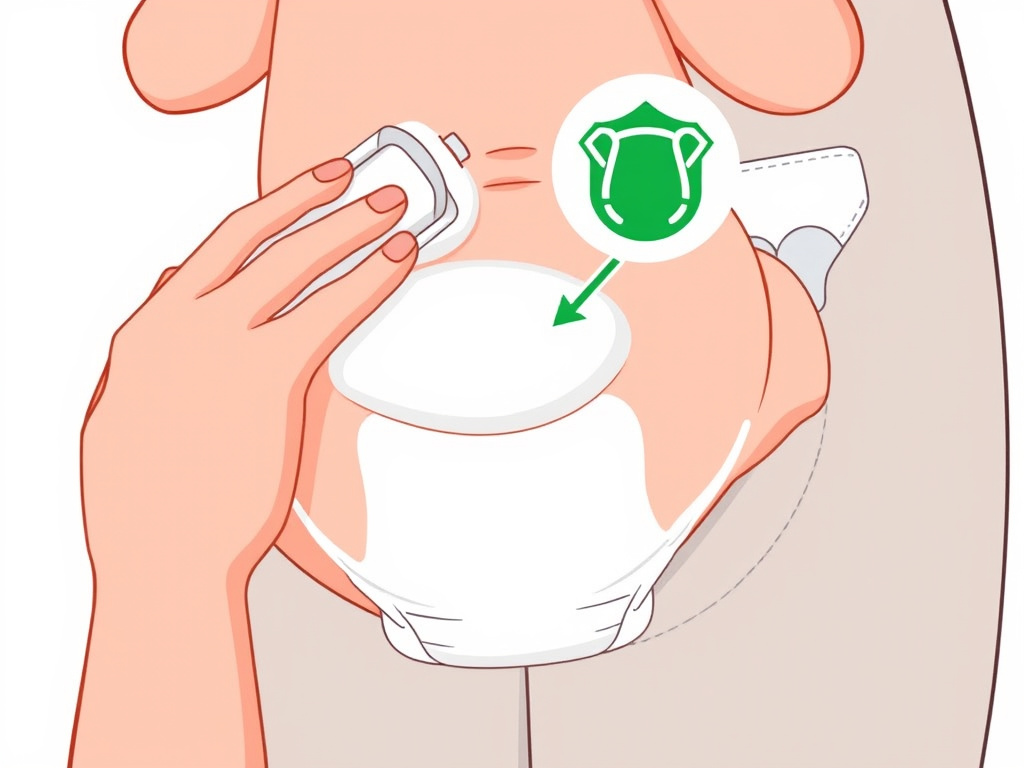
Once you’ve been through it, the goal is to never let the rash get a foothold again. Prevention during diarrhea is proactive, not passive.
Start the heavy barrier cream at the first sign of loose stools, not after redness appears. Think of it as preemptive armor. Increase diaper change frequency immediately, even if it means waking at night. Consider switching to a super-absorbent disposable diaper for the duration of the illness, the gel technology in these pulls moisture away from the skin more effectively than cloth or standard disposables.
Also, scrutinize your cleaning routine. Ditch all wipes, even “sensitive” ones, until stools are back to normal. Use plain water and cotton rounds. This single step removes a variable that often worsens diaper rash.
The part nobody mentions: Diarrhea can temporarily increase skin sensitivity. A laundry detergent or baby wash that was once fine might now cause a secondary allergic reaction on the already-weakened skin. Stick to the blandest, most basic products until the skin is fully healed.
Frequently Asked Questions
Can teething cause both diarrhea and diaper rash?
Teething itself does not cause diarrhea. However, excess drool during teething can sometimes lead to looser stools. The more direct link is that a teething baby may be more fussy, leading to slightly different feeding patterns or parental introduction of new foods/solids, which can disrupt digestion. Any episode of loose stool, regardless of origin, increases rash risk.
How long does a diarrhea-related rash last?
With proper, aggressive treatment, a mild-to-moderate rash should show significant improvement in 3 to 4 days. Severe rashes, or those complicated by yeast, may take a week or longer to fully resolve, even with correct ointment for diaper rash from diarrhea. The healing timeline directly depends on stopping the frequent stool insults.
Is it okay to use cornstarch or baking powder on the rash?
No. This is an outdated and risky remedy. Cornstarch can feed a yeast (Candida) infection, making it much worse. Baking soda can alter skin pH unpredictably. Stick with modern, formulated barrier creams like zinc oxide paste. The science behind rash cream is well-established; kitchen pantry items are not.
When should I call the doctor about diaper rash and diarrhea?
Contact your pediatrician if: * The rash doesn’t improve after 3 days of proper home treatment. * The rash is severe with blisters, sores, or bleeding. * You suspect a yeast infection (satellite spots) and an over-the-counter antifungal isn’t helping within a few days. * Your baby has a fever alongside the rash and diarrhea. * The diarrhea is severe, persistent, or contains blood or mucus. * Your newborn (under 3 months) has a rash.
Why does my baby keep getting rash after diarrhea clears?
The skin barrier remains damaged and vulnerable for days after the diarrhea stops. Continuing the thick barrier cream for at least 2-3 days after stools normalize allows the skin to fully repair itself. Also, consider if a mild yeast diaper rash took hold and needs specific antifungal treatment.
Before You Go
The link between diaper rash and diarrhea is real, but the direction is critical. Diarrhea causes the rash through a potent mix of physical irritation and enzymatic damage. Your response must match that intensity.
Focus on the two-front battle: manage the digestive upset with your pediatrician’s guidance, and defend the skin with relentless hygiene and a thick, zinc-oxide-based barrier. Skip the folk remedies and recognize the signs of a secondary yeast infection. For most families, a high-strength diaper rash cream like Desitin or Triple Paste, applied correctly, is the cornerstone of getting through a stomach bug without a prolonged skin battle. The evidence gives you a clear path, now you have the steps to walk it.
