
Changing Diaper Before or After Feeding: The Essential Guide
This post contains affiliate links. As an Amazon Associate, we learn from qualifying purchases
Change the diaper before feeding, every time. This prevents a full stomach from pressing upward during the change, which can trigger acid reflux and spit-up. It also establishes a clean, dry barrier before a meal, reducing the risk of post-feeding diaper rash and allowing the baby to sleep undisturbed afterward. The only exception is for fragile preterm or ill infants, where clinical protocols prioritize minimizing stress over the feeding sequence.
That “before” rule serves as a crucial barrier against two compounding problems: digestive upset and skin infection. A diaper change involves laying the baby flat, often with legs lifted.Do that on a full stomach, and you’re essentially tipping a liquid meal back toward the esophagus.
State childcare regulations, like Pennsylvania’s, mandate diaper checks at least every two hours. That schedule naturally creates checkpoints between feedings for most infants. By aligning your routine with this cadence, change, then feed, then sleep, you work with the baby’s biology instead of against it. The goal is a calm baby, a clean diaper, and a full belly, in that order.
What follows: the mechanical reason the sequence matters, the two-hour checkpoint rule, the single medical exception that flips the script, and how to build a routine that prevents midnight blowouts.
Key Takeaways
- Change before feeding to prevent acid reflux from a full stomach being compressed during the diaper change.
- A dry diaper before a meal reduces the mixing of urine with stool after feeding, a primary chemical cause of diaper rash.
- Mandatory diaper checks every two hours, as required by states like Pennsylvania and Utah, create natural pre-feeding change opportunities.
- For preterm or medically fragile infants, clinical standards prioritize minimizing physiological stress; the diaper change may need to happen after feeding or during care clustering.
- The “change-feed-sleep” cycle minimizes sleep disruption and helps establish a predictable routine.
The Core Rule: Change Before Feeding
This is the default for a reason you can feel. A newborn’s digestive system is a straight, short tube with a weak valve at the top.When you lay a baby flat and lift their legs to wipe, you increase abdominal pressure.
Changing a diaper on a full stomach is like squeezing a just-filled water balloon at the bottom. The contents have nowhere to go but back up the open neck.
That pressure forces milk or formula back up the esophagus, resulting in spit-up or, worse, painful acid reflux. The baby then associates feeding with the discomfort of the change that follows, which can lead to feeding aversions. You also risk a major mess, a well-timed poop during the change, combined with the pressure, can become a projectile situation.
The skin-care reason is just as direct. A baby typically urinates during or immediately after a feeding, it’s a physiological reflex. If you change after the feed, you’re often putting a fresh diaper on a baby who will wet it within minutes. More critically, a soiled diaper from before the feed will stew against the skin during the meal. When the baby then has a post-feed bowel movement, the new stool mixes with the old urine. This combination creates ammonia quickly, which burns skin and causes diaper rash.
The sequence is clean, feed, sleep. A dry baby eats peacefully, then drifts off without the disturbance of a mid-sleep change. This cycle is the backbone of any sustainable newborn routine.
Why the Two-Hour Checkpoint Makes It Practical
You might wonder how to time this if the baby wakes up hungry. This is where regulated childcare schedules provide the answer.
Where this goes sideways: Waiting for a cry to signal a dirty diaper. By then, the skin has been wet or soiled for too long, and the baby is already distressed, making a pre-feed change a battle.
State codes, like 55 Pa. Code § 3270.135 and Utah Admin. Code R430-50-23, require caregivers to check diapers at least every two hours and whenever the child indicates discomfort. This isn’t arbitrary. The two-hour window aligns with a newborn’s typical feeding frequency. The protocol means you check, and change if needed, on a schedule, not just on demand.
| Time | Action | Reason |
|---|---|---|
| Wake-up | Check/Change Diaper | Start the cycle clean. |
| 0-10 min | Feed | Baby is calm, dry, and hungry. |
| After Feed | Burp, Cuddle, Sleep | No immediate change needed. |
| ~2 hrs later | Mandatory Check | Catch wetness before next feed. |
This proactive diaper check schedule prevents the skin from prolonged contact with moisture and almost guarantees you enter the next feeding window with a clean baby. It turns the question from “before or after?” into a system.
The Exception for Preemies and Ill Infants
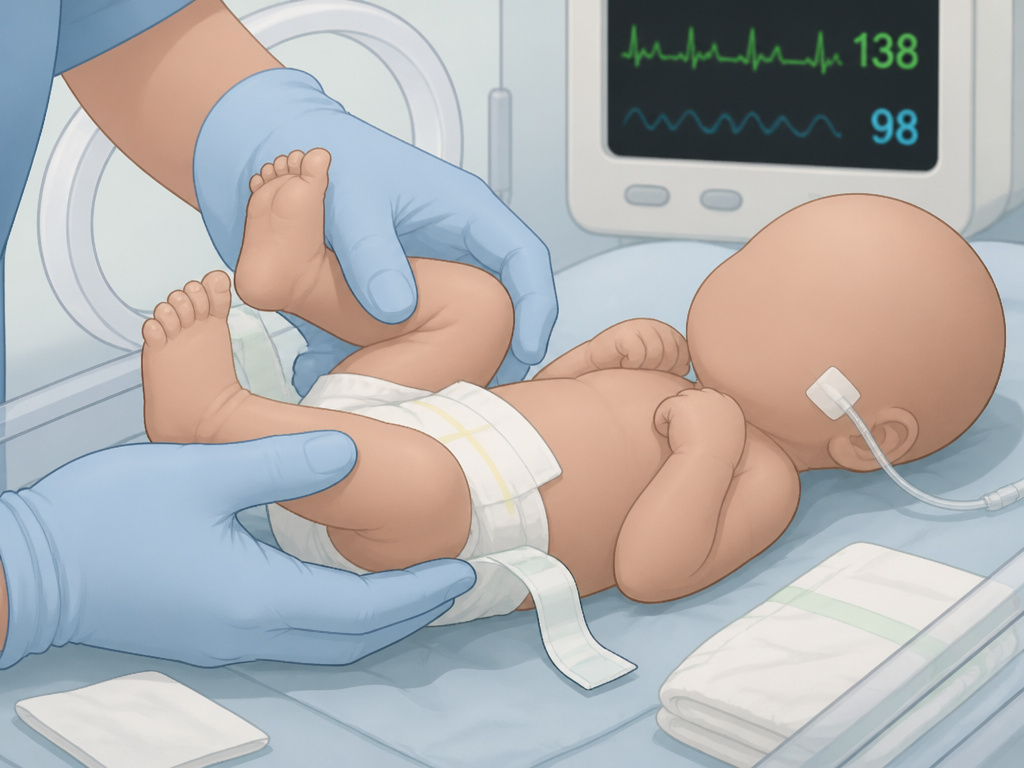
For most healthy, full-term infants, the rule is absolute. But medicine is about exceptions. For extremely preterm or hospitalized infants, the priority shifts from sequence to stability.
The European nappy change protocol states the procedure must “minimise physiologic instability.” For these fragile babies, a diaper change is a significant stressor. It can cause dangerous fluctuations in heart rate, blood pressure, and oxygen levels.
“The procedure can be stressful, especially for extremely preterm and ill infants. The manner in which nappy change is performed makes a difference for the infant’s comfort and physiologic and behavioural stability.” , ESCNH newborn care standard
In this context, nurses cluster care. They might perform the diaper change after a feeding when the baby is most settled, or during a scheduled care time that includes other handling. The focus is on gentle, supported positioning and minimizing total disturbances, not on maintaining a pre-feed diaper. If you have a medically fragile baby, the NICU team’s guidance overrides the standard rule.
Risks of Changing After Feeding
Choose the after-feeding path and you invite a predictable set of problems. The first is the reflux already mentioned. The second is sleep disruption.
A baby fed to sleep is in a deep, restorative sleep cycle. Interrupting that with a cold wipe, bright lights, and handling is a surefire way to trigger full wakefulness. What could have been a two-hour nap becomes a 45-minute ordeal of re-settling. This fragments sleep for both baby and parent, undermining the very rest the feeding was meant to enable.
From an infection-control standpoint, changing after feeding on a shared surface is riskier. The CDC swimmer hygiene guide emphasizes that diaper-changing surfaces are high-risk zones for pathogen transmission. A sleepy, full baby is more likely to be fussy and squirm, increasing the chance of accidental contact with a soiled surface or inadequate cleaning by a rushed caregiver.
Finally, you compromise skin integrity. Urine left on skin during a feed softens it, making it more susceptible to abrasion from wiping. Follow that with the acidic post-feed stool, and you’ve created the ideal environment for a severe diaper rash to develop within a day.
Building Your Change-Feed-Sleep Routine
A routine is a flexible pattern that reduces decision fatigue. The change-feed-sleep cycle is that pattern.
- At the wake-up cue (stirring, soft sounds), go to the baby. Check the diaper immediately. If it’s wet or soiled, change it now. This is your non-negotiable first step.
- Feed the baby. They’re now clean and ready to eat calmly. Offer a full feeding.
- After feeding, burp the baby well. Hold them upright for 10-15 minutes if reflux is a concern, then settle them for sleep.
- Set a timer for two hours from the start of the last change. Even if the baby is sleeping, this is your next checkpoint. This habit ensures you never go too long between changes and keeps you ahead of the hunger cue.
This cycle directly supports your diaper change frequency goals and builds a predictable changing schedule. It answers the question of changing a sleeping baby, yes, for a mandatory check, but you do it before they eat, so they can return to sleep easily.
Common mistake: Feeding first to calm a crying baby, hoping to then change a dirty diaper. The baby often falls asleep mid-feed, leaving you with a soiled diaper that will cause a rash and a sleeping baby you’re afraid to wake. Break the cycle by changing first, even if they protest for a minute.
The Toolkit for a Smooth Change
Your setup dictates your speed and calm. Have everything within arm’s reach before you lay the baby down: – A clean diaper, opened and ready. – Wipes (preferably warmed in a wipe warmer for night changes to avoid a cold shock). – Diaper cream if needed. – A change of clothes, in case of leaks. – A designated, cleanable surface.
A well-executed newborn diaper change is a three-minute affair. A disorganized one takes ten and stresses everyone. The basic diaper change steps are the same; the preparation is what makes it part of a healthy routine.
Special Situations: Night Feeds and Dream Feeds
Nighttime seems to break all rules, but the principle holds. For a dream feed (where you feed a sleeping baby to top them off), the goal is minimal disruption.
If the diaper is only wet, it’s often best to skip the change and let the baby sleep. A high-quality overnight diaper is designed to handle this. If the diaper is soiled, you must change it. In this case, follow the sequence: change very gently in low light, then feed, then immediately back to sleep. This is the one scenario where “change, then feed” is used specifically to preserve sleep, not initiate it.
Your approach to dream feed diaper change decisions will depend on your baby’s skin sensitivity and your diaper’s absorbency. When in doubt, a quick check during the feed prep tells you what you need to know.
Health, Hygiene, and the Bigger Picture
This sequence is a foundational health practice. Proper diaper changing hygiene, as outlined in the FightBAC cleaning guidelines PDF, requires cleaning and disinfecting the surface after each change.Doing this before feeding means your hands and the area are sanitized before you handle the baby’s bottle or prepare to breastfeed.
It also ties directly to preventing diaper rash. A key tip is ensuring the skin is completely dry before applying a new diaper. Doing this before a feed gives you a calm, patient window to air-dry the skin thoroughly, rather than rushing to soothe a hungry baby.
For babies who resist diaper changes, the pre-feed change is still easier. They are hungry, so the promise of food after the change is a powerful motivator to endure a few moments of wiping. Changing after a feed offers no such reward, only discomfort on a full belly.
Frequently Asked Questions
What if my baby poops right after I feed them?
This is common. If you’ve changed before the feed, the post-feed poop lands in a clean, dry diaper. Change it promptly, but gently. The baby will likely be sleepy, so keep the lights low and movements slow. You’ve still avoided the major risk of mixing stool with pre-existing urine.
Does the “change before” rule apply to bottle-fed and breastfed babies equally?
Yes. The reflux risk from abdominal pressure is identical. The routine benefit is the same. Breastfed babies may cluster feed in the evening, shortening the windows. Stick to the two-hour check rule during these times; if the diaper is wet at a checkpoint, change it even if you’ll feed again soon.
How do I know if a diaper is wet enough to change before a feed?
Use the mandatory check rule. If it’s been two hours, change it. If it’s been less, feel the front of the diaper for fullness. Any noticeable swell or dampness means change it. When identifying a wet diaper, err on the side of dryness. A fresh diaper is cheaper than treating a rash.
My baby always falls asleep while eating. How do I change before?
This is a cue that the change is even more critical. Begin the feed as soon as the clean diaper is on. If they doze off, you can be confident they are clean and can sleep without interruption. If you had fed first, you’d now be stuck with a sleeping baby in a dirty diaper.
What about during a growth spurt when they want to feed constantly?
During cluster feeding, the two-hour check is your anchor. At each checkpoint, change the diaper. This ensures that even if they feed again immediately, they start that feed clean. It prevents the skin from being constantly wet during a long feeding session.
The Bottom Line
Change the diaper first. This simple sequence is the strongest defense against reflux, rash, and ruined sleep. It transforms diaper changes from reactive emergencies into predictable, calm moments of care. Tie it to the two-hour check mandated by health codes, and you have a system that works even when you’re exhausted.
The exception is sacred: for the tiniest, most fragile infants, follow the clinical team’s lead to minimize stress. For every other baby, a clean start leads to a better meal and a deeper sleep. That’s a win you can build a day around.
