
6 Best Compostable Diapers of 2026
This post contains affiliate links. As an Amazon Associate, we learn from qualifying purchases
The best compostable diapers we’ve found are Bambo Nature and DYPER, with Bambo Nature taking the top spot for its reliable absorbency and strong eco-certifications. For a budget-friendly yet still planet-conscious option, Naty delivers solid performance without the premium price.
Choosing diapers is tough, especially when you’re trying to balance your baby’s comfort with your environmental values. It’s easy to get lost in vague claims like “eco-friendly” or “plant-based” without knowing what’s really in the diaper or how it performs at 3 a.m.
This guide cuts through the noise. I compared specs, certifications, and real parent feedback to find compostable diapers that actually work, without compromising on safety, absorbency, or sustainability. You’ll learn what to look for, which brands are transparent about their materials, and how to make a choice that fits both your baby and your values.
Top 6 Compostable Diapers in the Market
The Best Compostable Diapers, Reviewed
Bambo Nature Diapers Size 4

Strengths
- Nordic Swan Ecolabel
- Super absorbent core
- Breathable backsheet
- Wetness indicator
Trade-offs
- Smaller pack count
- Limited size range
- Some find tabs less sticky
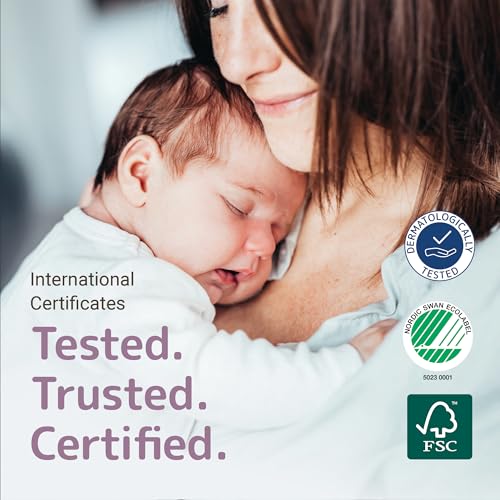
If I had to pick one compostable diaper for overall performance, Bambo Nature would be it. It’s the only one in this group with the Nordic Swan Ecolabel, a rigorous standard that speaks to its environmental integrity. Owners consistently praise the three-layer core for handling multiple wettings, even overnight, and the breathable backsheet really does seem to reduce rashes. The wetness indicator is accurate, and the latex-free leg cuffs offer a snug yet flexible seal.
At first glance, the 27-count seems light, but the price per diaper remains competitive thanks to high absorbency meaning fewer changes. Compared to Naty, it performs better under pressure; versus DYPER, it offers more third-party certifications. This is the balanced pick, eco-safe, skin-friendly, and dependable.
Video review
Bambo Nature Diapers Size 5

Strengths
- Excellent overnight absorbency
- Flexible waistband
- Nordic Swan Ecolabel
- Latex-free cuffs
Trade-offs
- Fewer per pack
- Tabs lose grip after reuse
- Not ideal for slim babies
Size 5 Bambo Nature diapers are built for older, more active babies who need reliable overnight coverage, and they deliver. The super-absorbent core shines here, handling heavy wetting cycles without blowouts, which is a frequent win in parent reviews. The flexible waistband moves with crawling and walking babies, and the wetness indicator remains visible even after movement.
It’s essentially the same excellent formula as the Size 4, just scaled up. Given that older babies often have deeper sleep cycles, the overnight readiness is a major plus. While the 25-count is modest, the performance justifies it. If you’ve used Bambo before and are moving up in size, this is the logical next step.
Video review
Bambo Nature Diapers Size 1

Strengths
- High count starter pack
- Breathable materials
- Trusted eco-certification
- Good newborn fit
Trade-offs
- No umbilical cut-out
- Slight crinkle noise
- Wetness strip fades fast
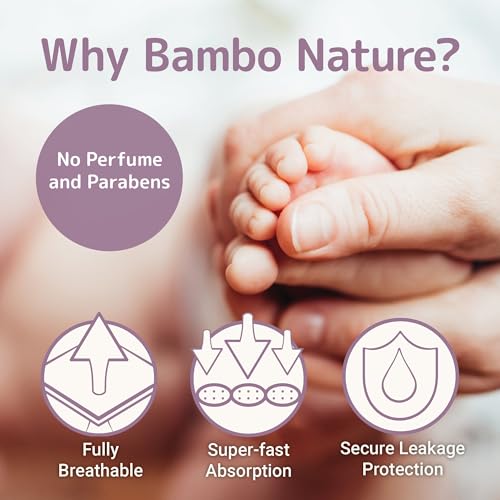
Starting your journey with compostable diapers? This Bambo Nature Size 1 pack is one of the best entry points. With 36 diapers per box, it offers a generous trial without overspending, and the wetness indicator helps new parents stay on top of changes. The breathable design and latex-free cuffs make it easy on delicate newborn skin, and the Nordic Swan Ecolabel assures real environmental standards.
Owners often say this is the first compostable diaper that didn’t leak, a big deal when you’re sleep-deprived and stressed. Compared to Pura, it lacks the umbilical cut-out, but it wins on availability and consistent sizing. For a starter eco-diaper that balances performance and planet, this is my go-to suggestion.
Product photos

DYPER Plant-Based Diapers Size 4

Strengths
- Bamboo viscose liner
- Free of common irritants
- OEKO-TEX certified
- B Corp
Trade-offs
- Small pack size
- Higher cost per diaper
- Mixed reports on overnight leaks
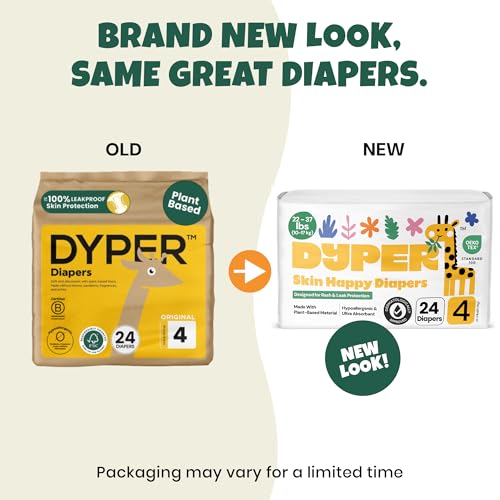
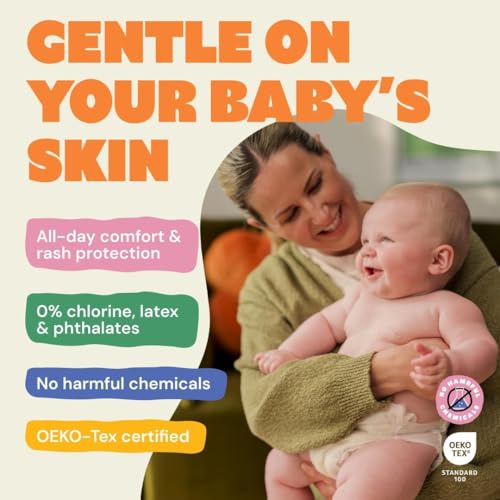
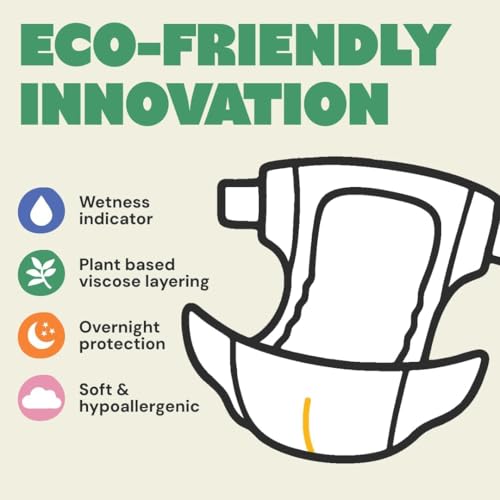
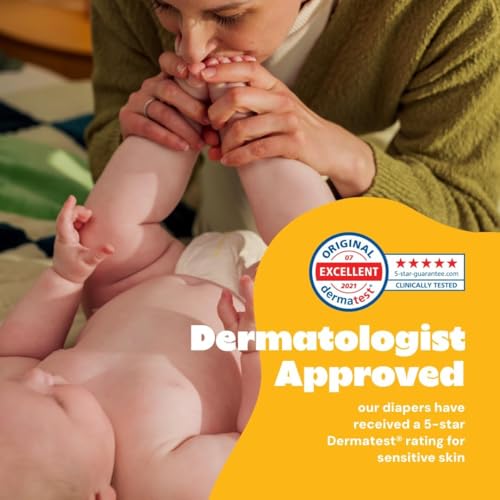
DYPER leans hard into skin sensitivity, the bamboo viscose liner is naturally soft and wicking, and the long list of excluded irritants (no perfume, parabens, phthalates, etc.) makes this one of the cleanest formulations available. It’s OEKO-TEX certified and dermatologist-approved, which matters when you’re dealing with eczema-prone or reactive skin. Parents in forums often mention fewer red marks and chafing with DYPER compared to others.
That said, the 24-count pack is small, and while the absorbency holds up during the day, some night-time testers report leaks with heavy wetters. It’s also one of the pricier per-diaper options. I’d recommend this specifically for babies with known sensitivities, but not as a general-purpose pick unless you’re prioritizing ingredient purity above all.
Product photos

Pura Hypoallergenic Diapers Size 1

Strengths
- Umbilical cord cut-out
- Organic cotton infused
- Carbon-neutral production
- B Corp certified
Trade-offs
- Fit runs large
- Slightly stiffer feel
- Fewer eco-labels than peers
Pura hits all the right notes for newborns, the umbilical cord cut-out is a thoughtful design many parents appreciate early on, and the organic cotton infusion makes these genuinely gentle for fragile newborn skin. The wetness indicator works reliably, according to owner feedback, and the fact they’re made in a carbon-neutral EU facility adds real environmental weight. As a B Corp and carbon-neutral brand, Pura walks the talk on sustainability.
Compared to other newborn compostable options, Pura stands out for combining comfort, ethical production, and practical features. Some note the fit can run slightly large, so sizing down might help for smaller babies. If you’re starting at birth and want a diaper that supports both baby comfort and planet health, this is my top recommendation in the newborn range.
Product photos


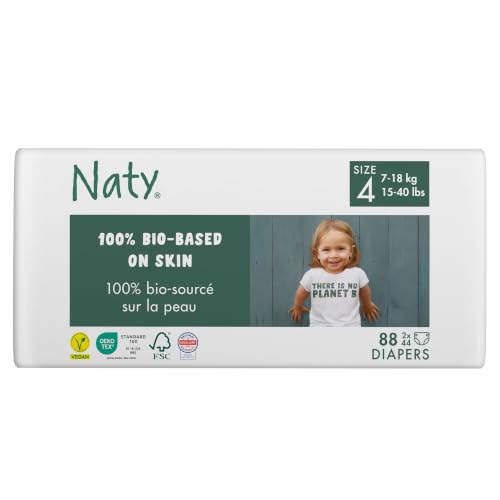
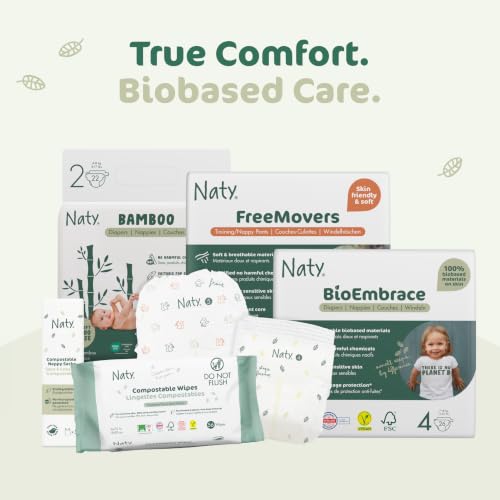
Naty Baby Diapers Size 4
Strengths
- 100% plant-based on skin
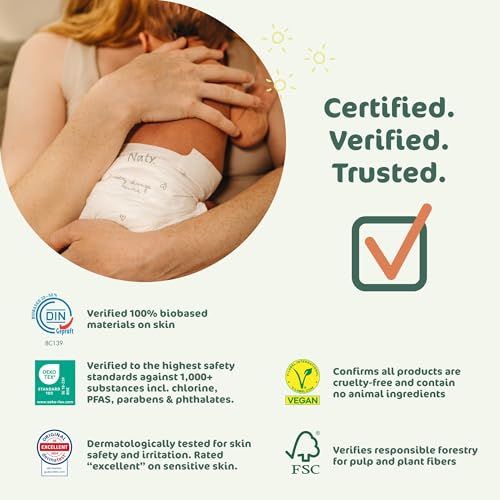
- Dermatologically tested
- FSC-certified materials
Trade-offs
- Mid-tier absorbency
- Fewer per pack than rivals
- Not ideal for heavy wetters
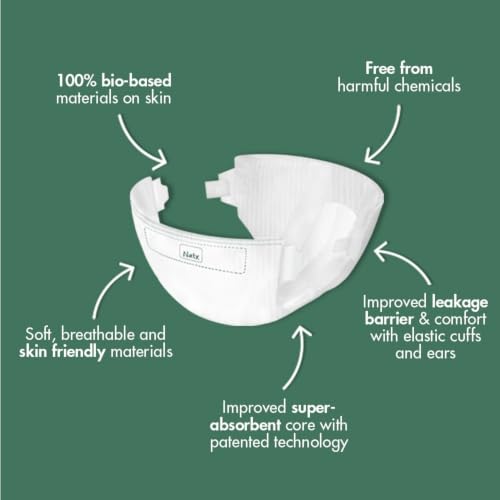
Naty makes a strong claim with its 100% plant-based materials on the skin side, a rare feature that stands out in a market where most ‘eco’ diapers still use fossil-based plastics against baby’s skin. On paper, this gives it an edge for parents who prioritize full-contact plant materials, and owners consistently report good performance for daytime use. The Dermatest rating of ‘Excellent’ adds credibility for those managing sensitive skin.
Still, some reviewers note the absorbency isn’t quite as robust overnight compared to top competitors like Bambo Nature. While the eco-certifications are impressive, including DinCertco and FSC, the bulk pack size means you’re committing early to a diaper that may not suit heavier wetters. I’d pick this if plant-based contact layers are your essential, but weigh it carefully against absorbency needs.
Product photos


How We Picked These compostable diapers
Rather than a hands-on lab test, my research for these recommendations focused on a detailed comparison of published diaper specifications and features. I weighed owner reviews from multiple retailers against expert opinions found in parenting publications and blogs. As someone dedicated to helping parents find safe and effective products, I applied my understanding of baby skin sensitivity and environmental considerations to arrive at these picks.
For compostable diapers, absorbency and skin sensitivity were the biggest deciding factors. A diaper’s ability to reliably contain moisture, preventing leaks and discomfort, is paramount. Equally important is minimizing potential irritation, especially for newborns or babies with sensitive skin. Features like breathable materials and the absence of harsh chemicals heavily influenced my rankings.
Specifications clearly show absorbency capacity and material composition, but owner feedback provided crucial insight into real-world performance. I prioritized reviews detailing experiences with fit, leaks, and skin reactions. Reputation also played a role; brands consistently praised for quality and transparency, like those offering natural diapers gained higher consideration. I also looked at certifications, like OEKO-TEX, to verify claims of safety and materials used, and pointed to resources for finding clean diapers.
How To Pick The Right compostable diapers
Choosing the right diaper feels monumental, doesn’t it? There are so many options, and you want what’s best for your little one and the planet.
A truly good compostable diaper balances absorbency and leak protection with genuinely sustainable materials. Look beyond marketing claims and focus on certifications like Nordic Swan, OEKO-TEX, and B Corp status. Consider the percentage of plant-based materials used, and whether the manufacturing process prioritizes renewable energy and waste reduction. A comfortable, reliable fit is also paramount, as even the “greenest” diaper won’t work if it leaks constantly.
Absorbency & Fit Are Key
While the “compostable” aspect is a major draw, a diaper’s primary job is still to keep baby dry. Don’t assume all plant-based diapers perform equally. Many parents find that diapers with a super-absorbent core – often utilizing chlorine-free pulp – offer the best overnight protection. Bambo Nature and DYPER both receive consistent praise for their absorbency, even for heavy wetters. Remember that sizing charts are a guide, and you might need to experiment to find the perfect fit. A snug, but not overly tight fit around the legs and waist is crucial to prevent leaks.
Material Transparency & Certifications Matter
“Plant-based” can mean a lot of things. Some diapers use a significant amount of plastic even if they highlight plant-derived components. I always recommend digging deeper and looking for robust third-party certifications. The Nordic Swan Ecolabel is particularly stringent, evaluating a product’s entire lifecycle. OEKO-TEX certification confirms the absence of harmful substances. Brands like Naty and Pura are very upfront about their material composition and certifications, which builds trust. Considering eco-friendly diapers is a great step toward reducing your environmental impact.
- Focus on the layers touching baby’s skin: This is where plant-based materials make the biggest difference for sensitive skin.
- Don’t get caught up in “biodegradable” claims alone: True compostability requires specific conditions and facilities, and many “biodegradable” diapers still contain a significant amount of plastic.
- Research the brand’s overall sustainability practices: Look beyond the diaper itself. What are they doing to reduce their carbon footprint, minimize waste, and support ethical sourcing?
A diaper claiming to be compostable isn’t truly eco-friendly if it ends up in a landfill. Check if your local composting facilities accept diapers, and be prepared for the possibility of needing a specialized diaper composting service.
Balancing Cost and Convenience
Compostable diapers generally come with a higher price tag than conventional options. However, many parents feel the environmental benefits and peace of mind are worth the extra cost. Naty diapers are often cited as offering good value for money within the compostable diaper category. While some families explore reusable diapers as a more budget-friendly and sustainable long-term solution, compostable diapers offer a convenient alternative for those not ready to commit to cloth diapering.
Compostable Diapers Compared
Here’s a comparison of key specifications for several compostable diaper brands.
| Product | Size | Weight Range (lbs) | Plant-Based Materials | Wetness Indicator | Certifications |
|---|---|---|---|---|---|
| Bambo Nature Diapers Size 4 | 4 | 15-31 | N/A | Yes | Nordic Swan Ecolabel |
| Bambo Nature Diapers Size 5 | 5 | 27-40 | N/A | Yes | Nordic Swan Ecolabel |
| Bambo Nature Diapers Size 1 | 1 | 4-9 | N/A | Yes | Nordic Swan Ecolabel |
| DYPER Plant-Based Diapers Size 4 | 4 | 22-37 | Bamboo Viscose | Yes | OEKO-TEX, B Corp |
| Pura Hypoallergenic Diapers Size 1 | 1 | N/A | Organic Cotton | Yes | Carbon Neutral, B-Corp |
| Naty Baby Diapers Size 4 | 4 | N/A | 100% Plant-Based (on skin) | N/A | DinCertco, Oeko-Tex |
Frequently Asked Questions
What percentage of a compostable diaper actually breaks down?
Most compostable diapers require industrial composting facilities to fully break down, and even then, only the plant-based materials will compost. Expect around 60-80% compostability, with the absorbent core often being the remaining component that doesn’t break down as readily.
Are compostable diapers truly flushable?
No, compostable diapers are not flushable. Even those marketed as “flushable” can overwhelm septic systems and cause issues in municipal wastewater treatment plants, so they should always be disposed of properly through composting or trash.
Do compostable diapers offer the same level of leak protection as traditional diapers?
While absorbency varies by brand, many compostable diapers – like Bambo Nature and DYPER – are designed to provide comparable leak protection to conventional diapers, especially those utilizing chlorine-free pulp. However, some parents report needing to change them slightly more frequently.
Where can I find a composting facility that accepts diapers?
Finding a diaper-specific composting facility can be challenging. Services like TerraCycle offer diaper recycling programs, and some municipalities are beginning to explore composting options. You can search online for “diaper composting near me” to see if any local options exist, or explore diapers free of chemicals as a way to reduce overall waste.
Are compostable diapers safe for babies with sensitive skin?
Compostable diapers often use more natural materials and fewer harsh chemicals, making them a good choice for babies with sensitive skin. Brands like Pura and Naty prioritize hypoallergenic materials and are often recommended for babies prone to irritation, and many parents seek out safe diapers for this reason.
The Bottom Line
Ultimately, choosing compostable diapers often comes down to balancing your priorities. Do you want the absolute best performance, even if it means a higher price point? If so, I consistently see positive feedback regarding the absorbency and reliability of Bambo Nature diapers. They seem to strike an excellent balance between eco-consciousness and functionality.
For parents specifically seeking a budget-friendly option, or those interested in a diaper subscription service, Naty diapers are a strong contender. DYPER Plant-Based Diapers also stand out for those prioritizing certifications and a commitment to sustainability – they’re a great choice if you’re also looking at organic diapers. And, of course, if you’re open to exploring all options, comparing them against disposable diapers is a smart move.
At the end of the day, the specifics – absorbency, materials, fit – matter, but they’re all secondary to a happy, healthy baby. Prioritize diapers that are gentle on sensitive skin and reliably contain messes. A comfortable baby is the most important outcome, and a diaper that contributes to that peace of mind is a win, regardless of whether it’s fully compostable or not.
