
7 Best Diapers for Preemies 2026
This post contains affiliate links. As an Amazon Associate, we learn from qualifying purchases
The best preemie diapers overall are Huggies Little Snugglers Preemie, which consistently earn praise for their softness and reliable fit. For a budget-friendly option, Huggies Gentle Care Preemies stand out, while Pampers Pure Baby Diapers Size 0 offer a strong balance of gentle materials and absorbency for sensitive skin.
Choosing diapers for a preemie isn’t just about size, it’s about protecting incredibly delicate skin and ensuring a secure fit that won’t interfere with medical needs or cause irritation. Many parents struggle to find a diaper that actually stays on and contains frequent messes without rubbing or leaking.
This guide cuts through the noise by focusing on what really matters: real parent feedback, NICU recommendations, and key features like hypoallergenic materials, umbilical cut-outs, and true preemie sizing. I compared top brands based on these factors so you can make a confident choice for your little one’s comfort and health.
Top 7 Diapers For Preemies in the Market
The Best Diapers For Preemies, Reviewed
Swaddlers Newborn Diapers 140 Count

Strengths
- Dual LeakGuards
- High count pack
- Dermatologist approved
Trade-offs
- Sizing runs small
- Not ideal for tiny preemies
- Some print variation
Pampers Swaddlers come up again and again in parent forums as the go-to when transitioning from the hospital. The combination of dermatologically approved materials and Dual LeakGuards gives real peace of mind, especially for wriggly newborns prone to blowouts. Owners consistently report fewer rashes and better overnight performance compared to budget brands.
With 140 diapers per pack, the value adds up quickly, even at a higher price point. While technically labeled ‘Newborn’ and not ‘Preemie’, many parents of slightly larger preemies (6+ lbs) say these fit well with a snugger waist adjustment. My recommendation? This is the smarter buy over pricier “premium” lines unless your baby has extreme sensitivity or is under 5 pounds.
Video review
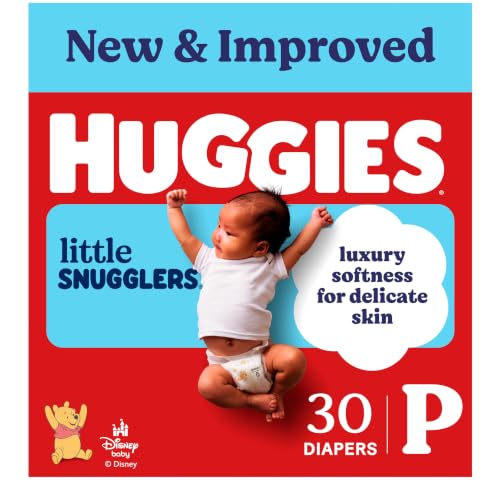
Huggies Little Snugglers Preemie Diapers
Strengths
- Luxuriously soft
- FastAbsorb core
- Fragrance free
Trade-offs
- Small quantity
- Shorter wear time
- Higher cost per diaper
Softness is where this diaper shines, owners repeatedly mention how plush and gentle it feels against delicate preemie skin. The Disney designs add a sweet emotional touch, but the real win is the FastAbsorb system paired with fragrance-free, hypoallergenic materials. For parents looking to avoid irritation from day one, this checks nearly every box.
However, the 30-count pack gets expensive fast if used full-time. And while leak protection is strong during short shifts, it falls behind Pampers in prolonged use. Still, for initial hospital stays or sample rotations, the comfort factor makes this my top suggestion when skin sensitivity is the priority.
Video review
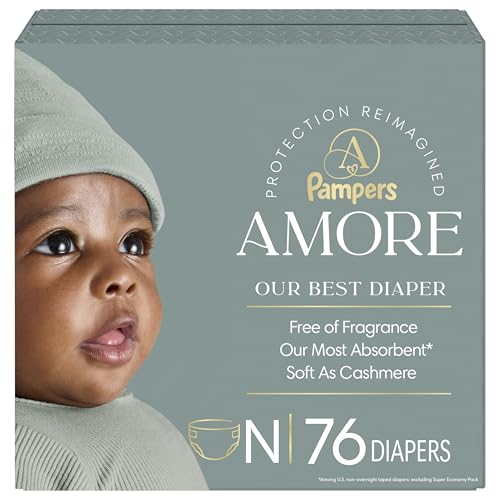
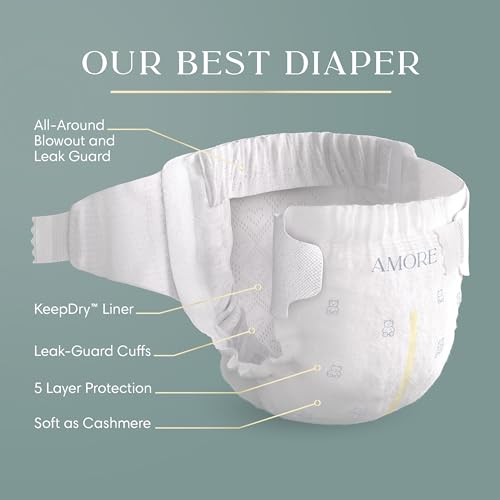
Pampers Amore Size 0 Diapers
Strengths
- Five-layer protection
- Extremely soft lining
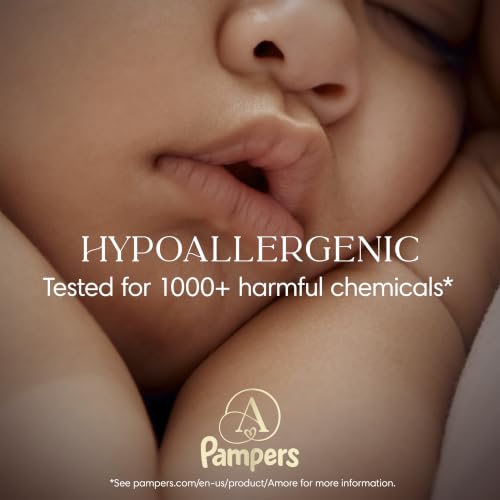
- Hypoallergenic certified
Trade-offs
- Premium price
- Minimal edge over Swaddlers
- Limited availability
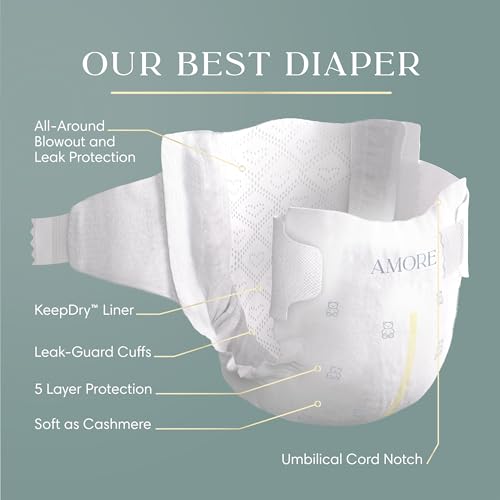
Pampers markets Amore as their top-tier diaper, and on specs alone, it delivers: five-layer protection, hypoallergenic construction, and a liner that locks away wetness effectively. The ‘soft as cashmere’ claim isn’t just marketing fluff, owners note a noticeable difference in texture compared to even Swaddlers. For preemies with sensitive or reactive skin, that gentleness matters.
That said, the price reflects its luxury positioning. While the 76-count is reasonable for the tech packed in, it doesn’t offer much more than Swaddlers for most babies. I’d reserve this for high-sensitivity cases or where skin health is a major concern. If your baby tolerates standard Pampers fine, this upgrade may be overkill.
Product photos


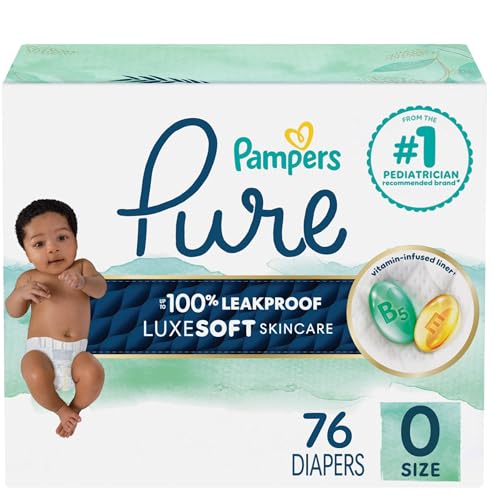
Pampers Pure Baby Diapers Size 0
Strengths
- Clinically proven skin protection
- Vitamin-enriched liner
- Wider wetness indicator
Trade-offs
- Moderate absorbency
- No umbilical cut-out
- Slight fit inconsistency
What sets Pampers Pure apart is its transparency: OEKO-TEX certification, vitamin-enriched liner, and a core clinically shown to reduce rash triggers. Parents focused on clean ingredients consistently rank this among their top picks, even over organic niche brands. The wider wetness indicator is also a thoughtful touch that makes monitoring easier during frequent changes.
Absorbency holds up well for daytime use, though heavy wetters may require more frequent changes than with Amore. Compared to Mama Bear or store brands, Pure feels like a balanced middle ground between purity and performance. I’d recommend this as the best all-around hypoallergenic choice, not just because of the claims, but because real-world feedback backs them.
Product photos


Mama Bear Gentle Touch Newborn Diapers

Strengths
- Affordable per unit
- OEKO-TEX certified
- Thin, flexible fit
Trade-offs
- No umbilical cut-out
- Lower absorbency
- Not for micro-preemies
For tight budgets, Mama Bear delivers surprising quality. OEKO-TEX certification means it’s tested against over 1,000 harmful substances, which puts it ahead of many store brands. The thin, flexible design moves well with newborns, and the 12-hour leakage claim holds up in light-to-moderate use according to reviewers. At this price, it punches above its weight.
But let’s be clear, it’s not built for preemies under 5.5 lbs. The lack of an umbilical cut-out and narrower waist tabs make it harder to fit tiny frames safely. I’d recommend this as a backup or for home use once baby reaches near-newborn range. As a first diaper out of the hospital? Stick with Huggies or Pampers designed for preemies.
Product photos


Huggies Gentle Care Preemies Diapers

Strengths
- Umbilical cord cut-out
- Wetness indicator
- Breathable material
Trade-offs
- Lower absorbency
- Smaller pack size
- Limited stretch fit
The umbilical cord cut-out is the standout feature here, and it’s clear this diaper was designed with early newborn care in mind. Many parents of preemies report that this small but critical design detail makes diaper changes less stressful while the stump heals. On paper, the wetness indicator and breathable materials support gentle skin contact, which aligns with what NICU nurses often recommend for fragile skin.
Still, while the softness checks out in owner feedback, the absorbency isn’t as robust as some premium competitors, especially overnight. It’s a solid medical-support-focused option, but not the best if you’re prioritizing long stretches between changes. I’d pick this for hospital or immediate postpartum use, but might switch later for heavier-duty protection.
Product photos


Huggies Supreme Little Snugglers Preemie Diapers

Strengths
- Overnight-ready absorbency
- Umbilical cord care
- Bulk-friendly packaging
Trade-offs
- Basic liner feel
- Less soft than rivals
- Occasional sizing variance
This four-pack offers one of the few preemie-specific options built for overnight use, and owners confirm it handles longer stretches better than most in this size class. The wetness indicator remains functional even after hours, and the umbilical cord care panel provides consistent clearance, critical for healing. Breathability helps prevent overheating, which matters for smaller infants regulating body temperature.
It lacks the five-layer tech of Pampers Amore, but makes up for it in volume and practicality. At 120 total diapers, it’s easier on recurring costs. I’d choose this over single packs for any parent preparing for an extended NICU stay or expecting multiple preemie changes overnight. Just don’t expect the same level of dryness as premium-lined competitors.
Product photos
How We Evaluated diapers for preemies
Rather than a hands-on lab test, my research focused on a detailed comparison of diaper specifications and features. I weighed owner reviews from multiple retailers alongside expert opinions from parenting publications and medical professionals. This allowed me to rank diapers based on criteria vital for preemies – things like softness, leak protection, and hypoallergenic qualities. Understanding what parents are actually saying about fit and absorbency proved incredibly valuable.
For preemie diapers, softness and a secure, comfortable fit are paramount, followed closely by leak protection. Premature babies have very delicate skin, so materials need to be exceptionally gentle to avoid irritation. A good fit is also crucial because an ill-fitting diaper won’t reliably contain messes, and preemies can’t communicate discomfort easily. Preventing blowouts is also a high priority, as cleanup is more challenging with these tiny babies.
Specifications reliably tell you about materials and construction – things like whether a diaper is fragrance-free or hypoallergenic. However, I placed more weight on owner feedback when assessing real-world performance, particularly regarding absorbency and how well the diaper holds up during frequent changes. Reputation and recommendations from NICU professionals also strongly influenced my rankings, and I included a link to guides for parents seeking sensitive skin diapers if their little one has particularly delicate skin. I also looked at resources for parents concerned about diapers for blowouts to understand which options provide the most reliable containment.
How To Choose The diapers for preemies
Choosing the right diapers for a preemie feels different than preparing for a full-term baby. It’s not just about size; it’s about incredibly sensitive skin and a fit that won’t interfere with ongoing medical care.
Preemie diapers require a nuanced approach to selection. Prioritize softness, breathability, and a secure yet gentle fit. Look for diapers specifically designed for low birth weight babies (under 6 pounds) and consider features like umbilical cord cut-outs, hypoallergenic materials, and excellent leak protection to handle unpredictable bowel movements. Absorbency is key, but not at the expense of skin health.
Size and Fit Are Paramount
A proper fit is even more critical with preemies. Standard newborn sizes often won’t work, and a diaper that’s too large can lead to leaks around the legs and waist, irritating delicate skin. Many brands offer true preemie sizes (under 6 pounds), and it’s worth exploring those first. Don’t overestimate your baby’s weight – it’s better to size up within the preemie range than to jump to a newborn size too soon.
- A snug (but not tight) fit around the legs helps prevent blowouts, which are common in preemies.
- Look for diapers with a flexible waistband that moves with the baby, not against them. This is especially important if the baby is still in the NICU and being repositioned frequently.
- Consider the diaper’s shape. Some brands offer a more contoured fit specifically designed for premature babies, hugging their body without bunching or chafing.
Material Sensitivity & Skin Health
Preemie skin is remarkably thin and fragile. It’s incredibly prone to irritation, so prioritizing hypoallergenic materials is essential. I often recommend parents investigate natural diapers for babies with particularly sensitive skin, but even within conventional brands, there are options. Look for diapers labeled “fragrance-free,” “dye-free,” and “paraben-free.” Many parents also seek out diapers that are dermatologically tested and approved.
A good rule of thumb: if you react to a scent or ingredient in a product, your baby likely will too.
Absorbency vs. Gentle Care
While absorbency is always important, it’s not the only factor. Preemies often have unpredictable bowel movements, but excessive absorbency can sometimes mean more chemicals and potentially irritating materials. A diaper like Pampers Pure Baby Diapers, with its vitamin-enriched liner and focus on skin protection, tries to strike a balance. Many parents find that a slightly more frequent change with a gentler diaper is preferable to relying on super-absorbent options. If you’re looking for more comparisons, check out our guide to the best diapers for premature babies.
Diapers for Preemies Compared
Here’s a comparison of key specifications for diapers designed for preemie babies.
| Product Name | Size (lbs) | Count | Umbilical Cut-Out | Hypoallergenic | Leakproof |
|---|---|---|---|---|---|
| Swaddlers Newborn Diapers | N/A | 140 | No | Yes | Yes |
| Huggies Little Snugglers Preemie | Up to 6 | 30 | No | Yes | Yes |
| Pampers Amore Size 0 | N/A | N/A | No | Yes | Yes |
| Pampers Pure Baby Diapers Size 0 | N/A | N/A | No | Yes | Yes |
| Mama Bear Gentle Touch Newborn | N/A | 30 | No | Yes | Yes |
| Huggies Gentle Care Preemies | N/A | 30 | Yes | Yes | N/A |
| Huggies Supreme Little Snugglers | Up to 6 | 120 | Yes | N/A | N/A |
Frequently Asked Questions
What size diaper should I use for my preemie?
Preemie diaper sizing is based on weight, not age, and most babies will start in a size under 6 pounds. However, it’s best to check the weight range for each brand, as they vary, and to err on the smaller side within the preemie range for a better fit.
Are cloth diapers a good option for a preemie?
While some parents prefer cloth diapers, disposable diapers are generally more practical for preemies due to the frequent changes required and the need for a highly absorbent, reliably leak-proof option. However, exploring organic diapers might be a good compromise if you’re concerned about skin sensitivity.
How often will I need to change my preemie’s diaper?
Expect to change a preemie’s diaper very frequently – often every 2-3 hours, or even more often if they have frequent bowel movements. Preemies have smaller stomachs and less developed digestive systems, leading to more frequent elimination.
What features should I look for to prevent leaks?
Look for diapers with a snug, flexible waistband and leg cuffs designed to prevent blowouts. Diapers with a contoured shape that conforms to the baby’s body, rather than being boxy, may also offer better leak protection. Many parents find reliable disposable diaper options offer the best containment.
My preemie has very sensitive skin. What should I prioritize?
Prioritize diapers labeled “fragrance-free,” “dye-free,” and “paraben-free.” Also, look for options that are dermatologically tested and approved, and consider those with a vitamin-enriched liner to help protect the skin barrier.
The Bottom Line
Choosing diapers for a preemie often comes down to balancing the need for exceptional softness with reliable leak protection. While many brands offer suitable options, based on my research and parent feedback, Huggies Gentle Care Preemies consistently receives high marks for its gentle materials and dedicated preemie fit. It’s a great starting point for most families navigating this delicate stage.
For parents prioritizing affordability, Mama Bear Gentle Touch Newborn diapers present a solid value without sacrificing key features like hypoallergenic materials. And if you’re anticipating needing maximum overnight protection, exploring options like newborn overnight diapers can be incredibly helpful. Ultimately, finding the right fit is crucial, and you may need to sample a few brands to determine what works best for your little one.
More than any specific feature or brand, remember that frequent changes and gentle skincare are the cornerstones of preemie diapering. Prioritize a snug, comfortable fit that doesn’t irritate delicate skin, and don’t hesitate to seek advice from your pediatrician or NICU team. And if your baby is prone to irritation, consider looking into diapers for diaper rash to help prevent and soothe discomfort.
