
7 Best Diapers Without Chemicals 2026
This post contains affiliate links. As an Amazon Associate, we learn from qualifying purchases
The HealthyBaby Non-Toxic Diapers stand out as the best overall choice for parents seeking a truly clean disposable, avoiding over 3,900 chemicals while delivering strong performance. For a more budget-friendly option that still cuts out fragrances, lotions, and chlorine, Mama Bear Gentle Touch is a solid pick. If you’re looking for a premium eco-conscious alternative with excellent absorbency, Pura Baby Diapers are worth the investment.
Every parent wants to keep their baby safe, and what goes next to their delicate skin matters. With so many brands claiming to be “clean” or “natural,” it’s hard to know which diapers actually avoid harmful chemicals and which are just marketing fluff. This guide cuts through the noise by focusing on verified certifications, ingredient transparency, and real parent feedback to find diapers that deliver on both safety and performance.
Top 6 Diapers Without Chemicals in the Market
The Best Diapers Without Chemicals, Reviewed
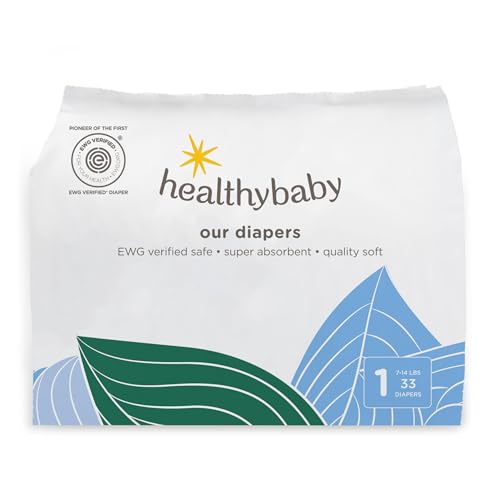
HealthyBaby Non-Toxic Diapers
Strengths
- EWG VERIFIED
- No wetness indicator
- No prints or dyes
Trade-offs
- Smaller count per pack
- Slightly less absorbent
- Higher price per diaper
HealthyBaby stands out because it follows the Environmental Working Group’s strictest standards, and that matters. These diapers skip the wetness indicator, prints, and any non-essential additives, which aligns with what I recommend for babies with truly reactive skin. The EWG VERIFIED mark isn’t handed out lightly, and owners with infants prone to rashes often call these a standout, though absorbency takes a small step back compared to bulkier designs.
They’re not the cheapest or most convenient in size count, but the materials are transparent, and the Nordic Swan Ecolabel adds real credibility. When stacked against Pura or Bambo Nature, HealthyBaby goes one step further in chemical avoidance, even if it means slightly less on-trend features.
Video review
Pura Baby Diapers Size 3

Strengths
- Allergy UK Certified
- 12-hour protection
- Stretchy waistband
Trade-offs
- Higher price point
- Wetness indicator included
- Limited size availability
Pura diapers are built for sensitivity, and it shows. With Allergy UK Certification, OEKO-TEX status, and a clear commitment to renewable manufacturing, they’re a top contender for older babies with skin issues. The 12-hour leak protection is backed by owner feedback, especially useful for overnight use, and the stretchy waistband earns consistent praise for fit.
Compared to HealthyBaby, Pura offers better absorbency and comfort for active toddlers, though it includes a wetness indicator, which strict minimalists may avoid. It’s also one of the pricier options. But for parents dealing with recurring rashes, this is often the diaper that finally sticks, both on baby and in the routine.
Video review
Bambo Nature Dream Diapers

Strengths
- Nordic Swan Ecolabel
- Wetness indicator
- Breathable backsheet
Trade-offs
- Smaller pack size
- Only 36 count
- No EWG verification
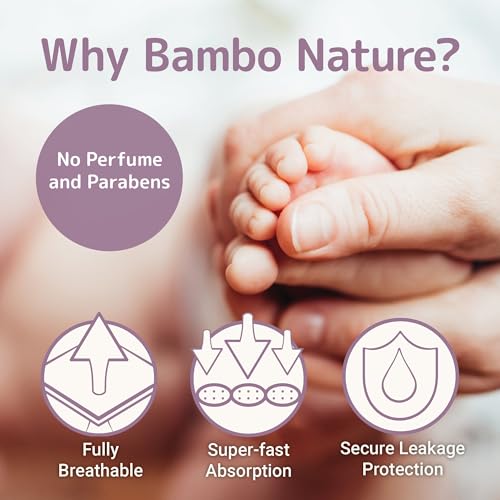
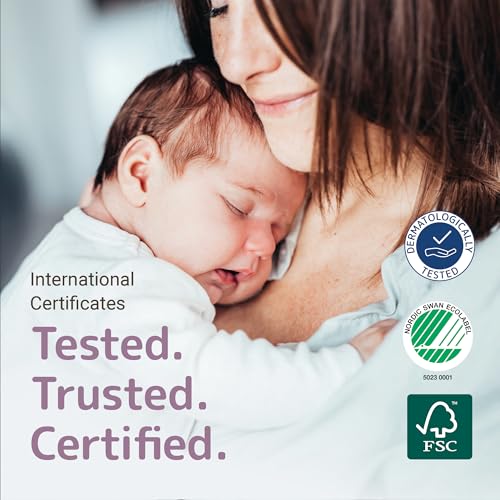
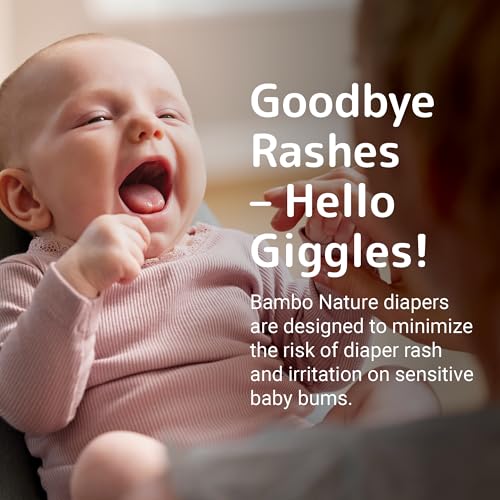
At under $16 for 36 diapers, Bambo Nature is the most affordable truly clean diaper on this list, and it doesn’t cut corners. The Nordic Swan Ecolabel is a standout, and the three-layer absorbent core handles multiple wettings well, even overnight. Owners frequently mention how well these fit smaller babies without leaking, and the wetness indicator is a practical touch without compromising safety.
It’s not EWG VERIFIED like HealthyBaby, but it’s close, and significantly cheaper per diaper. The latex-free cuffs and breathable backsheet make this a smart pick for newborns with sensitive skin. For most families, this is the easy pick if you want proven performance without overspending.
Product photos

Earth & Eden Newborn Diapers
Strengths
- Large pack size
- Cotton-enhanced layer
- No fragrance or latex
Trade-offs
- No EWG or Nordic Swan
- Fewer banned chemicals
- Less transparency
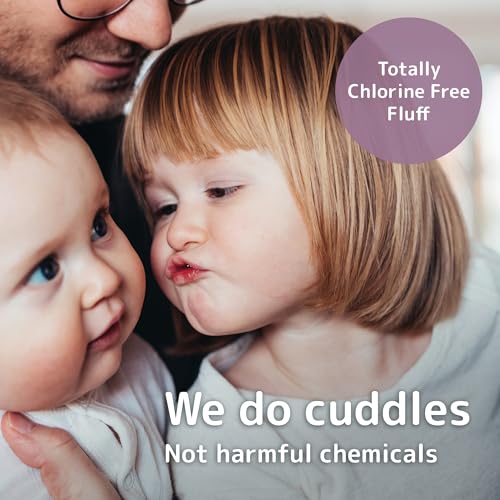
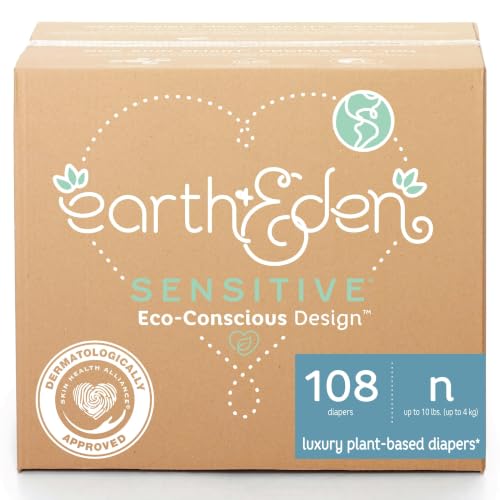
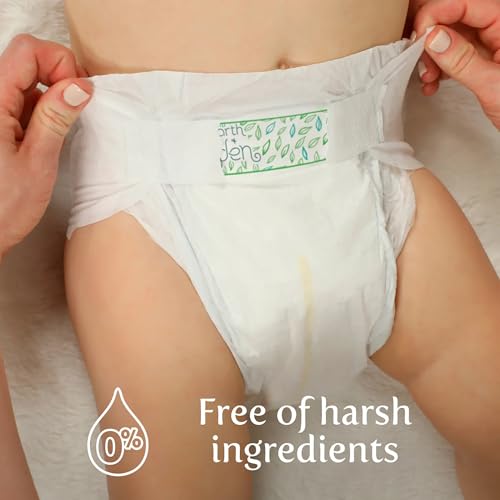
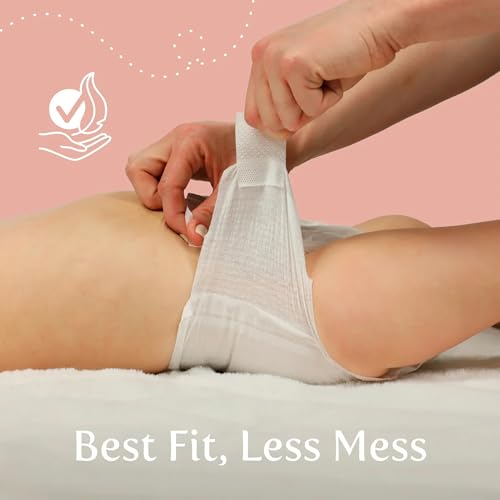
Target’s Earth & Eden line delivers a strong mid-tier option for newborns, especially given the 108-count pack size and solid ingredient list. It’s free from fragrance, latex, and chlorine bleaching, and the cotton-enhanced layer gets consistent praise in reviews for softness. Many parents note fewer red marks, which suggests the Comfort-Cuff design works as intended.
But while it’s marketed as low-chemical, it doesn’t go as far as EWG or Nordic Swan certifications. It lacks the third-party rigor of Bambo Nature or HealthyBaby, and there’s no public list of banned substances. For a first diaper stash, it’s a reliable, widely available pick, just not the deepest cut in the non-toxic category.
Product photos
Honest Company Diapers Size 1
Strengths
- Hypoallergenic
- Wetness indicator
- Cute prints
Trade-offs
- Contains prints
- Wetness indicator present
- More additives than top purists
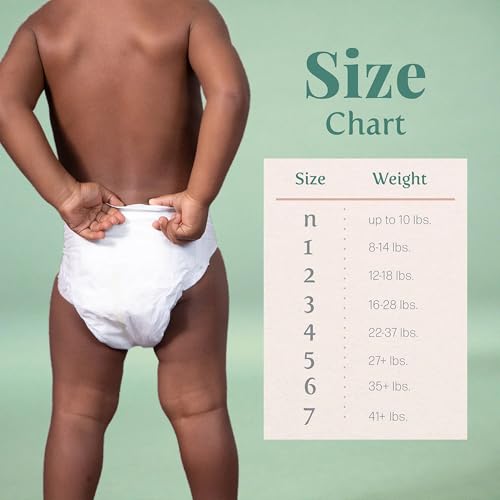
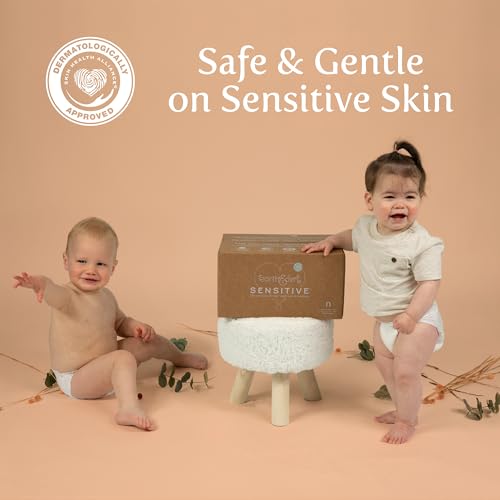
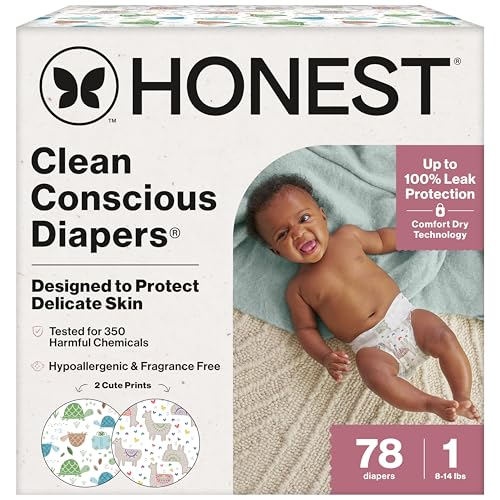
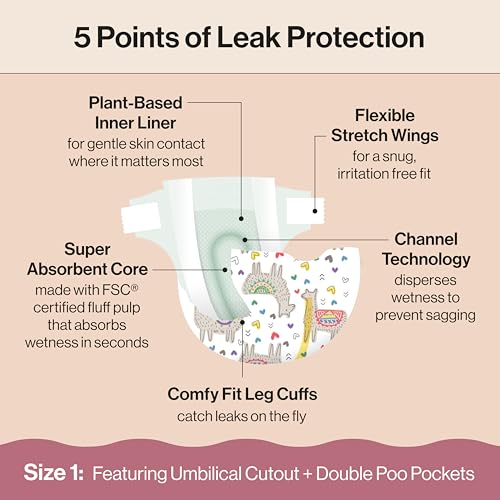
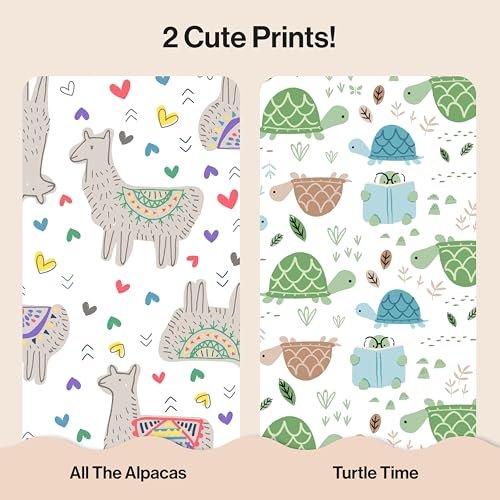
I’ve looked closely at The Honest Company’s Clean Conscious Diapers, and while they’re not the most minimal in terms of ingredients, they strike a solid balance for parents who want a mainstream-feeling product without major red-flag chemicals. The hypoallergenic claim and OEKO-TEX certification carry weight, and owners consistently report fewer rashes compared to conventional brands. Still, the inclusion of a wetness indicator and cute prints means there are more additives than in truly bare-bones options.
Compared to stricter non-toxic picks like HealthyBaby or Joonya, these lean more toward accessibility than purity. The 78-count pack offers decent value, and the comfort fit design works well for active newborns. But if you’re aiming for the absolute fewest synthetic materials, this isn’t the leanest choice, it’s more of a soft landing for parents transitioning from mainstream diapers.
Product photos


JOONYA Pull-Up Pants

Strengths
- Published test results
- Slim overnight fit
- Pull-up convenience
Trade-offs
- Only for older babies
- Limited size range
- Higher price per unit
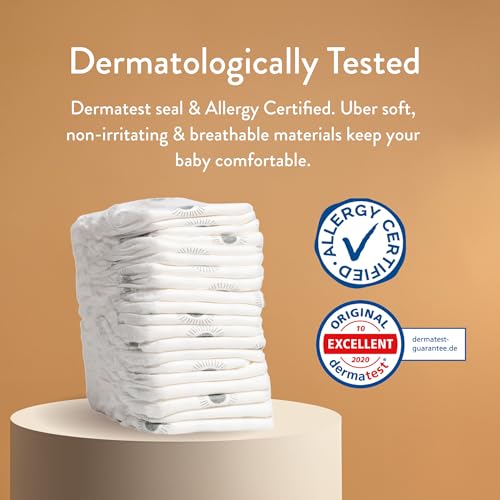
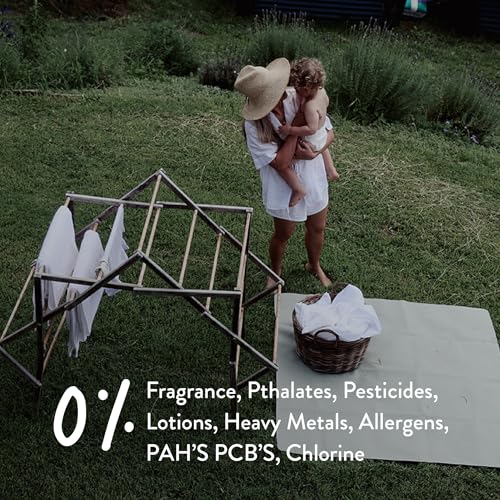
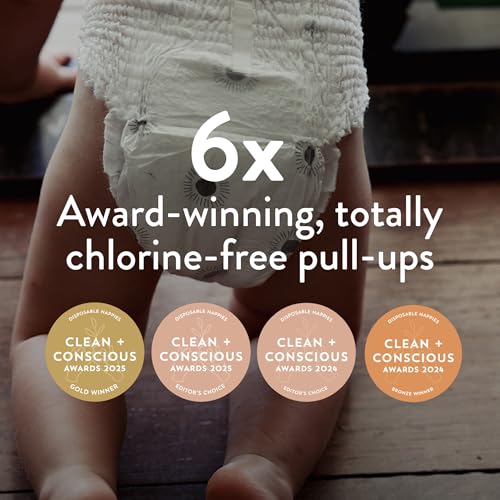
JOONYA pull-up pants are built for the potty-training phase, and they do it better than most. The 12-hour dry protection and double leak barrier stand out in owner reviews, especially for overnight use. What really sets JOONYA apart is their commitment to transparency, they test for harmful chemicals and publish the results, which is rare in this category.
The plant-based topsheet feels luxurious, and the slim fit works well under clothes. But as a pull-up, it’s not for newborns or young infants. Compared to Pura or HealthyBaby, it’s more niche, but for parents in the training window, it’s one of the cleanest, most functional options available.
Product photos

How We Picked These diapers without chemicals
As a parent and the creator of NurseryDreamer.com, I understand the desire for the safest possible products for little ones. Rather than a hands-on lab test, this research focused on a detailed comparison of published specifications and features across numerous diaper brands. I weighed owner reviews from major retailers alongside expert opinions from parenting publications and certification organizations to build a clear picture of performance and safety. My goal was to identify diapers that genuinely minimize chemical exposure while still delivering the absorbency and comfort parents require.
For diapers marketed as “clean,” the most important factors became the breadth and rigor of third-party certifications, and the specific chemicals explicitly avoided. Transparency is key – brands that readily publish ingredient lists and testing results earned higher consideration. Absorbency remains crucial, of course, but was weighed alongside demonstrated commitment to reducing potentially harmful substances. Finding options that balance these priorities led to the final recommendations.
Specifications reliably indicate a diaper’s construction – materials used, layer count, and absorbency capacity. However, real-world performance and skin sensitivity are best gleaned from owner feedback. I focused on recurring themes in reviews: reports of rashes, leak frequency, and overall satisfaction with fit. Brands consistently praised for gentleness on sensitive skin, and those with certifications like OEKO-TEX or those offering a range of non-toxic diaper brands received significant consideration. For parents exploring all options, it’s also worth looking into reusable diapers as an alternative.
How To Choose The diapers without chemicals
Choosing diapers feels simple enough, but navigating the sheer number of options – and marketing claims – can be really overwhelming. As a parent myself, I know how much we want to protect our little ones, and that extends to what touches their skin all day long.
A truly good diaper balances absorbency with gentle materials, a reliable fit, and consideration for a baby’s sensitive skin. Parents should prioritize diapers free from harsh chemicals, opting for those with certifications like OEKO-TEX or EWG verification. Look for features like breathable materials and a secure waistband to prevent leaks and irritation.
Understanding Material Composition
The biggest shift happening in diapers right now is a move away from potentially irritating ingredients. It’s no longer enough to just say “hypoallergenic”; parents are digging deeper into what isn’t in the diaper. You’ll find brands touting “free from” lists that are miles long, and that’s a good thing. However, understand that “plant-based” doesn’t automatically equal “better.” Sodium polyacrylate, the super absorbent polymer used in most disposables, is generally considered safe, even though it’s synthetic. What’s more crucial is avoiding things like chlorine bleaching, fragrances, and phthalates. If you’re concerned about the impact of disposable diapers, exploring environmentally conscious diapers might be a good next step.
Prioritizing Fit and Absorbency
A diaper can be made of the purest organic cotton, but it won’t matter if it leaks constantly. Absorbency is obviously key, and many brands now advertise 12-hour protection. However, that’s a pretty optimistic claim and will vary depending on your baby’s output. Pay attention to feedback from other parents regarding overnight performance. Fit is equally important, and it’s something that will change as your baby grows.
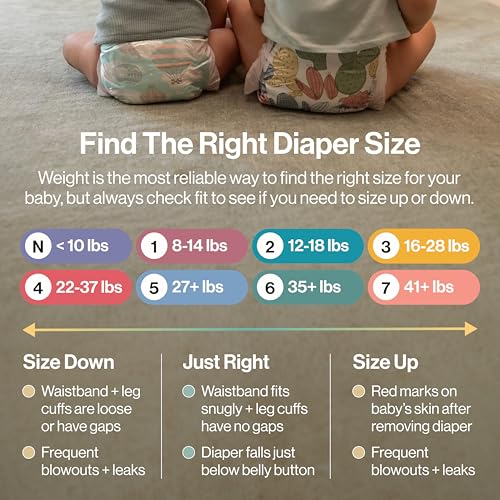
Here’s what I tell parents about fit: * Newborns often do better in a specifically sized newborn diaper. * Don’t automatically size up just because your baby hits a weight threshold. Consider their body shape. * A snug, but not tight, fit around the legs and waist is essential to prevent blowouts. The “blowout shield” feature seen in some brands (like HealthyBaby) can be a lifesaver.
A properly fitted diaper should allow for a full range of motion without gapping or digging into the skin. Regularly check the fit and adjust the size as needed to maintain comfort and prevent leaks.
Balancing Value and Features
Let’s be realistic: diapers are expensive. While it’s tempting to go with the cheapest option, especially in the beginning, you need to factor in potential costs associated with rashes or frequent changes due to poor absorbency. I often recommend starting with a smaller pack of a few different brands to see what works best for your baby. A larger pack of a diaper that doesn’t fit well or causes irritation is just wasted money. If you are looking for options with a focus on safety, checking out lists of safe diapers without chemicals can help narrow down your search. Mama Bear and Honest Company often strike a good balance between price and features, while brands like Pura and Bambo Nature lean towards higher-end materials and certifications.
Diapers Without Chemicals Compared
Here’s a comparison of diapers marketed as being free from harmful chemicals, focusing on key specifications for parents seeking safer options.
| Product Name | Chemical Free? | Absorbency (Hours) | Eco-Friendly Certifications | Size Range (lbs) | Key Features |
|---|---|---|---|---|---|
| HealthyBaby Non-Toxic Diapers | Yes (3,900+ chemicals avoided) | N/A | Nordic Swan, OEKO-TEX, FSC | N/A | Blowout Shield, SuperStretch Tabs |
| Pura Baby Diapers Size 3 | Yes (Chlorine, Fragrance, etc. free) | Up to 12 | OEKO-TEX, Allergy UK Certified | N/A | Stretch Waist, Blowout Blocker |
| Bambo Nature Dream Diapers | Yes (Chlorine, Fragrance free) | N/A | Nordic Swan Ecolabel | 4-9 | Wetness Indicator, Breathable Backsheet |
| Earth & Eden Newborn Diapers | Yes (Lotions, Latex, Chlorine free) | Up to 12 | SFI Certified | N/A | Cotton Enhanced Layer, Breathable Cover |
| Honest Company Diapers Size 1 | Yes (Parabens, Fragrance free) | N/A | OEKO-TEX STANDARD 100, FSC | N/A | Comfort Dry Technology, Double Poo Pockets |
| Mama Bear Gentle Touch | Yes (Chlorine, Perfume, etc. free) | Up to 12 | OEKO-TEX STANDARD 100 | N/A | Leakage Protection, Breathable Cover |
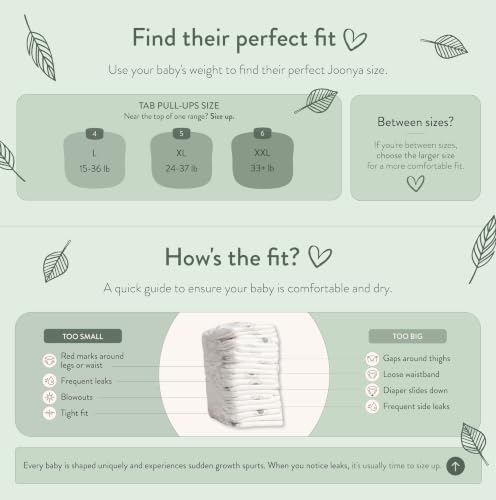
| JOONYA Pull-Up Pants | Yes (Latex, Chlorine, Phthalates free) | 12 | FSC Certified | 15-26 | Dry Channel Technology, Plant-Based Topsheet |
Frequently Asked Questions
What certifications should I look for when buying diapers without chemicals?
OEKO-TEX STANDARD 100 is a good starting point, as it verifies that a diaper has been tested for harmful substances. Nordic Swan and Allergy UK certifications are also valuable indicators of safety and gentleness, and demonstrate a commitment to minimizing potential irritants.
Are “plant-based” diapers always the safest option?
Not necessarily. While plant-based materials are appealing, the overall chemical profile is more important. A diaper can be partially plant-based but still contain undesirable ingredients, so always review the full ingredient list and look for certifications.
How often should I be sizing up my baby’s diaper?
Don’t rely solely on weight guidelines. Regularly check for redness marks or leaks, as these can indicate a poor fit. A snug, but not tight, fit is key, and you may need to adjust sizes based on your baby’s individual shape.
What is sodium polyacrylate, and should I be concerned about it?
Sodium polyacrylate is a super absorbent polymer found in most disposable diapers, and it’s generally considered safe by experts. While it’s a synthetic material, it remains inside the diaper and doesn’t typically come into direct contact with the baby’s skin, making it a lower concern than chemicals like chlorine or fragrances.
Where can I find more information about diapers made from organic materials?
I’ve compiled a guide to the best organic diapers on NurseryDreamer.com. This resource details brands that prioritize natural and sustainable materials, offering a deeper look into the world of organic diaper options and what to look for when making your selection.
The Bottom Line
Choosing diapers without harsh chemicals often comes down to balancing your priorities – are you willing to spend a bit more for extensive certifications and premium materials, or are you looking for a reliably gentle option at a more accessible price point? For overall performance and a commitment to minimizing chemical exposure, I believe HealthyBaby Non-Toxic Diapers strike the best balance. They consistently receive high marks for absorbency and leak protection, while also boasting a truly impressive list of chemicals avoided and several important certifications.
If budget is a primary concern, Mama Bear Gentle Touch presents a strong value. For parents needing a versatile option that grows with baby, JOONYA Pull-Up Pants are a standout, offering a convenient and reliable choice as little ones transition to potty training. And, don’t forget to consider pairing your diaper choice with chemical-free wipes for complete peace of mind.
Ultimately, the “best” diaper is the one that works best for your baby. Don’t get too caught up in the specifics of absorbency claims or certification logos. Focus on finding a diaper that fits well, keeps your baby comfortable and dry, and is made with materials you feel good about – and remember to explore best natural diaper options if you’re seeking even more plant-derived materials.
